contact@haitiwonderland.com+509 36184317

Discover

Shopping Cart

Living the Spirit of Christmas in Haiti: A Unique Experience

Living the Spirit of Christmas in Haiti: A Unique Experience

Christmas in Haïti is a magical time where culture, traditions and spirituality blend to offer a unique experience. Much more than a simple celebration, it is a time of sharing, reflection and rejoicing that unites Haitians, whether at home or across the diaspora. This article invites you to discover how the spirit of Christmas is lived in Haiti, through its traditions, celebrations and warm atmosphere.

Haïti
Haïti
Haïti

A Magical Atmosphere: Decorations and Lights

In December, Haitian streets are adorned with bright colors and sparkling lights. In cities like Port-au-Prince, Cap-Haïtien or Jacmel, markets are full of Christmas decorations, garlands and crafts. Families decorate their homes with Christmas trees, often made of local materials such as wood or branches, symbolizing both creativity and adaptation.

Nativity scenes, representing the birth of Jesus, also play an important role in the decoration. They are often carefully crafted and displayed in churches, homes, and even public spaces, recalling the spiritual nature of this period.

See as well

Religious Celebrations: A Spiritual Christmas

Spirituality is at the heart of Christmas celebrations in Haiti. Midnight mass, known as *"Christmas Mass"*, is a central event where families gather to pray, sing hymns, and celebrate the birth of Jesus Christ.

Christmas carols, such as *"Michaël O"*, *"Papa Nwel pote kado"*, or traditional religious hymns, resonate in churches and communities, bringing a touch of fervor and joy. This spiritual dimension reminds Haitians of the importance of love, peace and generosity at this time of year.

Haïti
Haïti
Haïti

Family Traditions Filled with Joy

Christmas in Haïti is above all a family celebration. Family members gather to spend time together, often around a large meal. Preparing the food is a moment of complicity where everyone plays a role, from children to grandparents.

Gifts, although often modest, are exchanged in a spirit of gratitude and love. This simple gesture demonstrates the importance of family ties and caring for others. In some homes, children eagerly await the arrival of "Papa Nwèl", the Haitian equivalent of Santa Claus, who symbolizes the magic of the holidays.

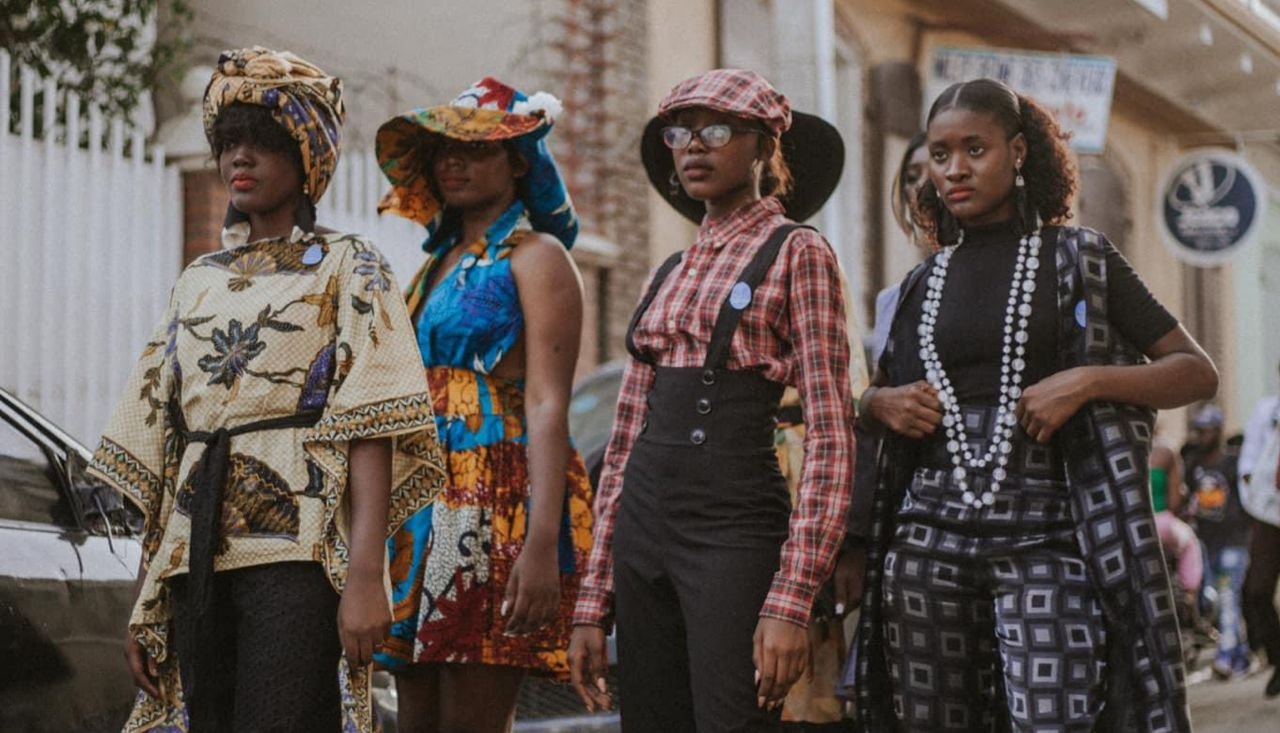
Plume en Quest: Celebration of Haitian Women at the Alliance Française of Jacmel.

Plume en Quest: Celebration of Haitian Women at the Alliance Française of Jacmel.

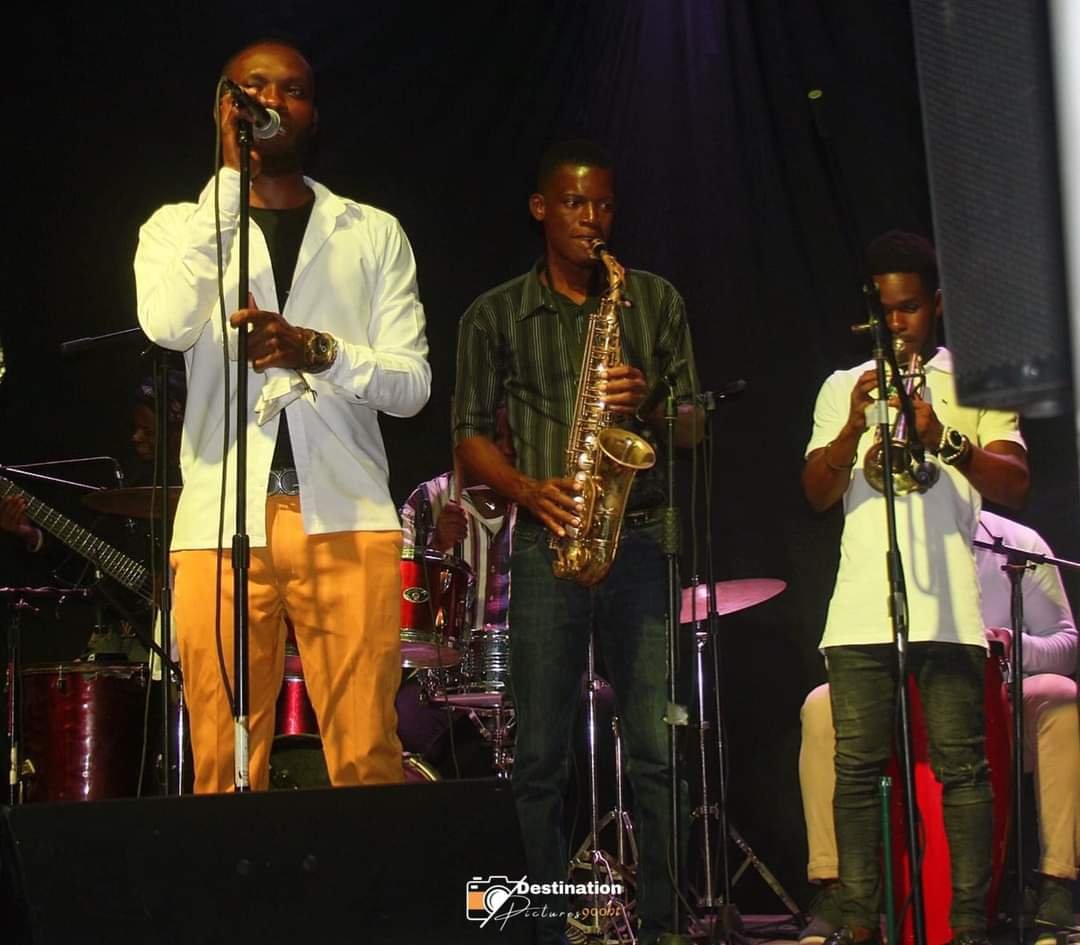
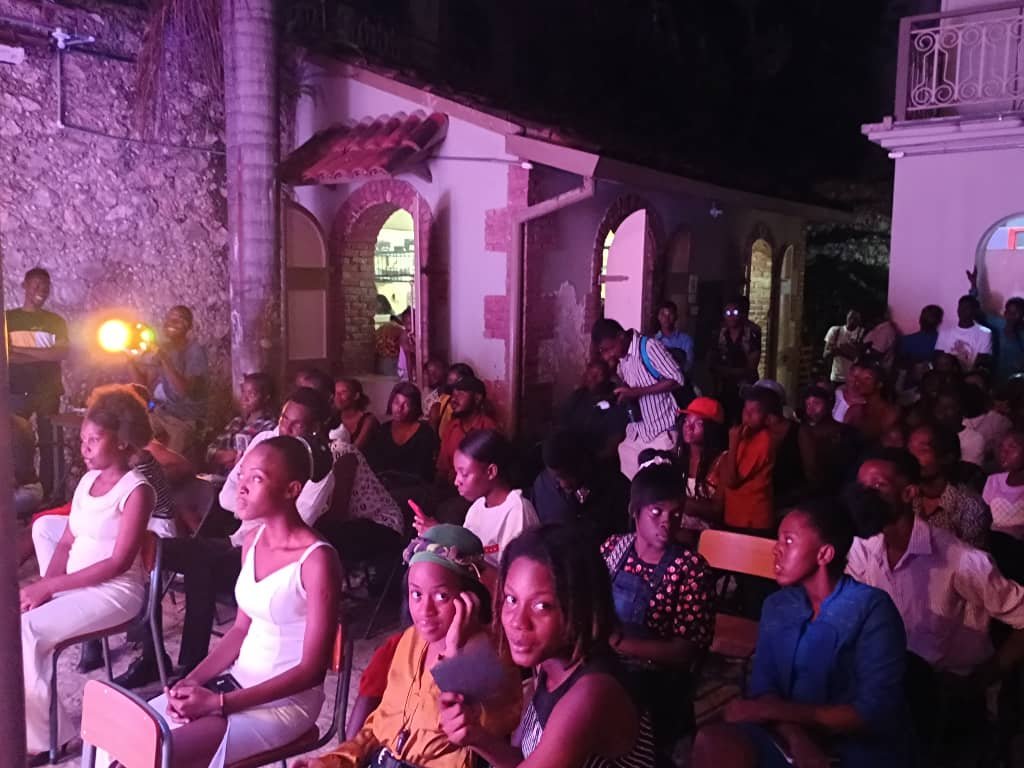
On March 23, 2024, in an atmosphere full of emotion and reflection, the Alliance française de Jacmel witnessed a unique cultural event of its kind. In collaboration with the Jacmel Jazz Festival, Plume en Quête presented a captivating show entitled “The Haitian woman is an asset”. Under the artistic direction of Jean Kenia, this captivating show drew on the provocative writings of the famous philosopher Simone de Beauvoir. Through striking artistic performances, the audience was transported on an introspective journey about the central role of women in Haitian society. The spectators, who came in large numbers to witness this event, were deeply touched by the evocative power of the show. “It was an incredible experience,” said one spectator. “This show captured the strength and resilience of Haitian women in a striking way.” Beyond its artistic aspect, this show also raised important questions about gender equality and women’s empowerment. By highlighting the essential contribution of Haitian women to society, he called for collective reflection on the need to promote social justice and gender equality. In short, this evening at the Alliance Française was much more than just entertainment: it was a vibrant testimony to the strength, resilience and beauty of Haitian women, as well as a call to action in favor of a fairer and more equitable future for all.

Haïti
Haïti
Haïti

An Unforgettable Feast: Flavors of Christmas

Christmas meals are one of the highlights of the celebrations. Tables are filled with traditional dishes that are the pride of Haitian gastronomy. Among the must-haves:
- Christmas ham: marinated and roasted, often served with spicy sauces.
- Djon djon rice: prepared with black mushrooms typical of Haitian cuisine.
- Griot: tasty bites of fried pork, accompanied by weighed bananas.
- Local sweets: such as pain patate or coconut candies, which bring a sweet touch to the meal.

All this is often accompanied by kremas, a sweet and creamy drink made with rum and coconut milk, which adds a festive touch to this special time.

Children at the Heart of the Holidays

Christmas in Haïti is a particularly joyful holiday for children. In addition to gifts, they participate in songs, dances and games organized in neighborhoods or schools. Families and communities do everything they can to ensure that children feel the magic of Christmas, even in modest conditions.

In churches and villages, plays or live scenes from the nativity scene are organized, allowing the youngest to immerse themselves in the Christmas story while having fun.

The Haitian Carnival: A Festival of Colors, Music and Traditions

The Haitian Carnival: A Festival of Colors, Music and Traditions

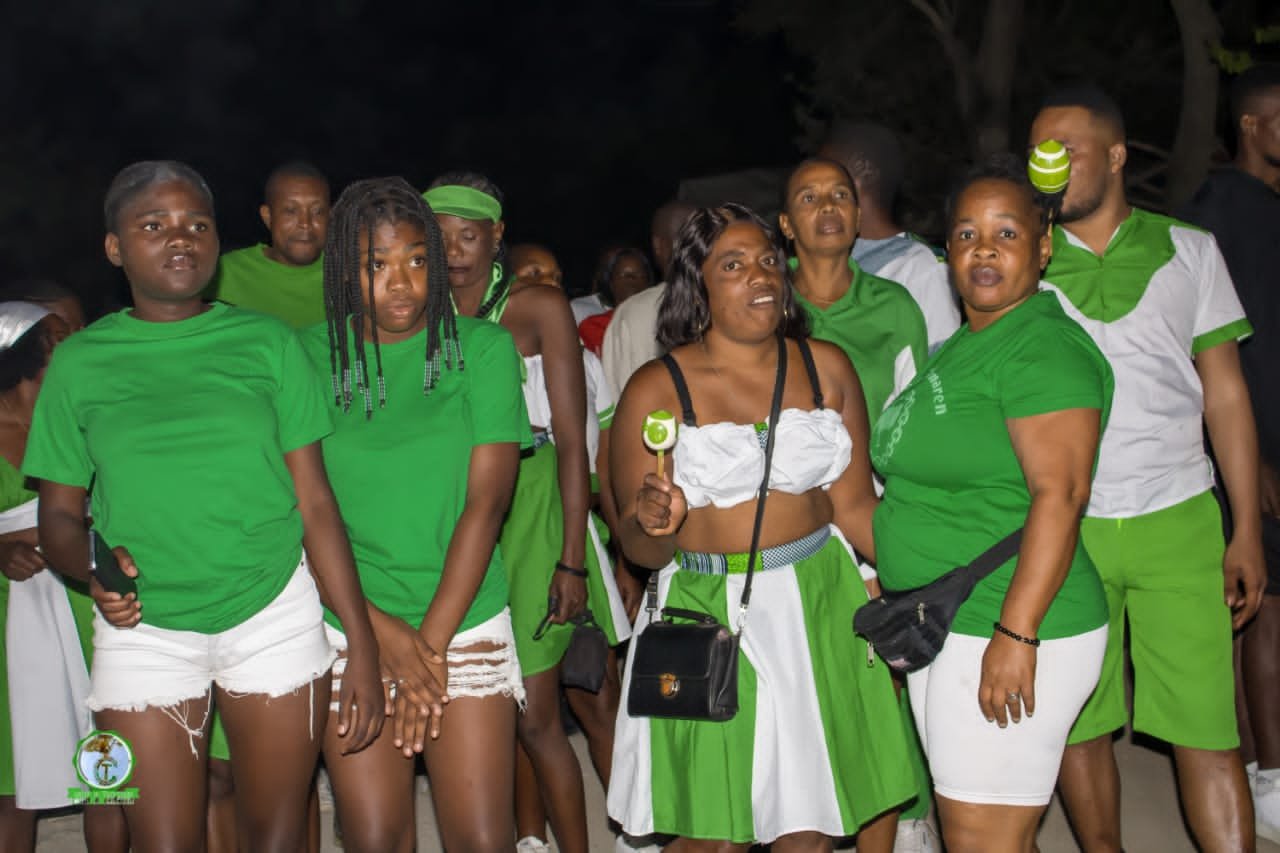
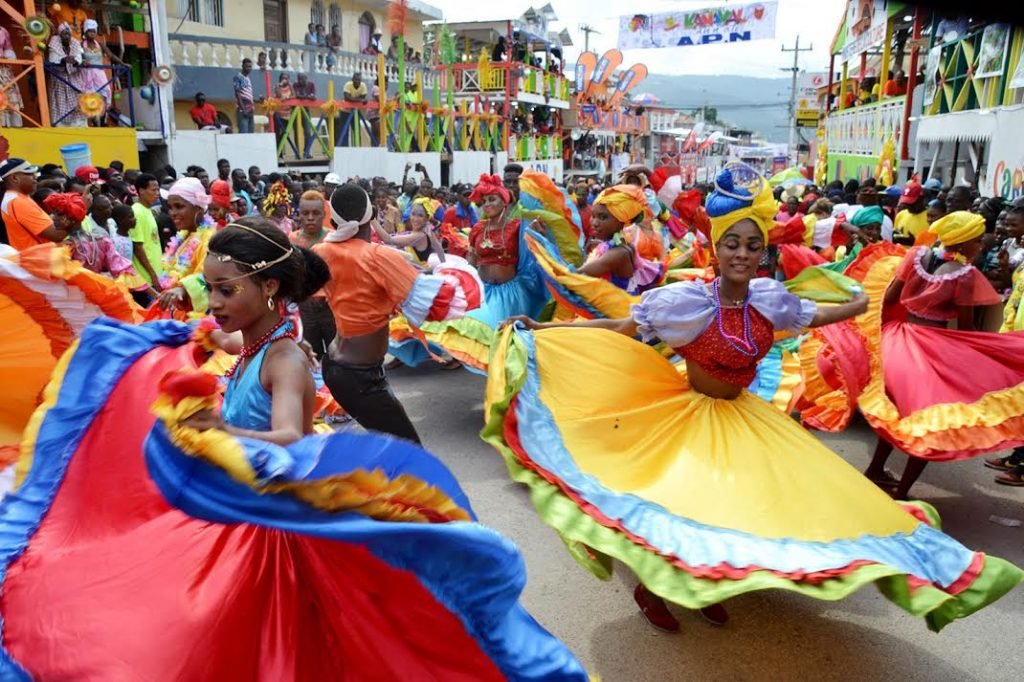
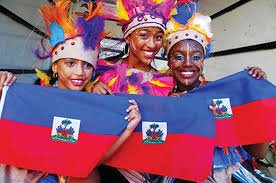
The Haitian carnival, an emblematic and essential celebration of the country’s festive calendar, is much more than a simple party. It embodies the very essence of Haitian culture, joyfully blending ancestral traditions, intoxicating music and a deep sense of community. Each year, this vibrant celebration transforms the streets into a vibrant and colorful spectacle, attracting thousands of participants and spectators eager to take part in this one-of-a-kind celebration. Haitian carnival has deep roots in the country’s history, dating back to colonial times. It has evolved over the centuries, incorporating elements of African, French and Creole culture to create a distinct and captivating celebration. The carnival period in Haïti traditionally begins in January and culminates with extravagant festivities that take place over several days. One of the most striking features of the Haitian carnival is the profusion of colors. Traditional costumes, called "masks", are elaborate and beautifully designed. They feature vivid patterns and vibrant decorations, creating a vivid picture of Haitian cultural identity. Participants, dressed in these elaborate costumes, parade through the streets to the sound of lively music, creating an electric atmosphere. Music is at the heart of the Haitian carnival. The captivating rhythms of compass, rasin, rara and other local musical genres resonate throughout the city, inviting people to dance to the rhythm of the party. Orchestras parade through the streets, accompanying the dancers and creating a unique symbiosis between the music and the graceful movements of the participants. The Haitian carnival parade is not just about the music and costumes; it also celebrates the richness of street arts. Talented artists create giant sculptures, art installations and theatrical performances that tell deep stories of Haitian history and culture. These artistic expressions contribute to the transmission of values ​​and stories that shape the identity of the Haitian people.

Haïti
Haïti
Haïti

The Spirit of Sharing and Solidarity

Beyond family celebrations, Christmas in Haïti is also a time of generosity. Haitians, even those who have little, willingly share what they have with their neighbors, friends and people in need. Communities organize collective meals, food or clothing distributions for those who need it most.

This spirit of solidarity is one of the distinctive marks of Christmas in Haiti, testifying to the human warmth and mutual aid that characterize the Haitian people.

Haïti
Haïti
Haïti

Experiencing the Spirit of Christmas in Haiti: A Unique Experience

Spending Christmas in Haïti means immersing yourself in a festive, spiritual and authentic atmosphere. It means discovering a unique blend of religious traditions, warm festivities and local gastronomy.

Whether you are Haitian or a visitor, celebrating Christmas in Haïti is an experience that will leave you with lasting memories, marked by the love, sharing and conviviality that reign during this very special period.

Share
About the Author
Appolon Guy Alain
Appolon Guy Alain
Appolon Guy Alain

Full Stack Developer, Créatif, expérimenté, passionné des nouvelles technologies et de l’art.

See other articles from Appolon Guy Alain
Leave a comment

Recently Posted

Haiti, dream space.

Between dream and Haitian reality: A call for unity and action Many men have dreamed big for Haiti. Toussaint Louverture and Jean Jacques Dessalines are examples. Although torn apart by invisible hands, the social fabric of the country had always been considered the greatest project to be set in motion by men of letters. Until then, the history of Haïti remains and remains for Haitians the most appropriate space to dream and propose full and complete freedom. Indeed, Toussaint Louverture had the dream of improving the lot of slaves. Dessalines, for his part, sacrificed himself for the independence of our island (Haiti-Saint-Domingue). After our liberation from the French, men of letters had to take other paths to safeguard the dignity of the country. This situation showed another form of revolution like poets of the patriotism school with supporters such as: Louis Joseph Janvier, Anténor Firmin, Demesvar Délorme and the Generation of the Round with Fernand Hibbert, Georges Sylvain also the indigenous school with Jean Price Mars, Jacques Stephen Alexis, Roussan Camille etc... who express their discontent by pouring ink. By describing or painting the situation of the country. Several years which were first conceived and then born the idea of ​​giving the country its sovereignty, its own bicolor, its army, etc. it was not easy and did not continue like this. Haïti needs for the moment men of dreams, men who love their countries, but not the wealth of this country, men who love the happiness of their country, but not its misfortunes, men who have viable projects , but are not specialists in carnage who are only interested in their pockets, rather for the happiness of our two-tone, men who must fight against corruption, against waste, against the invisible hands of foreigners, against this form of public administration which targets only a small group of people in the country to the detriment of the population, this form of insecurity planned by the state, the so-called bourgeoisies, economic powers from abroad such as: France, USA, Canada, Brazil. q~Haïti in 1979 with full power. Maître Fevry is said to have declared: The dream of Haïti cannot support, nor accept improvised solutions ~q. The Haitian’s dream must always be a team effort. A team of men of skill, vision, good will, reflection and meditation. q~ Men who can place their personal and private interests over public interests. Men who want to make a new start to achieve the dream of Jean Jacques Dessalines and that of Henri Christophe who aimed that Haitians will not envy any other country in the world so that all Haitians can be happy in their own country, chanted Professor Lesly Saint Roc Manigat.~q Our dear Haiti, which was once the pearl of the Antilles, is no longer present today. For this we ask all Haitians: children, young people, adults and old people, let us unite our arms, our strength, our voices and all that we could do to liberate our dear homeland Haïti Chérie. Let’s change our reality together! Long live Haiti, long live freedom for the whole world.

Newsletter

Subscribe to our newsletter to stay informed of all our activities and news on Haiti.

Haïti / Fort Saint-Joseph: Historical Vestige of the Resistance

Located in the Bay of Cap-Haitien, Fort Saint-Joseph stands like a silent guardian of Haiti’s tumultuous history. Built in two stages, in 1748 and 1774, this defensive work was once a crucial element of the city’s protection system against French colonial assaults. Alongside other forts such as Picolet and Magny, its mission was to control maritime passages and defend Haitian sovereignty. However, its history is not limited to its defensive function. In 1802, then under the control of General Henry Christophe, the fort became the scene of a heroic act of resistance. Faced with the French expeditionary army, Christophe ordered the destruction of the powder magazine and the entrance gate to the fort, thus rendering it temporarily unusable. This courageous gesture, although tactical, left indelible scars on the very structure of the fort, testifying to the fierce clashes between French colonial forces and Haitian resistance fighters. These historic marks, still visible today, offer a window into the country’s tumultuous past. They allow visitors and historians to interpret the fierce struggles that forged Haitian identity. Fort Saint-Joseph, as a witness to the resistance and the struggle for freedom, embodies the indomitable spirit of the Haitian people. Recognizing its historical significance, the Haitian government officially classified Fort Saint-Joseph as national heritage in 1995. This recognition paved the way for restoration efforts aimed at preserving this precious vestige of Haitian military heritage. Thanks to collaboration between the public sector and local private funding, the fort has recently been restored and enhanced. Thus, Fort Saint-Joseph remains much more than a simple stone structure. It is a living symbol of the resilience and determination of the Haitian people, reminding all visitors that Haiti’s history is deeply rooted in the struggle for freedom and human dignity. To virtually discover this jewel of Haitian history, you can visit the following link: https://haitiwonderland.com/haiti-virtual-reality-ht/monuments-histoire/haiti--fort-saint-joseph--visite- virtual/11
Recently Posted

History

History

First black nation to free itself from slavery and gain independence from France in 1804 and influenced other liberation movements around the world, inspiring struggles for freedom and equality.

Natural beauty

Natural beauty

Haïti is blessed with spectacular natural landscapes, including white sand beaches, mountains and rich biodiversity.

Heritage

Heritage

Haïti has a rich historical heritage, including sites like the Citadelle Laferrière and the Sans-Souci Palace, listed as UNESCO World Heritage Sites.

Culture

Culture

Haïti has a rich and diverse culture, influenced by African, European and indigenous elements. Haitian music, dance, art and cuisine are celebrated around the world.

  • +
    • Post