contact@haitiwonderland.com+509 36184317

Discover

Shopping Cart

December 24 and 31: Two Important Dates for Children During Christmas in Haiti

December 24 and 31: Two Important Dates for Children During Christmas in Haiti

In Haiti, Christmas is a magical time for children, where traditions and festivities blend to create unforgettable memories. Two dates, in particular, mark this season: December 24, Christmas Eve, and December 31, which heralds the New Year. These moments are rich in activities and emotions, putting the youngest at the heart of the celebrations. This article explores why these two days are so special for children in Haiti.

Haïti
Haïti
Haïti

December 24: The Magic of Christmas Eve

December 24 is a day of excitement for Haitian children. From the morning, the atmosphere is filled with excitement. Families prepare for Christmas Eve, and youngsters actively participate in the preparations, whether by helping to decorate the house or getting involved in the kitchen.

A popular tradition is to decorate a Christmas tree. Although artificial trees are common, some families improvise with local branches, decorated with garlands, lights, and small homemade objects. Children love to contribute to this activity, which symbolizes the beginning of the festivities.

The evening is marked by family gatherings. Children, dressed in their finest clothes, often attend midnight mass with their parents. This religious ceremony, filled with Christmas carols in Creole and biblical stories, is a solemn moment when families come together to celebrate the birth of Jesus Christ.

After mass, families return home to share a festive meal. Although children are often tired, they stay awake to taste traditional dishes and hope to receive their gifts. These, although modest, are often toys, clothes or sweets, bringing immense joy to the youngest.

December 31: A Vigil of Hope for Children

December 31, the last night of the year, is another key date for Haitian children. Unlike December 24, this day is focused on hope and the celebration of what is to come.

Preparations for New Year’s Eve begin early in the day. Children often help clean the house, as it is important to start the new year in a clean and orderly environment. This task, although sometimes seen as a chore, is also an opportunity for families to work together and transmit values ​​of order and discipline.

In the evening, the festivities begin with a large family dinner. Children particularly enjoy this evening, as it is synonymous with laughter, songs and sometimes games. At midnight, families gather to exchange greetings and wish each other a happy new year. Children participate in this moment of collective joy, often with fireworks or firecrackers, which light up the sky and add a festive touch.

In some regions, it is also common for children to receive New Year’s gifts from their loved ones, in the form of small sums of money or symbolic gifts. These gestures reinforce the spirit of generosity and sharing specific to this period.

A Period Rich in Learning and Values ​​

December 24 and 31 are not only festive dates for Haitian children; they are also moments of learning. Through traditions, prayers and family reunions, children discover the values ​​of sharing, gratitude and solidarity.

These days also allow them to better understand the importance of family and religious rituals, while creating precious memories that will accompany them throughout their lives. Whether decorating a tree, attending mass, or watching the fireworks, each moment is filled with magic and meaning.

Haitian rhythms: Exploring musical and dance traditions

Haitian rhythms: Exploring musical and dance traditions

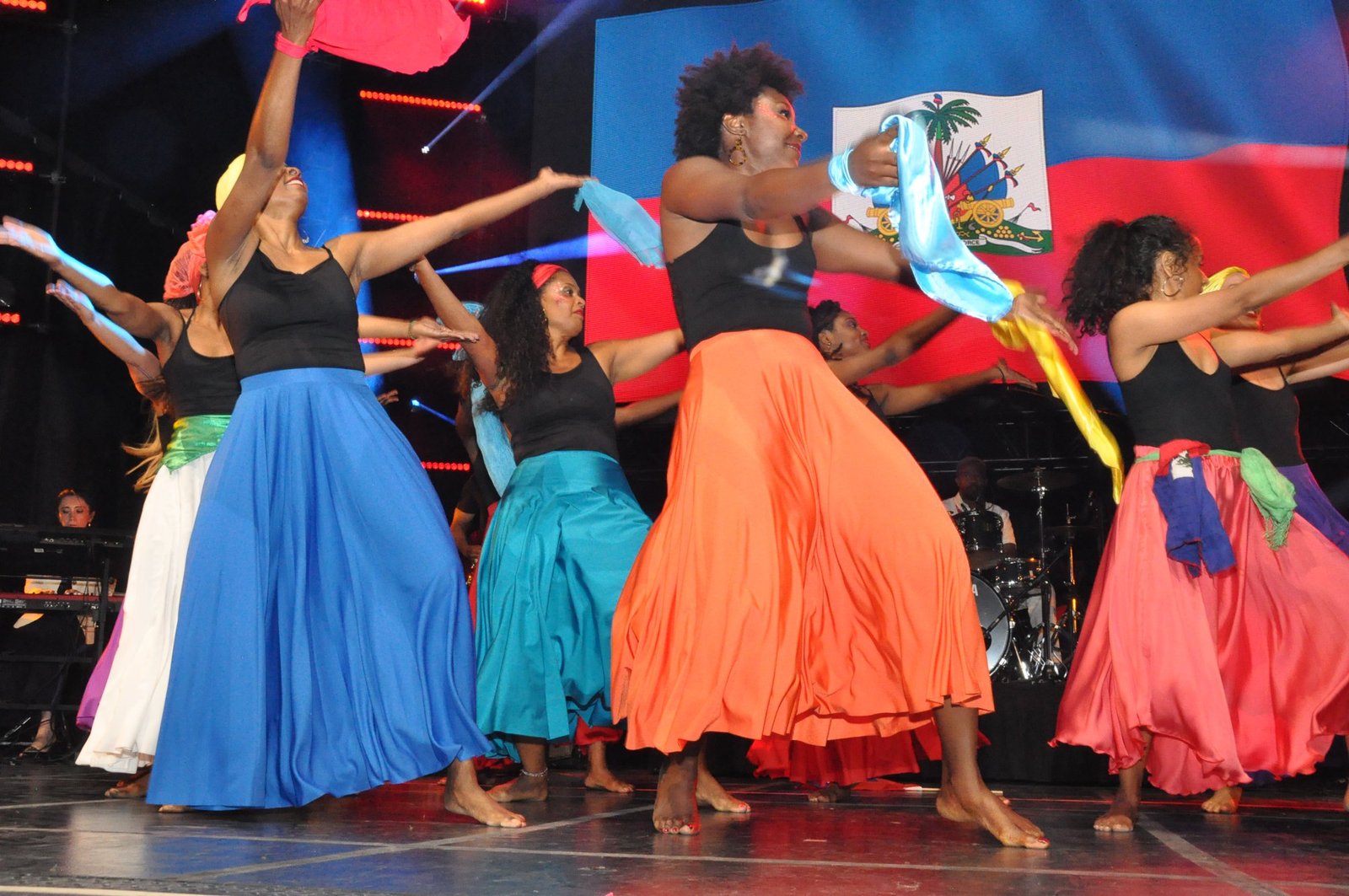
Haiti, a land rich in history and cultural diversity, offers a unique musical treasure through its captivating rhythms. Haitian music, deeply rooted in the fusion of different African, European and Caribbean influences, constitutes a vibrant expression of national identity. One of the distinctive elements of Haitian music is its rhythmic diversity, reflecting the many facets of daily life, from religious celebrations to moments of joy and sorrow. Haitian rhythms, carrying contagious energy, are a reflection of the soul of the Haitian people. One of Haiti’s most iconic musical genres is direct compas, which emerged in the 1950s. This catchy rhythm, coupled with captivating melodies, has captured hearts globally. The direct compass embodies the fusion of different musical styles, including jazz, merengue, and elements of traditional Haitian music. Haitian musical traditions are not limited to contemporary sounds. Vodou, an ancestral spiritual practice, also has a major influence on Haitian music. Vodou rhythms, often associated with religious ceremonies, create a deep connection between spirituality and artistic expression. Furthermore, dance is inseparable from Haitian music. The graceful and energetic movements of traditional dances like rasin, combined with captivating rhythms, transport dancers and spectators to a world where bodily expression becomes a living art form. Exploring the musical and dance traditions of Haïti is like diving into a universe where history, culture and spirituality are harmoniously woven together. These rhythms, passed down from generation to generation, are much more than simple notes; they embody the soul of a people and the richness of its diversity. Celebrating these traditions pays homage to Haiti’s exceptional cultural heritage and its invaluable contribution to the global music scene.

Haïti
Haïti
Haïti

A Unique Season for All Children

In Haiti, Christmas and New Year are times when children experience moments of pure happiness. Between the magic of December 24 and the excitement of December 31, they discover the spirit of the holidays through traditions that strengthen family ties and give them an optimistic vision of the future.

These two important dates remind us that Christmas in Haïti is much more than just a holiday: it is a celebration of love, faith, and hope, experienced through the eyes of children who are filled with wonder.

Share
About the Author
Appolon Guy Alain
Appolon Guy Alain
Appolon Guy Alain

Full Stack Developer, Créatif, expérimenté, passionné des nouvelles technologies et de l’art.

See other articles from Appolon Guy Alain
Leave a comment

Recently Posted

The Monferrier Dorval Chair of Constitutional Law, a gesture from the State University of Haiti, for the preservation of the memory of Professor Dorval

The Monferrier Dorval Chair of Constitutional Law is a high-intellectual-intensity initiative, taken by the State University of Haïti (UEH), through the leadership of its rectorate, in agreement with the leaders of the Faculty of Law and Economics (FDSE). The initiative’s primary goal is to honor and perpetuate the memory of the valiant and brilliant Professor Monferrier Dorval, assassinated in unclear circumstances, about three years ago. And in order to make a scientific contribution to the great debate that has been going on in Haitian society for about ten years about the need to change or not, the constitution of March 29, 1987, amended on May 11, 2011. Shouldn’t we try to apply it preferably? If it needs to be changed, should this change be radical, otherwise what should it have in terms of change within a new mother law for a better institutional organization of Haiti. The chair is scientifically chaired by Professor Henri Marge. Dorléans, (current head of AFPEC), and is vice-chaired by the dean of the faculty of law and economics, Me Eugène Pierre Louis. The Chair is materialized by a set of conferences and debates (15 in total), which take place in the premises of the Office of the Protection of the Citizen OPC, under the name of Wednesday of the Monferrier Dorval Chair. It is in this sense that for the fifth edition of the Wednesday of the chair (which took place this Wednesday, October 9, 2024 at the OPC, in the presence of the protector of the citizen, Me Renan Hédouville), attention was placed on education within the debate surrounding the possible development of a new constitution for Haiti. This 5th meeting took place under the theme of: "Education, Teaching, Research, Science and Technologies". The conference was hosted by three greats of the Haitian intellectual community, including two eminent professors of the UEH, namely, Professor Odonel Pierre Louis, academic director of the École normale supérieure (ENS); the vice rector of the UEH, Professor Jacques Blaise. Their interventions were followed by that of the director of the national institute of vocational training (INFP) Mr. Dikel Delvariste.

Haïti / Pot’iwa Pizza: A Culinary Odyssey

Since 2015, Pot’iwa Pizza has conquered the hearts and taste buds of the inhabitants of Port-au-Prince, the capital of Haiti. Founded by visionaries Jude Vaillant and Rock André, Pot’iwa Pizza has become a true gastronomic icon by offering a unique specialty: smoked herring pizza. This culinary creation has revived childhood nostalgia among many Haitians, marking the beginning of an exceptional culinary adventure. The very name of the company, "Pot’iwa", is a tribute to the Haitian regions where its founders were born. Jude Vaillant, originally from the "Iwa" region, and his accomplice Rock André, native of "Potino", have united their origins to create a company that harmoniously fuses tradition and innovation. Despite the socio-economic challenges that punctuate Haitian daily life, Pot’iwa Pizza is committed to constantly improving its services. This unwavering determination led to the opening of a second branch of the company, this time in the city of Cap-Haïtien, in the north of the country. The inhabitants of this region now have the privilege of tasting the famous herring pizza, previously reserved for the inhabitants of Port-au-Prince. Aware of the importance of protecting its culinary heritage, the company made a strategic decision by filing a patent in the United States to protect its specialty: herring pizza. Jude Vaillant, CEO of the company, shares his vision behind the choice of herring: "In Haiti, our childhood was rocked by a particular flavor, present in many traditional dishes. We decided to bring this flavor to an emblematic dish like pizza, to create a unique culinary experience." Pot’iwa Pizza embodies the passion, nostalgia and perseverance of Haitians for their traditional cuisine. It is a story of flavors and success that continues to seduce palates around the world. For those who want to taste this delicious herring pizza, go to Pot’iwa Pizza, located at 26 boulevard Cap-Haïtien, or contact them at +509-47-30-9090. And for fans residing in Miami, USA, Pot’iwa Pizza is also available at 12485 NE 6th CT, North Miami, FL 33161. To order, call 305-456-5152. Also explore the immersive experience of Pot’iwa Pizza through your smartphone or virtual reality headset, and dive into their mouth-watering menu by visiting the following link: https://haitiwonderland.com/haiti-virtual-reality-ht/ bar--restaurant/haiti--pot-iwa-pizza--virtual-tour/9.

Newsletter

Subscribe to our newsletter to stay informed of all our activities and news on Haiti.

Recently Posted

History

History

First black nation to free itself from slavery and gain independence from France in 1804 and influenced other liberation movements around the world, inspiring struggles for freedom and equality.

Natural beauty

Natural beauty

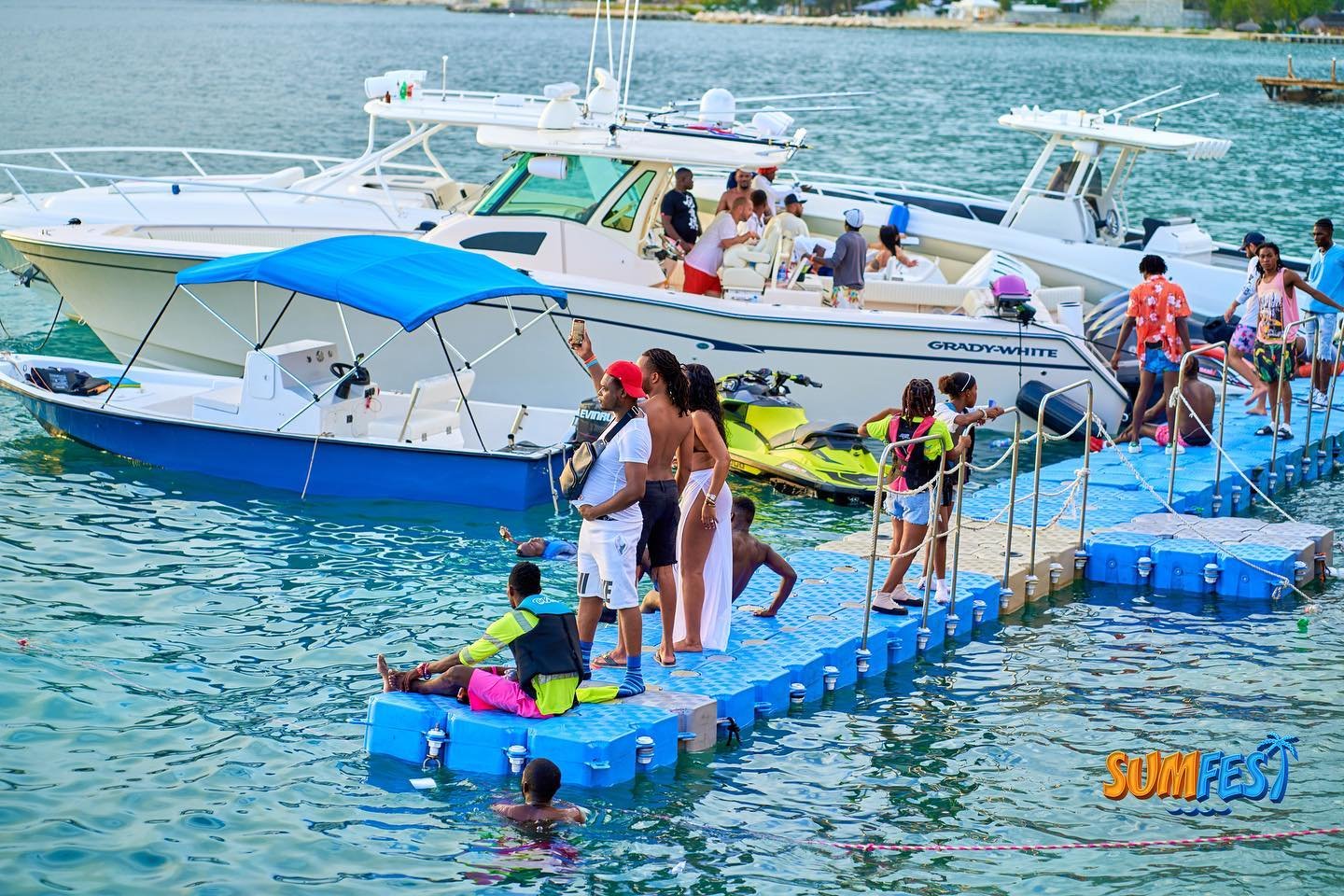
Haïti is blessed with spectacular natural landscapes, including white sand beaches, mountains and rich biodiversity.

Heritage

Heritage

Haïti has a rich historical heritage, including sites like the Citadelle Laferrière and the Sans-Souci Palace, listed as UNESCO World Heritage Sites.

Culture

Culture

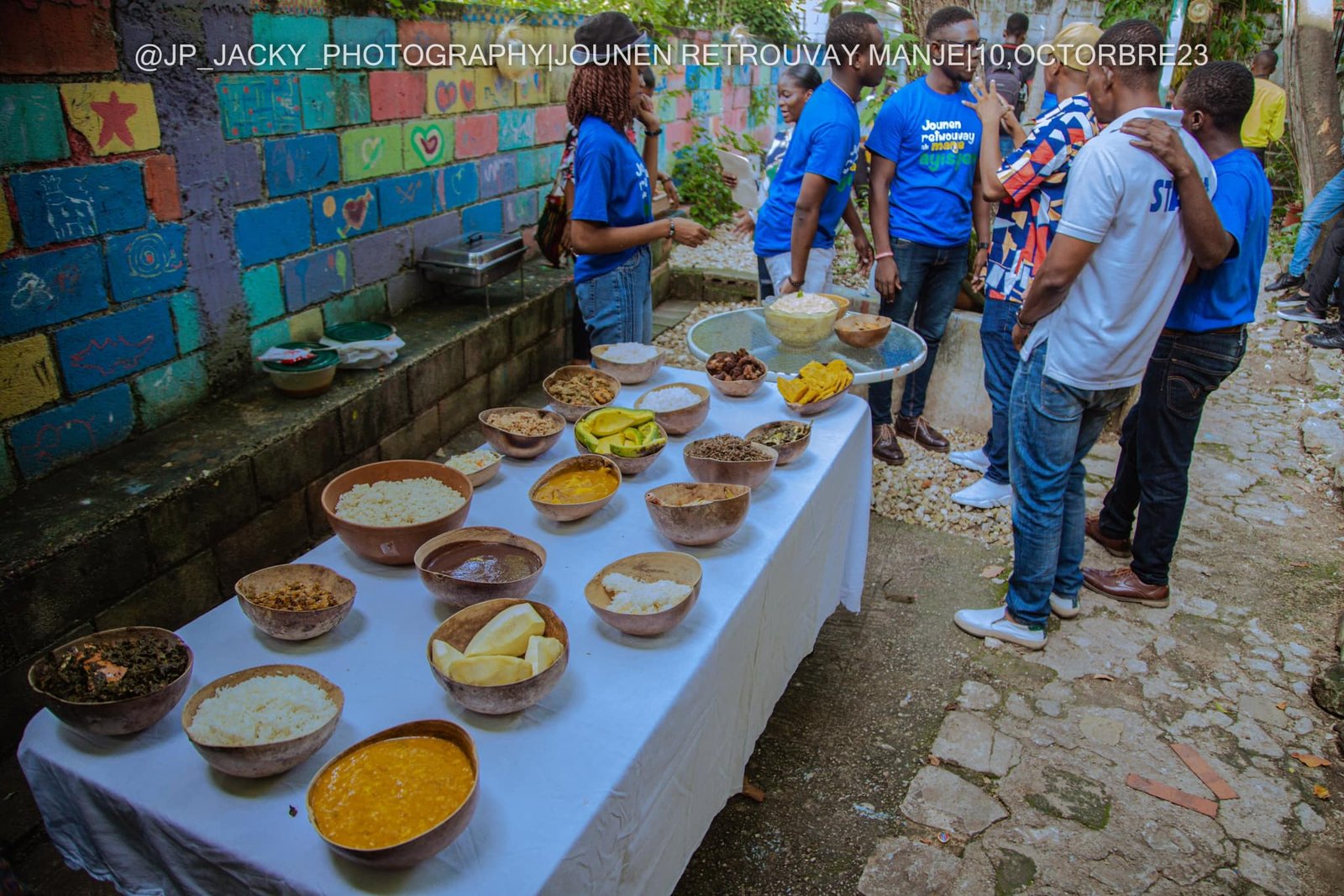
Haïti has a rich and diverse culture, influenced by African, European and indigenous elements. Haitian music, dance, art and cuisine are celebrated around the world.

  • +
    • Post