contact@haitiwonderland.com+509 36184317

Discover

Shopping Cart

What is the meaning of the word “Haiti”?
What is the meaning of the word  Haiti ?
What is the meaning of the word Haiti ?

What is the meaning of the word “Haiti”?

The word “Haiti” is deeply rooted in the history and culture of the island, representing much more than just a name. It symbolizes an identity, a heritage, and a unique geography. But what is the true meaning of this iconic word? Let’s explore its origins, history, and symbolic significance.

Taino Origin: Land of High Mountains

“Haiti” originates from the word “Ayiti,” which comes from the language of the Taino, the indigenous inhabitants of the island before the arrival of Europeans.

- Literal meaning: “Ayiti” means “land of high mountains.”
- Geographical reference: This name reflects the mountainous landscape that characterizes the island, with imposing ranges such as the Massif de la Selle, peaking at 2,680 meters above sea level, and the Massif du Nord.

For the Taíno, this term not only described the geography, but also the natural wealth and beauty of their land.

Post-independence revival

Before independence, the island was known by different names:
- Hispaniola: Given by Christopher Columbus in 1492, this name meant “Little Spain”.
- Santo Domingo: Used by the French to designate their colony.

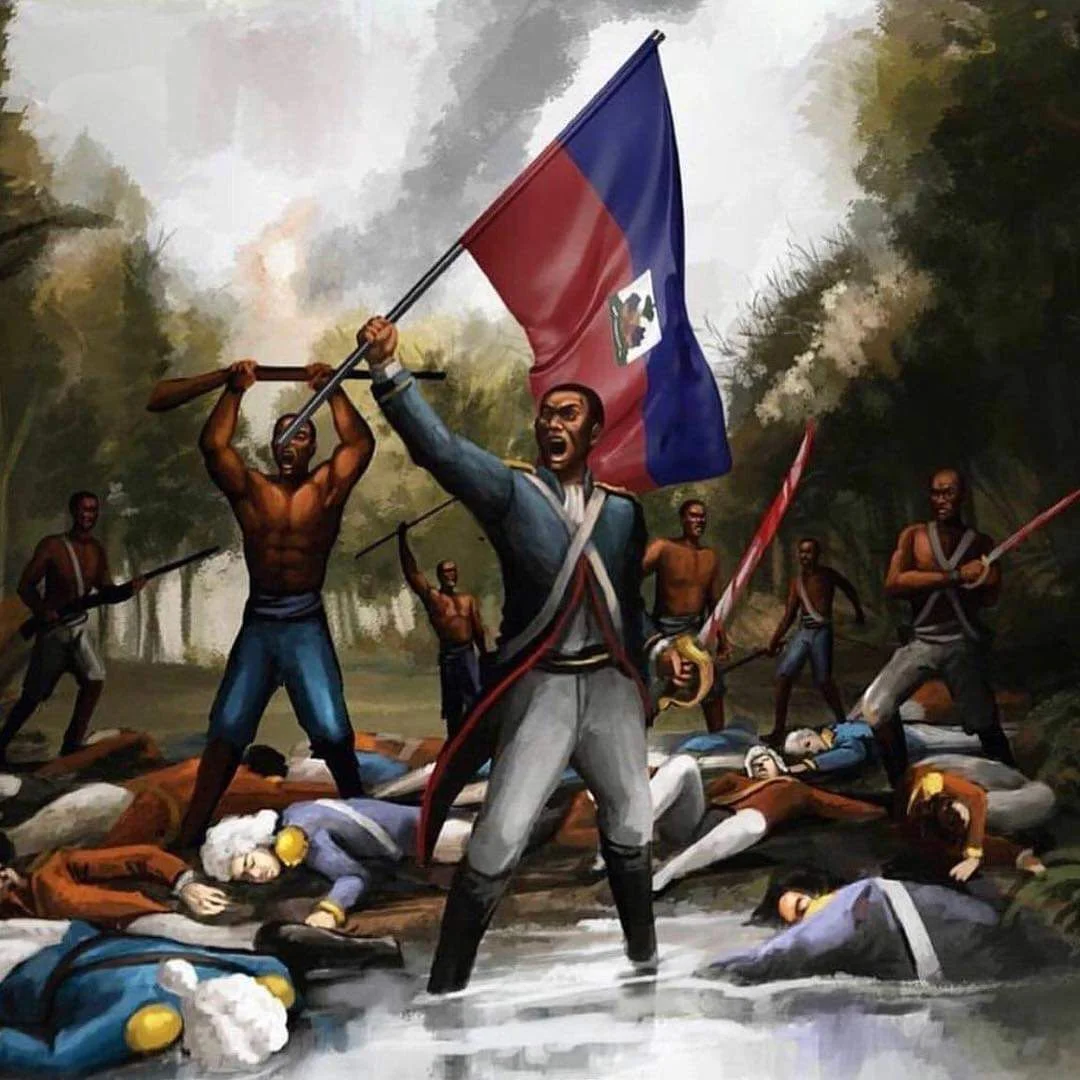
After the Haitian Revolution and the proclamation of independence in 1804, the founders of the country decided to give the island back its original name, “Haiti”.

- Back to the roots: This choice reflected a desire to break with the colonial past and honor the first inhabitants of the island.
- National identity: By adopting this name, Haïti affirmed its uniqueness and cultural pride.

A profound symbolism

Beyond its geographical meaning, the word "Haiti" embodies values ​​and aspirations that transcend the centuries.

- Strength and resilience: The mountains evoked in the name symbolize the Haitian people’s capacity for resistance in the face of adversity.
- Freedom: By becoming the first independent black republic in the world, Haïti gave new meaning to its name, becoming a beacon for liberation movements across the globe.
- Cultural pride: The name "Haiti" recalls the cultural richness of the country, with its traditions, its art and its contribution to world history.

A cultural and natural wealth

The name "Haiti" also reflects the natural and cultural treasures of the nation.

- Mountainous landscapes: With more than 60% of the territory composed of mountains, Haïti lives up to its name. These reliefs offer spectacular views and are home to unique biodiversity.
- Cultural Heritage: Beyond geography, “Haiti” symbolizes a rich culture, blending African, European and indigenous influences, visible in music, art, gastronomy and traditions.

This word is a key to understanding the soul of the country, where nature and culture intertwine harmoniously.

A Universal Heritage

In addition to being the name of a nation, “Haiti” has a universal resonance.

- A Symbol of Freedom: The first independent black republic, Haïti is a beacon of hope and resistance in world history.
- A Message of Resilience: Despite challenges, the name “Haiti” continues to inspire through its ability to overcome adversity.

This name, steeped in history, reminds us that freedom and dignity are values ​​worth fighting for.

The True Meaning of “Haiti”

Beyond its literal translation, “Haiti” represents the hope, pride, and memory of a people. It is a word loaded with emotion and symbolism, embodying both the natural beauty of the island and the depth of its history.

When you say “Haiti,” you evoke a land of mountains, struggles, and unparalleled cultural richness. It is a name that invites you to explore, understand, and celebrate.

And what does “Haiti” mean to you? Share your thoughts and discover even more about this fascinating nation!

Share
About the Author
Appolon Guy Alain
Appolon Guy Alain
Appolon Guy Alain

Full Stack Developer, Créatif, expérimenté, passionné des nouvelles technologies et de l’art.

See other articles from Appolon Guy Alain
Leave a comment

Recently Posted

Haiti: Is buying votes to be elected a form of corruption or political strategy?

The democratic political system requires the active participation of citizens in the management of the city. Everyone freely expresses their opinion for harmonious management of society. Generally the choices are made from the organization of free and honest elections. However, sometimes candidates use diverted means to achieve their ends. Can we consider this act as a form of corruption or a political strategy? In a democratic society, the organization of elections at regular intervals is an imperative. Managers are generally elected by the majority of voters, which ensures them a certain legitimacy within the framework of government management. Today, more and more, around the world, the elections are controlled by economic power. This sector gives a lot of silver to candidates who often buy the media services in order to have certain visibility through mass communication means (radio, VAT, Internet, etc.) and do without constraints Many very expensive trips, which require enormous capital. By the way, the possibility that a candidate with low financial means of being elected is increasingly reduced in Western societies. Despite everything, it is illegal to buy the votes of the voters. It is an act of corruption that should lead to criminal sanctions. No society can tolerate this practice which could hamper the degeneration of the democratic system and, consequently, of the electorate system. Civil society and human rights organizations must be vigilant in order to avoid these harmful drifts in the democratic system. In fact, the temptation to bribe the voters in order to access elective positions must be denounced as an act of corruption. In doing so, will lead to political dissenting between duty, and law, because citizens are called upon to freely choose the leaders of the city. Ultimately, the organization of the elections must be the fruit of consensus between the various groups of the social system. Managers must be chosen according to their ability to provide adequate answers to the problems of the company. They can still benefit from powerful financial means from other partners. But, giving voters directly money is a condemnable detective act which reduces the autonomy of action and thinking of voters. In this sense, the latter’s vote must reflect the desire to choose or build a fair, fair and favorable company.

Newsletter

Subscribe to our newsletter to stay informed of all our activities and news on Haiti.

Haiti: In the Kingdom of Legends: Le Colombier, Keeper of the Secrets of Belle-Anse

In the heart of the azure waters of the Caribbean Sea, stands majestically the Colombier, an imposing rock mass that defies time and the elements. Located off the picturesque coast of Belle-Anse in southeastern Haiti, the Colombier is more than just a geological formation; it is a symbol of the natural beauty and cultural heritage of the region. Dominating the marine horizon with its imposing silhouette, the Colombier is shrouded in mystery and legends passed down from generation to generation. According to local stories, this rock was formed by the sea gods themselves, testifying to their passage through these crystal clear waters. A legend which adds an aura of fascination to this already enchanting place. But beyond its mythical appearance, the Colombier also offers a breathtaking visual experience. Visitors who venture to this natural wonder are rewarded with breathtaking panoramas: steep cliffs plunging into turquoise waters, isolated coves hemmed with golden sand, and abundant marine flora that enlivens the seabed. Le Colombier is also a refuge for remarkable biodiversity. Its waters are home to a multitude of marine species, from colorful fish to spectacular corals and majestic sea turtles. Scuba diving and snorkeling enthusiasts will find a preserved paradise there, where nature reigns supreme and each immersion is a fascinating exploration. As a tourist spot, Le Colombier offers an unforgettable getaway for travelers looking for adventure and authentic discoveries. Boat excursions from Belle-Anse allow visitors to get up close and personal with this natural wonder, contemplate its spectacular shapes and let themselves be captivated by its captivating beauty. In short, the Colombier embodies the quintessence of Haiti’s natural beauty, a hidden treasure in the heart of the Caribbean Sea. Between its breathtaking landscapes, its cultural heritage rich in legends and its exceptional biodiversity, this maritime jewel fully deserves its reputation as an essential tourist destination. Come discover the Colombier and let yourself be carried away by the magic of this exceptional place.

Recently Posted

History

History

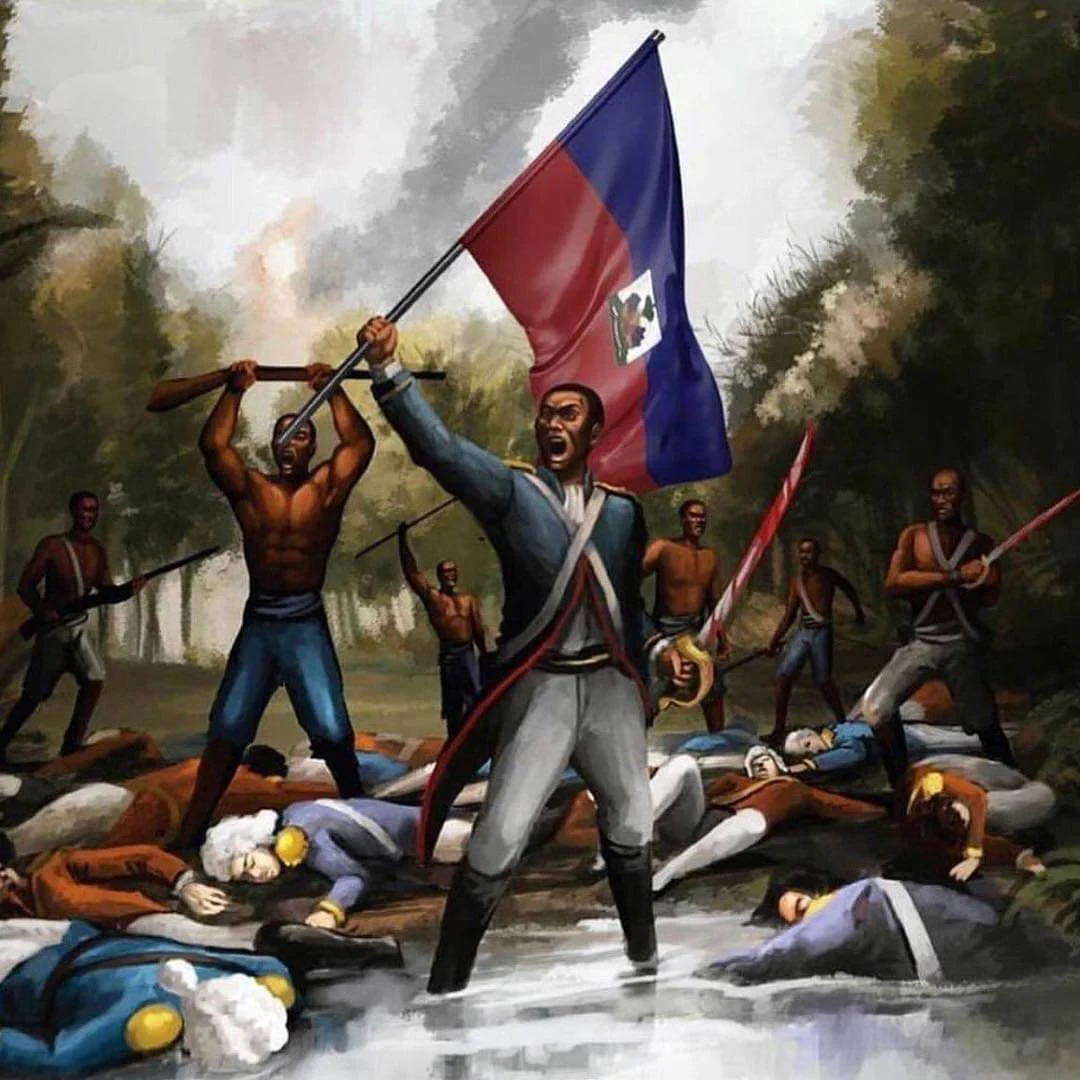
First black nation to free itself from slavery and gain independence from France in 1804 and influenced other liberation movements around the world, inspiring struggles for freedom and equality.

Natural beauty

Natural beauty

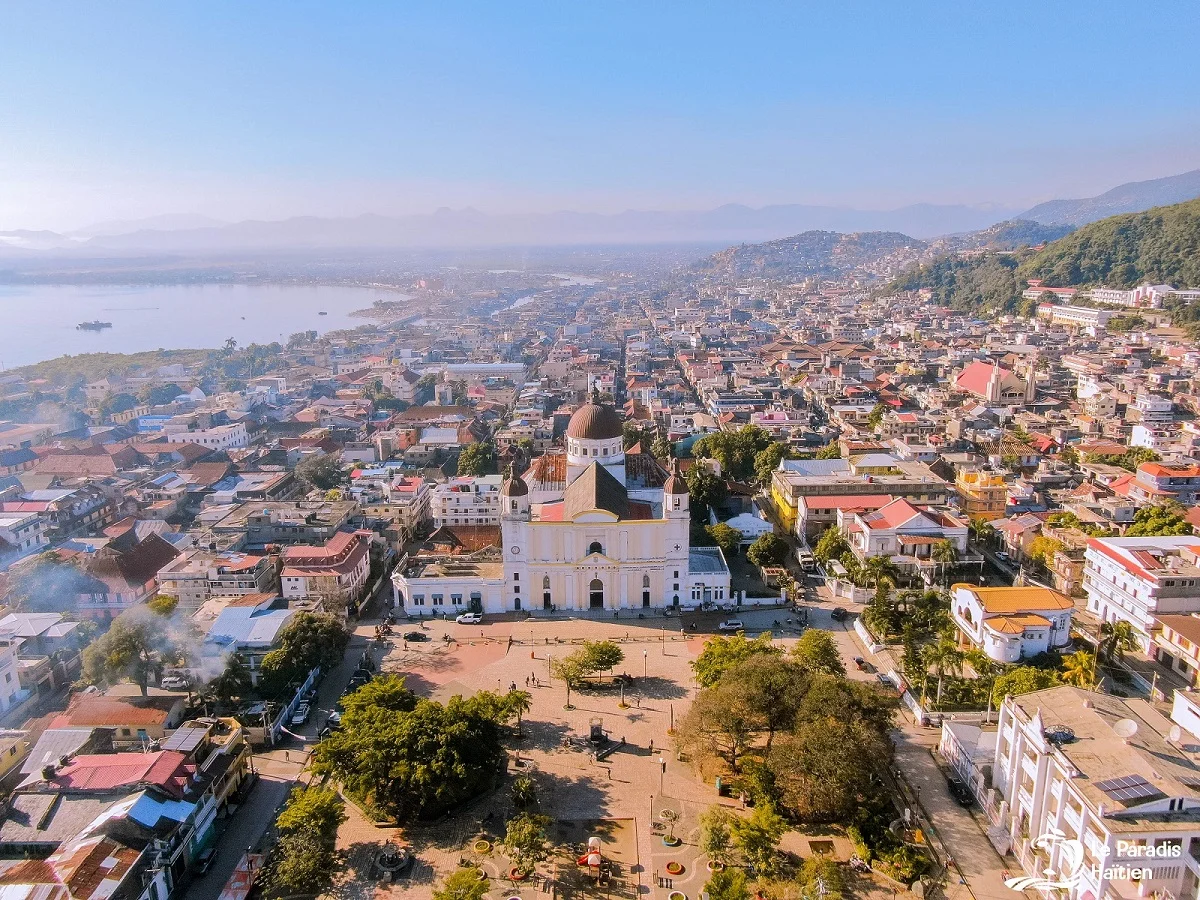
Haïti is blessed with spectacular natural landscapes, including white sand beaches, mountains and rich biodiversity.

Heritage

Heritage

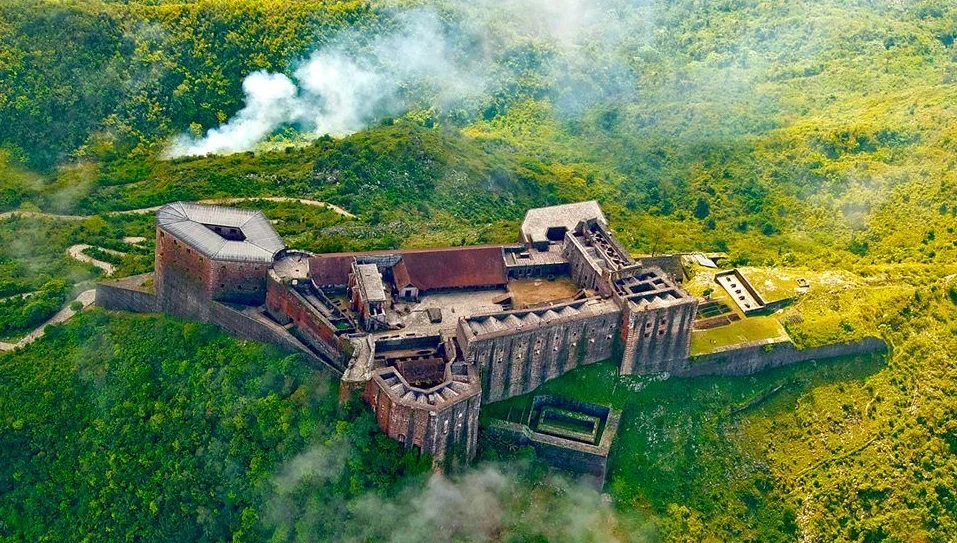
Haïti has a rich historical heritage, including sites like the Citadelle Laferrière and the Sans-Souci Palace, listed as UNESCO World Heritage Sites.

Culture

Culture

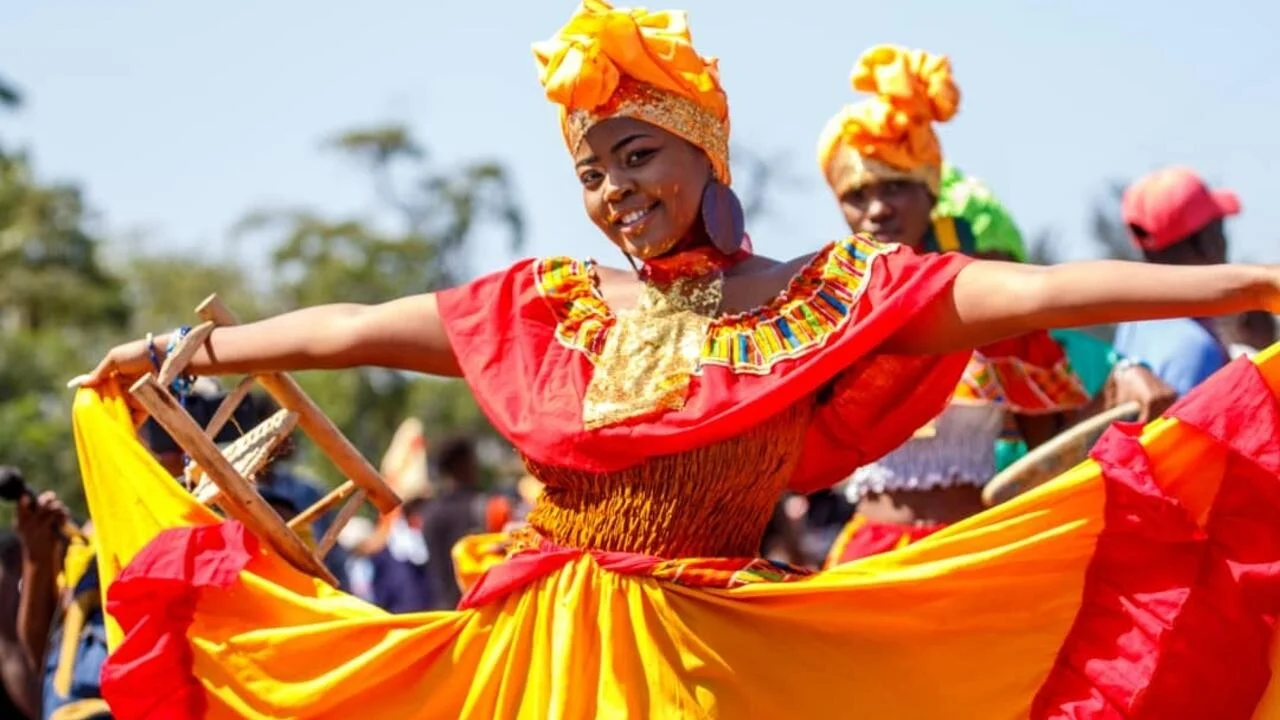
Haïti has a rich and diverse culture, influenced by African, European and indigenous elements. Haitian music, dance, art and cuisine are celebrated around the world.

  • +
    • Post