Few people know that Haiti, often celebrated for its beaches and rich history, is also home to the largest cave system in the Caribbean. These underground formations, scattered across the country, are natural and cultural treasures that bear witness to millions of years of geological evolution and human interactions. Let’s dive into this fascinating universe together.
A spectacular underground network
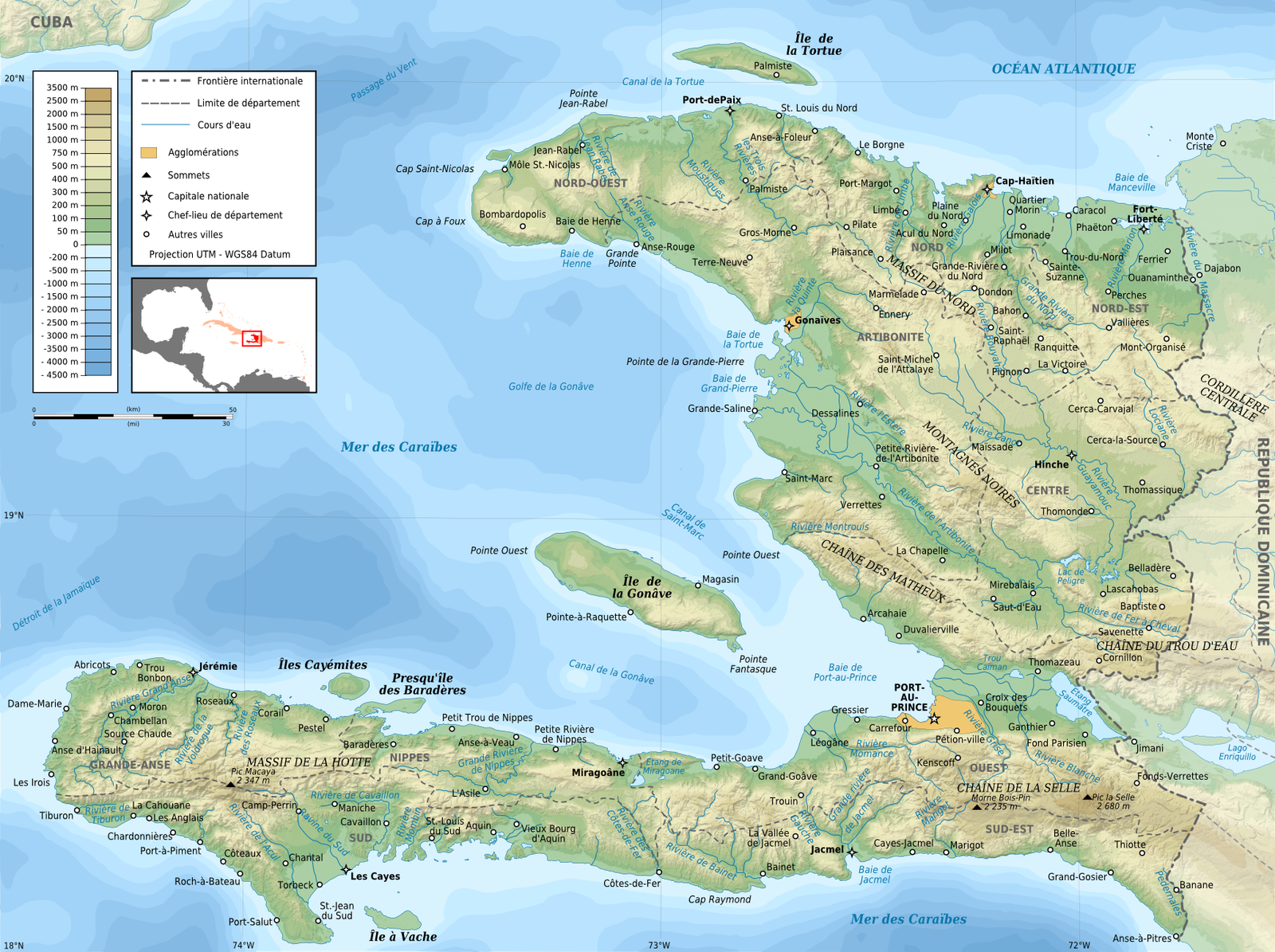
Haiti’s caves are a veritable natural labyrinth. Among the best known are the Marie-Jeanne cave in Port-à-Piment, the Saint-François cave in the North, and the Dondon caves. These cavities, sculpted by centuries of erosion, reveal stalactites, stalagmites and impressive limestone formations.
The Marie-Jeanne Cave, for example, is considered the longest explored cave in the Caribbean, with nearly 4 kilometers of mapped galleries. It offers a unique immersion in an underground world rich in biodiversity and mysteries.
A natural and cultural wealth
Haitian caves are not limited to their natural beauty; they also have an inestimable cultural value. The Taínos, the first inhabitants of the island, used these caves as refuges and sacred places. To this day, petroglyphs and other artifacts testify to their spiritual practices and their connection with nature.
These caves also served as refuges during the colonial period and revolutions, offering protection and discretion to resistance fighters.
A paradise for explorers
With its countless caves, Haïti is a destination of choice for speleology enthusiasts. The diversity of its caves, ranging from simple accessible cavities to complex and unexplored systems, attracts adventurers and researchers from all over the world.
The unique biodiversity of these caves is also remarkable: some are home to endemic species, such as bats and insects adapted to permanent darkness.
A sustainable tourism opportunity
Haiti’s cave system represents immense potential for the development of sustainable ecotourism. In 2021, local initiatives began to highlight these sites while raising awareness among visitors about their preservation. The Marie-Jeanne cave, for example, hosts guided tours that combine exploration and environmental education.
This type of tourism not only helps protect these natural treasures, but also generates income for local communities.
A heritage to protect
However, this natural heritage faces increasing threats, including deforestation, which disrupts the ecological balance of the caves, and unregulated human activities. Preserving these sites is crucial to ensure their survival and allow future generations to discover them.
As a nation proud of its riches, Haïti is increasing its efforts to protect these underground wonders through partnerships between scientists, local communities and international organizations.
An invitation to explore
Whether you are passionate about nature, history or adventure, Haiti’s cave system is an unforgettable experience. These cavities hidden beneath the surface offer a unique insight into the country’s geological and cultural diversity.
Have you ever explored Haiti’s caves? If so, share your thoughts in the comments. And if you haven’t yet, get ready to live an extraordinary adventure in the bowels of this fascinating country. Haïti and its underground wonders await you!