What does the name Haïti mean? History and context
The name “Haiti” is deeply rooted in the history, culture and identity of the nation. Carrying within it the legacy of the first inhabitants and the weight of the struggles for freedom, this word symbolizes much more than a simple territory. Let’s discover together the history and context surrounding this unique appellation.
Origin and etymology of the word Haiti
The word “Haiti” comes from the language of the Taino, the indigenous people who inhabited the island before the arrival of Europeans.
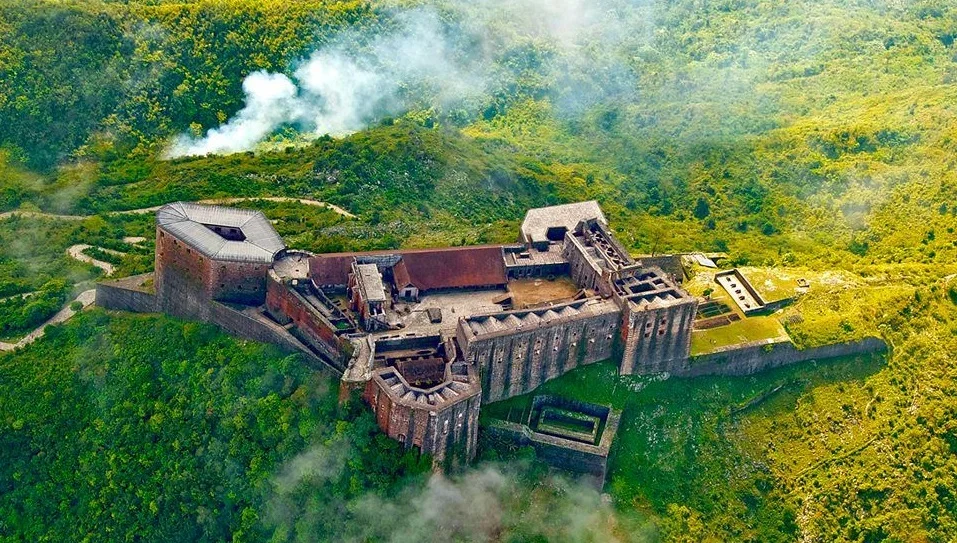
- Meaning in Taino: In the Taino language, “Ayiti” means “land of high mountains” or “mountainous country”.
- Geographic description: This term reflects the spectacular relief of the island, characterized by imposing mountains that dominate the landscape.
By choosing this name, the Tainos were highlighting the natural beauty of their land, where nature played a central role in their way of life.
A symbolic choice after independence
After the Haitian revolution and the proclamation of independence in 1804, the leaders of the new country decided to rename the former French colony of Saint-Domingue to “Haiti”.
- Back to the origins: This choice aimed to honor the Tainos, the first inhabitants of the island, and to break with the colonial past.
- An act of resistance: By adopting this name, Haïti affirmed its unique identity and its desire to free itself from European colonial influences.
Thus, “Haiti” has become a symbol of national pride and resilience in the face of historical oppression.
Haïti and its mountainous landscape
The name “Haiti” also finds its meaning in the country’s exceptional geography.
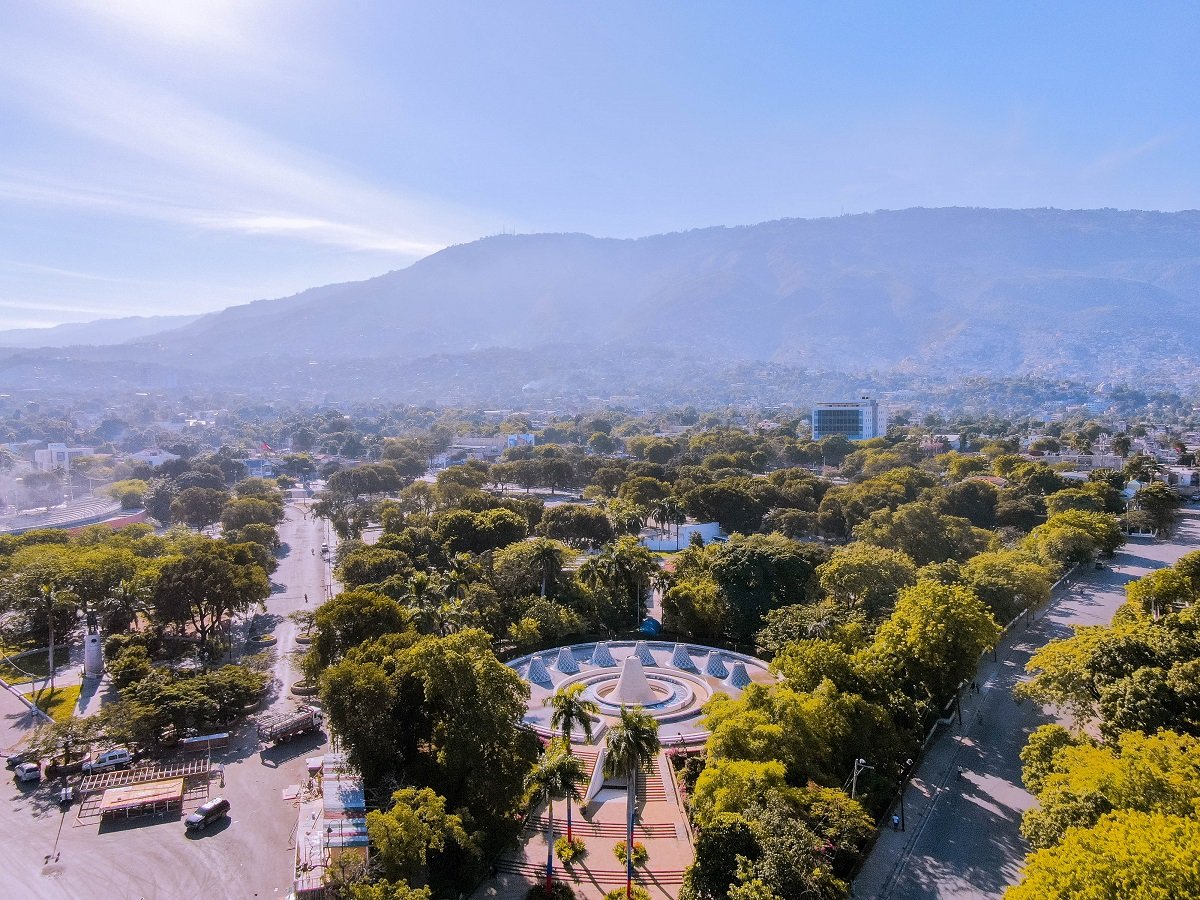
- A land of mountains: Haïti is made up of more than 60% mountains, including the famous Massifs de la Hotte, du Nord and de la Selle. These mountains are not only natural wonders, but also historical refuges during the Haitian Revolution.
- A natural paradise: This relief contributes to Haiti’s unique biodiversity, offering varied landscapes ranging from lush tropical forests to rugged peaks.
By celebrating the country’s mountainous character, the name “Haiti” reflects a true natural wealth.
A name carrying heritage and pride
“Haiti” is much more than a word: it is a constant reminder of the country’s glorious history and the struggle for independence.
- First independent black republic: In 1804, Haïti marked world history by becoming the first independent black republic, an example of resistance and courage.
- A name that carries memory: It also evokes the cultural richness and diversity of its inhabitants, descendants of the Tainos, Africans and European settlers.
This word has become an emblem of freedom, resilience and identity for Haitians and beyond.
Why is “Haiti” unique?
The choice of the name “Haiti” reflects universal values:
- Respect for origins: By honoring the first inhabitants, it highlights the importance of preserving cultural roots.
- Resilience: It testifies to the ability of the Haitian people to overcome adversity and build a strong and independent nation.
- Natural beauty: It highlights the country’s geographical and ecological assets, making Haïti a destination to discover and respect.
For Haitians, this word is a source of pride. It tells their past, present and future with power and authenticity.
A Meaning That Resonates Around the World
“Haiti” is more than just a geographic name. It is a testament to courage, a symbol of hope, and a reminder of the natural and cultural beauty of a unique country.
Learning the meaning and history behind the word will help you understand why Haïti is such a special place and why its people carry their heritage with pride.
What does the name “Haiti” inspire in you? Share your thoughts and learn more about this fascinating nation!