contact@haitiwonderland.com+509 36184317

Discover

Shopping Cart

What sea bathes Haiti?

What sea bathes Haiti?

Haiti, pearl of the Caribbean, is surrounded by turquoise waters that enrich its landscape and maritime culture. But what sea bathes this island country? Let’s discover together the sea that borders Haiti, its geographical importance and the activities it offers.

Read the article in :

French : Quelle mer baigne Haïti ?

Spanish : ¿Qué mar baña Haití?

Creole : Ki lanmè ki lave Ayiti?

Reference page : What sea bathes Haiti?

Other version : What sea bathes Haiti?

Haïti
Haïti
Haïti

The Caribbean Sea: A Jewel of Beauty for Haiti

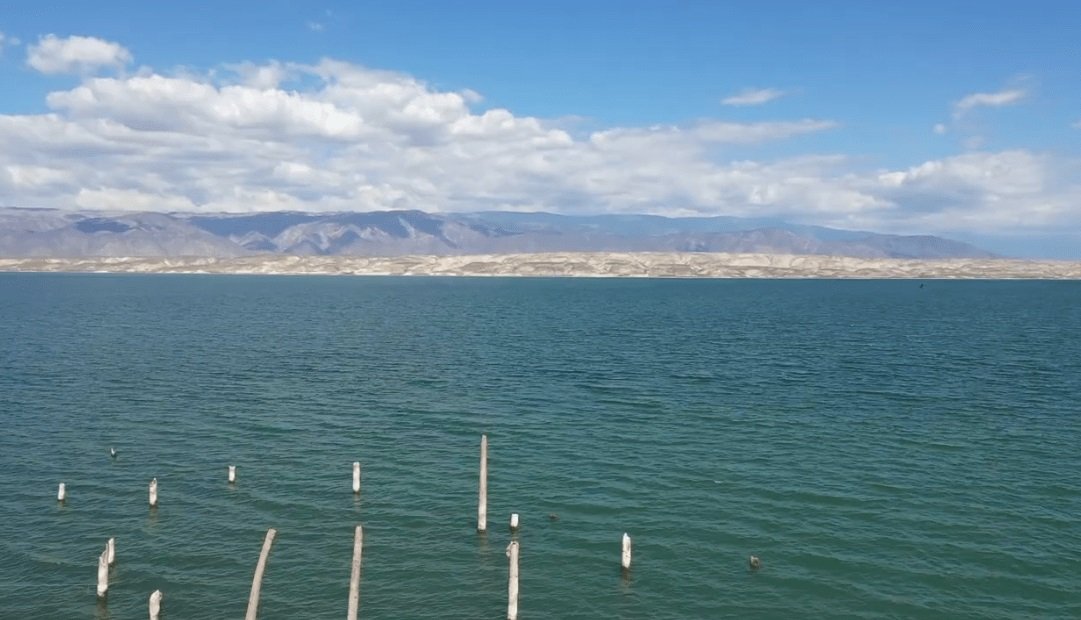
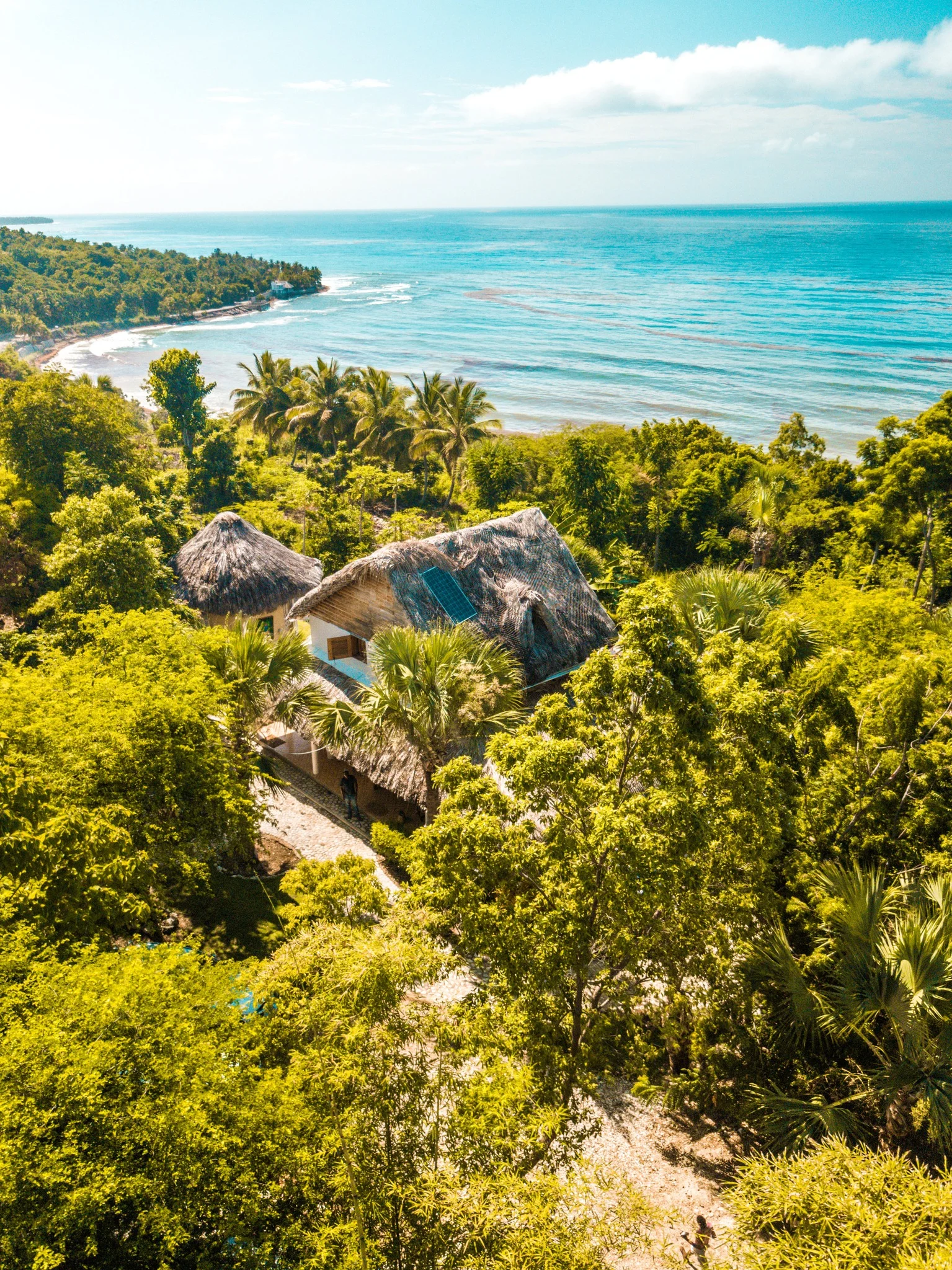
Haïti is bathed by the Caribbean Sea, one of the most beautiful sea basins in the world. Located in the south of the country, this tropical sea is part of the Atlantic Ocean and borders several Caribbean islands. It is famous for its warm waters, coral reefs and exceptional biodiversity.

Haïti
Haïti
Haïti

Rivers That Flow into the Caribbean Sea

Many rivers crossing Haïti flow into the Caribbean Sea, contributing to the maritime ecosystem. Among them:
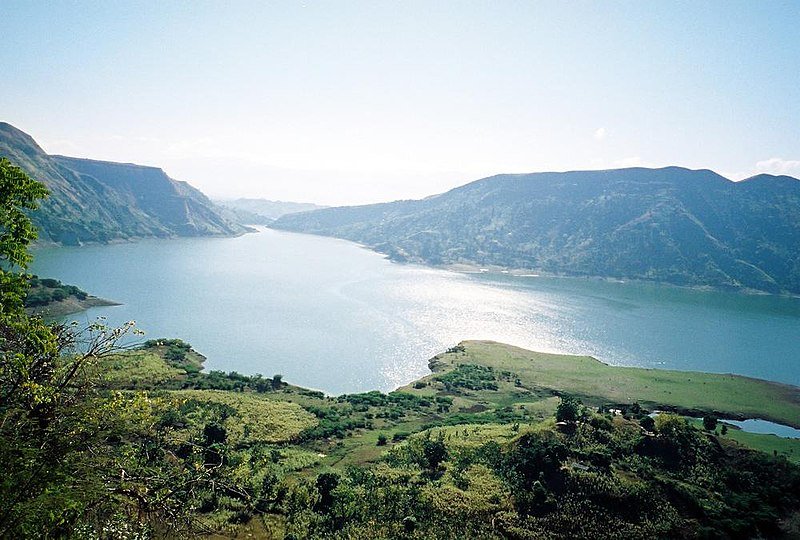
- The Artibonite River: The longest river in Haiti.
- The Momance River: Which irrigates several regions before reaching the sea.
- The Froide River: Known for its high flow.

These rivers carry essential nutrients for coral reefs and marine species.

Haïti
Haïti
Haïti

Haiti’s Bays and Coasts

Haïti has several bays and beaches that draw their charm from the Caribbean Sea:
- Port-au-Prince Bay: Located near the capital, it is a central point for maritime activities.
- Les Cayes Bay: Renowned for its breathtaking landscapes and white sand beaches.
- Jacmel: A popular destination for its picturesque seaside and cultural festivals.

A Sea Rich in Biodiversity

The Caribbean Sea is teeming with marine life. It is home to:
- Coral reefs, the lungs of the oceans, which protect the Haitian coasts.
- A diversity of tropical fish, sea turtles and marine mammals such as dolphins.
- Seabirds that nest in coastal areas.

This biodiversity makes the Caribbean Sea a precious space for ecology and the local economy.

Haïti
Haïti
Haïti

A Cultural and Economic Heritage

The Caribbean Sea plays an essential role in Haiti’s culture and economy:
- Fishing: A vital activity for coastal communities, providing fish and seafood to local markets.
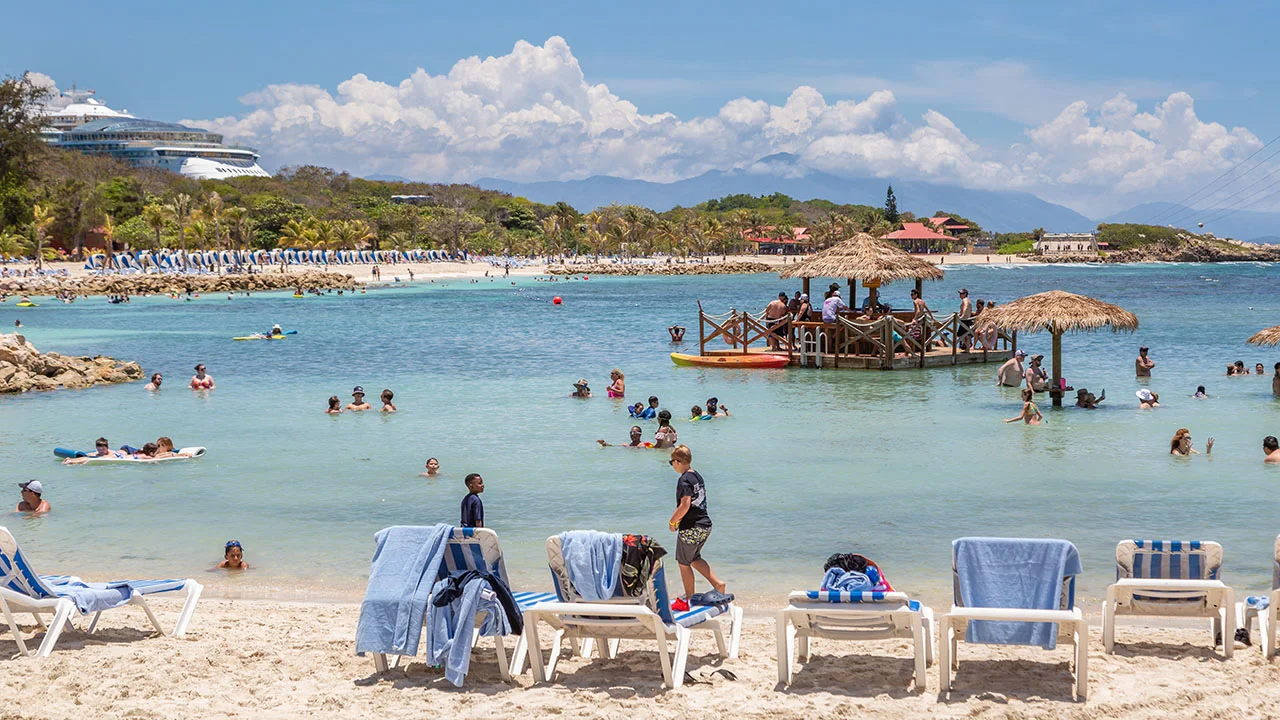
- Tourism: Haitian beaches, such as Labadie and Cormier Plage, attract visitors from all over the world.
- Maritime traditions: The sea is a source of inspiration for many Haitian songs, stories and celebrations.

Haïti
Haïti
Haïti

Water Activities in Haiti

The warm waters of the Caribbean Sea allow for various activities:
- Scuba diving: To explore coral reefs and historic wrecks.
- Sailing and kayaking: Ideal for enjoying the calm waves.
- Sport fishing: Practiced in several coastal regions.

The Caribbean Sea: A Treasure to Preserve

As in many regions of the world, the Caribbean Sea faces environmental challenges, such as:
- Marine pollution, particularly plastic waste.
- Overexploitation of fisheries resources.
- Global warming, which threatens coral reefs.

It is crucial to raise awareness among local populations and visitors about the importance of preserving this unique ecosystem.

Haïti
Haïti
Haïti

A Sea That Enchants and Connects

The Caribbean Sea, which bathes Haiti, is not just a body of water. It is a fundamental element of Haitian identity, offering economic opportunities, cultural pleasures and spectacular landscapes. Whether for its heavenly beaches or its ecological wealth, it is a source of inspiration and pride for Haitians and lovers of the Caribbean.

Share
About the Author
Appolon Guy Alain
Appolon Guy Alain
Appolon Guy Alain

Full Stack Developer, Créatif, expérimenté, passionné des nouvelles technologies et de l’art.

See other articles from Appolon Guy Alain
Leave a comment

Recently Posted

Newsletter

Subscribe to our newsletter to stay informed of all our activities and news on Haiti.

The Monferrier Dorval Chair of Constitutional Law, a gesture from the State University of Haiti, for the preservation of the memory of Professor Dorval

The Monferrier Dorval Chair of Constitutional Law is a high-intellectual-intensity initiative, taken by the State University of Haïti (UEH), through the leadership of its rectorate, in agreement with the leaders of the Faculty of Law and Economics (FDSE). The initiative’s primary goal is to honor and perpetuate the memory of the valiant and brilliant Professor Monferrier Dorval, assassinated in unclear circumstances, about three years ago. And in order to make a scientific contribution to the great debate that has been going on in Haitian society for about ten years about the need to change or not, the constitution of March 29, 1987, amended on May 11, 2011. Shouldn’t we try to apply it preferably? If it needs to be changed, should this change be radical, otherwise what should it have in terms of change within a new mother law for a better institutional organization of Haiti. The chair is scientifically chaired by Professor Henri Marge. Dorléans, (current head of AFPEC), and is vice-chaired by the dean of the faculty of law and economics, Me Eugène Pierre Louis. The Chair is materialized by a set of conferences and debates (15 in total), which take place in the premises of the Office of the Protection of the Citizen OPC, under the name of Wednesday of the Monferrier Dorval Chair. It is in this sense that for the fifth edition of the Wednesday of the chair (which took place this Wednesday, October 9, 2024 at the OPC, in the presence of the protector of the citizen, Me Renan Hédouville), attention was placed on education within the debate surrounding the possible development of a new constitution for Haiti. This 5th meeting took place under the theme of: "Education, Teaching, Research, Science and Technologies". The conference was hosted by three greats of the Haitian intellectual community, including two eminent professors of the UEH, namely, Professor Odonel Pierre Louis, academic director of the École normale supérieure (ENS); the vice rector of the UEH, Professor Jacques Blaise. Their interventions were followed by that of the director of the national institute of vocational training (INFP) Mr. Dikel Delvariste.

Haiti: The Rara season in Petit-Goâve: A celebration of life, unity and resilience

As the new season of Rara looms on the horizon, certain groups such as Saint Jacques Majeur, Ratyèfè, Florida Band, Lambi Grand, and Grap Kenèp are already preparing to light up the streets of Petit-Goâve with their flamboyant costumes and their captivating melodies. For these groups, the future looks bright, promising a season full of passion and success. However, other rara bands are still hesitant about which direction to take. Despite these uncertainties, optimism reigns regarding the success of this new season for all rara groups in the commune of Petit-Goâve. Rara, anchored in the Vodou tradition, is much more than a simple artistic manifestation. It embodies the very essence of Haitian culture, highlighting questions of memory, tradition and identity. This increasingly popular form of artistic expression attracts a large audience and arouses unprecedented enthusiasm. Groups like Ratyèfè, Grap Kenèp, Florida Band and Chenn Tamaren, recognized for their ability to delight their fans, play a crucial role in the continued growth of rara in the town. The rara season traditionally begins on Dead Thursday and ends on the night of Easter Sunday or quasimodo Monday. To mark the beginning of this sacred period, groups organize opening ceremonies, honoring the spirits of the deceased in rituals steeped in spirituality. These ceremonies, often held in cemeteries or in the "Bitasyons" of groups, symbolize the deep link between the rara and Vodou traditions.

Recently Posted

History

History

First black nation to free itself from slavery and gain independence from France in 1804 and influenced other liberation movements around the world, inspiring struggles for freedom and equality.

Natural beauty

Natural beauty

Haïti is blessed with spectacular natural landscapes, including white sand beaches, mountains and rich biodiversity.

Heritage

Heritage

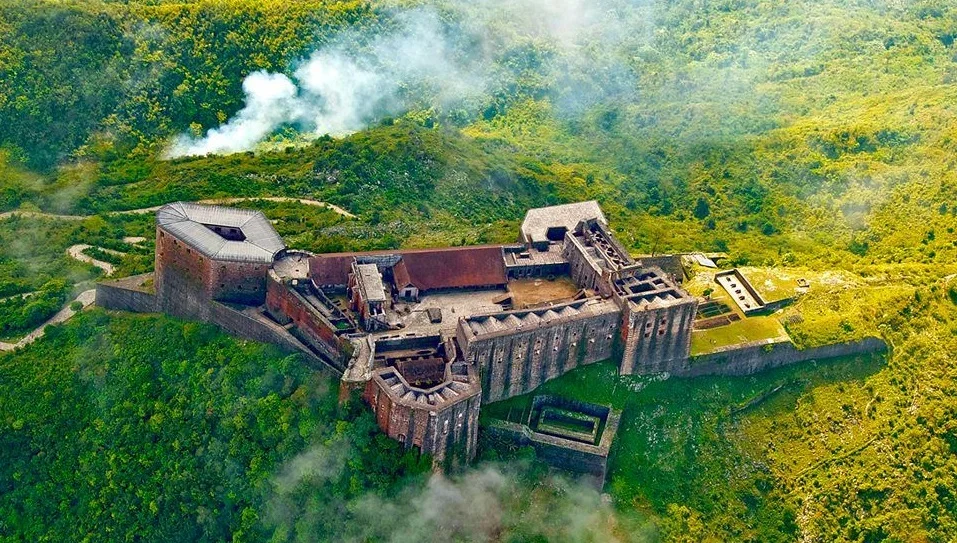
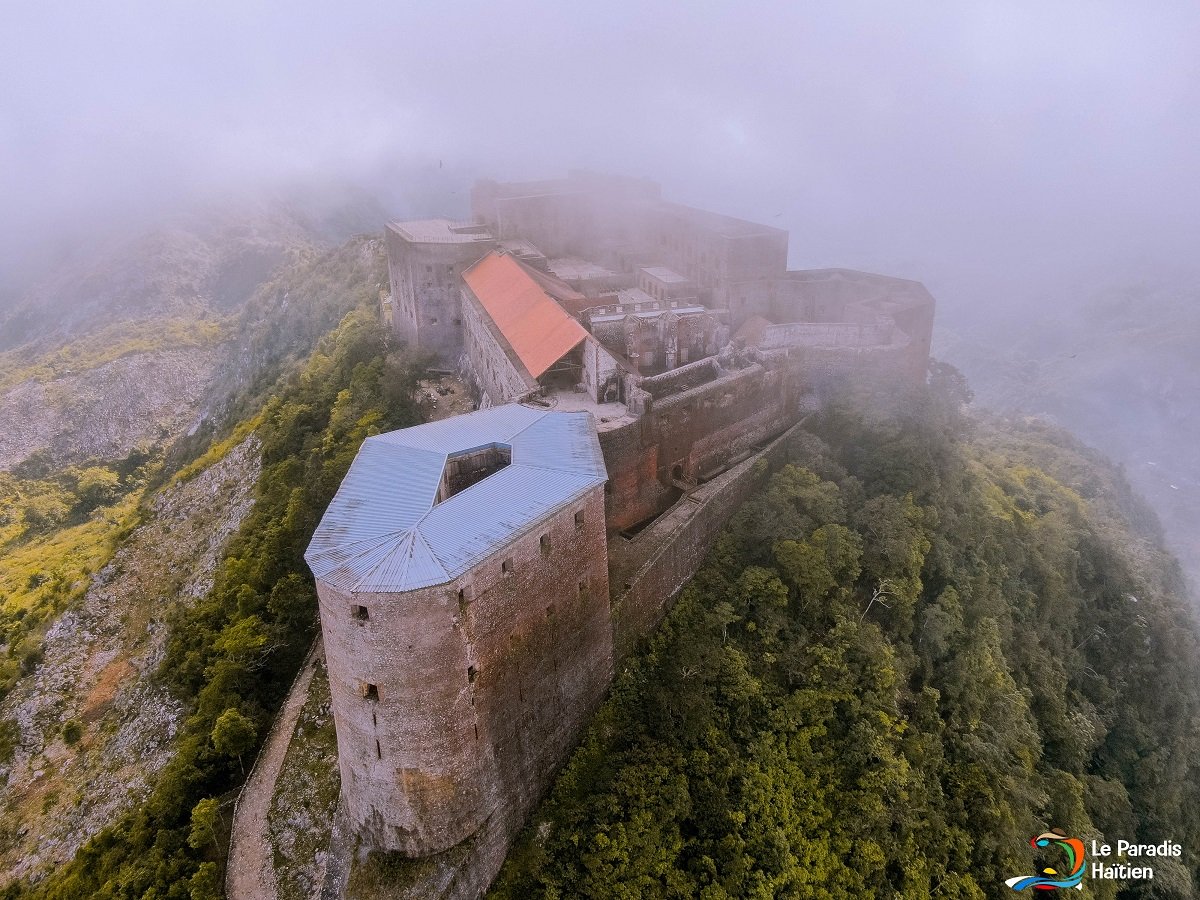
Haïti has a rich historical heritage, including sites like the Citadelle Laferrière and the Sans-Souci Palace, listed as UNESCO World Heritage Sites.

Culture

Culture

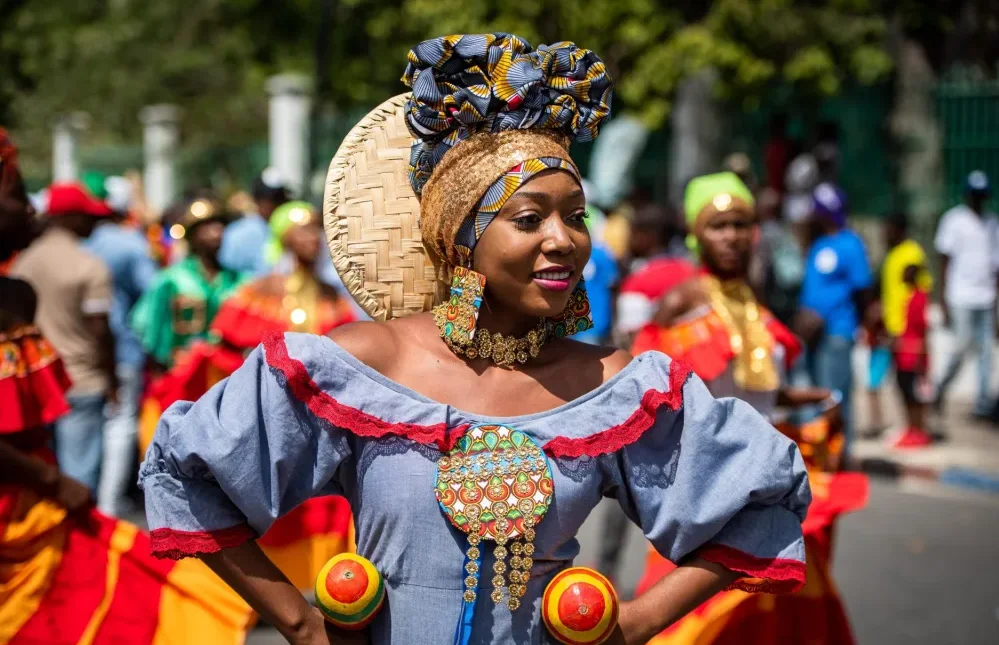
Haïti has a rich and diverse culture, influenced by African, European and indigenous elements. Haitian music, dance, art and cuisine are celebrated around the world.

  • +
    • Post