contact@haitiwonderland.com+509 36184317

Discover

Shopping Cart

What is the name of Haiti’s largest plateau?

What is the name of Haiti’s largest plateau?

Haiti’s largest plateau is the Central Plateau. This vast territory, located in the central region of the country, is an emblematic area of ​​Haiti’s environment, rich in natural resources, history, and agricultural potential. In this article, we will explore the characteristics of this plateau that make it an essential region for understanding Haiti.

Impressive Geography

The Central Plateau in Haïti is a vast region located mainly in the Centre department. It is characterized by an interior plain surrounded by mountains, notably the Matheux Range to the west and the Trou d’Eau Range to the east.

Crossed by several rivers, including the Artibonite River, it plays a strategic role in agriculture thanks to its fertile land and water resources. Its geography also makes it an important area for the preservation of local ecosystems.

Immense Agricultural Potential

The Central Plateau is a key area for agriculture in Haiti. Thanks to its fertile land, it is used to grow numerous crops, such as:
- Corn, an essential grain for the local diet.
- Beans, which are an important source of protein for Haitians.
- Tropical fruits, such as mangoes, bananas, and citrus fruits, which thrive in this favorable climate.

Farming practices are still often traditional, but they provide income for thousands of families living in the region. However, soil erosion and deforestation represent major challenges that require sustainable solutions.

A Place Rich in Biodiversity

In addition to its agricultural importance, the Central Plateau is home to unique biodiversity. Its forests, although threatened, are habitats for numerous animal and plant species. The region is also an important freshwater reservoir, thanks to its rivers and its role in feeding the Péligre Dam, which is crucial for irrigation and electricity production in Haiti.

A region steeped in history

The Central Plateau is also a historic site. During the Haitian Revolution, this region was the scene of several decisive battles. Its proximity to the mountains provided a strategic refuge for the combatants.

Today, the remains of this era and local traditions attest to the historical and cultural importance of the Central Plateau. It is also known for its local festivals, which bring communities together and celebrate their rich heritage.

Some key figures about the Central Plateau

- Area: Approximately 5,000 km², making it one of the largest flat areas in the country. - Average Altitude: The plateau rises to an altitude of 600 to 1,000 meters above sea level.
- Population: More than 1 million people live in this region, spread across urban and rural areas.
- Climate: A tropical climate that favors a wide variety of agricultural crops.

Environmental and Social Challenges

Despite its importance, the Central Plateau faces several challenges. Soil erosion caused by deforestation threatens the fertility of the land, while limited access to modern infrastructure hinders the region’s development.

The inhabitants of the Central Plateau are actively working to preserve their land and improve their living conditions. Reforestation initiatives, rural development programs, and education projects are underway to meet local needs and enhance the value of this territory.

The Central Plateau, a symbol of resilience and natural wealth

The Central Plateau is much more than just a geographical region of Haiti; it is a place where nature, history, and culture come together to shape the country’s identity. It embodies the challenges and opportunities that define Haiti, while offering a glimpse of its immense potential.

If you have any anecdotes or memories related to the Central Plateau, share them in the comments to enrich this collective discovery!

Share
About the Author
Appolon Guy Alain
Appolon Guy Alain
Appolon Guy Alain

Full Stack Developer, Créatif, expérimenté, passionné des nouvelles technologies et de l’art.

See other articles from Appolon Guy Alain
Leave a comment

Recently Posted

Newsletter

Subscribe to our newsletter to stay informed of all our activities and news on Haiti.

Haiti: The Rara season in Petit-Goâve: A celebration of life, unity and resilience

As the new season of Rara looms on the horizon, certain groups such as Saint Jacques Majeur, Ratyèfè, Florida Band, Lambi Grand, and Grap Kenèp are already preparing to light up the streets of Petit-Goâve with their flamboyant costumes and their captivating melodies. For these groups, the future looks bright, promising a season full of passion and success. However, other rara bands are still hesitant about which direction to take. Despite these uncertainties, optimism reigns regarding the success of this new season for all rara groups in the commune of Petit-Goâve. Rara, anchored in the Vodou tradition, is much more than a simple artistic manifestation. It embodies the very essence of Haitian culture, highlighting questions of memory, tradition and identity. This increasingly popular form of artistic expression attracts a large audience and arouses unprecedented enthusiasm. Groups like Ratyèfè, Grap Kenèp, Florida Band and Chenn Tamaren, recognized for their ability to delight their fans, play a crucial role in the continued growth of rara in the town. The rara season traditionally begins on Dead Thursday and ends on the night of Easter Sunday or quasimodo Monday. To mark the beginning of this sacred period, groups organize opening ceremonies, honoring the spirits of the deceased in rituals steeped in spirituality. These ceremonies, often held in cemeteries or in the "Bitasyons" of groups, symbolize the deep link between the rara and Vodou traditions.

There are several reasons why a foreign national might be interested in visiting Haiti

There are several reasons why a foreign national might be interested in visiting Haiti: Rich and diverse culture: Haïti has a unique culture resulting from a mixture of African, European (particularly French) and Caribbean influences. This is reflected in its music, cuisine, art and traditions. Fascinating history: Haïti was the first country in Latin America and the Caribbean to gain independence in 1804 after a successful slave revolt. Its history is rich in significant events and important historical figures. Magnificent natural landscapes: The island of Haïti offers a variety of breathtaking landscapes, from white sandy beaches to lush green mountains, picturesque waterfalls and isolated islands. Hospitality of the locals: Haitians are known for their warmth and hospitality towards foreign visitors, making the travel experience very pleasant and enriching on a human level. Opportunities for Sustainable Tourism: Haïti offers opportunities for sustainable tourism, including encouraging visits that directly benefit local communities and environmental conservation. Exploring historic sites: Historic sites such as the UNESCO-listed Citadelle Laferrière offer visitors a chance to discover colonial architecture and remains from pre-Columbian times. Vibrant cultural celebrations: Haïti is famous for its colorful festivals and cultural celebrations throughout the year, such as Carnival, where music, dance and traditional costumes are in the spotlight. In summary, visiting Haïti can offer a deep and authentic cultural experience, as well as an exploration of the unique natural and historical beauties of this Caribbean nation.

Recently Posted

History

History

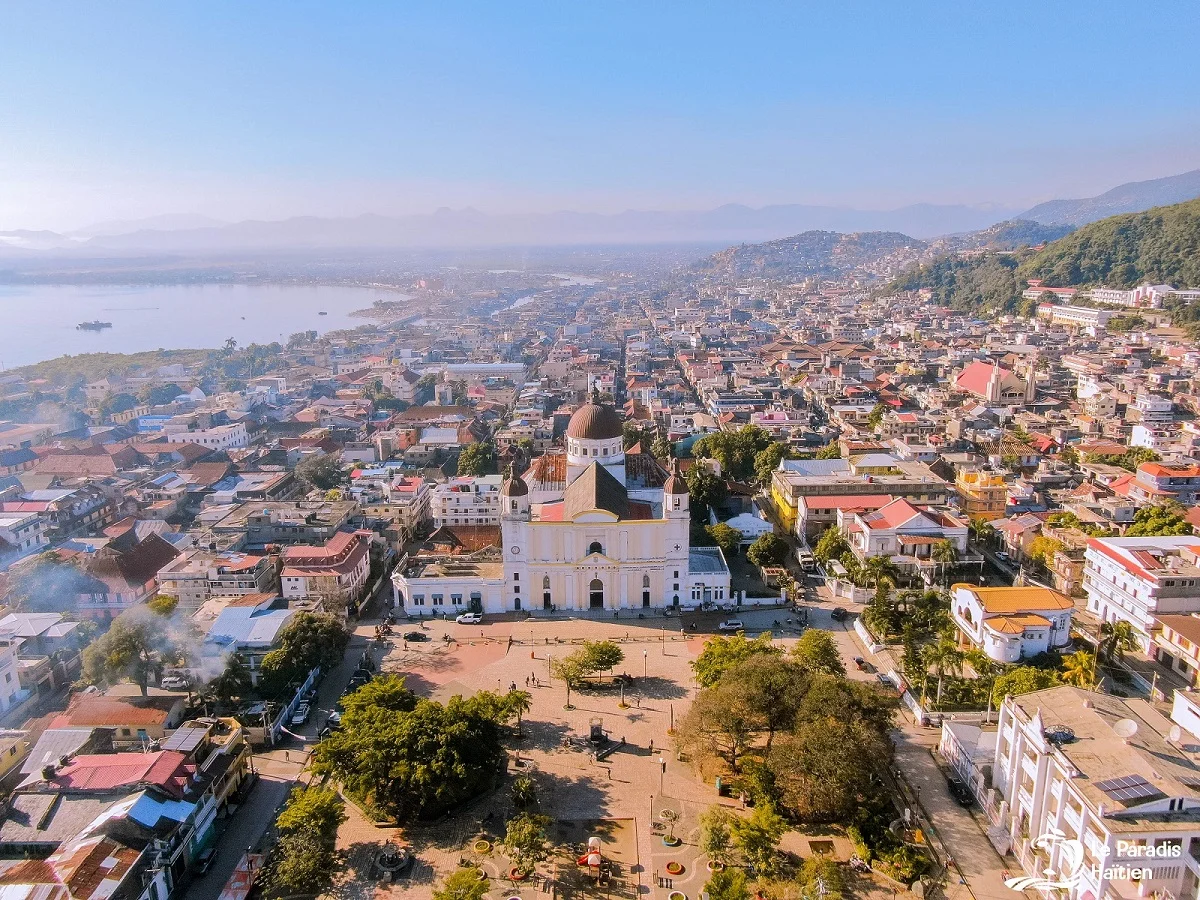
First black nation to free itself from slavery and gain independence from France in 1804 and influenced other liberation movements around the world, inspiring struggles for freedom and equality.

Natural beauty

Natural beauty

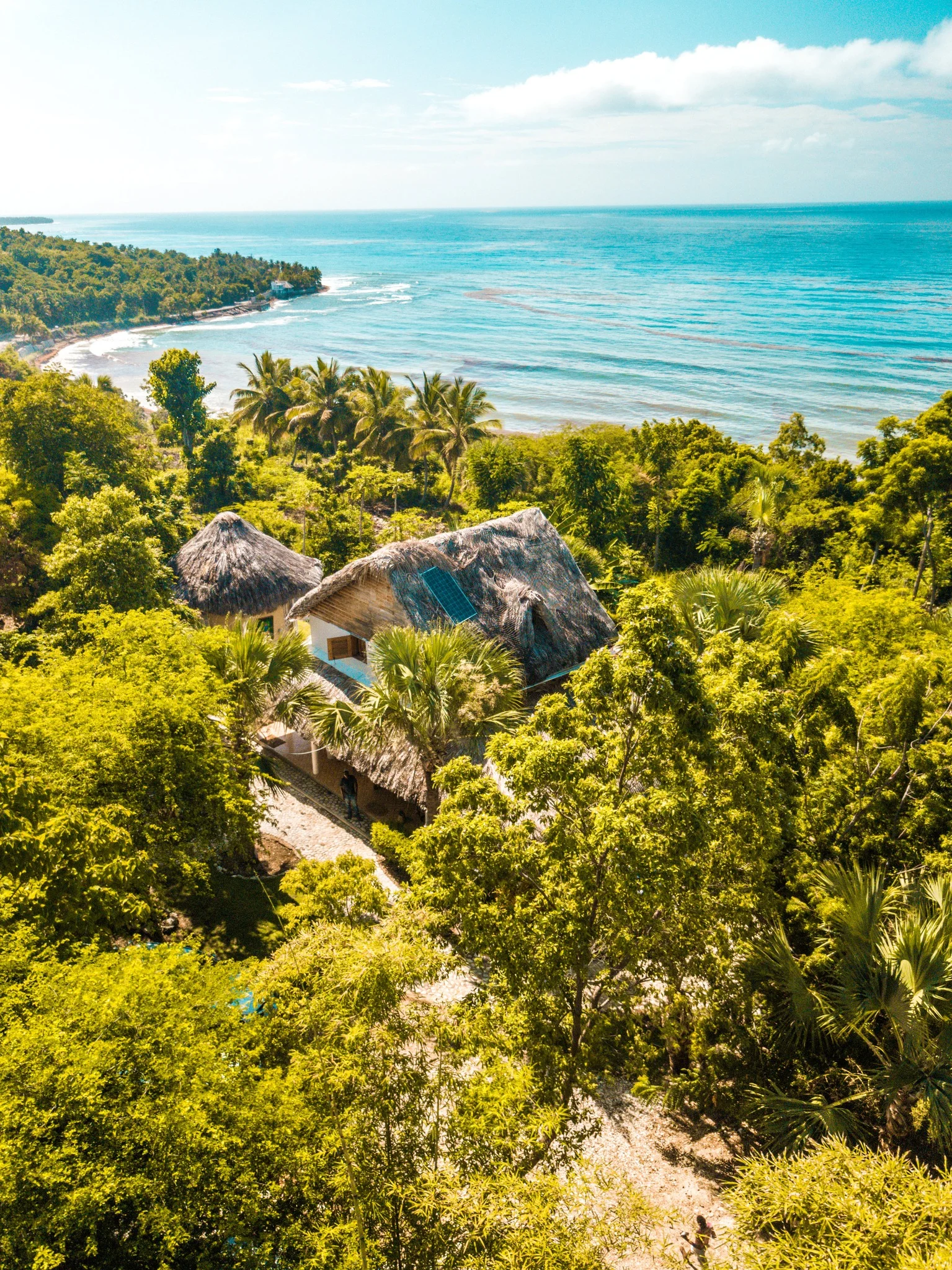
Haïti is blessed with spectacular natural landscapes, including white sand beaches, mountains and rich biodiversity.

Heritage

Heritage

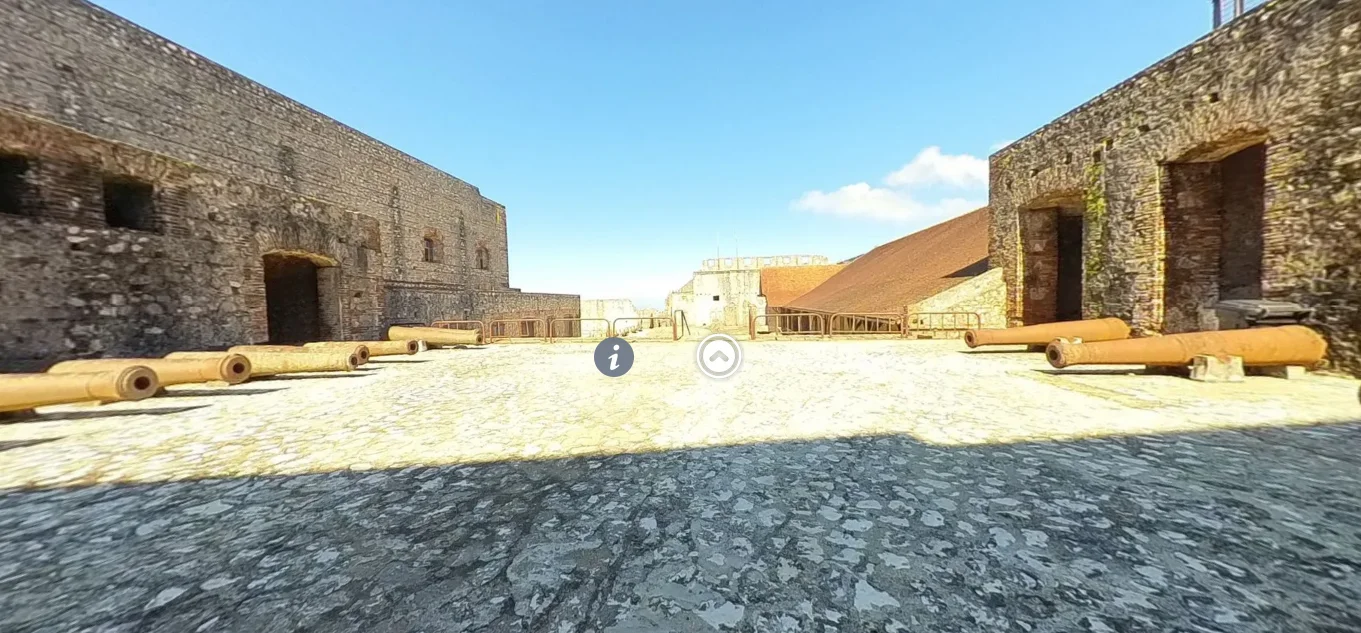
Haïti has a rich historical heritage, including sites like the Citadelle Laferrière and the Sans-Souci Palace, listed as UNESCO World Heritage Sites.

Culture

Culture

Haïti has a rich and diverse culture, influenced by African, European and indigenous elements. Haitian music, dance, art and cuisine are celebrated around the world.

  • +
    • Post