contact@haitiwonderland.com+509 36184317

Discover

Shopping Cart

Haïti : Citadelle la FerrièreHaïti : Citadelle la Ferrière

News / Scientific Research / View Recent Posts

News June 19, 2024

Living in Prose and Poetry: an unmissable summer event in Port-au-Prince.

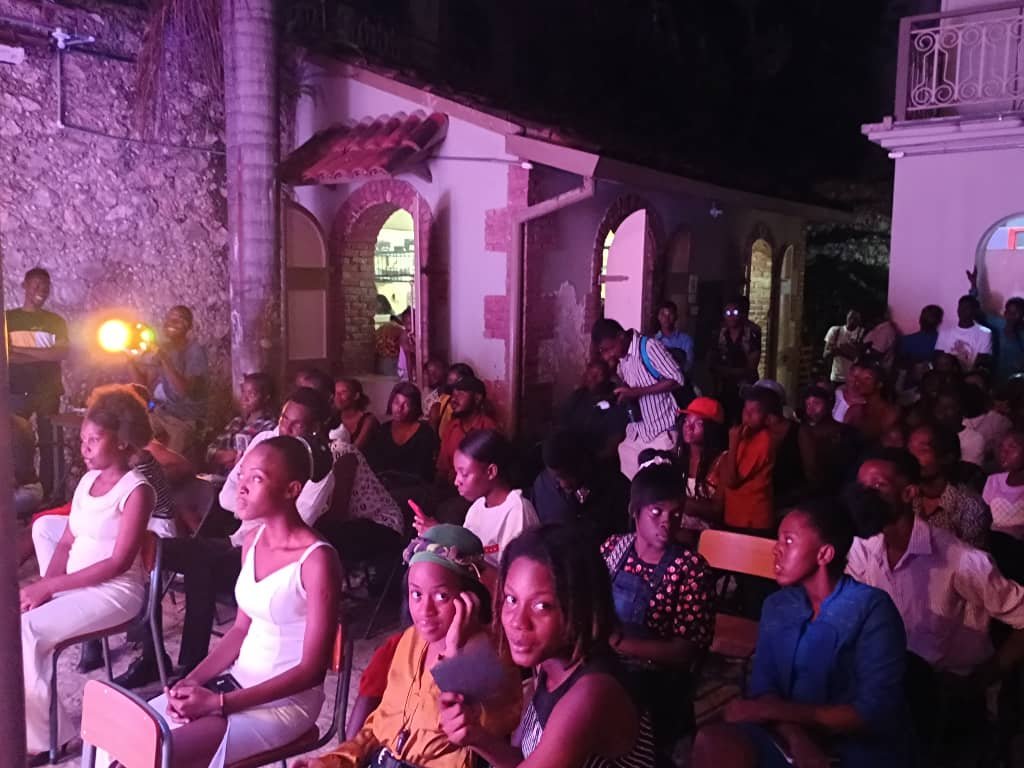
Living in Prose and Poetry is an artistic and cultural event organized by the cultural organization Salon de Livre de Port-au-Prince (OCSLPAP) with the aim of bringing together young artists from the Haitian capital to exhibit them to a large audience . This edition will take place on Saturday July 27, 2024, at the pyépoudré cultural center, located at number 332 on the Route de Bourne. This year the organizers announce their mission is to bring together talents from various categories of arts, always with the aim of helping them to become familiar with each other, and to help create a solid link between them and the Haitian public. . The categories targeted by the organizers for this second edition are young poets, slammers, comedians, rappers, dancers, singers, painters, and writers who have already published at least one work. Living in prose and poetry will also be an opportunity to encourage Haitian youth to think. The first part of the event will be devoted to a discussion around a text by the famous Haitian writer Louis Philippe Dalembert, entitled The Other Face of the Sea. It is a novel which carefully addresses the subject of immigration and detachment that goes with it in the immigrant’s skin. It is a book that speaks openly to the reality of the Haitian people today. It has already been announced that this first part will be moderated by the journalist and literary critic Carl Pierrecq who works for the short story writer, and moderation will be provided by Pierre Marie, a young sociology student at the Faculty of Human Sciences (FASCH). After a largely successful first edition which took place in May 2023 in the premises of the municipal library of Delmas, the organizers of living in prose and poetry say they are determined and have made the promise for this year to deliver to the public port-au -princien, a cultural event of exceptional scale for the second outing. Once again, this will be the perfect opportunity to celebrate the great richness of Haitian culture through the organs of our young talents. Given the difficult context, manifested by the almost daily situation of insecurity which has prevailed for some time, in a good part of Port-au-Prince, the announcement of this event comes as a fresh breath of oxygen, scattered throughout the within the lungs of the city. It is yet another opportunity to remind through this artistic festivity that even in times of deep unrest, art will remain an indispensable light, because even in times of crisis, the latter and the artist (its channel of diffusion) will become refuges, sources of comfort and appeasement for all human souls.

Par Moise Francois |
Learn more
Nature March 18, 2024

Haiti: The Center department, one of the departments most resistant to natural earthquakes

The Center department, commonly called Plateau Central, is one of the ten (10) departments of Haïti most robust in the face of certain natural phenomena. Before becoming one of the ten (10) departments of Haiti, the Center department was part of the Great North. It is renowned for its natural landscapes, its biosphere climate and its resistance to certain natural phenomena. In addition to its natural productions such as corn, millet and livestock, the Center department is also known for its high mountains which constitute a robust defense against certain natural phenomena such as earthquakes and floods. Composed mainly of high mountains, the department of Charlemagne Peralte and Benoît Batravil is the only one of the ten (10) not to have an outlet to the sea. However, its inhabitants take advantage of the vast rivers, rivers and lakes which cross it . With an area of ​​3,487 km², the population of the Center department is estimated at 678,626 according to a study carried out in 2009. On this same area, the department is divided into four (4) districts and twelve (12) communes. Bordered to the east by the Dominican Republic, the Center department connects other departments of the country such as Nord and Artibonite, and connects the two countries of the island through border areas like Balladère, Hinche and Cerca Carvajal. In the Center department, there are sites that could attract tourists for their natural beauty. In Saut d’Eau, there is the Saut d’Eau waterfall, in Hinche we find the Zim basin, the Péligre lake, the Péligre hydroelectric dam, the Artibonite river, and the Deux river (2 ) Rooms in Thomonde, more precisely in "El Manni", not far from the communal section of Caille-Epin. Thanks to its strong mountains and its natural climate, the Center department remains one of the most resistant departments in the event of an earthquake in Haiti.

Par Malia Balan | 2
Learn more

Recently Posted

The Haitian Carnival: A Festival of Colors, Music and Traditions

The Haitian carnival, an emblematic and essential celebration of the country’s festive calendar, is much more than a simple party. It embodies the very essence of Haitian culture, joyfully blending ancestral traditions, intoxicating music and a deep sense of community. Each year, this vibrant celebration transforms the streets into a vibrant and colorful spectacle, attracting thousands of participants and spectators eager to take part in this one-of-a-kind celebration. Haitian carnival has deep roots in the country’s history, dating back to colonial times. It has evolved over the centuries, incorporating elements of African, French and Creole culture to create a distinct and captivating celebration. The carnival period in Haïti traditionally begins in January and culminates with extravagant festivities that take place over several days. One of the most striking features of the Haitian carnival is the profusion of colors. Traditional costumes, called "masks", are elaborate and beautifully designed. They feature vivid patterns and vibrant decorations, creating a vivid picture of Haitian cultural identity. Participants, dressed in these elaborate costumes, parade through the streets to the sound of lively music, creating an electric atmosphere. Music is at the heart of the Haitian carnival. The captivating rhythms of compass, rasin, rara and other local musical genres resonate throughout the city, inviting people to dance to the rhythm of the party. Orchestras parade through the streets, accompanying the dancers and creating a unique symbiosis between the music and the graceful movements of the participants. The Haitian carnival parade is not just about the music and costumes; it also celebrates the richness of street arts. Talented artists create giant sculptures, art installations and theatrical performances that tell deep stories of Haitian history and culture. These artistic expressions contribute to the transmission of values ​​and stories that shape the identity of the Haitian people.

Haiti: Fort Liberté, a Historical and Cultural Jewel

Nestled on the northeast coast of Haiti, between the green mountains and the azure waters of the Atlantic Ocean, lies a small town with undeniable charm: Fort Liberté. This historical and cultural gem is full of fascinating stories, picturesque landscapes and cultural richness that captivate visitors from around the world. A Historical Heritage Fort Liberté owes its name to the old fortress which overlooks the city, a vestige of the French colonial era. Built in the 18th century to protect the region from foreign invasions, this fort offers stunning panoramic views of the surrounding area, testifying to its strategic importance at the time. Today, it serves as a major tourist attraction, offering visitors a captivating insight into Haiti’s turbulent history. Culture and Traditions The cultural richness of Fort Liberté is reflected in its vibrant traditions, captivating music and local crafts. The city’s residents are renowned for their warm hospitality and pride in their heritage. Visitors can immerse themselves in the local culture by experiencing authentic Creole cuisine, watching traditional dance performances, or exploring bustling markets where a variety of handmade crafts can be found, such as wood carvings and vivid paintings. Natural beauty The surroundings of Fort Liberté are full of breathtaking natural treasures. The white sand beaches lined with palm trees offer an idyllic setting to relax and soak up the tropical sun. Outdoor enthusiasts will also find what they are looking for in the surrounding mountains, where they can hike through lush nature and discover hidden waterfalls and breathtaking panoramas. Fort Liberté, with its captivating blend of history, culture and nature, is a must-visit destination for those wishing to experience the true essence of Haiti. Whether you explore the historical remains, immerse yourself in the daily lives of the locals or marvel at the natural beauty of the surrounding area, this small town offers an enriching and memorable experience for all those who have the chance to visit it.

Recently Posted

History

History

First black nation to free itself from slavery and gain independence from France in 1804 and influenced other liberation movements around the world, inspiring struggles for freedom and equality.

Natural beauty

Natural beauty

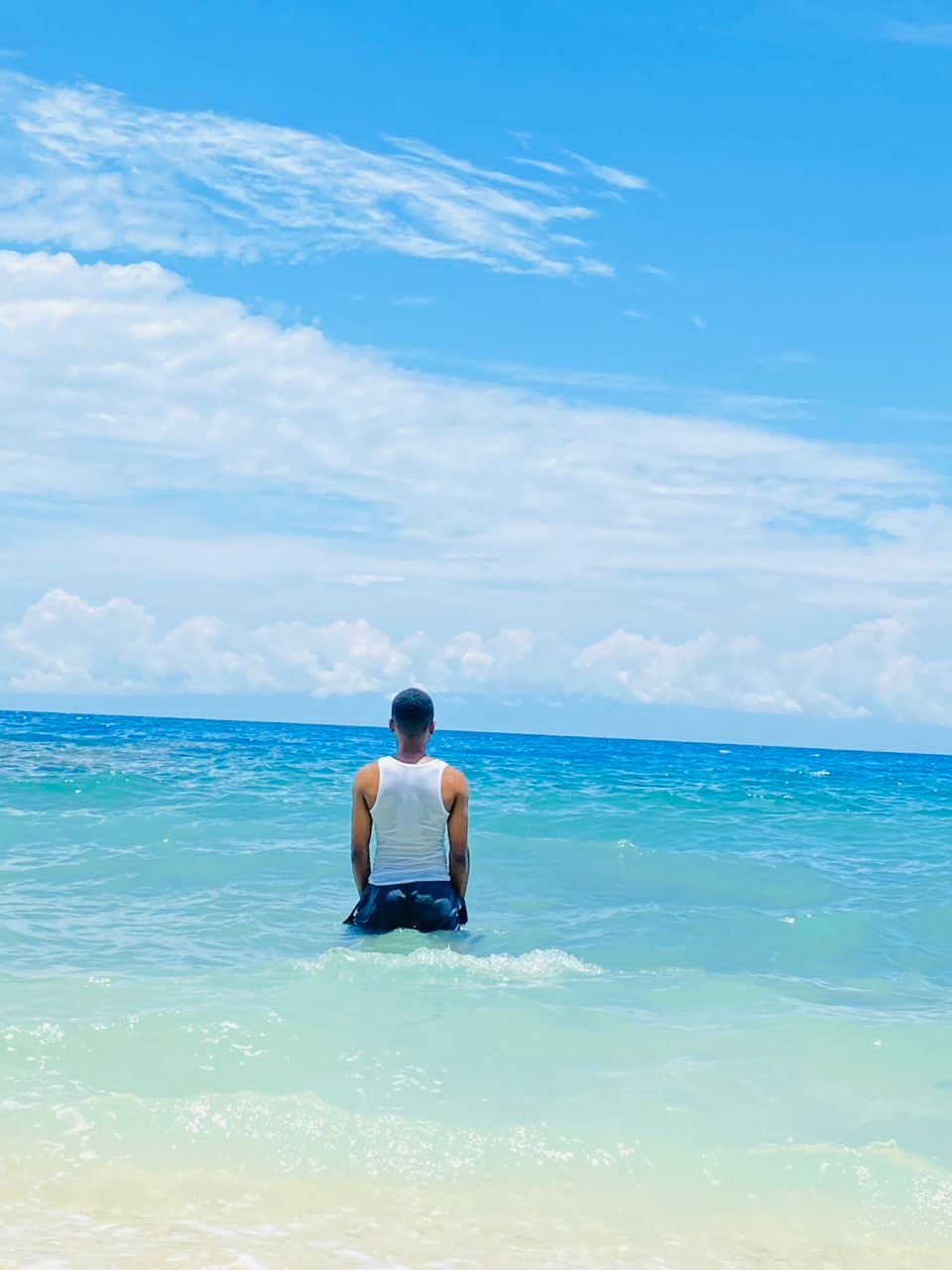
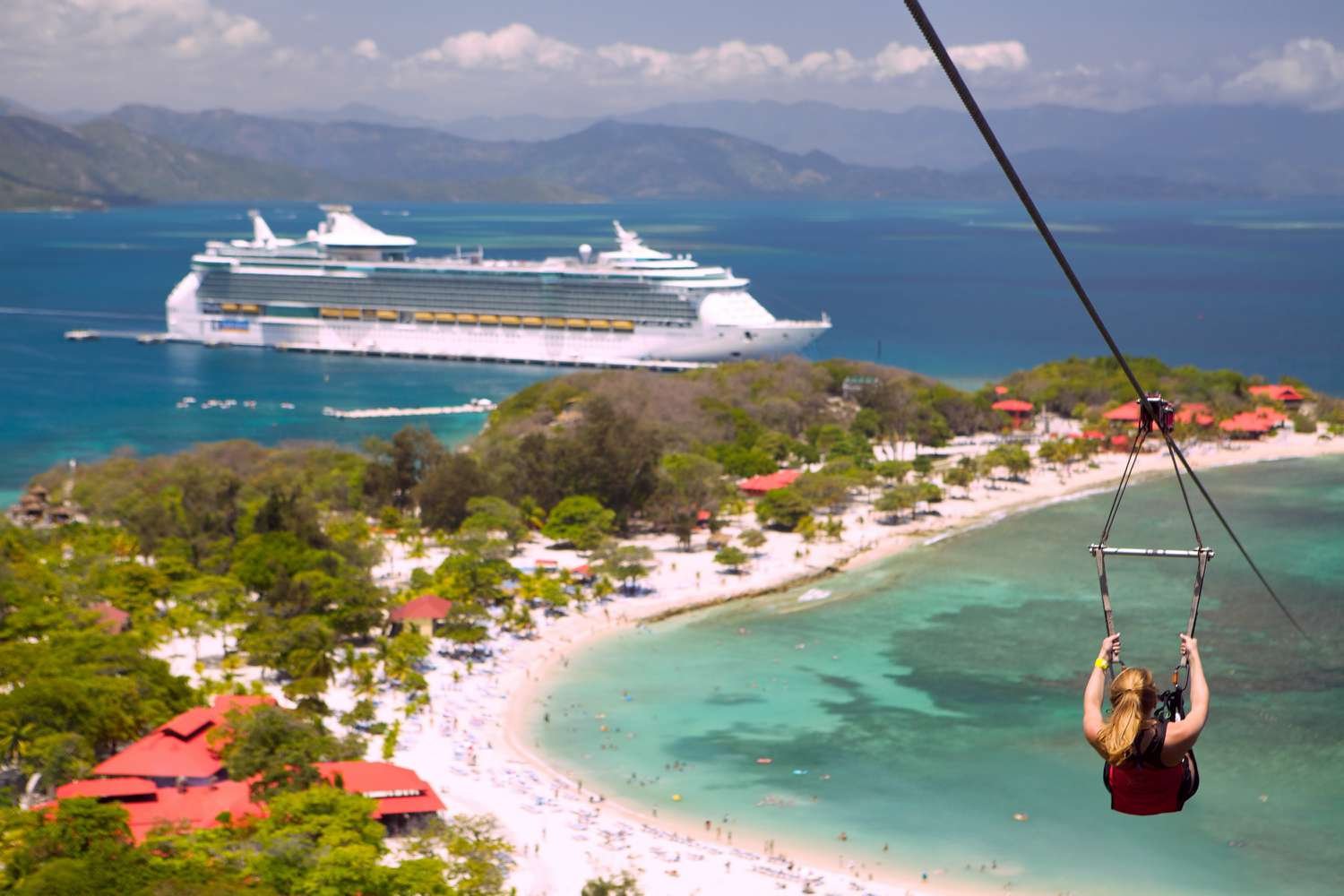
Haïti is blessed with spectacular natural landscapes, including white sand beaches, mountains and rich biodiversity.

Heritage

Heritage

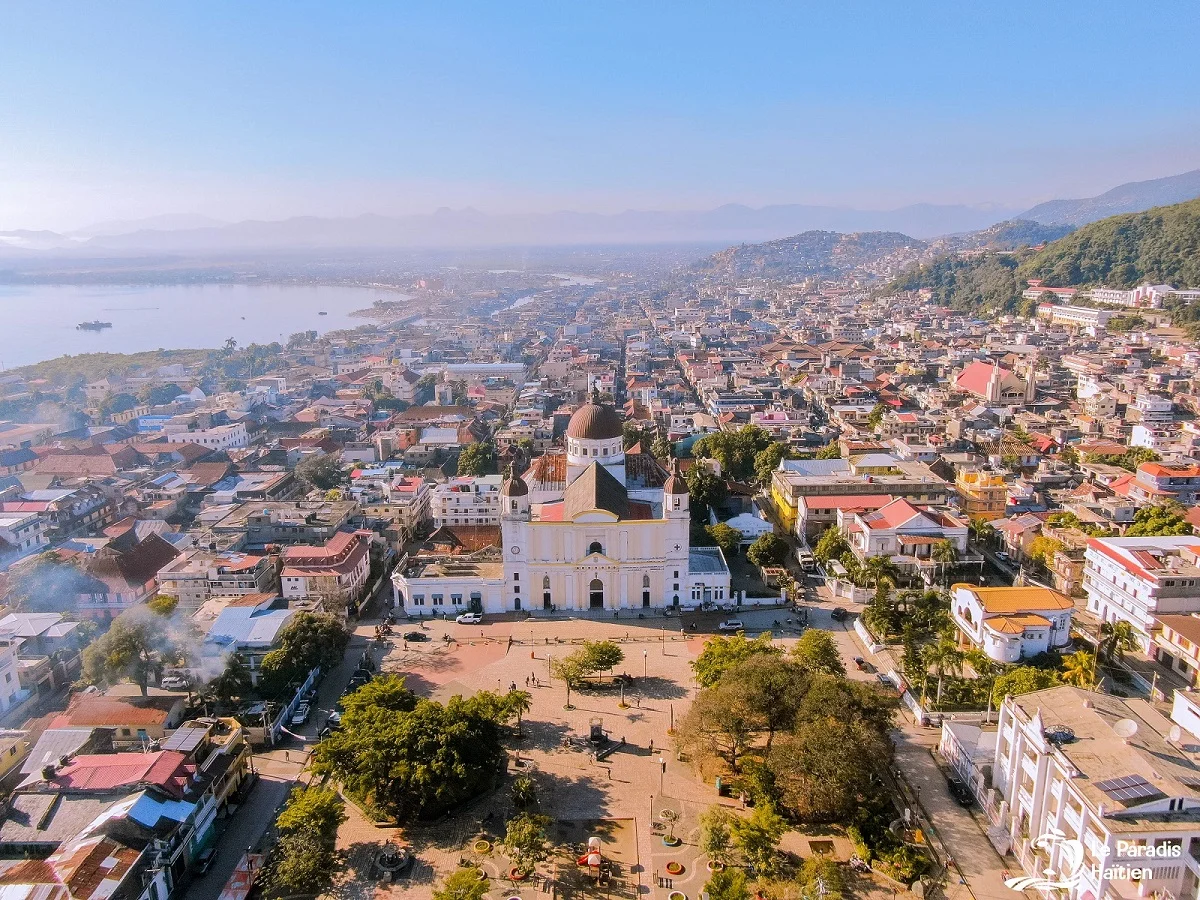
Haïti has a rich historical heritage, including sites like the Citadelle Laferrière and the Sans-Souci Palace, listed as UNESCO World Heritage Sites.

Culture

Culture

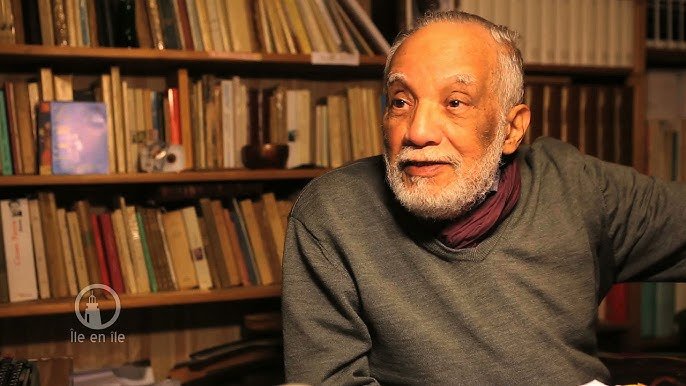
Haïti has a rich and diverse culture, influenced by African, European and indigenous elements. Haitian music, dance, art and cuisine are celebrated around the world.

  • +
    • Post