contact@haitiwonderland.com+509 36184317

Discover

Shopping Cart

Haïti : Citadelle la FerrièreHaïti : Citadelle la Ferrière

News / Other / View Recent Posts

Technology March 12, 2024

Haiti: Appolon Guy Alain, among the best Haitian developers

In the vast world of IT development in Haiti, there are figures who stand out for their talent, dedication and vision. Among them, Appolon Guy Alain emerges as one of the best developers in the country, recognized for his ingenuity and creativity. With a strong background in the field of software development, Apolon has managed to rise to the top of its field. Its reputation extends well beyond Haitian borders, attracting the attention and respect of many companies abroad. It is not only his technical expertise that sets him apart, but also his ability to combine art and technology in a unique way. Discover some of Guy Alain Appolon’s achievements by clicking on the following link: https://haitiwonderland.com/haiti/personnalite/le-webmaster-haitien--guy-alain-appolon-une-reference-incontestee/79 What makes Apolon unique is its versatility. As a full-stack developer, he excels in all phases of a project, from design to implementation to user interface development. His ability to merge his talents as a painter, professional musician and computer graphic designer allows him to create attractive interfaces that captivate users at first glance. The Haïti Wonderland website (www.haitiwonderland.com) is a shining example, captivating visitors with its attractive and intuitive design. Read also: https://haitiwonderland.com/haiti/personnalite/expert-en-seo-et-uiux-design--decouvrez-le-developpeur-haitien-appolon-guy-alain/65

Par Haïti Wonderland | 2
Learn more
History November 21, 2023

Haiti: A Little-Known Pillar of World Independence

Haiti, the world’s first independent black republic, played an exceptional role in the quest for independence for other nations. Although often overshadowed by other historical events, Haiti’s contribution to the liberation of other countries was significant and deserves to be highlighted. b~The Haitian Revolution~b At the turn of the 19th century, Haïti threw off the chains of slavery and achieved the impossible by freeing itself from French colonial rule. In 1804, the country proclaimed its independence, ushering in a new era for oppressed peoples around the world. b~Inspiration for Latin America~b The Haitian Revolution was a major source of inspiration for independence movements in Latin America. Iconic figures such as Simón Bolívar and Francisco de Miranda recognized the courage and determination of Haitians as a driving force for their own struggles. By materially and ideologically supporting these movements, Haïti contributed to the emergence of several independent nations in South America. b~Influence in Africa~b Beyond the Americas, Haïti also played a crucial role in the quest for independence in Africa. African leaders have left a legacy that has inspired entire generations of freedom fighters on the African continent. The idea that oppressed people could rise up against their oppressors found a powerful echo in the struggles for independence in Africa. b~Support for Liberation Movements~b Throughout its history, Haïti has provided substantial support to liberation movements around the world. Whether through troop dispatches, financial resources or active diplomacy, the country has demonstrated its solidarity with those fighting for their autonomy. Haiti’s contributions have often been discreet but crucial. Haiti, as a pioneer of independence and freedom, has left a lasting impact on the world stage. His legacy resonates across continents, reminding the world that the quest for freedom is universal. By recognizing and celebrating Haiti’s role in the independence of other nations, we not only honor its history, but we also commit to promoting a future where all people have the opportunity to shape their destiny.

Par Appolon Guy Alain |
Learn more
City May 08, 2024

Discover Cap-Haitien: The 2nd city of Haiti

Cap-Haïtien, is a coastal city in the northern department of Haiti, formerly known under the names of Cap-Français or Cap-Henri. Dominated by the Morne Jean mountain, this destination offers an immersion in the French colonial past and the Haitian revolution. Nestled by picturesque bays and bordered by the Haut-du-Cap river, Cap-Haitien appeals to travelers looking for authenticity and seaside adventure. The city, rich in history and culture, has seen the birth of renowned artists like Philomé Obin and hosts a vibrant music scene with the groups Septentrional and Tropicana from Haiti. Its hidden treasures, including the Citadelle La Ferrière and the historic site of Vertières, as well as its magnificent natural landscapes, make Cap-Haitien an unmissable destination in the Caribbean. Paradise beaches in Labadie and cobbled streets evoking a rich past invite visitors to fully immerse themselves in Haitian history and culture. Cap-Haïtien, formerly Cap-Français or Cap-Henri, is the second city of Haiti, capital of the Nord department and the district of Cap-Haïtien. Located on the northern coast of the Republic of Haïti , was considered in the 19th century as the safest port. Dominated by the Morne Jean mountain, culminating at 718 meters above sea level, the town is located at the mouth of the Haut-du-Cap river, on the west coast. of the bay of Cap-Haïtien. To the west of the town lies the Acul Bay.

Par Jarule Laguerre | 2
Learn more

Recently Posted

Haïti, a rich and impoverished country

Located in the western part of the island of Hispaniola, Haïti is a land imbued with natural, cultural and historical wealth. Unfortunately, behind the beauty of its landscapes, the richness of its culture and the delicacy of its cuisine lies a complex reality marked by the debt of its independence and the persistent interference of third countries, casting a shadow over its stability. b~The Natural Beauty of Haïti~b Haïti, nicknamed the "Pearl of the Antilles", dazzles with the diversity of its landscapes. From majestic mountains and lush valleys to meandering rivers and sandy beaches, the country offers natural beauty worth celebrating. The famous Citadelle Laferrière mountains and the refreshing waterfalls of Bassin-Bleu are just a few examples of the splendor that characterizes this nation. b~A Rich and Diverse Culture~b Haïti stands out for its vibrant and diverse culture. A heritage of African, French and indigenous influence, Haïtian music, dance and art reflect a unique fusion. Colorful festivals, like Carnival, are celebrations of this cultural richness, attracting visitors from all over the world. b~Delicious Cuisine~b Haïtian cuisine, tasty and spicy, is another aspect worth celebrating. Dishes like griot, sticky rice, and the legendary joumou soup, traditionally prepared to commemorate independence, are all culinary delights that demonstrate the country’s gastronomic ingenuity. b~Heritage Treasures and Paradise Beaches~b Haïti’s heritage treasures, such as the remains of the Sans-Souci Palace and the Citadelle Laferrière, listed as UNESCO World Heritage Sites, are testimonies to the architectural grandeur of Haïti’s past. At the same time, beaches like Labadee and Jacmel offer havens of peace with crystal clear waters, attracting travelers in search of a tropical paradise. b~A Fascinating Story~b The history of Haïti is both fascinating and tragic. It was the first country in the Americas to gain its independence, in 1804, after a courageous slave revolt. However, this independence came with a heavy financial price. France demanded exorbitant compensation, thus laying the foundations for Haïti’s foreign debt. b~The Debt of Independence and Foreign Interference~b Despite these treasures, Haïti struggles with the reality of its independence debt. After gaining its freedom, the country was forced to pay France a considerable sum in compensation for losses associated with the abolition of slavery. This debt has been a major economic burden for Haïti, hindering its development. Additionally, foreign interference continues to create significant challenges. External political and economic interventions have often contributed to the country’s instability, hindering its ability to build a sustainable future for its citizens. b~In conclusion~b Haïti remains a country of multiple riches, but its challenges persist. Despite its natural beauty, rich culture and fascinating history, the nation needs enlightened international support and lasting solutions to overcome the obstacles that stand in its way. Haïti’s wealth lies not only in its enchanting landscapes, but also in the potential of its people to be resilient and prosper despite persistent challenges.

Plan your trip to Haïti

Haïti, the pearl of the Caribbean nestled west of the island of Hispaniola, offers a captivating combination of natural beauty and rich history. For an unforgettable trip, follow these wise tips to plan your stay. b~Prior Research~b Before you begin your trip, immerse yourself in Haïti’s rich culture, fascinating history, delicious cuisine and top attractions. This prior immersion will allow you to make the most of your stay and connect more easily with locals. b~Ideal time to travel~b Haïti’s mild climate throughout the year makes it an attractive tourist destination at any time. Your choice of period will depend on your preferences. If you’re passionate about cultural festivities, don’t miss the Haïtian Carnival in February, a vibrant celebration leading up to Lent. For lovers of paradise beaches like Labadee, La Côte des Arcadins, and others, summer offers a perfect mix of sun and fun times in crystal clear waters. If spirituality appeals to you, August 15 marks the Feast of the Assumption, a religious celebration marking the Virgin Mary’s ascension into heaven. And also November 1st and 2nd are dedicated to the Day of the Dead. Families go to the cemetery to honor and decorate the graves of their deceased loved ones, creating an atmosphere steeped in memory and tradition. History buffs may choose to visit on national holidays such as National Independence Day on January 1, Flag Day on May 18, and other significant events. b~Choice of Accommodation~b Haïti offers a range of accommodation options, from luxury hotels to family-friendly B&Bs. Adapt your choice according to your budget and preferences, favoring local accommodation for a more authentic experience. b~Unmissable Tourist Sites~b Among the gems to explore, discover the majestic Citadelle Laferrière, listed as a UNESCO world heritage site, the Sans Souci Palace, the La Visite National Park, the Milot Cathedral, Fort Jacques, the Heroes of Vertières, the Bassin Bleu , the Saut-Mathurine Waterfall, the Marie-Jeanne Cave, Kenscoff and Furcy, as well as the Saut d’Eau Waterfall. Also explore the artistic wealth of Haïti through its artisan markets. b~Taste Local Cuisine~b Haïtian cuisine is a symphony of exotic flavors. Be sure to sample local dishes such as griot and pea-sticky rice at local markets for an authentic culinary experience. b~Local Culture~b Haïtian culture, influenced by a rich history, is diverse and vibrant. Respect local customs, be open-minded and willing to learn. The warmth and hospitality of the Haïtians add a unique dimension to your experience. b~Means of Transport~b Opt for modern means of land transport such as Capital Coach Line, Transport Chic, Sans-Souci Tours, Le Transporteur, Grand Nord. For aerial explorers, easily book your flight with Sunrise Airways. Car rental is also an option for those looking for a more private experience. b~Language and Communication~b Although Haïtian Creole is the main language, French is also widely used. Learn a few basic phrases in Creole to facilitate exchanges and enrich your experience. By meticulously planning your trip to Haïti, you open yourself up to discovering the natural beauty, cultural richness, and warm hospitality of this Caribbean gem. Get ready to experience a unique and memorable adventure in Haïti.

Holidays in Haiti

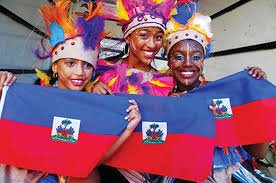
Haiti, the pearl of the Antilles, is a country rich in history and culture. Its public holidays are moments of celebration, commemoration and reflection on its glorious past. Each date has a special meaning, plunging Haitians into a festive and memorable atmosphere. b~January 1: National Independence Day and New Year~b January 1st is a doubly special day in Haiti. On the one hand, it is National Independence Day, commemorating the victory of Haitian slaves over French colonial forces in 1804. On the other hand, it is New Year’s Eve, marking the start of a new year full of promises and hopes. b~January 2: Feast of the Forefathers~b January 2 is dedicated to the memory of ancestors. It is an opportunity for Haitians to remember their roots, to celebrate the cultural heritage passed down from generation to generation. b~February: Carnival, Shrove Monday, Fat Tuesday, Ash Wednesday~b The month of February is marked by Carnival, one of the most colorful and dynamic festivities in Haiti. The streets fill with parades, lively music and wild dancing. Mardi Gras is the culmination of Carnival, followed by Ash Wednesday, marking the start of Lent. b~April: Easter, Maundy Thursday, Good Friday~b Easter celebrations in Haïti include the religious traditions of Maundy Thursday and Good Friday. It is a time of prayer and reflection for many Haitians. b~May 1: Agriculture and Labor Day~b May 1 is dedicated to celebrating the work and importance of agriculture in the life of the country. It is an opportunity to recognize the efforts of workers and to highlight the agricultural sector. b~May 18: Flag Festival~b Flag Day celebrates the Haitian flag, a symbol of independence and national pride. Haitians honor their colors and remember the courage of their ancestors in the fight for freedom. b~May 23: National Sovereignty Day~b This day commemorates the recognition of Haitian sovereignty by France in 1805. It is a moment of national pride and reaffirmation of independence. b~May - August: Ascension~b The Ascension is celebrated between May and August, a religious festival marking the ascension of Jesus Christ into heaven. b~June: Fête-Dieu~b Fête-Dieu, also known as the Feast of the Body and Blood of Christ, is an important religious celebration in June. b~August 15: Assumption of Mary~b The Assumption of Mary is a Christian holiday marking the ascension of the Virgin Mary into heaven. It is celebrated with fervor in Haiti. b~September 20: Birth Anniversary of Jean-Jacques Dessalines~b This date commemorates the birth of Jean-Jacques Dessalines, one of the founding fathers of Haïti and a key leader in the struggle for independence. b~October 17: Death of Dessalines~b October 17 is a day of commemoration of the death of Jean-Jacques Dessalines, recalling his impact on Haitian history. b~November 1: All Saints’ Day~b All Saints’ Day is a religious holiday honoring all saints, celebrated with prayers and visits to cemeteries. b~November 2: Day of the Dead~b All Souls’ Day is an opportunity to pay homage to the deceased by decorating graves and participating in religious ceremonies. b~November 18: Commemoration of the Battle of Vertières~b This day honors the decisive Haitian victory at the Battle of Vertières in 1803, marking the end of the French occupation. b~December 5: Discovery Day~b December 5 celebrates the discovery of the island by Christopher Columbus in 1492. b~December 25: Christmas~b Christmas celebrations in Haïti are marked by family reunions, festive meals and religious traditions. Public holidays in Haïti are much more than breaks from everyday life; these are moments that embody the soul and resilience of a people. Each celebration provides an opportunity to come together, remember the past and look to the future with hope and determination.

Recently Posted

History

History

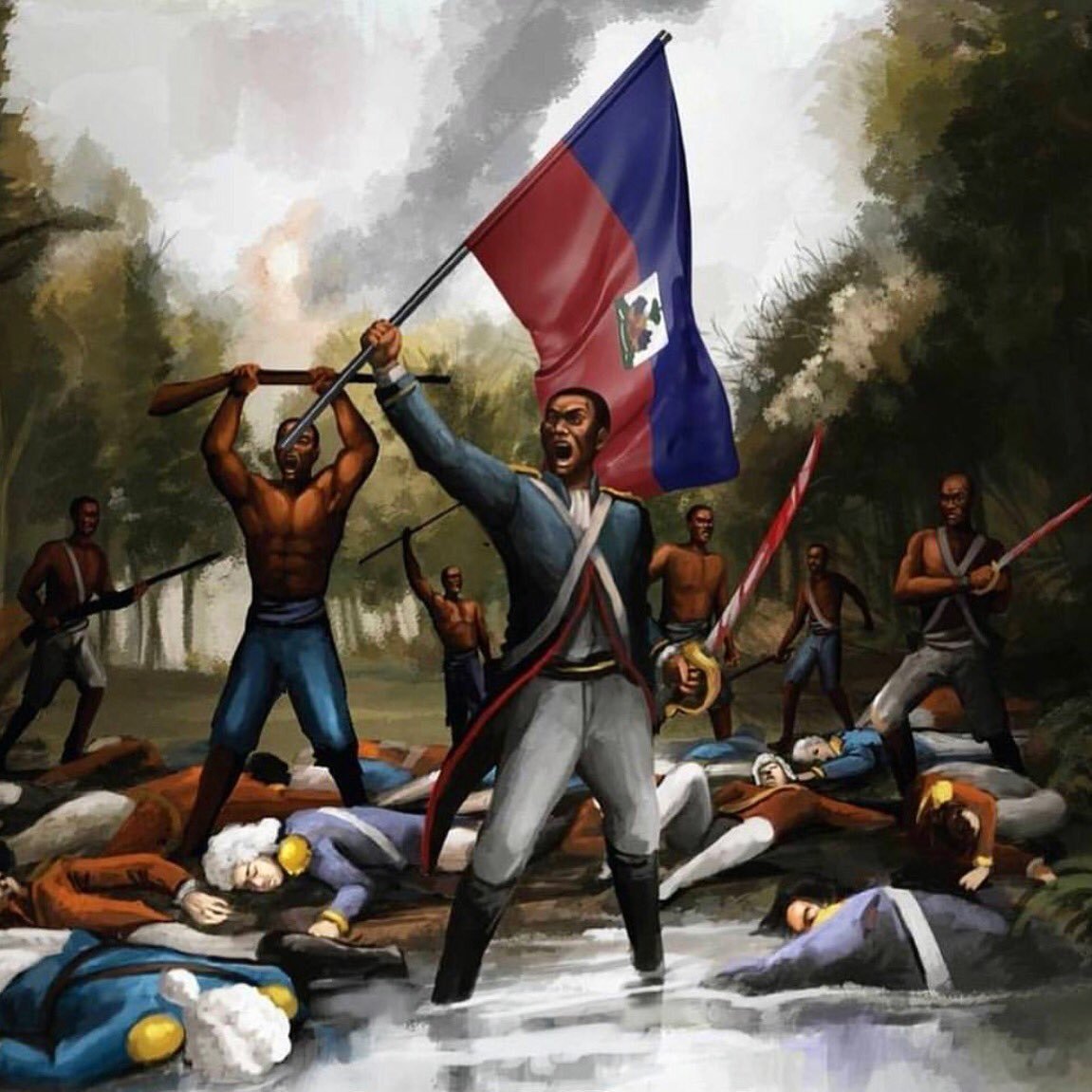
First black nation to free itself from slavery and gain independence from France in 1804 and influenced other liberation movements around the world, inspiring struggles for freedom and equality.

Natural beauty

Natural beauty

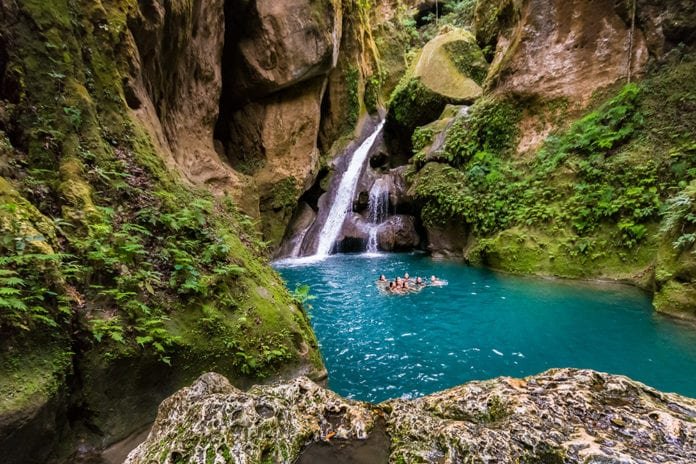
Haïti is blessed with spectacular natural landscapes, including white sand beaches, mountains and rich biodiversity.

Heritage

Heritage

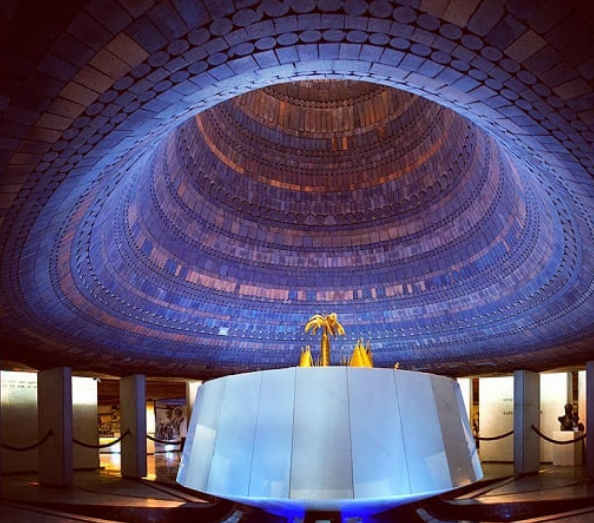
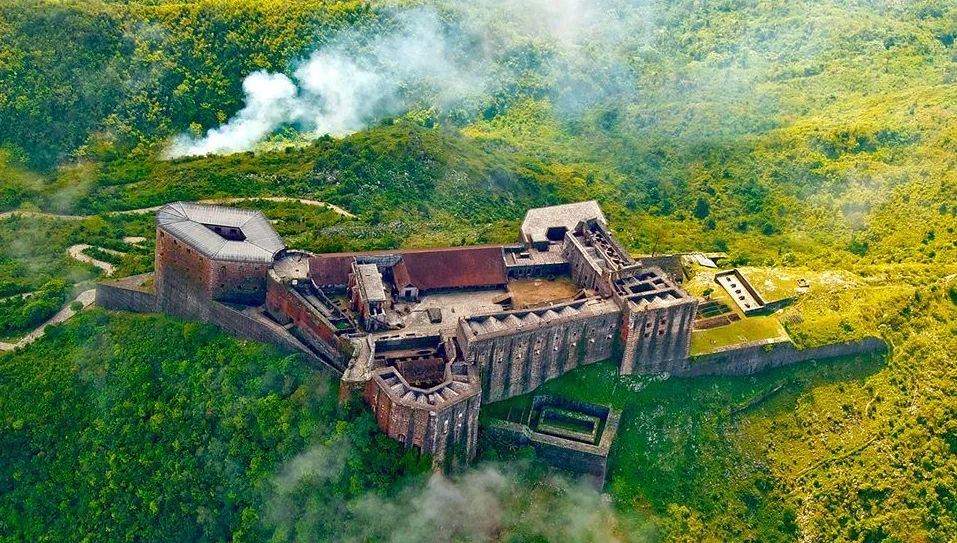
Haïti has a rich historical heritage, including sites like the Citadelle Laferrière and the Sans-Souci Palace, listed as UNESCO World Heritage Sites.

Culture

Culture

Haïti has a rich and diverse culture, influenced by African, European and indigenous elements. Haitian music, dance, art and cuisine are celebrated around the world.

  • +
    • Post