




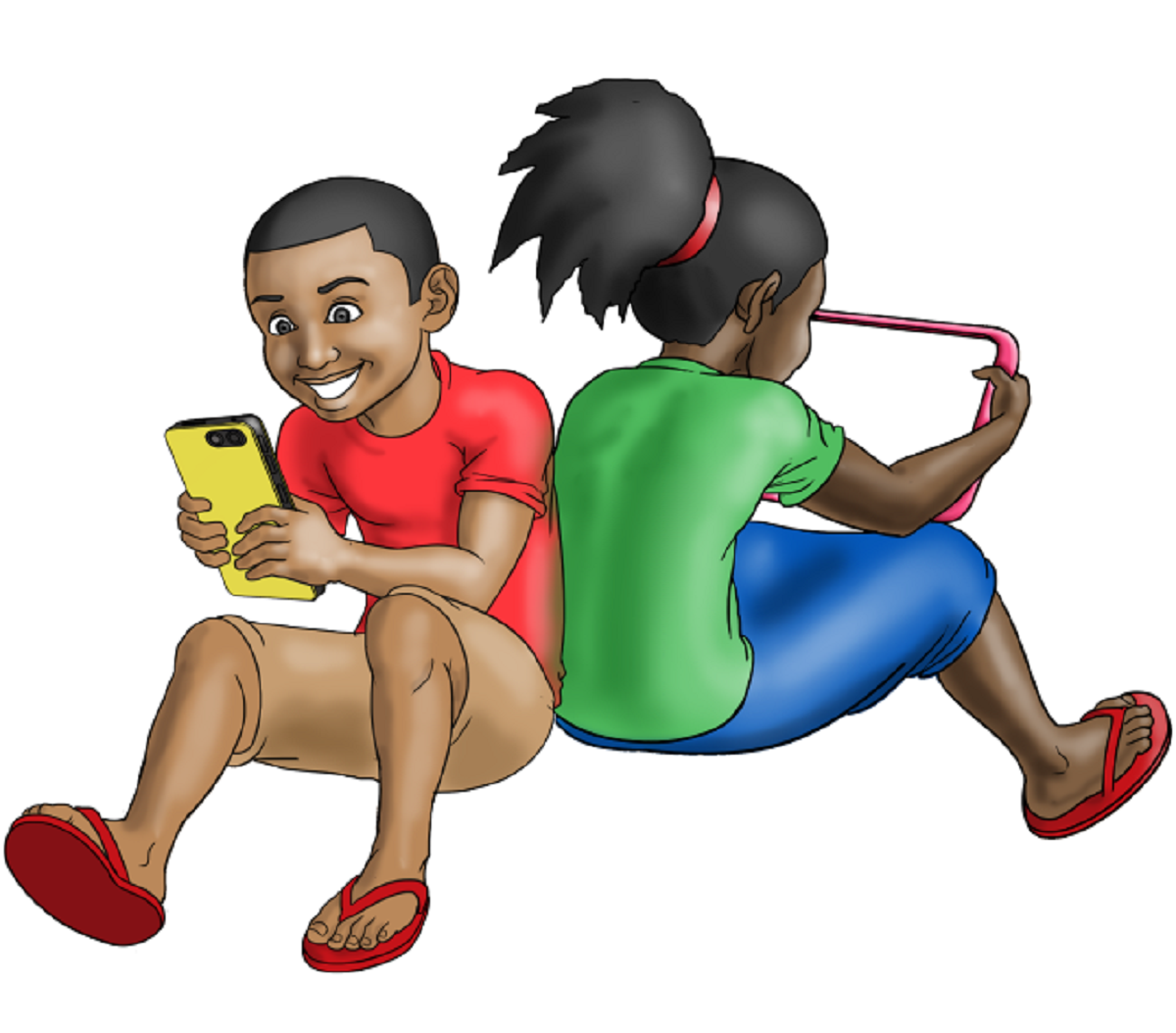



Rivalpromo509 launches the 3rd edition of the Honoring Young People Ceremony
Celebrating 25 young leaders and 6 institutions in Haiti. Join the 3rd edition of the 2025 Honorary Ceremony at the Karibe Hotel.
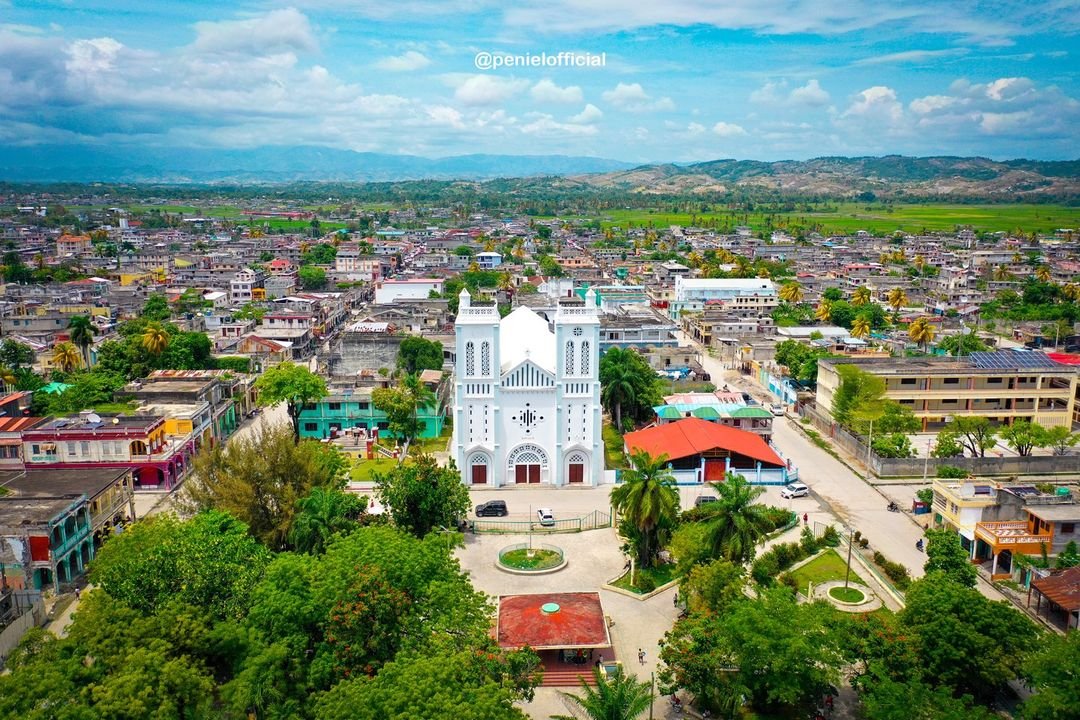
Haiti, a Caribbean republic with a rich historical past, is divided into ten departments comprising 140 communes. Its history dates back to pre-Columbian times with the Tainos, followed by European colonization and a historic rebellion against slavery and colonial rule, culminating in its independence in 1804. Despite its current challenges, Haïti offers remarkable natural beauty with its beaches, its mountains and its cultural diversity. Among its municipalities, some stand out for their charm and history. Here is a selection of five of the most remarkable communes in Haiti, inviting you to discover its hidden treasures.
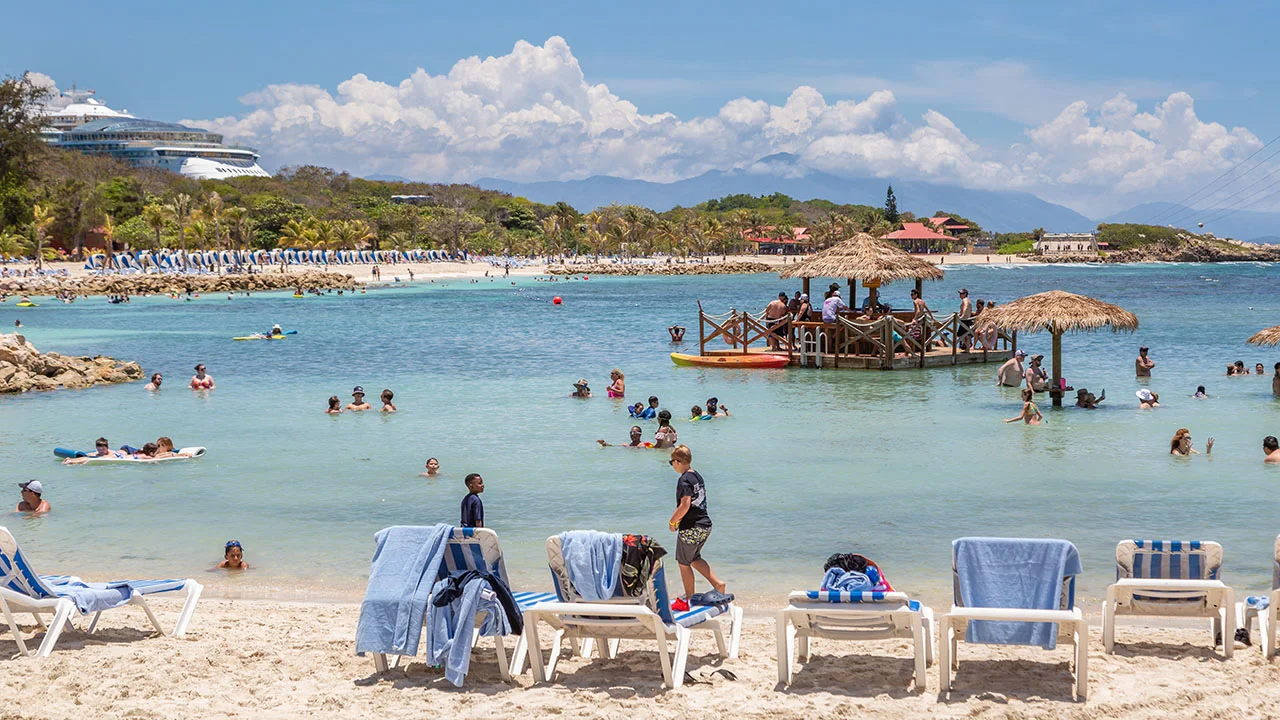
Haiti, nicknamed the "Pearl of the Antilles," is full of exceptional beaches that testify to the richness of its coastline. This Caribbean country enchants visitors with its spectacular landscapes, turquoise waters and unique hospitality. These beaches, true natural gems, offer unforgettable experiences, combining relaxation, adventure and wonder. Discover 7 must-see Haitian beaches that highlight the country’s tourist and ecological potential.
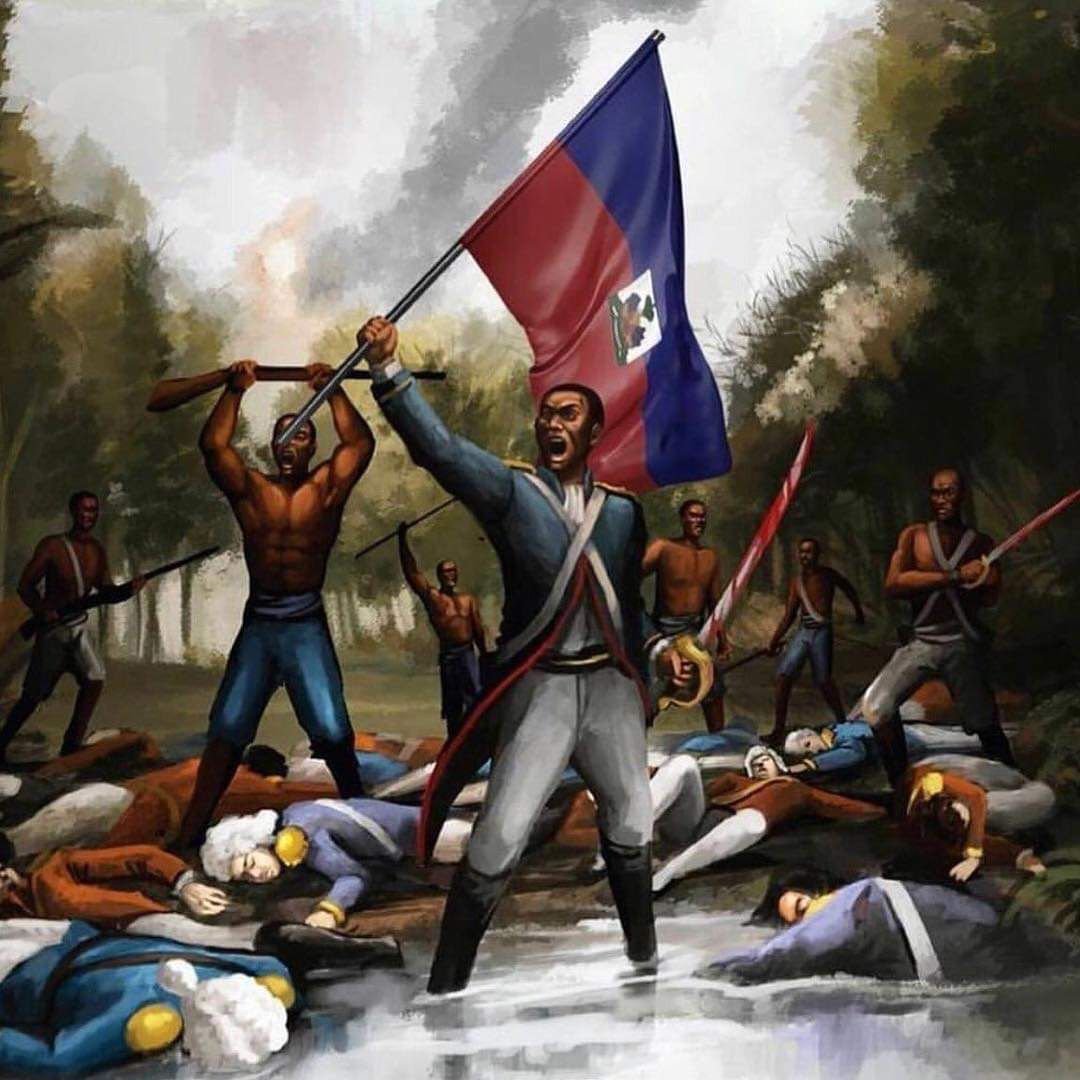
Haiti, the pearl of the Antilles, is a Caribbean island with a rich and complex history. However, its special status as the world’s first free black nation gives it a unique place in the annals of history. This small island was the scene of an extraordinary revolution which resulted in independence, thus marking the beginning of a new era for the black community and the abolition of slavery. Let’s delve into the captivating story of the birth of the first black republic, Haiti. b~The colonial era and slavery~b Haiti’s history dates back to the arrival of Europeans in the 15th century, when Christopher Columbus discovered the island. European settlers, mainly Spanish and French, introduced slavery to exploit the island’s resources, including sugar, coffee and cotton. The indigenous Native American population was decimated, paving the way for the massive importation of African slaves. b~The Haitian Revolution~b On August 14, 1791, Haitian slaves rose up against their oppressors, sparking the Haitian Revolution. Under the leadership of iconic figures such as Toussaint Louverture, Jean-Jacques Dessalines and Henri Christophe, the insurgent slaves inflicted defeats on European armies, demonstrating fierce resistance and a desperate quest for freedom. b~The Declaration of Independence and the creation of the Republic of Haiti~b On January 1, 1804, Haïti proclaimed its independence, becoming the world’s first free black nation. This historic declaration symbolized the end of slavery and the triumph of the will of a people determined to live free. The Republic of Haïti was born in struggle and blood, asserting its autonomy in the face of the colonial powers. b~Post-independence challenges~b However, independence did not mean the end of challenges for Haiti. The country had to face external pressure, reparations imposed by France in exchange for recognition of its independence, as well as internal unrest. Despite these obstacles, Haïti strove to build a free and sovereign nation. The story of Haïti is that of a nation that overcame countless challenges to emerge as a pioneer of freedom for the black population. The Haitian Revolution remains a unique example of resistance, courage and determination, and Haïti continues to carry the torch of independence in the contemporary world. The legacy of this small Caribbean island still resonates today, reminding the world that freedom is a universal right that can be won even in the most difficult circumstances.
Originally from Bainet and raised in Petit-Goâve, Haiti, Emmanuel Joseph embodies one of the rising figures of the Haitian intelligentsia. A jurist, ethicist, and Ph.D. candidate in philosophy at the University of Sherbrooke (Canada), his journey reflects a rigorous commitment to justice, human rights, and critical thinking. Local Roots, Global Outlook Educated in Haiti’s public and religious schools, Emmanuel Joseph began his intellectual path at the Apostolic School of Petit-Goâve, then excelled at the Lycée Faustin Soulouque. His grades, consistently between 8 and 9 out of 10, demonstrated remarkable discipline and rigor from an early age. His university education began at the Faculty of Ethnology (FE) and the Faculty of Law and Economics (FDSE) of the State University of Haiti, where he earned his bachelor’s degree in November 2013. His academic profile sharpened in Canada, especially at the University of Quebec in Rimouski (UQAR), where he completed a master’s degree in philosophy/ethics in 2020, before pursuing a Ph.D. at the University of Sherbrooke, focusing on a broad yet fundamental theme: humanitarian action as experience.
For some time now, engineer Certil Rémy has enthusiastically announced the imminent release of his new game, now officially named "Kanbiz Toupatou". Details about this exciting game are now available on the official Katkat Games website: https://www.katkatgame.com/ . By diving into this game, you will embark on a cultural and gastronomic journey through the treasures of the Caribbean, in particular those of Haiti. Explore the rich culture, immerse yourself in a world of authentic gastronomic delights and discover the traditional and delicious dishes of each region. This adventure promises to be extraordinary, offering an unparalleled immersion in the treasures of Haiti. From Les Anglais to La Tortue, each town crossed will offer its own culinary challenges, as well as the possibility of unlocking unique souvenirs. Collect them all to unlock new destinations and continue this captivating adventure. In "Kanbiz Toupatou", you will also have the opportunity to live a unique tourist experience by collecting souvenir cards representing the ancestors and famous sites of Haiti. Each map will bring you closer to culinary mastery and allow you to unlock exquisite new communes. Likino and Amarah will be the two main characters of the game, and you will have to choose one of them as a guide for this culinary adventure through the different stages of Haitian cuisine. With over 167 exciting levels to unlock, this game offers a great challenge to becoming a master of Haitian culture. Collect souvenirs, perfect your culinary skills and share your creations with the world! You can also invite your friends to join you on this culinary adventure, exchange memories and share tips. Prepare for an exceptional experience through the bustling streets and vibrant culture of Haiti. Although the game has not yet been launched, you can already reserve your place by adding your email address on the official Katkat Games website. You will be among the first to be informed when it is available for download. Don’t miss this opportunity to discover Haïti through "Kanbiz Toupatou", the exciting new game from Certil Rémy and the Katkat Games team. With its historic sites, tourist attractions, delicious cuisine, heavenly beaches and vibrant culture, Haïti awaits you for an unforgettable adventure in this jewel of the Antilles.
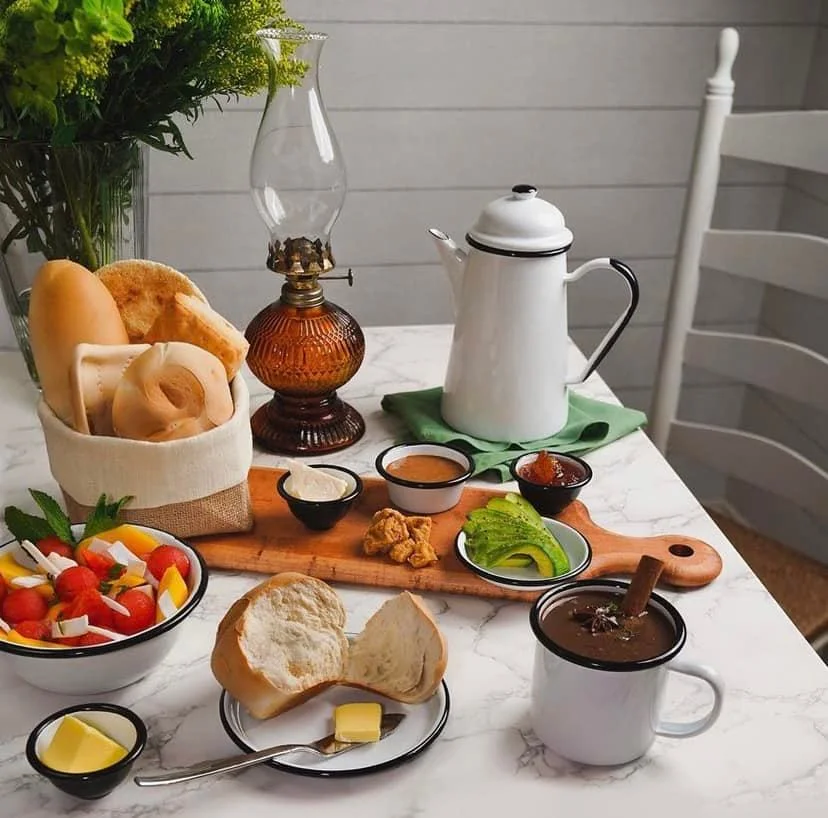
Haiti, a pearl of the Caribbean, not only boasts picturesque landscapes and rich history, but also offers a variety of culinary delights that tantalize the taste buds from the first meal of the day. Haitian breakfast, an exquisite blend of local flavors and culinary traditions, is an experience in its own right. Let’s discover together some ideas to start your day in the most delicious way possible.
Music has always been an essential part of Haïtian culture, and among the many genres that have emerged from this Caribbean island, Compas holds a special place. It is a musical style that carries with it the history, cultural diversity and vibrant energy of Haïti. b~Origins and Evolution~b The Compas Haïtien, also known as Kompa, has deep roots in Haïtian and African musical traditions. Its development was influenced by genres such as Dominican merengue, Cuban salsa, jazz and even rock. This fusion of styles has resulted in a distinctive sound that embodies the cultural richness and diversity of Haïti. The Haïtian Compass has evolved over the decades, moving from a more traditional style to more modern and sophisticated forms. Iconic artists such as Nemours Jean-Baptiste and Tabou Combo helped shape the genre and propel it onto the international music scene. b~The Characteristics of the Compass~b Le Compas Haïtien is characterized by its intoxicating rhythm and complex arrangements. Traditional instruments such as guitar, saxophone, drums, and of course, bass, play a crucial role in creating this catchy music. The lyrics, often sung in Haïtian Creole, address varied themes, from love and joy to social and political issues. Dance is an inseparable component of the Haïtian Compass. The irresistible rhythms encourage the dancers to sway to the music. Traditional dance moves, such as "Kompa Direk" and "Kompa Love," reflect the joyful expression and sensuality that characterize this musical genre. b~Global Influence~b Over the years, the Haïtian Compas has transcended the borders of Haïti to conquer the international stages. Haïtian artists helped popularize the genre around the world, bringing with them the warmth and vitality of Haïtian culture. Music festivals dedicated to Compas attract fans from around the world, providing an immersive experience of this catchy music. The Haïtian Compass is much more than a musical genre; it is a standard bearer of Haïtian culture, a mirror reflecting the history, diversity and resilience of the Haïtian people. Discovering the Haïtian Compas means diving into a world of captivating rhythms, passionate dances and captivating stories, while celebrating Haïti’s unique musical heritage. Whether you are a world music lover or simply curious about new experiences, the Compas Haïtien is an invitation to an unforgettable sound journey.
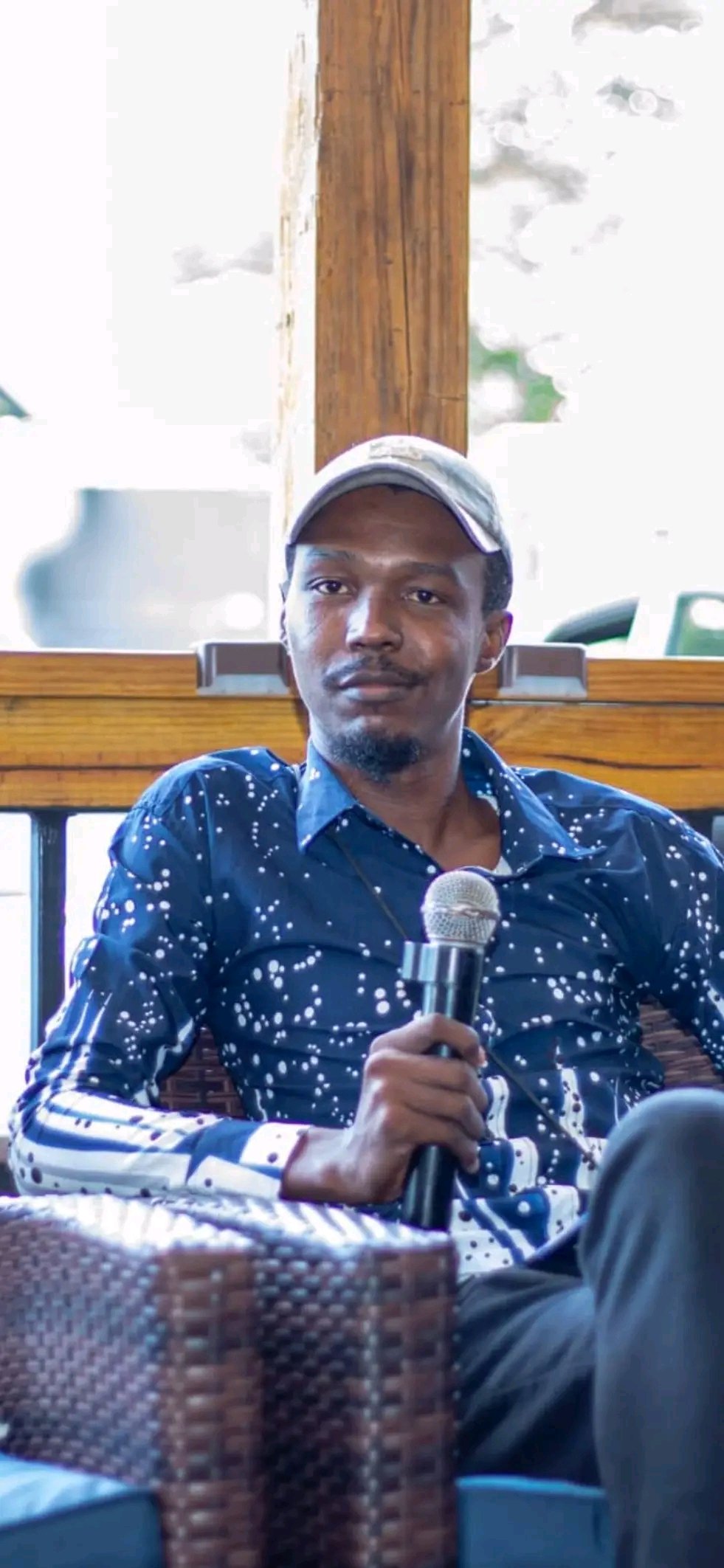
The impact of collective and individual trauma on the personal development of young people in Port-au-Prince While writers, actors, dancers, poets, among others, have gratified us with their performances, the master’s degree student in psychology at the Faculty of Human Sciences (FASCH), Lourdya Blaise, spoke with the audience about trauma. Structured around the theme "Youth and Trauma, analysis of the impact of collective and individual trauma on the personal development of young people living in Port-au-Prince between 2010-2024", this conference gave rise to enriching discussions. During this meeting, moderated by Michaël Formilus, Ms. Blaise showed how the events that have taken place in the country have caused cases of trauma among Haitians. According to the student, citing the American Psychological Association, we speak of trauma as a consequence of trauma. The latter is explained by the fact that we feel threatened, whether it is the person in question or their loved ones. However, she specifies that a collective trauma remains depending on the impact that the event has on the individual. To illustrate her remarks, she mentioned the earthquake of January 12, 2010, considered a collective trauma, insofar as it still occupies our minds. This tragedy reminds us of the disappearance of our loved ones and enormous losses. This is the case of a trauma that becomes a collective trauma. For the student, it should be emphasized that when an event occurs, some people are traumatized and others are not. According to him, the violence of armed gangs is not perceived in the same way, says Ms. Blaise. There are people who have fled their homes but are not traumatized. In fact, some people see traumatic situations as a passing event, she says. The speaker also spoke about collective trauma, which, according to him, preoccupies the mind, even if we no longer experience it. It manifests itself in several forms: lack of sleep, fear psychosis, intrusive thoughts, intense heartbeat, etc. Generally, symptoms related to trauma are hard to die. When it persists, it becomes acute stress. To deal with it, we must talk to other people. If the situation persists, acute stress turns into a phase of post-traumatic stress; in this case, we must confide in a trusted person or go see a mental health specialist, she advises. In her presentation, Lourdya Bazile also drew attention to the psychological state of children in these times. According to the presenter, children are also facing this crisis situation, even if they do not talk about it to their parents. As much as adults, children also plan their future. Faced with flouted school years, they become pensive and worried, she stressed. They withdraw. The child who used to be brilliant can become violent and perform less well at school. Parents are called upon to listen to them and understand them. A good moment of exchange, rich in practical advice. The audience participated fully. In turn, the presenter invites them to breathe better and meditate. "We live in a country where worries mix, we must take time for ourselves, do sports, eat well, make sure that the sleeping space is clean and take time for ourselves. There is more than one way to find calm," recalls the psychologist. Gertrude Jean-Louis
On Tuesday, March 11, 2025, the Haïti Jazz Foundation officially announced the launch of the 18th edition of Pap Jazz during a press conference with festival partners, such as the Canadian Embassy, represented by H.E. Mr. André François Giroux, the French Embassy represented by H.E. Mr. Antoine Michon, the Spanish Embassy represented by H.E. Mr. Marco Peñin Toledano, and the Mexican Embassy, represented by Mr. Jesús Cisneros, Chargé d’Affaires ad hoc of Mexico in Haiti. The Bank of the Republic of Haiti, represented by Mr. Rotchild Jean François Junior and Mrs. Stéphanie St Louis from the Direction of Artistic and Literary Creation, Ministry of Culture and Communication, Mr. Joel Widmaier, Artistic Director of the festival, along with the General Director of the Haïti Jazz Foundation, took the time to explain the details of this 18th edition, including the logistical complexities involved in organizing the festival this year due to the country’s precarious security situation. This edition will take place from March 20 to 22, 2025, across four venues: Quartier Latin, the Brazil-Haïti Cultural Center, the French Institute in Haiti, and the Karibe Hotel.
Haiti, a name that resonates in world history and culture, finds its roots in a rich and iconic past. This word is not simply a country name; it embodies an identity, a unique geography, and a struggle for freedom. Let’s dive into the origin and meaning of the word “Haiti” to better understand why this choice is deeply significant.
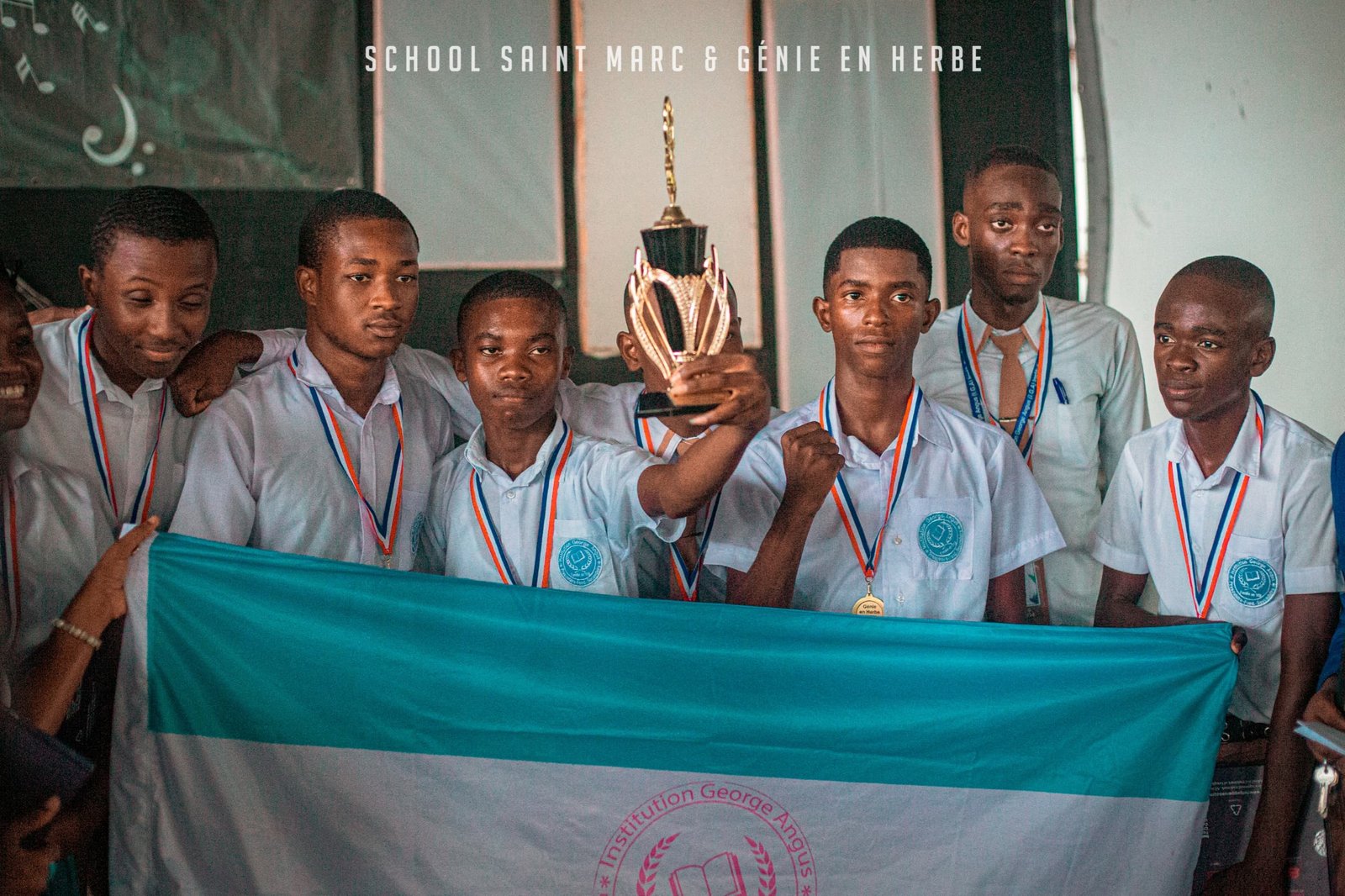
On March 17, 2024, the city of Saint-Marc vibrated to the rhythm of the first edition of the Concours de Génie en Herbe, a unique initiative full of promise for the local educational community. This event, organized by the dynamic Piqûre Intellectuelle team, brought together the best students in the region for a celebration of academic excellence and the spirit of camaraderie.
The Francophone Youth Parliament (PFJ) is an entity of the Parliamentary Assembly of the Francophonie (APF), which itself is part of the International Organization of La Francophonie (OIF). Established in 1999 during the Moncton Summit in Canada, this parliament for Francophone youth provides a genuine opportunity to forge connections among young people from the Francophone world. This real platform for debate and advocacy allows young people to have their voices heard and actively participate in shaping the future of La Francophonie. The body meets sequentially, with young people from almost all Francophone backgrounds gathering at each edition to discuss contemporary issues affecting global youth, such as precariousness, a lack of faith in democracy, characterized by a high number of young people abstaining from elections, a lack of civic engagement, the fight against inequalities, climate change, and even the impact of social media on youth. It is important to note that although the decisions made during these meetings are not legally binding, they remain powerful tools to describe the real will and needs of youth in the Francophone space, with the aim of facilitating actions by leaders.
Haitian cuisine is full of flavors, colors, and aromas that reflect the country’s history and cultural diversity. Among the most iconic dishes, "Diri sòs pwa ak legim" (rice, pea sauce, and vegetables) stands out as a true culinary treasure. This dish is much more than just a meal: it symbolizes the sharing, tradition, and creativity of Haitians. In this article, let’s discover why this dish is so popular and what makes it an icon of Haitian gastronomy.

First black nation to free itself from slavery and gain independence from France in 1804 and influenced other liberation movements around the world, inspiring struggles for freedom and equality.

Haïti is blessed with spectacular natural landscapes, including white sand beaches, mountains and rich biodiversity.

Haïti has a rich historical heritage, including sites like the Citadelle Laferrière and the Sans-Souci Palace, listed as UNESCO World Heritage Sites.

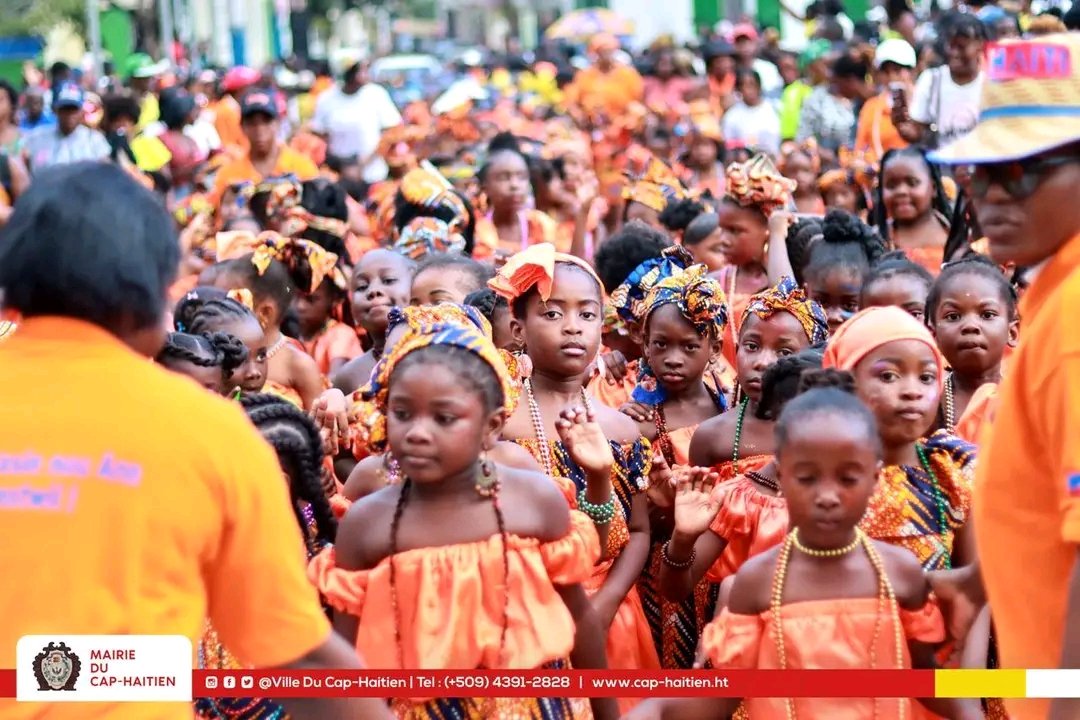
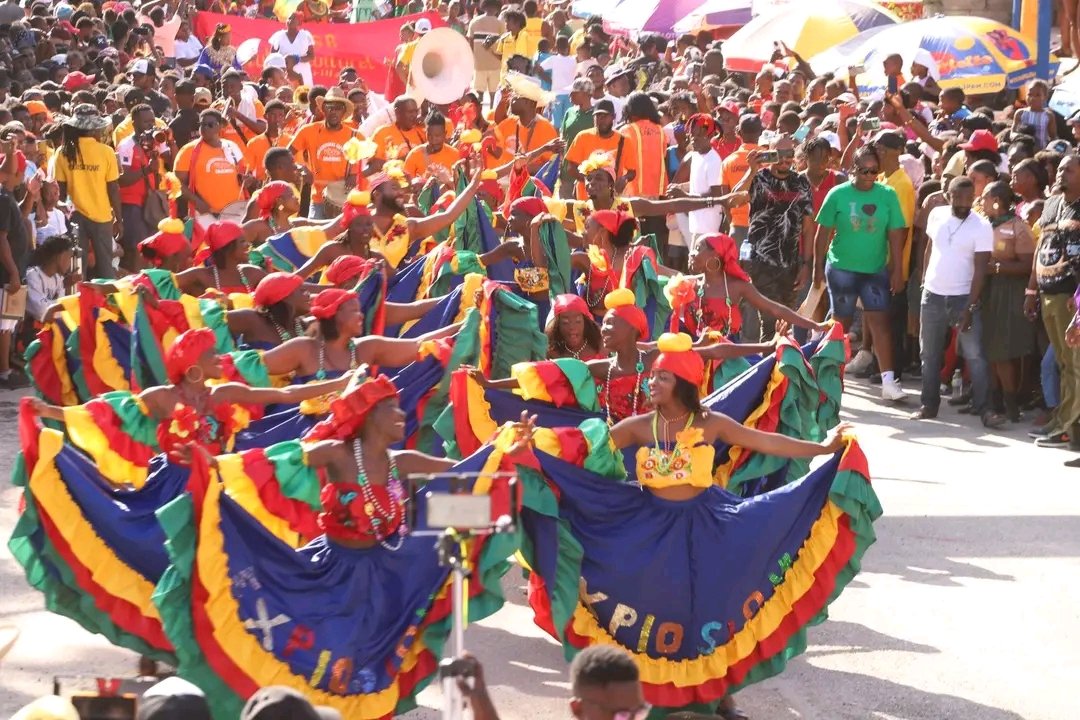
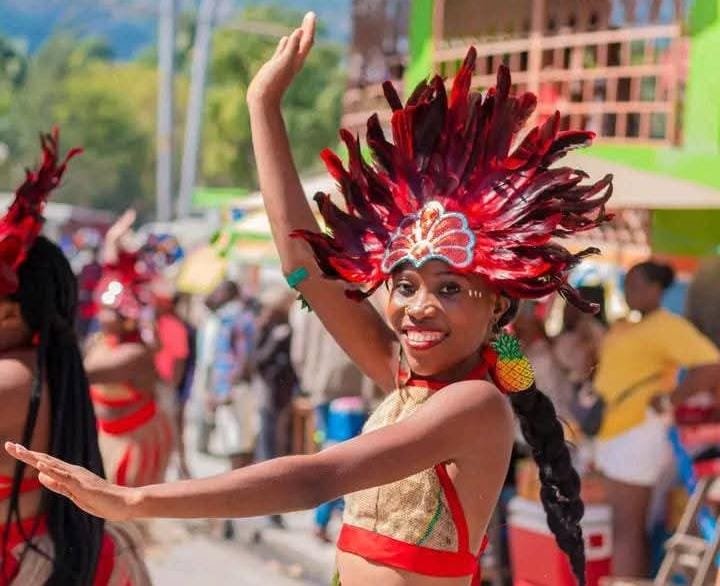
Haïti has a rich and diverse culture, influenced by African, European and indigenous elements. Haitian music, dance, art and cuisine are celebrated around the world.