
Children’s Carnival in Cap-Haïtien: A festive atmosphere in the heart of the city
Discover the Children's Carnival in Cap-Haïtien, a joyful celebration full of color and Haitian traditions!

On Saturday, July 13, 2024, the El Rancho Convention Center hosted the Made in Haïti Expo (MIH Expo), a major event aimed at promoting Haitian know-how and local industries. Organized in partnership with the Ministry of Commerce and Industry, the Association of Industries in Haïti (ADIH) and various other companies, this exhibition highlighted the richness and diversity of Haitian products.
Haitian musical sensation Rutshelle Guillaume has been awarded the prestigious Nuits d’Afrique Prize for Francophonie. This distinction was presented to her this Monday, the day after her electrifying performance which closed the festival, attracting hundreds of spectators impatient to see the performance of the one nicknamed the “Queen of Kompa”.
On January 25, 2025, the Banj headquarters, in Delmas 64, vibrated to the rhythm of the 3rd Young Activists Summit, an event organized by Rivalpromo509. More than 200 passionate and determined young people gathered to discuss the theme: "Political and technological exploration for a connected youth"
Nestled in the enchanting embrace of Haiti’s North East department lies a true marvel – Caracol. This picturesque area is more than just a destination; it’s a sanctuary where tranquility dances in harmony with the gentle whispers of nature. From the chirping of content birds to the warm smiles of its inhabitants, Caracol is a true wonderland waiting to be explored. One of the most captivating aspects of Caracol is its serene ambiance. Here, peace isn’t just a concept; it’s a way of life. Even the birds seem to sing with an extra ounce of joy, as if they’ve found their own slice of paradise amidst the lush greenery. Stepping into Caracol feels like entering a world where time slows down, allowing you to embrace the simple pleasures of life. But what truly sets Caracol apart is its people – kind-hearted souls who find solace in the simplicity of their daily lives. Engaged in activities like fishing and gardening, they embody a deep connection to the land that sustains them. And amidst it all, the industrious spirit of Caracol shines through, with the industrial parc serving as a beacon of progress and opportunity for the community. Yet, amidst the tranquil rhythm of everyday life, Caracol pulsates with the vibrant energy of Haitian culture. Voodoo, an integral part of local life, weaves its mystical threads into the fabric of daily rituals and traditions. And come July, the entire community comes alive with patronal celebrations that draw Haitian diaspora from every corner of the globe. It’s a time of joyous reunions, where cultural immersion meets spirited competitions, from exhilarating running races to thrilling boat races on the sparkling waters. As the sun sets on another day in Caracol, the excitement doesn’t end – it transforms. Carnival season, known as "mardi gras," casts its spell over the land, igniting the imaginations of children who eagerly don disguises and wield whips to make merry mischief. Laughter fills the air as they chase each other, their gleeful shrieks echoing through the streets, creating memories that will last a lifetime. In Caracol, every moment is a celebration, every day a testament to the resilience and warmth of its people. So, whether you’re seeking a tranquil retreat or a cultural adventure, Caracol invites you to discover its hidden wonders and experience the magic for yourself. After all, in this captivating corner of Haiti, every day is a journey into the heart of paradise.
Every year, on November 18, Haïti celebrates one of the most significant events in its history: the Battle of Vertières. This date, a symbol of courage and determination, recalls the decisive victory of Haitian troops over French colonial forces in 1803, thus paving the way for the independence of Haiti, proclaimed on January 1, 1804.
Article 2 of the Haitian Constitution of 1987, amended in 2011, establishes that the national colors are blue and red. These two colors are not simply aesthetic choices; they embody the history, culture, and aspirations of the Haitian people. Let’s dive into the deeper meanings and key facts associated with these emblematic colors. q~ARTICLE 2: The national colors are: blue and red.~q
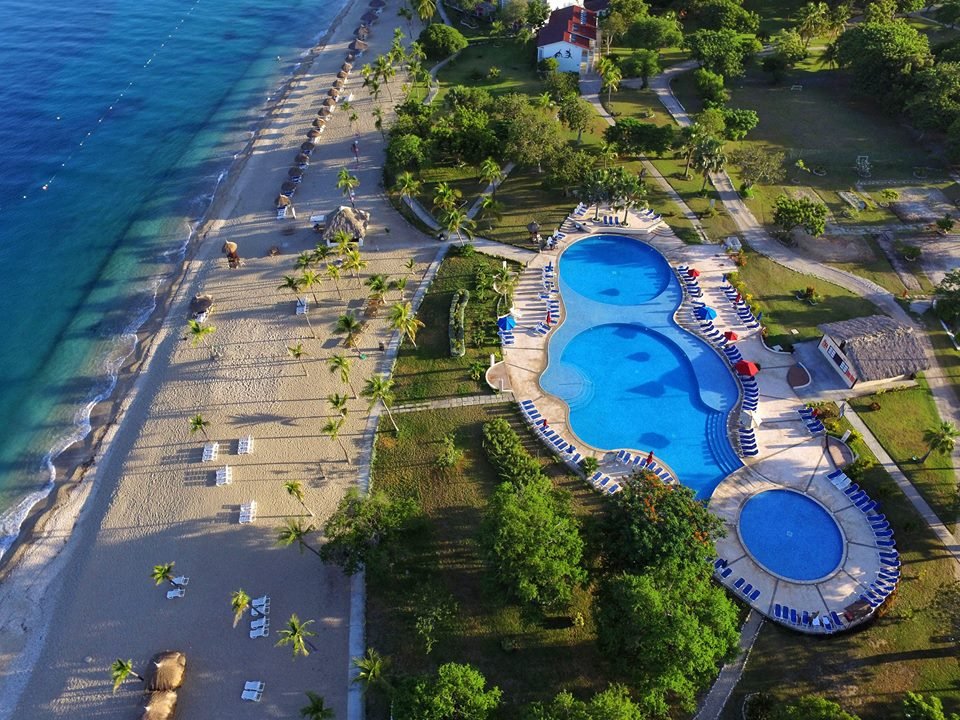
Haiti, pearl of the Caribbean, is full of natural and cultural treasures that deserve to be explored. Among these treasures, the breathtakingly beautiful beaches occupy pride of place. Here is our selection of the 10 must-see beaches to visit in Haiti, offering unique and memorable seaside experiences.
Haiti, a Caribbean republic with a rich historical past, is divided into ten departments comprising 140 communes. Its history dates back to pre-Columbian times with the Tainos, followed by European colonization and a historic rebellion against slavery and colonial rule, culminating in its independence in 1804. Despite its current challenges, Haïti offers remarkable natural beauty with its beaches, its mountains and its cultural diversity. Among its municipalities, some stand out for their charm and history. Here is a selection of five of the most remarkable communes in Haiti, inviting you to discover its hidden treasures.
Hey Generation Z, I know what you’re thinking: another weird dish? But trust me, even if it doesn’t look like much, millet is amazing! At first, you might cringe, but once you taste it, you’ll be asking for more. So, are you ready to embark on this culinary adventure?
The beaches of Petit-Goâve are true coastal escapes in Haiti. Nestled along the southwest coast of the island, in the West department of the Republic of Haiti, the town of Petit-Goâve is home to natural treasures that are often overlooked: its magnificent beaches. These coastal gems offer locals and visitors spaces for relaxation and leisure where fine sand meets the crystal clear waters of the sea.
Diri kole ak pwa, a signature dish of Haitian cuisine, was recently recognized by the prestigious culinary magazine Taste Atlas as one of the best bean dishes in the world. This distinction highlights one of Haiti’s most beloved dishes, where rice and beans come together to create a rich and comforting culinary experience.
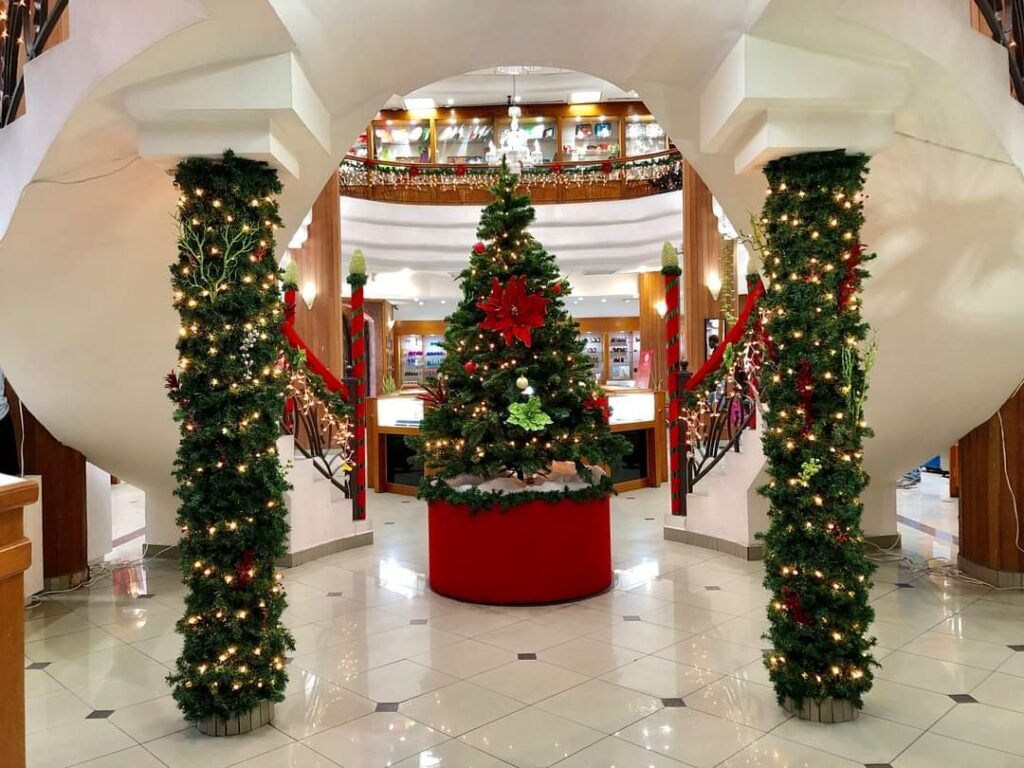
Christmas in Haïti is a holiday rich in flavors, where meals occupy a central place in the celebrations. More than just a moment of culinary sharing, the Christmas feast in Haïti is a true immersion in the culture and traditions of the country. This article explores the must-have dishes and unique flavors that make Christmas a memorable experience for Haitians and their guests.
Living in Prose and Poetry is an artistic and cultural event organized by the cultural organization Salon de Livre de Port-au-Prince (OCSLPAP) with the aim of bringing together young artists from the Haitian capital to exhibit them to a large audience . This edition will take place on Saturday July 27, 2024, at the pyépoudré cultural center, located at number 332 on the Route de Bourne. This year the organizers announce their mission is to bring together talents from various categories of arts, always with the aim of helping them to become familiar with each other, and to help create a solid link between them and the Haitian public. . The categories targeted by the organizers for this second edition are young poets, slammers, comedians, rappers, dancers, singers, painters, and writers who have already published at least one work. Living in prose and poetry will also be an opportunity to encourage Haitian youth to think. The first part of the event will be devoted to a discussion around a text by the famous Haitian writer Louis Philippe Dalembert, entitled The Other Face of the Sea. It is a novel which carefully addresses the subject of immigration and detachment that goes with it in the immigrant’s skin. It is a book that speaks openly to the reality of the Haitian people today. It has already been announced that this first part will be moderated by the journalist and literary critic Carl Pierrecq who works for the short story writer, and moderation will be provided by Pierre Marie, a young sociology student at the Faculty of Human Sciences (FASCH). After a largely successful first edition which took place in May 2023 in the premises of the municipal library of Delmas, the organizers of living in prose and poetry say they are determined and have made the promise for this year to deliver to the public port-au -princien, a cultural event of exceptional scale for the second outing. Once again, this will be the perfect opportunity to celebrate the great richness of Haitian culture through the organs of our young talents. Given the difficult context, manifested by the almost daily situation of insecurity which has prevailed for some time, in a good part of Port-au-Prince, the announcement of this event comes as a fresh breath of oxygen, scattered throughout the within the lungs of the city. It is yet another opportunity to remind through this artistic festivity that even in times of deep unrest, art will remain an indispensable light, because even in times of crisis, the latter and the artist (its channel of diffusion) will become refuges, sources of comfort and appeasement for all human souls.

First black nation to free itself from slavery and gain independence from France in 1804 and influenced other liberation movements around the world, inspiring struggles for freedom and equality.

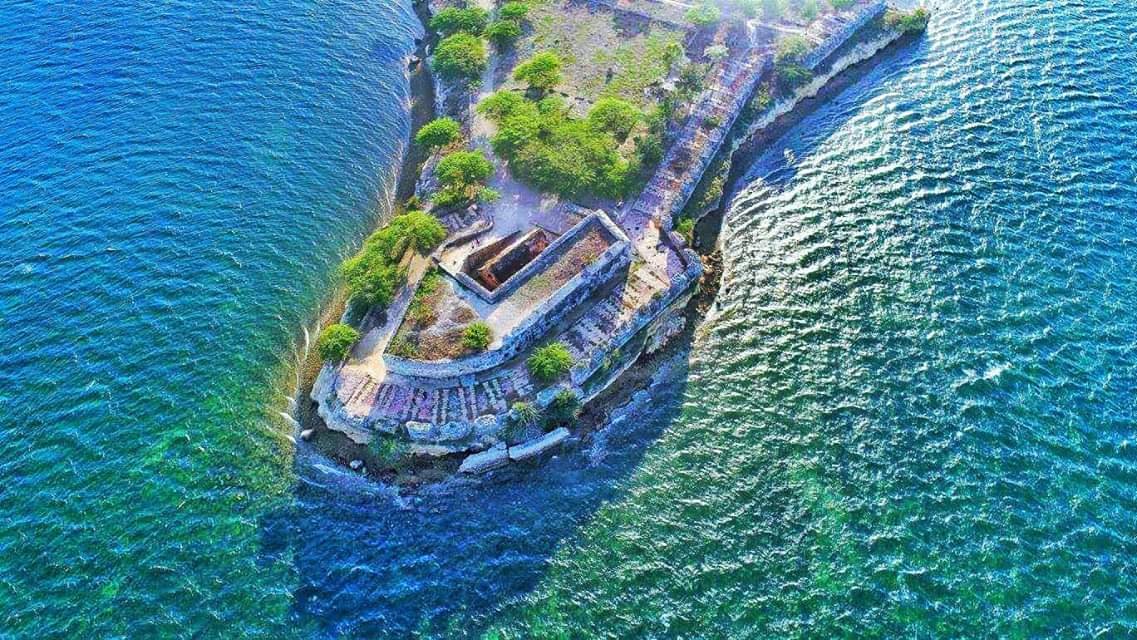
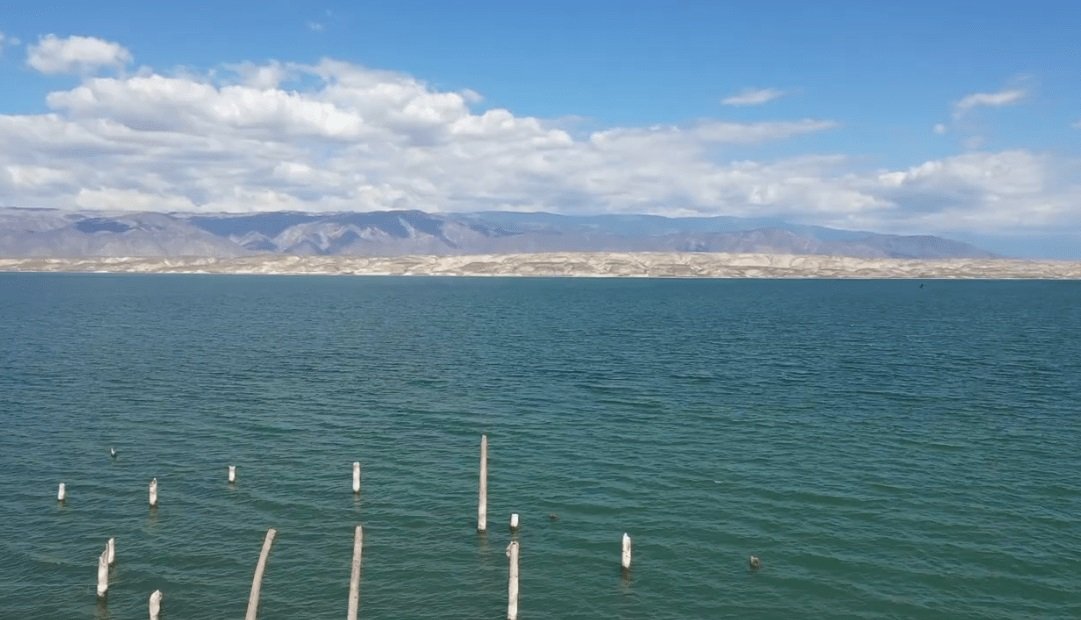
Haïti is blessed with spectacular natural landscapes, including white sand beaches, mountains and rich biodiversity.

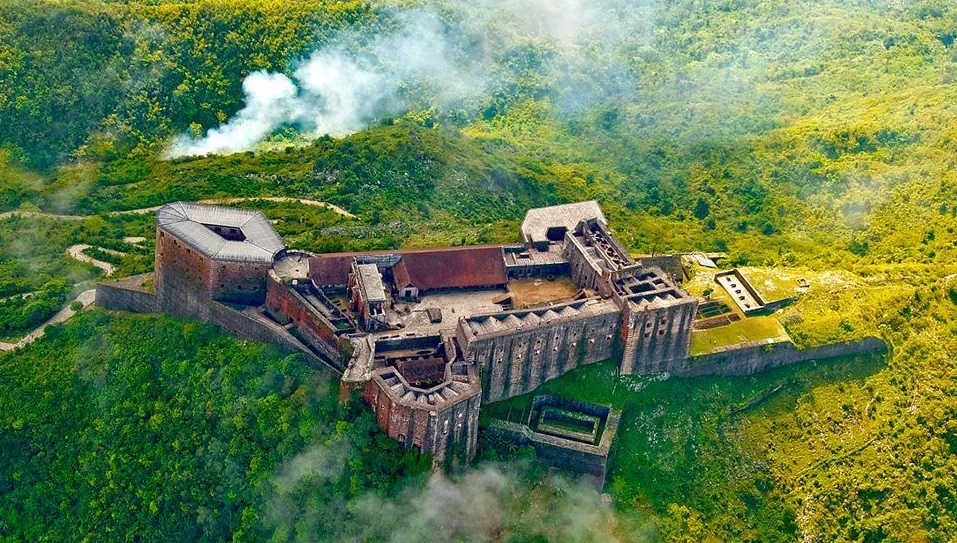
Haïti has a rich historical heritage, including sites like the Citadelle Laferrière and the Sans-Souci Palace, listed as UNESCO World Heritage Sites.

Haïti has a rich and diverse culture, influenced by African, European and indigenous elements. Haitian music, dance, art and cuisine are celebrated around the world.