

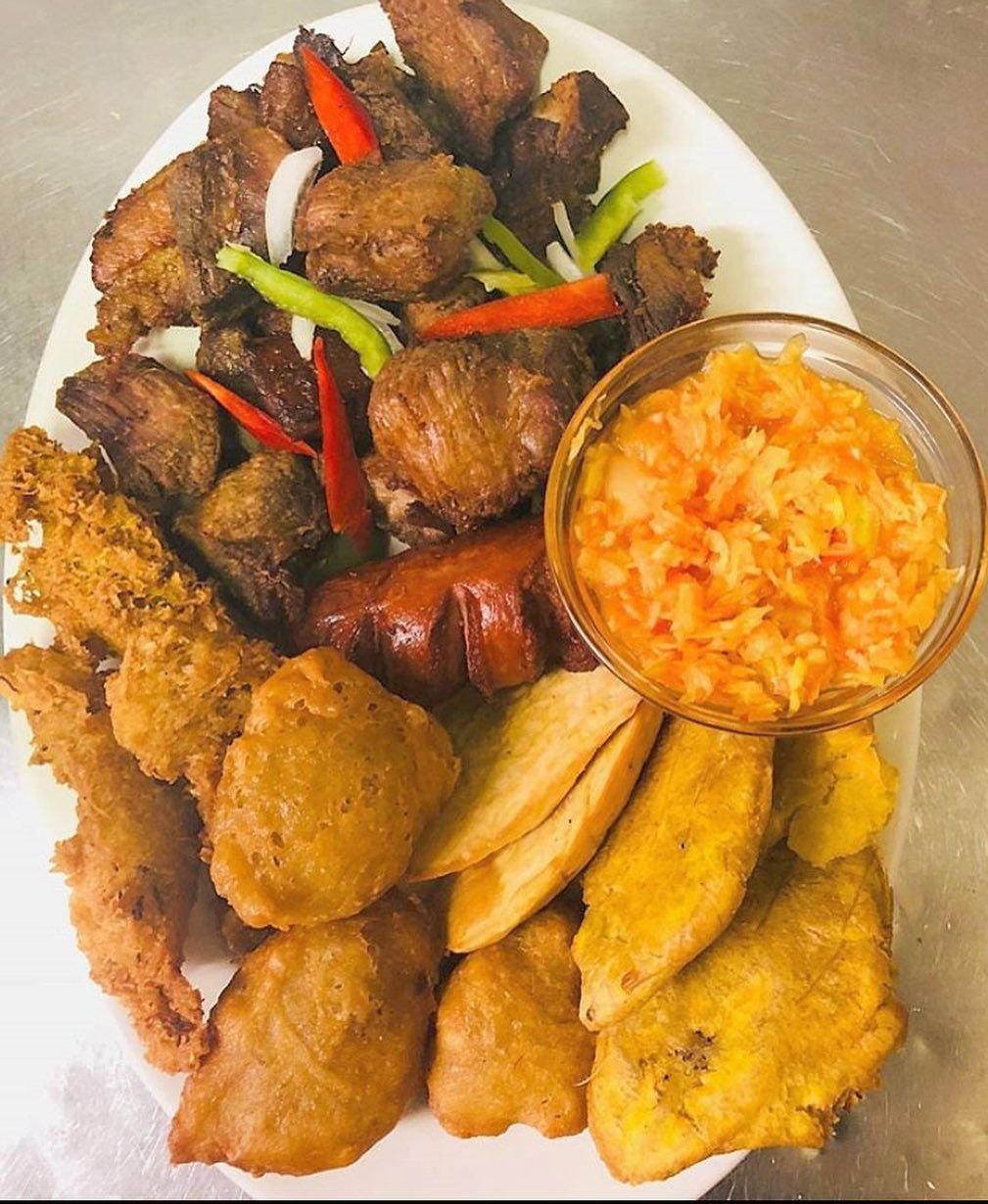




Haitian Cuisine - Delicious Corn à la "Bonne Femme": To your pots!
Readers and little chefs of Haïti Wonderland, I present to you on a golden platter the recipe for corn à la bonne femme. Take your time and share your creation in the comments!
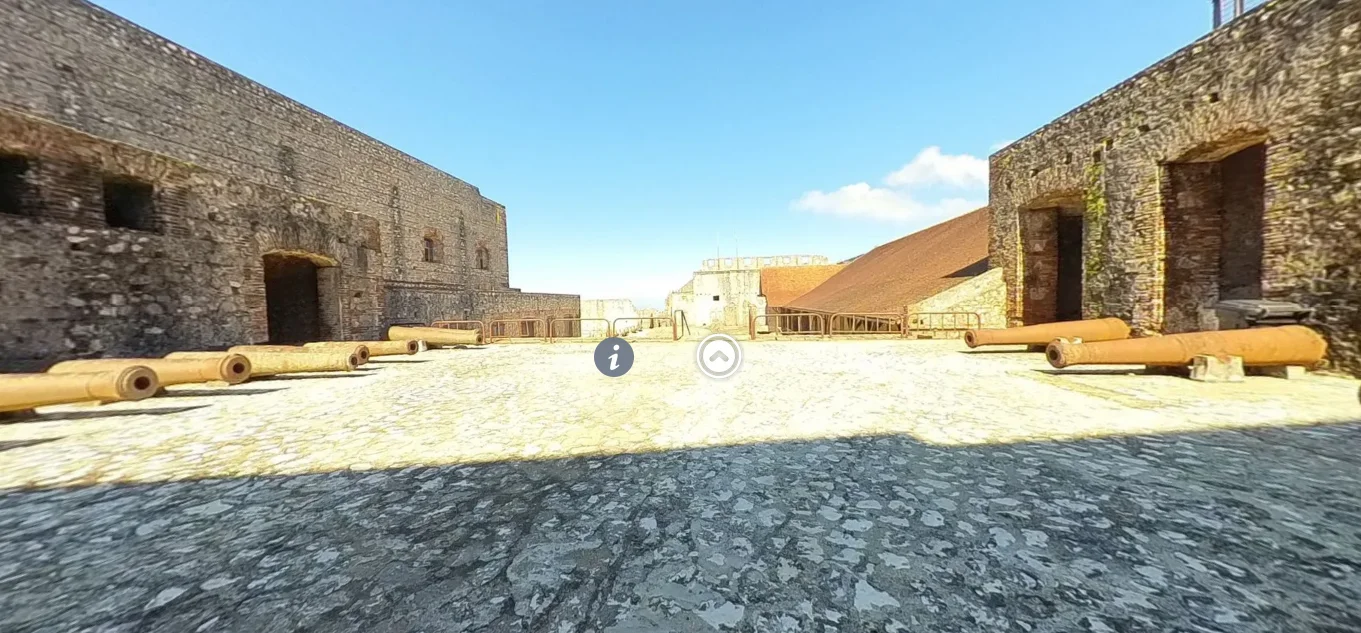
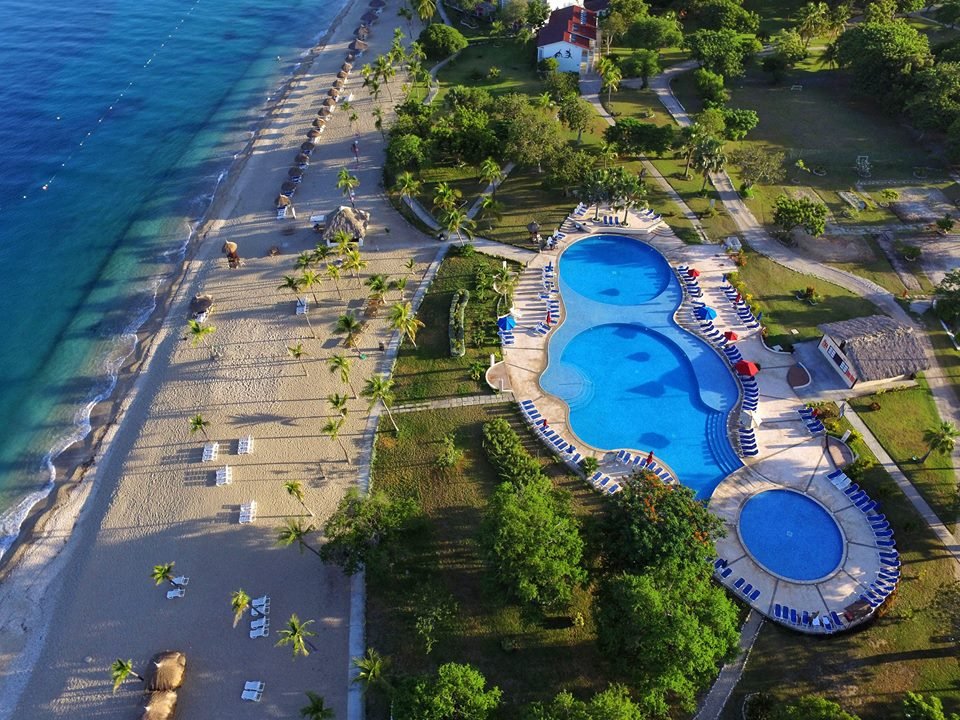
Haiti, often recognized for its rich history, vibrant culture and mountainous landscape, is also blessed with a stunning coastline lined with picturesque beaches. Haitian beach resorts offer a unique experience where white sand meets the crystal clear waters of the Caribbean Sea. These beach destinations are emerging as hidden gems, ready to be discovered by travelers hungry for sun and adventure. A Rich and Cultural History Haiti’s resorts don’t just offer breathtaking scenery; they are also steeped in rich history and culture. Visitors can explore historic sites such as the Citadelle Laferrière, a majestic fortress built in the early 19th century, or the Palais Sans-Souci, a former royal residence dating back to the colonial era. Additionally, Haitian music, dance and cuisine bring a lively and colorful touch to the seaside experience, giving visitors an authentic insight into local culture. Heavenly Beaches Haiti’s beaches are some of the most beautiful in the Caribbean, offering miles of pristine white sand bordered by sparkling turquoise waters. Destinations such as Jacmel, Labadee and Île-à-Vache offer tranquil retreats where visitors can relax in the tropical sun or indulge in a host of water activities, such as snorkeling, sailing and boating. kayak. Whether you’re looking for excitement or tranquility, Haiti’s beaches offer something for everyone. An Emerging Ecotourism Haïti is also becoming a popular destination for ecotourism enthusiasts. With its unique biodiversity and unspoilt landscapes, the country offers unique opportunities for bird watching, jungle hiking and discovering spectacular natural sites such as the Saut-d’Eau waterfalls and caves. Environmentally conscious travelers will find in Haïti a perfect balance between adventure and nature conservation. Haiti’s resorts offer much more than spectacular beaches. They offer immersion in a vibrant culture, fascinating history and preserved nature. By choosing to visit Haiti, travelers have the opportunity to discover a jewel of the Caribbean, while contributing to the economic development and well-being of this extraordinary country.
On Sunday, April 6, 2025, the Karibe Convention Center in Juvenat transformed into a true cultural temple to close the 18th edition of the Port-au-Prince International Jazz Festival (PAPJAZZ). This year, the festival took place under the evocative theme "PAP JAZZ it UP", and it was held in three sites primarily located in the Pétion-Ville commune. The festival took place entirely at these wonderful musical venues: a reference was made to the Latin Quarter, the Haiti-Brazil Cultural Center, and the Karibe Hotel. Due to the deteriorating situation in downtown Port-au-Prince in recent times, the French Institute site had to be abandoned by the festival organizers. Nevertheless, we can absolutely call this 18th edition of Pap Jazz a success. Indeed, this festival, now a major event of the Haitian year, was especially marked this year by the great resilience and determination of the organizers who were able to adapt to the country’s rhythm in order to satisfy their loyal festival-goers. Despite the difficult context, these festival-goers did not miss the opportunity to escape their harsh daily lives through music. It’s also important to note that this 18th edition of Pap Jazz took place after two postponements, at the very beginning of this year, with the last one occurring in March due to insecurity. In this regard, it is appropriate to call the monumental achievement of the Haïti Jazz Foundation and their partners an exceptional feat, as they were not discouraged and showed remarkable tenacity, while adapting to offer Port-au-Prince and its surroundings this moment of growth, beyond the city’s great sorrow, through music.
Haiti, a small Caribbean country, is a destination that is still too often unknown to the general public. However, this country is full of natural, historical and cultural treasures that deserve to be discovered. From its heavenly beaches to its impressive historical heritage, including its exquisite cuisine, Haïti offers a unique experience that will not fail to surprise and enrich those who choose to visit it.
Haiti’s bustling streets often echo with the tantalizing murmur of street vendors selling one of the country’s most prized culinary marvels: Fritay. This street feast, with its mouth-watering fried foods, is a true celebration of Haitian cuisine.
At the initiative of students Savela Jacques Berenji and Louino Robillard, the first two Haitians to have integrated the diploma program initiated by “SUNX, Climate Friendly Travel (CFT) and the Institute of Tourism Studies (ITS), the “ Club Zanmi Lanati” was officially launched on Saturday July 13, 2024, in Haiti, in Delmas 66. More than thirty young people took part in the initiative whose objective, among other things, is to combat climate change, promote responsible tourism, train citizens (ecological tourists) and encourage the creation of tourist and cultural wealth for sustainable development, according to the initiators.
In its quest to revitalize its tourism industry and highlight its natural and cultural riches, Haïti relies on a key player: the Ministry of Tourism. As a government entity dedicated to the promotion and development of tourism, this ministry plays a crucial role in transforming Haïti into a leading tourist destination. One of the main objectives of the Ministry of Tourism is to strengthen the attractiveness of Haïti to international travelers. To do this, it develops innovative marketing campaigns, highlighting the country’s pristine beaches, fascinating historical sites, rich culture and exquisite cuisine. These efforts aim to change the perception of Haïti and generate interest among potential tourists around the world. In collaboration with private sector players, the ministry is committed to supporting and promoting local tourism businesses. By encouraging entrepreneurship and innovation in the tourism sector, the ministry helps create jobs and stimulate the local economy. The Ministry of Tourism also attaches great importance to the preservation of the environment and cultural heritage of Haiti. It implements policies and initiatives aimed at protecting the country’s natural sites, national parks and historic monuments. By encouraging sustainable and responsible tourism, the ministry ensures that future generations will also be able to enjoy the beauty and cultural richness of Haiti. Finally, the Ministry of Tourism works closely with other national and international organizations to promote Haiti’s tourism development. Through strategic partnerships and exchanges of best practices, Haïti benefits from the expertise and support necessary to strengthen its tourism sector and increase its competitiveness in the global market. Haiti’s Ministry of Tourism is a key player in transforming the country into an attractive and sustainable tourist destination. Through its continued efforts to promote tourism, support local businesses, and preserve Haiti’s natural and cultural heritage, the ministry is paving the way for a bright future for the country’s tourism industry.
Carnival in Haïti is a must-see celebration that embodies the vibrant and festive soul of the country. Each year, this spectacular celebration attracts thousands of participants and visitors, fascinated by the energy, creativity and cultural richness of Haiti. It is a time when music, dance and traditions intertwine in a whirlwind of joy and national pride. Immerse yourself in the enchanting world of Haitian Carnival and discover everything that makes it a unique event.
Few people know that Haiti, often celebrated for its beaches and rich history, is also home to the largest cave system in the Caribbean. These underground formations, scattered across the country, are natural and cultural treasures that bear witness to millions of years of geological evolution and human interactions. Let’s dive into this fascinating universe together.
Nestled in the enchanting embrace of Haiti’s North East department lies a true marvel – Caracol. This picturesque area is more than just a destination; it’s a sanctuary where tranquility dances in harmony with the gentle whispers of nature. From the chirping of content birds to the warm smiles of its inhabitants, Caracol is a true wonderland waiting to be explored. One of the most captivating aspects of Caracol is its serene ambiance. Here, peace isn’t just a concept; it’s a way of life. Even the birds seem to sing with an extra ounce of joy, as if they’ve found their own slice of paradise amidst the lush greenery. Stepping into Caracol feels like entering a world where time slows down, allowing you to embrace the simple pleasures of life. But what truly sets Caracol apart is its people – kind-hearted souls who find solace in the simplicity of their daily lives. Engaged in activities like fishing and gardening, they embody a deep connection to the land that sustains them. And amidst it all, the industrious spirit of Caracol shines through, with the industrial parc serving as a beacon of progress and opportunity for the community. Yet, amidst the tranquil rhythm of everyday life, Caracol pulsates with the vibrant energy of Haitian culture. Voodoo, an integral part of local life, weaves its mystical threads into the fabric of daily rituals and traditions. And come July, the entire community comes alive with patronal celebrations that draw Haitian diaspora from every corner of the globe. It’s a time of joyous reunions, where cultural immersion meets spirited competitions, from exhilarating running races to thrilling boat races on the sparkling waters. As the sun sets on another day in Caracol, the excitement doesn’t end – it transforms. Carnival season, known as "mardi gras," casts its spell over the land, igniting the imaginations of children who eagerly don disguises and wield whips to make merry mischief. Laughter fills the air as they chase each other, their gleeful shrieks echoing through the streets, creating memories that will last a lifetime. In Caracol, every moment is a celebration, every day a testament to the resilience and warmth of its people. So, whether you’re seeking a tranquil retreat or a cultural adventure, Caracol invites you to discover its hidden wonders and experience the magic for yourself. After all, in this captivating corner of Haiti, every day is a journey into the heart of paradise.
In the digital panorama of Haiti, Guy Alain Appolon stands out as an essential figure, particularly in the field of web development. Its name resonates as a reference for quality and innovation. What sets Appolon apart is his ability to merge art and code, an ability forged by his multiple talents, notably as a painter, computer graphic designer and musician, giving him extraordinary creativity.
Haiti’s largest plateau is the Central Plateau. This vast territory, located in the central region of the country, is an emblematic area of Haiti’s environment, rich in natural resources, history, and agricultural potential. In this article, we will explore the characteristics of this plateau that make it an essential region for understanding Haiti.
Haiti, the jewel of the Caribbean, is full of historical and tourist treasures just waiting to be explored. From its historic monuments to its idyllic beaches to its vibrant culture, the country offers a unique experience to every visitor. But today, there is no need to pack your bags to discover these wonders. Thanks to virtual reality, Haïti invites itself to your home with Haïti Wonderland, an immersive adventure that transports you to the heart of its most emblematic sites, wherever you are in the world.
Since its launch in 2018, Appo-Graphic has established itself as the indisputable leader in the field of creating websites and mobile applications in Haiti. Specializing in a wide range of services, the agency stands out for its unrivaled expertise and commitment to providing tailor-made solutions for its clients. Whether you are a company looking to develop an e-commerce site, a government institution wishing to modernize its intranet system, or even an individual wishing to create a personal blog, Appo-Graphic is here to make your vision a reality. With extensive experience and in-depth mastery of cutting-edge technologies, the Appo-Graphic team guides its clients through every step of the process, from initial design to final implementation. What sets Appo-Graphic apart from its competitors is its commitment to user experience. The agency’s developers are experts in UI/UX design, creating sites and apps that captivate visitors and inspire them to take action. With over a hundred successful projects under their belt, including intranet sites for hotels, schools and restaurants, the Appo-Graphic team has valuable experience to meet the most demanding needs of its diverse clientele. . In addition to its design expertise, Appo-Graphic also excels in the field of natural referencing (SEO). Using advanced SEO techniques, the agency ensures that its clients receive maximum visibility on search engines, helping to generate traffic and boost sales. But Appo-Graphic’s commitment does not stop there. As a full-fledged communications agency, it also offers brand identity creation, social media management and digital strategy development services. Whether you need an impactful new logo or a complete digital marketing campaign, the Appo-Graphic team is ready to turn your ideas into tangible results. If you are looking to bring your web project to life, do not hesitate to contact Appo-Graphic today. With their personalized approach and commitment to excellence, they are ready to make your vision a reality. Call now on 36184317 to discuss your needs and get a free quote. And don’t forget to visit their website www.appographic.com to check out some of their impressive work. Need to be positioned first in search results for your field of activity? Read this article: https://haitiwonderland.com/haiti/entreprise/agence-seo-haiti--experts-en-seo-referencement-naturel/85
In Haiti, Christmas is a time of joy, festivities, and community gatherings. Between cultural traditions, religious celebrations, and festive entertainment, there is so much to experience and discover. This article presents the five must-see events that make Christmas so special in Haiti, and that are definitely worth your attention.

First black nation to free itself from slavery and gain independence from France in 1804 and influenced other liberation movements around the world, inspiring struggles for freedom and equality.

Haïti is blessed with spectacular natural landscapes, including white sand beaches, mountains and rich biodiversity.

Haïti has a rich historical heritage, including sites like the Citadelle Laferrière and the Sans-Souci Palace, listed as UNESCO World Heritage Sites.

Haïti has a rich and diverse culture, influenced by African, European and indigenous elements. Haitian music, dance, art and cuisine are celebrated around the world.