


Haitian Cuisine: Chiktay Aransò Recipe!
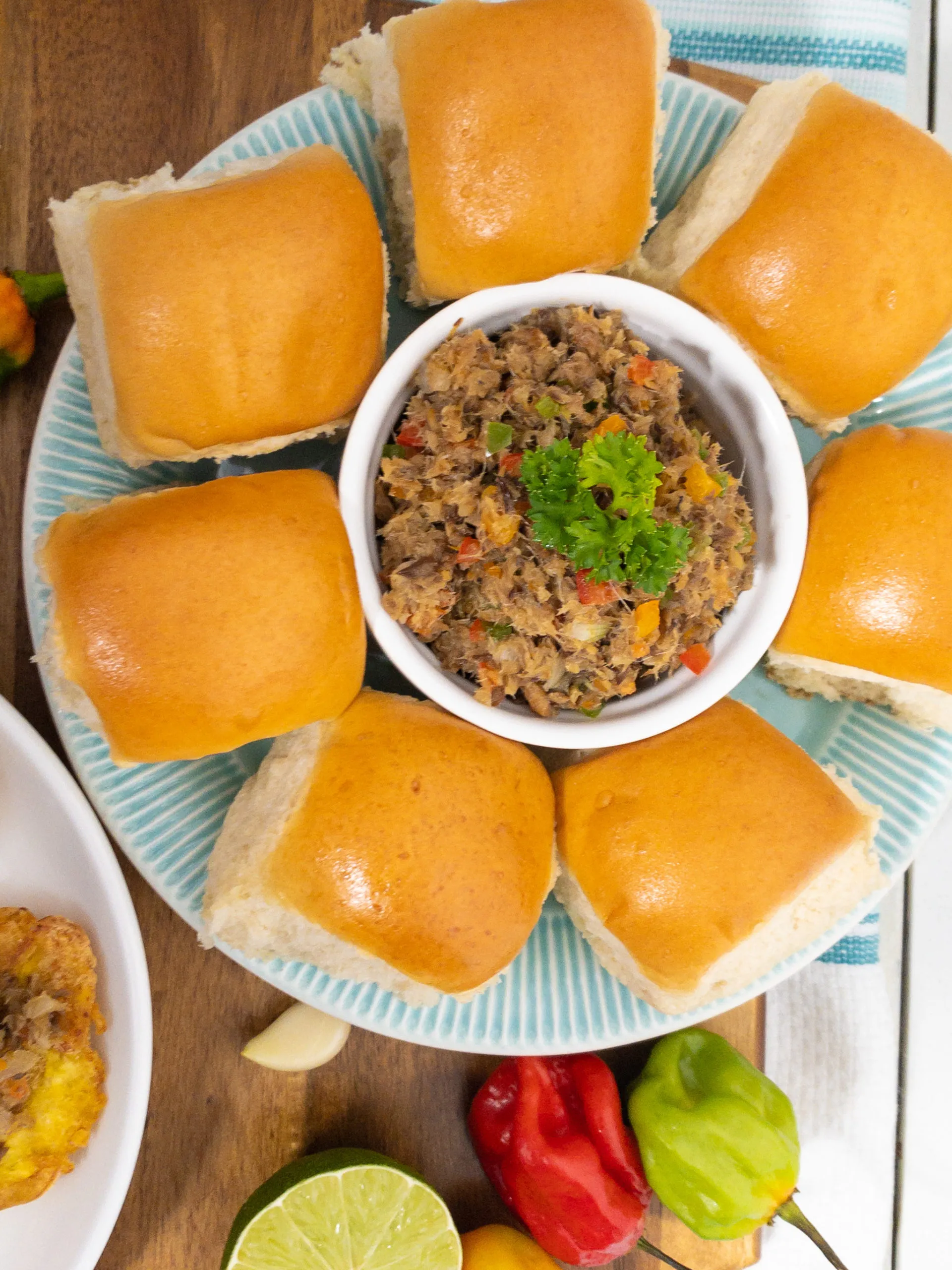
Smoked herring chiquetaille, or chiktay aransò, is perfect as a starter or side dish with bread or cassava.
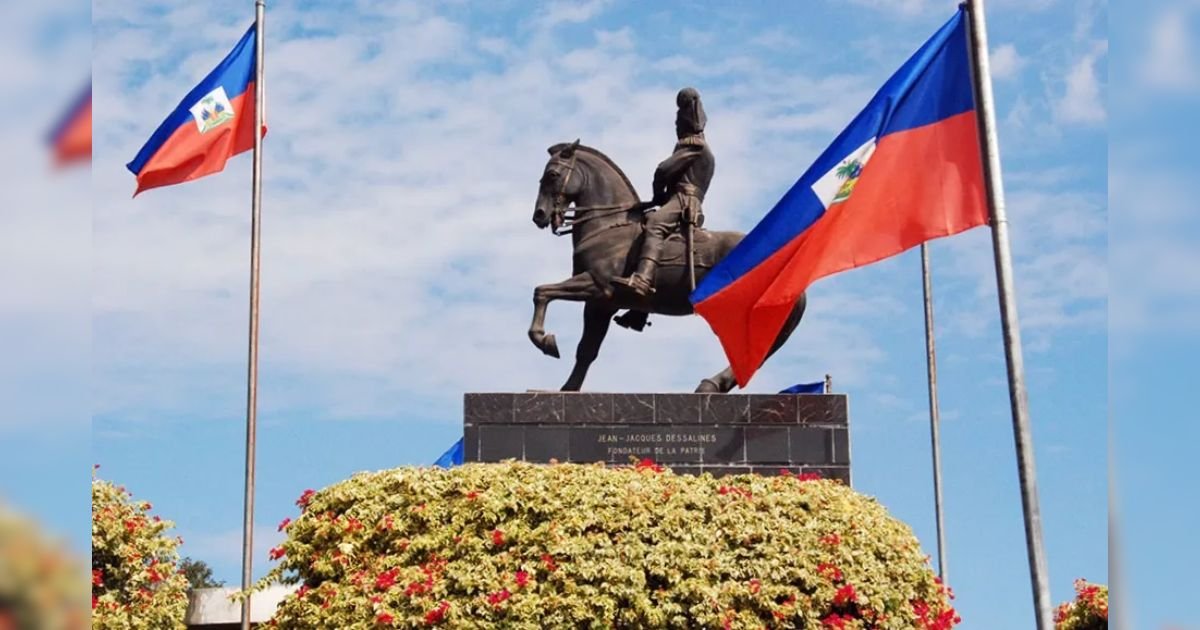
Haiti’s history is marked by founding events, and one of the most significant remains the birth of the Republic of Haïti in 1804. The first president of the Republic of Haiti, a key figure in this history, played a crucial role in the creation of the modern Haitian state. This article invites you to discover the man who marked this major turning point in the history of Haiti: Jean-Jacques Dessalines.
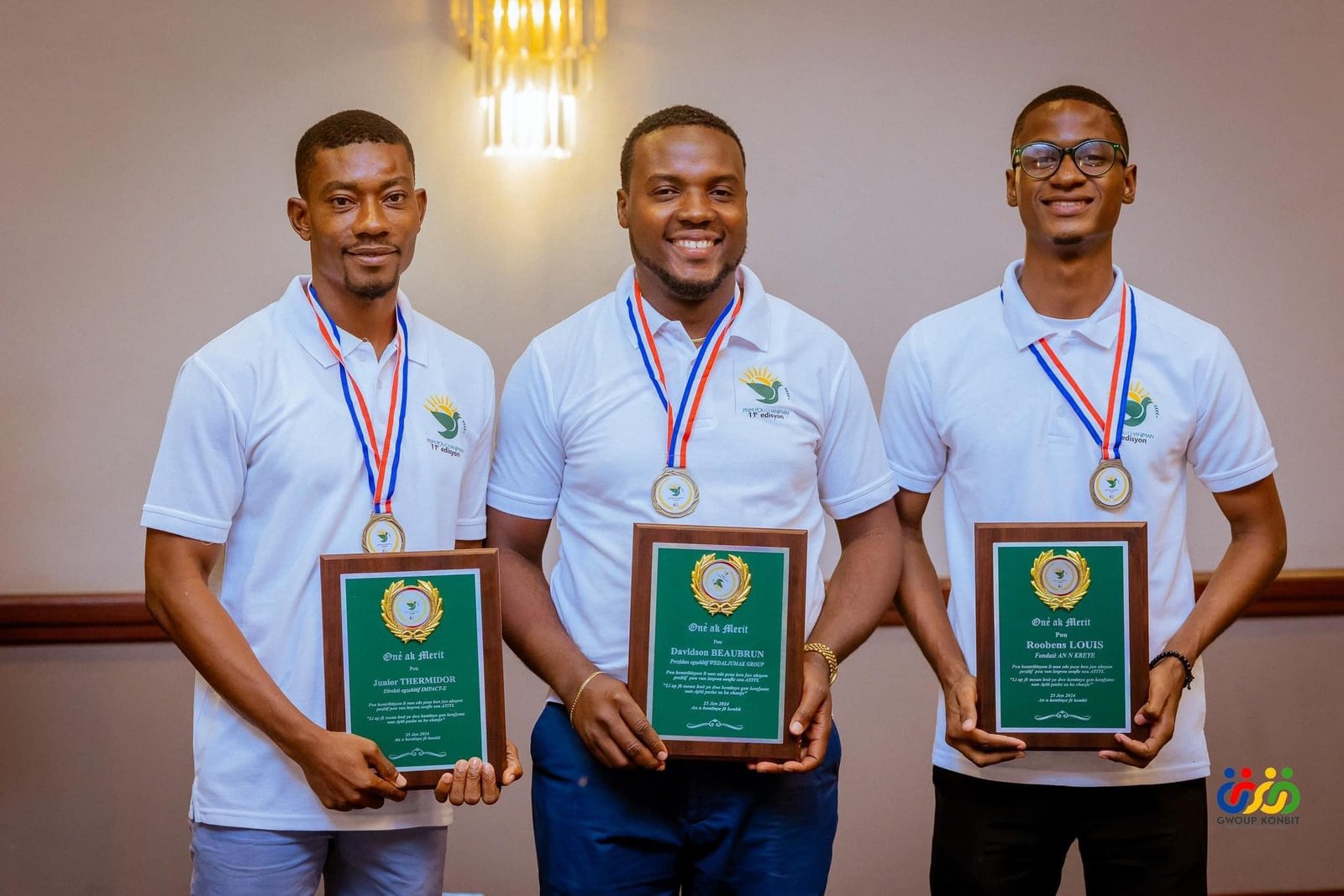
Since 2014, the “PRIM POU CHANJMAN” (PPC) initiative, orchestrated by Gwoup Konbit through Leaders of Tomorrow, honors extraordinary young Haitians who carry out remarkable actions to improve their community. Initially called the “CITE SOLEIL PEACE PRIZE” and limited to young people from Cité Soleil, this program expanded in 2023 to include all young people in the country with a positive social impact. For its 11th edition, three young leaders were rewarded for their dedication and social influence in their respective communities.
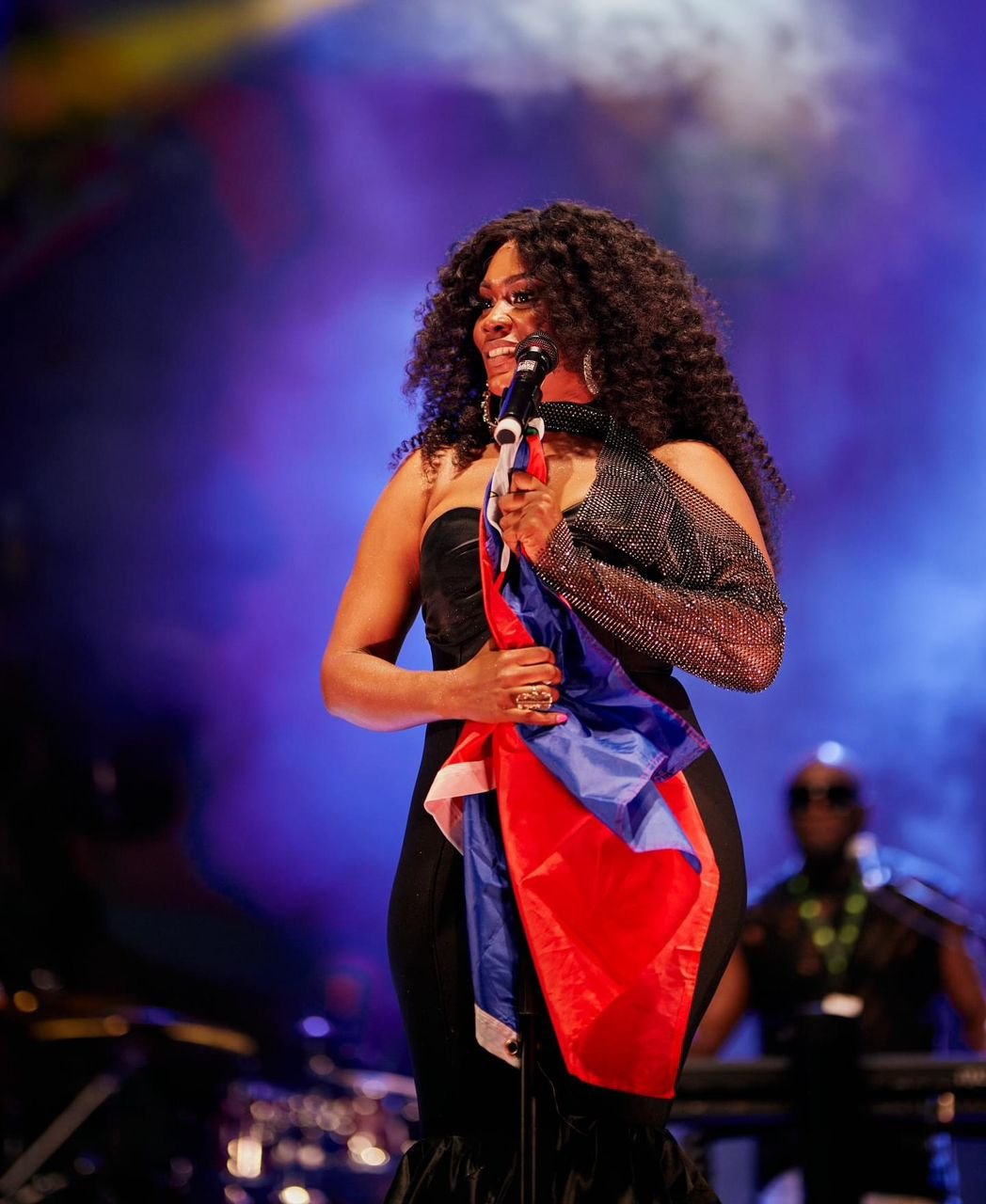
Haitian musical sensation Rutshelle Guillaume has been awarded the prestigious Nuits d’Afrique Prize for Francophonie. This distinction was presented to her this Monday, the day after her electrifying performance which closed the festival, attracting hundreds of spectators impatient to see the performance of the one nicknamed the “Queen of Kompa”.
Schneider Léon Hilaire is a young Haitian painter endowed with exceptional talent, trained at the prestigious Centre d’Art in Port-au-Prince. From the very beginning, he captured the hearts of art lovers throughout the Haitian capital, quickly making a positive impression on the local art scene. His talent, nourished by the rich and diverse Haitian culture, has not been confined to the borders of Haiti. Indeed, after a successful exhibition in Paris last year, Schneider Léon Hilaire’s work has found a new place to spread its wings, continuing to captivate beyond the oceans.
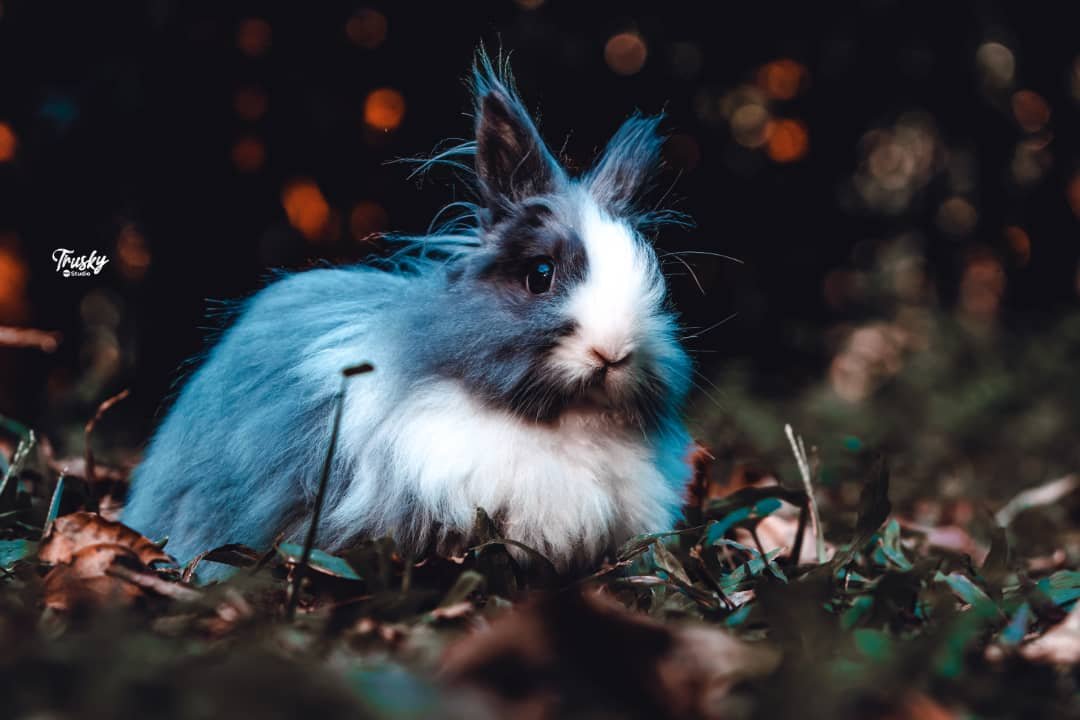
Les lapins sont des mammifères appartenant à la famille des Leporidae. Voici quelques-unes de leurs caractéristiques principales : 1. **Physique** : Les lapins ont un corps couvert de fourrure douce, des oreilles longues et droites, de grands yeux sur les côtés de leur tête, et une queue courte et duveteuse. Ils possèdent de puissantes pattes arrière adaptées au saut. 2. **Taille et poids** : La taille et le poids peuvent varier considérablement selon la race, allant d’environ 500 grammes pour les plus petits à plus de 5 kilogrammes pour les plus grands. 3. **Comportement** : Les lapins sont connus pour être sociaux et peuvent vivre en groupes dans la nature. Ils communiquent entre eux par différents moyens, y compris par des sons et des mouvements corporels. Les lapins creusent des terriers pour y vivre et se protéger des prédateurs. 4. **Alimentation** : Ils sont herbivores, se nourrissant principalement de foin, d’herbes, de feuilles, de fleurs, et de certains légumes. Leur système digestif est adapté pour traiter une grande quantité de fibres. 5. **Reproduction** : Les lapins sont réputés pour leur capacité à se reproduire rapidement, avec des gestations courtes d’environ 28 à 31 jours. Une portée peut compter de un à douze lapereaux, selon la race. 6. **Sens** : Ils ont une excellente vision périphérique pour détecter les mouvements tout autour d’eux, mais ont une zone aveugle juste devant leur nez. Leur ouïe est également très développée, leur permettant de capter des sons à de grandes distances. 7. **Espérance de vie** : En captivité, les lapins peuvent vivre de 7 à 10 ans, selon la race et les soins prodigués, tandis que dans la nature, leur espérance de vie est généralement plus courte en raison des prédateurs et des maladies. Ces animaux nécessitent des soins appropriés, notamment un régime alimentaire équilibré, de l’exercice, et une attention particulière à leur bien-être émotionnel et physique pour vivre une vie saine et heureuse en captivité.
Haiti, a jewel of the Caribbean where history, culture and nature meet to create an unforgettable experience. Whether you are passionate about adventure, relaxation or cultural discovery, Haïti offers a variety of activities that will captivate your heart. Here are 10 essential things to do in this paradise country.
Haïti holds a unique and iconic place in world history as the first independent black republic. This historical fact, inscribed in the annals of the world, is a source of pride for the Haitian people and an inspiration for freedom and equality movements throughout the centuries. Let’s discover together the events that led to this historical feat and its impact on the international scene.
On Thursday, October 24, 2024, the Center for Political and Diplomatic Studies, CEPOD, launched its Diplomatic Fortnight via a summit that took place at the Montana Hotel in Pétionville. The event took place under the theme of Haiti’s place in globalization, and in the presence of an audience of distinguished guests. consisting of public authorities such as the current Haitian Prime Minister, Dr. Garry Conille (Honorary President of the summit); his Minister Delegate for Humanitarian Affairs, Mr. Herwil Gaspard; Foreign diplomats, among whom we can cite the Canadian Ambassador, Mr. André François Giroux (Guest of Honor of the summit); Dr. Christian Mouala, Country Director of UNAIDS Haiti, and a group of other public figures (such as sociologist Daniel Supplice), members of the press, such as senior journalist, Rotchild François Junior and students of all kinds.
La musique joue un rôle crucial dans la formation de l’identité d’une nation, en haïti, elle occupe une place centrale dans la vie de presque tous les haïtiens. Elle est utilisée comme étant l’un des moyens les plus fiables dont se sert le peuple haïtien pour s’évader face aux nombreux événements qui constituent l’essentiel de son quotidien. Le genre musical qui prédomine en haïti est le compas direct. Créer par l’esprit créatif haïtien, le compas à évoluer au fil des années pour aboutir jusqu’à sa position actuelle.
Haiti, pearl of the Antilles, is a multifaceted country where vibrant culture is manifested through its captivating music and dances. Let’s dive into the sound and choreographic world of Haiti, exploring the catchy rhythms, captivating melodies and graceful movements that captivate souls around the world.
Haïti is much more than a Caribbean island. It is a country rich in history, culture, gastronomy, and nature. Behind the challenges it has faced, Haïti shines with its unique heritage and major historical role. Here are seven fascinating facts that show why Haïti is a land of pride.
Haiti, rich in history and culture, celebrates several national holidays throughout the year. These celebrations reflect the identity and resilience of the Haitian people, marking key moments in their history and honoring their traditions. Discover the most important national holidays in Haiti, their meanings and how they are celebrated.
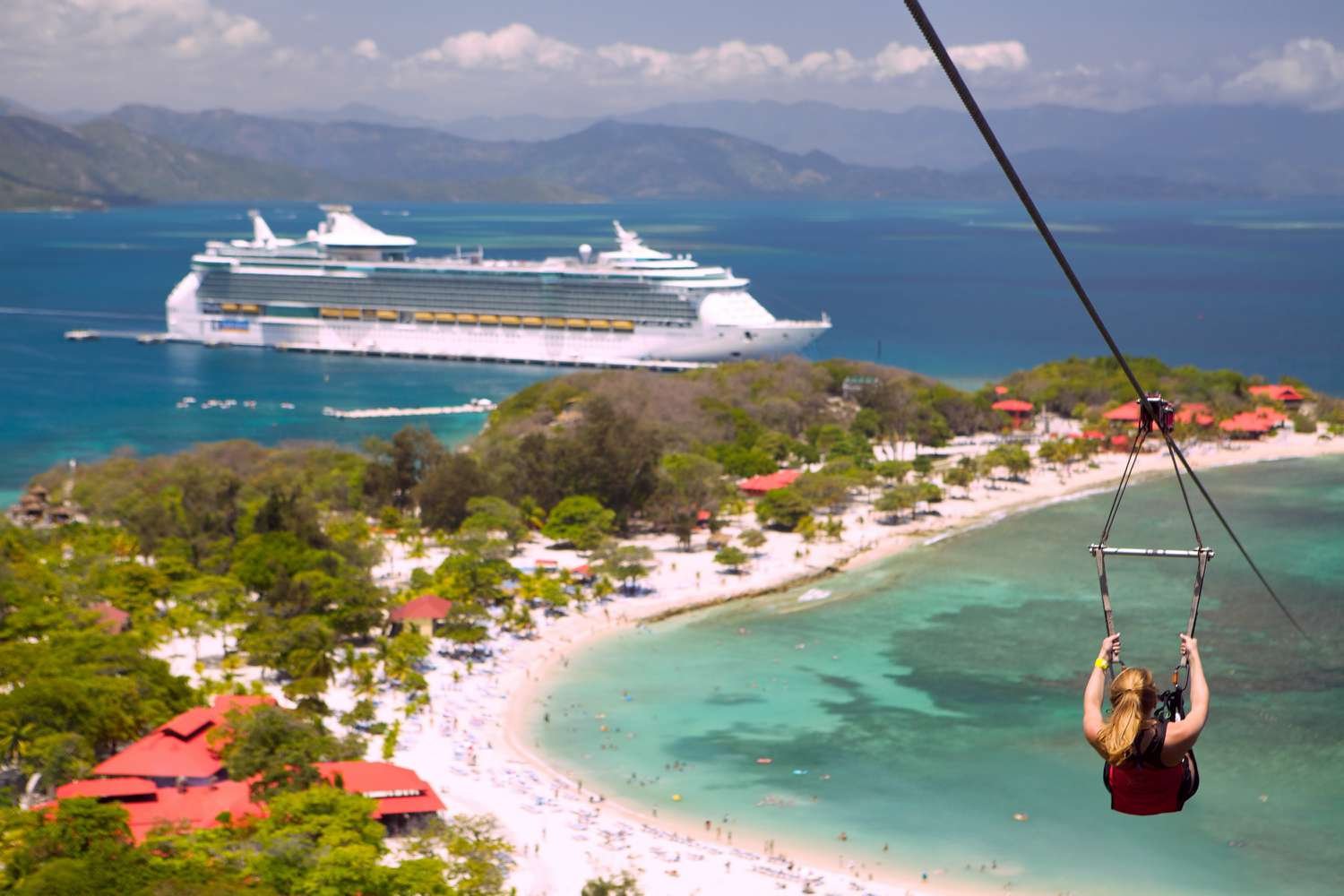
Looking for a change of scenery, breathtaking landscapes, and a unique cultural immersion? Haïti is a little-known destination full of treasures to discover. From its heavenly beaches to its verdant mountains, its captivating history and its gastronomy rich in flavors, Haïti seduces adventurers and culture enthusiasts alike. In this article, dive into the wonders of this Caribbean island and discover why Haïti is a jewel to absolutely explore.
Port-au-Prince, June 26, 2025 - During a ceremony held at the El Rancho Hotel, the Haïti Wonderland website haitiwonderland.ht was named the best Creole website using the .ht national domain for 2025. This prestigious award was presented at the national competition "Pi bon sit an kreyòl ki sèvi ak domèn .ht," organized by ISOC Haïti (Internet Society) and the Fondation Rezo pou Devlopman Dirab Ayiti (FRDDH).

First black nation to free itself from slavery and gain independence from France in 1804 and influenced other liberation movements around the world, inspiring struggles for freedom and equality.

Haïti is blessed with spectacular natural landscapes, including white sand beaches, mountains and rich biodiversity.

Haïti has a rich historical heritage, including sites like the Citadelle Laferrière and the Sans-Souci Palace, listed as UNESCO World Heritage Sites.

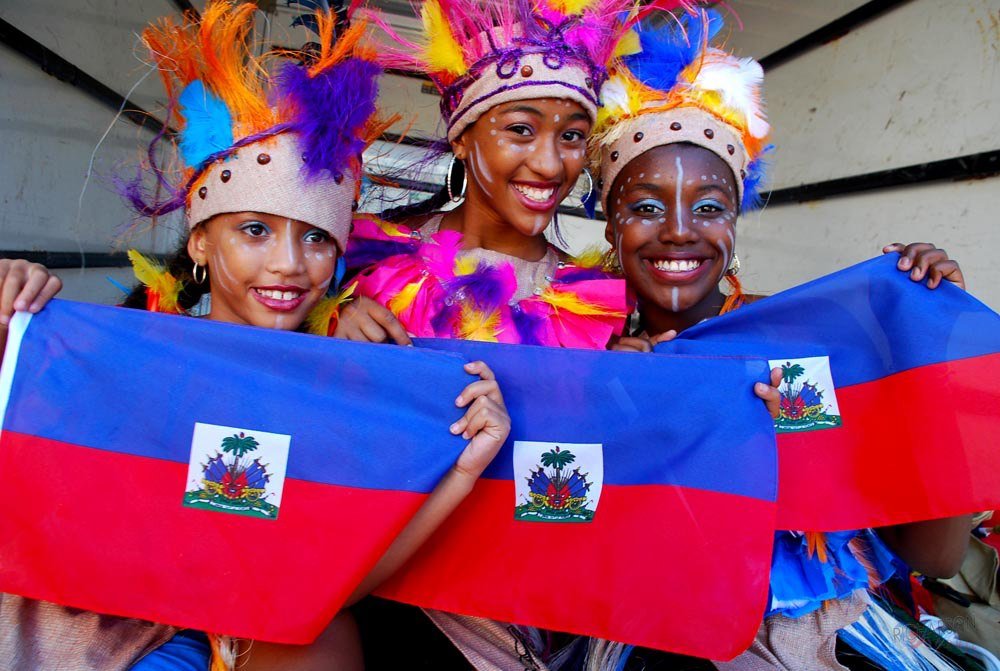
Haïti has a rich and diverse culture, influenced by African, European and indigenous elements. Haitian music, dance, art and cuisine are celebrated around the world.