
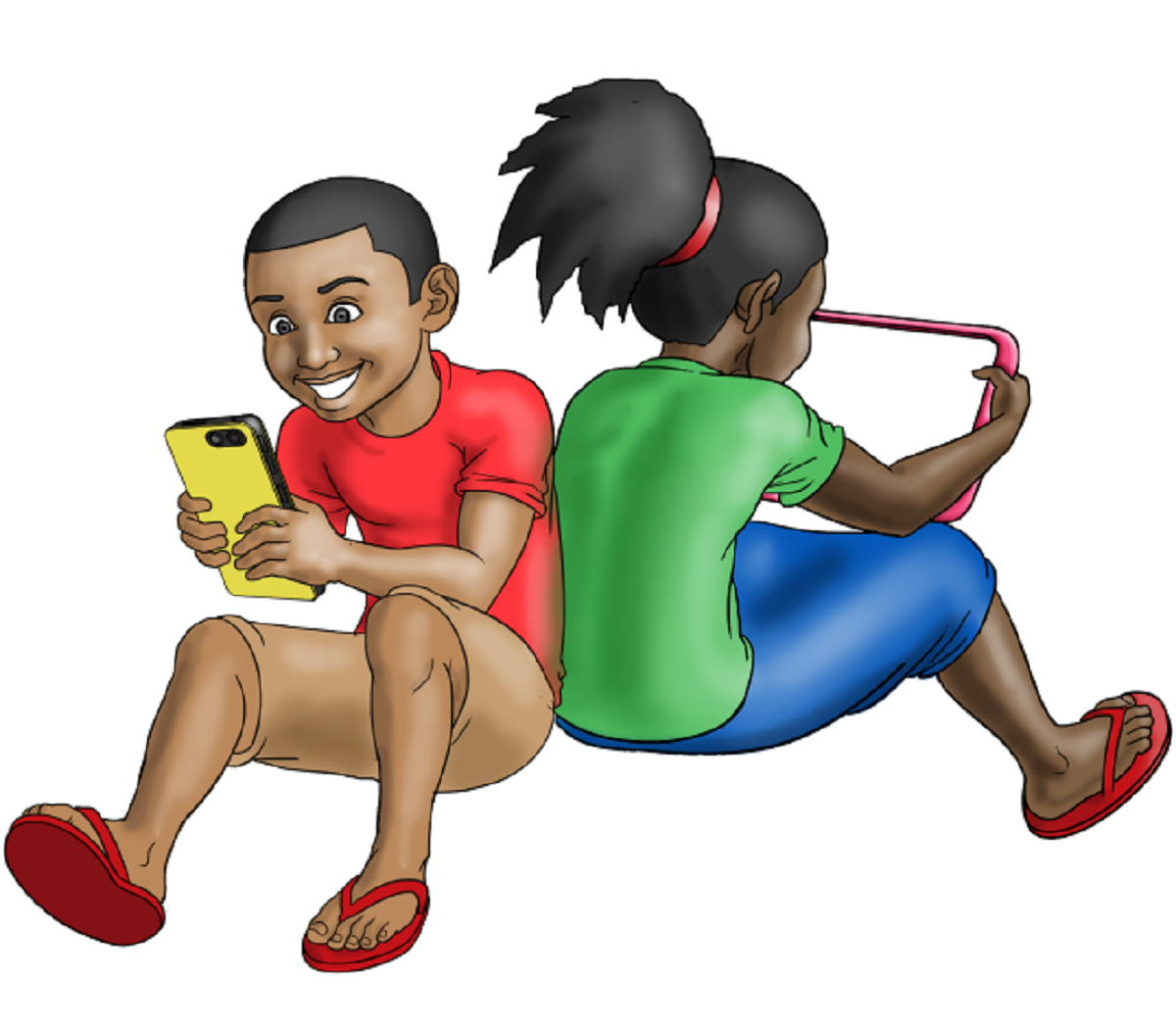
Cap-Haïtien: 70 Schoolchildren Learn Programming Thanks to Coding Club Haiti
From Python to JavaScript: How 70 young people from Cap-Haïtien are becoming Haiti's future developers with the NUMECO program.

In the vast world of IT development in Haiti, there are figures who stand out for their talent, dedication and vision. Among them, Appolon Guy Alain emerges as one of the best developers in the country, recognized for his ingenuity and creativity. With a strong background in the field of software development, Apolon has managed to rise to the top of its field. Its reputation extends well beyond Haitian borders, attracting the attention and respect of many companies abroad. It is not only his technical expertise that sets him apart, but also his ability to combine art and technology in a unique way. Discover some of Guy Alain Appolon’s achievements by clicking on the following link: https://haitiwonderland.com/haiti/personnalite/le-webmaster-haitien--guy-alain-appolon-une-reference-incontestee/79 What makes Apolon unique is its versatility. As a full-stack developer, he excels in all phases of a project, from design to implementation to user interface development. His ability to merge his talents as a painter, professional musician and computer graphic designer allows him to create attractive interfaces that captivate users at first glance. The Haïti Wonderland website (www.haitiwonderland.com) is a shining example, captivating visitors with its attractive and intuitive design. Read also: https://haitiwonderland.com/haiti/personnalite/expert-en-seo-et-uiux-design--decouvrez-le-developpeur-haitien-appolon-guy-alain/65
Haïti is a small but fascinating Caribbean country with a unique history, vibrant culture and stunning landscapes. Located on the island of Hispaniola, which it shares with the Dominican Republic, Haïti is distinguished by its resilience, historical independence, and natural and cultural wealth. This article offers you a detailed overview of this impressive country, from its history to the geographical and cultural features that make it a must-see destination.
Nestled in the enchanting embrace of Haiti’s North East department lies a true marvel – Caracol. This picturesque area is more than just a destination; it’s a sanctuary where tranquility dances in harmony with the gentle whispers of nature. From the chirping of content birds to the warm smiles of its inhabitants, Caracol is a true wonderland waiting to be explored. One of the most captivating aspects of Caracol is its serene ambiance. Here, peace isn’t just a concept; it’s a way of life. Even the birds seem to sing with an extra ounce of joy, as if they’ve found their own slice of paradise amidst the lush greenery. Stepping into Caracol feels like entering a world where time slows down, allowing you to embrace the simple pleasures of life. But what truly sets Caracol apart is its people – kind-hearted souls who find solace in the simplicity of their daily lives. Engaged in activities like fishing and gardening, they embody a deep connection to the land that sustains them. And amidst it all, the industrious spirit of Caracol shines through, with the industrial parc serving as a beacon of progress and opportunity for the community. Yet, amidst the tranquil rhythm of everyday life, Caracol pulsates with the vibrant energy of Haitian culture. Voodoo, an integral part of local life, weaves its mystical threads into the fabric of daily rituals and traditions. And come July, the entire community comes alive with patronal celebrations that draw Haitian diaspora from every corner of the globe. It’s a time of joyous reunions, where cultural immersion meets spirited competitions, from exhilarating running races to thrilling boat races on the sparkling waters. As the sun sets on another day in Caracol, the excitement doesn’t end – it transforms. Carnival season, known as "mardi gras," casts its spell over the land, igniting the imaginations of children who eagerly don disguises and wield whips to make merry mischief. Laughter fills the air as they chase each other, their gleeful shrieks echoing through the streets, creating memories that will last a lifetime. In Caracol, every moment is a celebration, every day a testament to the resilience and warmth of its people. So, whether you’re seeking a tranquil retreat or a cultural adventure, Caracol invites you to discover its hidden wonders and experience the magic for yourself. After all, in this captivating corner of Haiti, every day is a journey into the heart of paradise.
On Monday, April 28, 2025, UNESCO, represented by Mr. Éric Voli Bi, Director for Haiti, the Haïti Jazz Foundation, represented by Ms. Milena Sandler, Executive Director, and Mr. Joel Widmaier, Artistic Director of PAP Jazz, along with the Ministry of Culture and Communication, represented by Ms. Stéphanie Saint-Louis, Director of Cultural Affairs at the MCC, held a press conference at UNESCO’s office on Rue Geffrard in Pétion-Ville. During the event, they announced their alliance to promote Kreyol Jazz.
Port-au-Prince is the vibrant and historic capital of Haiti. Located on the bay of the same name, this city is much more than just an administrative center. It embodies the soul of the country through its history, vibrant culture, and resilience in the face of challenges. Let’s discover why Port-au-Prince is the beating heart of Haiti.
Haiti, located in the Caribbean, occupies the western third of the island of Hispaniola, which it shares with the Dominican Republic to the east. Its capital, Port-au-Prince, is the political, economic and cultural heart of the country. With an area of approximately 27,750 km², Haïti is home to nearly 12 million people, making it one of the most densely populated countries in the Caribbean region. This island nation’s rich and tumultuous history, unique cultural heritage and resilience in the face of challenges make it a fascinating and inspiring country.
August 29, 2025, will mark two exceptional events: the eighth anniversary of Pierre Marc BAPTISTE’s commitment as a young leader and social and political activist, and the official launch of the Engagement Award. This unique initiative aims to honor and encourage young leaders, professionals, and academics for their dedication and active involvement in community life. The Engagement Award’s mission is to recognize youth leadership, promote civic engagement, and highlight inspiring role models capable of positively influencing an entire generation. Through this award, Pierre Marc BAPTISTE hopes to encourage young people to get involved in concrete actions aimed at solving community problems, reducing social inequalities, and strengthening civic participation. The first edition will be particularly symbolic. Eight young leaders from the Cité Soleil plain will be honored for the social and community impact of their initiatives. In a concrete gesture of solidarity and knowledge sharing, 200 books will also be donated to the Duvivier High School library in Cité Soleil, contributing to the education and training of future generations. With this award, Pierre Marc BAPTISTE reaffirms his belief that youth engagement is an essential lever for social and political change in Haiti. This is a unique opportunity to celebrate those who are taking action to transform their community, while inspiring other young people to follow the path of action and leadership. On August 29, 2025, Haitian youth will be honored, and a new tradition of recognition and inspiration will be established to promote civic engagement and responsibility throughout the country.
Edikanèt is an association dedicated to education in the Haitian Creole language on the Internet. Founded in 2019 at Lycée Toussaint Louverture, the organization works to promote, recognize, and use Haitian Creole in all educational, social, and institutional spaces in the country. It was created by three young activists committed to this cause: Luc Cadet FIGARO, Alan Joe JEAN, and Marcus JUSMA. From the beginning, Edikanèt set itself key goals: promoting education in Creole across all regions of Haiti; creating educational materials in Creole; fighting against linguistic discrimination toward Creole speakers; and elevating Creole as a language of instruction, culture, and prestige. This initiative was born out of awareness of the persistent marginalization of Haitian Creole in Haitian society. Their most recent major initiative was a quiz competition held in July 2025, focused on general knowledge—such as Haitian history, geography, culture, mathematics, Creole grammar, and other subjects related to learning in Creole. The winner, Roobens D. Victor, came out first among 113 participants.
Haiti, an independent republic since 1804, is a country located in the Caribbean, precisely in the Gulf of Mexico. Occupying the eastern part of an island that it shares with the Dominican Republic, it extends over an area of 27,750 square kilometers. Famous for its tropical climate and tourist attractions such as Labadie, Cocoyer Beach, the Citadel and the Sans Souci Palace, the country attracts visitors from all over the world. Its diverse landscape includes impressive mountainous terrain as well as coastal plains which play an important role in its economy. Among its natural attractions are the majestic Massif de la Selle and inland fishing areas such as Lake Azuei. Despite its natural wealth, Haïti faces major economic challenges, including deforestation and land degradation, which hamper its sustainable development.
Haiti, located in the Caribbean, is known for its tropical climate that differs from the seasons as defined in temperate countries. Rather than the traditional four seasons (spring, summer, fall, winter), the country mainly experiences an alternation between the dry season and the rainy season. However, there are climatic variations that are associated with the times of the year and influence the lives of Haitians. This article explains how these seasons manifest themselves in Haiti.
Joseph-Auguste Anténor Firmin was born on October 28, 1850 in Cap-Haïtien, in a Haïti recently emancipated from the colonial yoke, he died on September 19, 1911 at the age of 60 in exile. He is undoubtedly one of the most emblematic intellectual figures of his time. His life, marked by an exceptional career in the political, literary and diplomatic fields, illustrates the genius of a Haitian intellectual whose contributions have left an indelible mark on history.

First black nation to free itself from slavery and gain independence from France in 1804 and influenced other liberation movements around the world, inspiring struggles for freedom and equality.

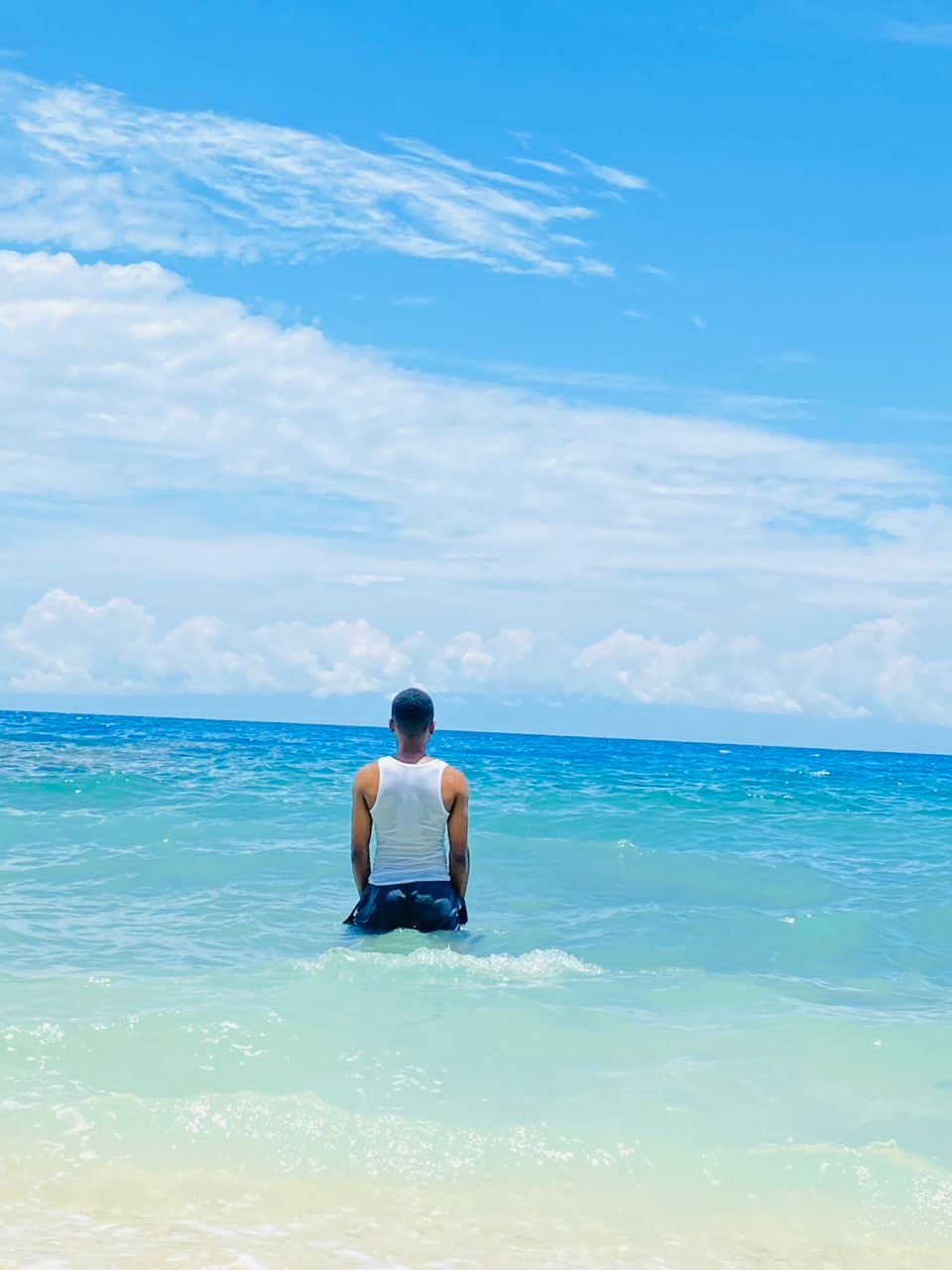
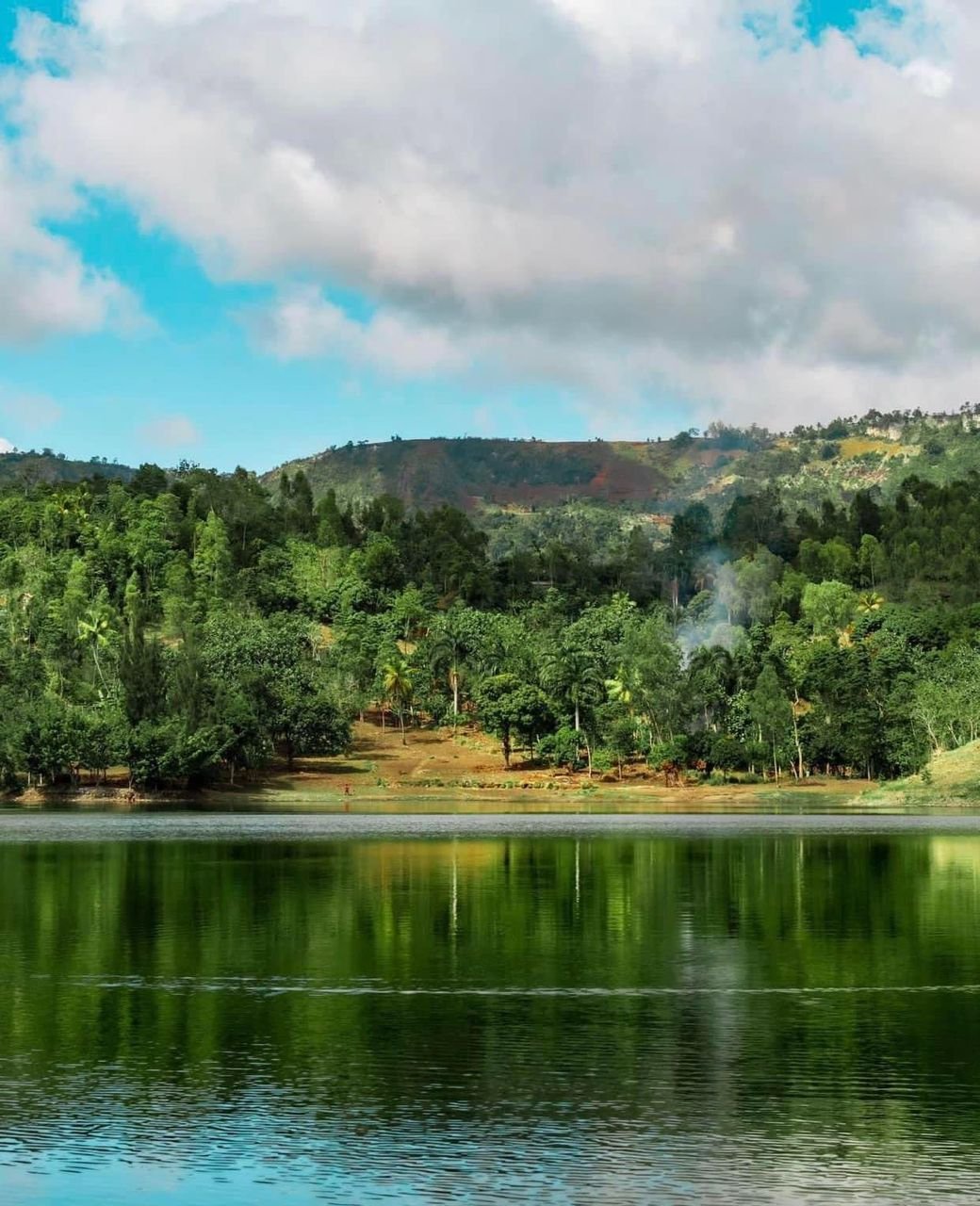
Haïti is blessed with spectacular natural landscapes, including white sand beaches, mountains and rich biodiversity.

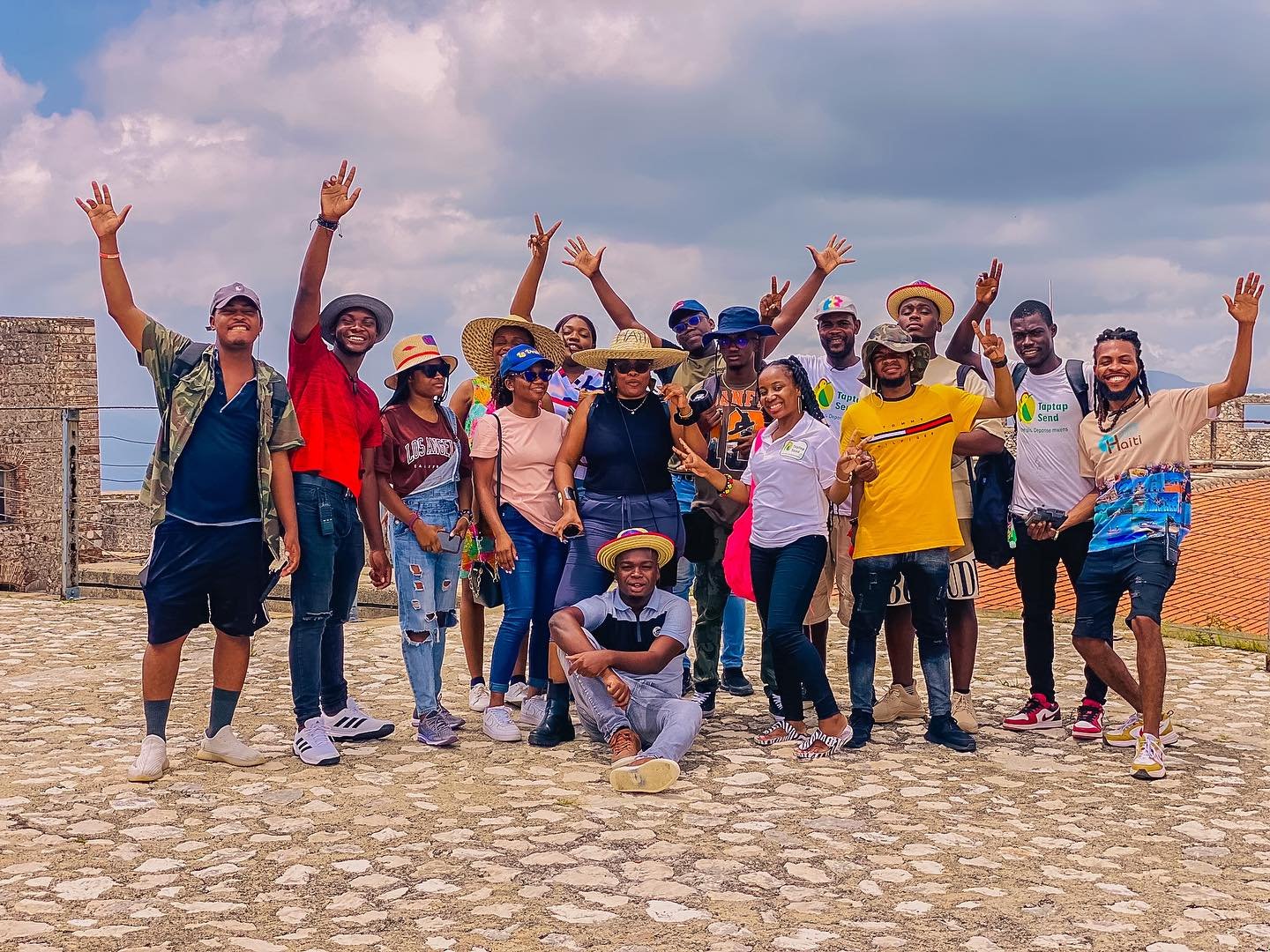
Haïti has a rich historical heritage, including sites like the Citadelle Laferrière and the Sans-Souci Palace, listed as UNESCO World Heritage Sites.

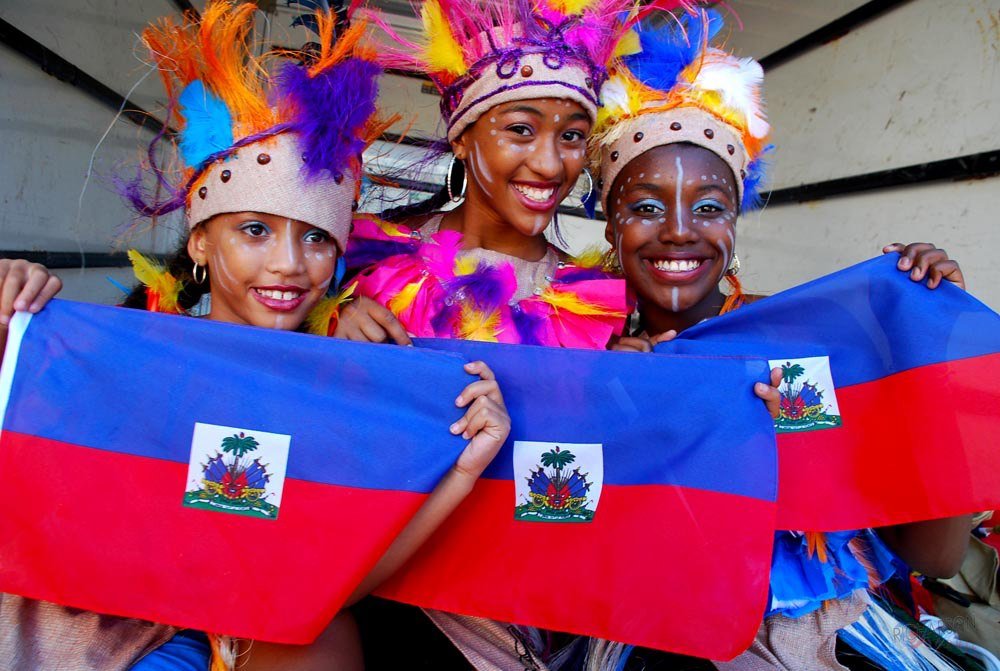
Haïti has a rich and diverse culture, influenced by African, European and indigenous elements. Haitian music, dance, art and cuisine are celebrated around the world.