contact@haitiwonderland.com+509 36184317

Discover

Shopping Cart

Haïti : Citadelle la FerrièreHaïti : Citadelle la Ferrière

News / Little-known places / View Recent Posts

News December 25, 2024

The Republic of the Stateless?

Haïti is making headlines all over the world. And it’s not good news. The exploits of Haitians rarely generate so much interest, but we always tend to point out the excesses, spill ink to stir up thorns in the side, broadcast on loop to relay the chaos that is raging. There is hardly any media to make amends for the resilience of this cornered people. No one to highlight the fierce resistance that serves as fuel for this people hanging in the gorges of death. And what if it was to a certain extent the only way to talk about this country to finally attract attention? It is July 26, 2024. The Olympic Games have just started in France. The 33rd Olympiad of modern times. Without realizing it, according to Forbes Magazine, Haïti ranks among the ten nations with the best costume, proudly pointing to third place. At the same time, miles away from France, on “The Island of Skillfully Orchestrated Chaos,” Haitians do not even realize how much this recognition borders on irony. A paradox whose unpopular evocation is likely to greatly displease. An aerial image shows the city of Paris in all its splendor, illuminated like the gates of paradise, reflecting all the grandeur of France, all the magnificence it has acquired over the centuries, without forgetting the contribution of the blood shed by the horrible machine of colonization. I close my eyes, I go back in time, I see again this boy left to his own devices, lost without even knowing it, doomed to failure without even understanding it. And then there are the others. Boys in the same situation, or worse. Banished from society, they do not know what life has in store for them. They form the elegant class of the marginalized, in their quality of scoundrels, good-for-nothings, and thugs who spoil the splendor of society. This contrast challenges me, and I wonder for a moment if those who live the chaos from the outside grasp the stakes and the reality of the situation. Moreover, it seems to me that even the majority of Haitians living in the territory have no notion of the fundamental and essential aspects of the situation.

Par Jean Rony Charles |
Learn more
City December 15, 2024

Belle-Anse, a village between tradition, nature and tourist potential

Nestled in the southeast of Haiti, Belle-Anse is a destination that fascinates with its natural beauty and rich history. This small town, still often ignored by major tourist routes, is full of treasures that deserve to be discovered. Its wild beaches, its imposing mountains and its unique historical heritage make Belle-Anse a hidden pearl, ready to seduce travelers in search of authenticity and tranquility. Belle-Anse, founded in the 18th century, still bears the traces of its past. Its history, marked by changes of names and identity, bears witness to the political and social upheavals that have given the region. From the colonial era to the birth of the Republic, each corner of the city tells a part of the history of Haiti. This rich past is combined with a vibrant cultural life, where local festivals, such as the celebration of the Patron Saint every December 10, offer an authentic glimpse into the lives of the inhabitants. The historical remains scattered throughout the city are not only a reminder of the era of colonization, but also of the struggles for independence. These witnesses of the past, combined with a calm and preserved atmosphere, make Belle-Anse a place where history and nature intertwine harmoniously. What distinguishes Belle-Anse is undoubtedly its spectacular natural environment. Ultimately, these beaches before the deserts invite you to relax. Lagan Beach, lined with palm trees and crystal clear waters, offers an idyllic setting for lovers of wild nature, far from the crowds of more frequent tourist destinations. The nearby Bay of Jacmel is a true natural bliss, promising moments of calm and escape. The city is also surrounded by majestic mountains, ideal for those who wish to explore the Haitian landscapes on foot, while discovering a unique biodiversity. While Belle-Anse’s natural resources are rich, they are also fragile, and preserving these areas remains an important issue for the future of the region.

Par Faïly Anderson Trazil | 1
Learn more
Events and Festivals November 22, 2023

The Haitian Carnival: A Festival of Colors, Music and Traditions

The Haitian carnival, an emblematic and essential celebration of the country’s festive calendar, is much more than a simple party. It embodies the very essence of Haitian culture, joyfully blending ancestral traditions, intoxicating music and a deep sense of community. Each year, this vibrant celebration transforms the streets into a vibrant and colorful spectacle, attracting thousands of participants and spectators eager to take part in this one-of-a-kind celebration. Haitian carnival has deep roots in the country’s history, dating back to colonial times. It has evolved over the centuries, incorporating elements of African, French and Creole culture to create a distinct and captivating celebration. The carnival period in Haïti traditionally begins in January and culminates with extravagant festivities that take place over several days. One of the most striking features of the Haitian carnival is the profusion of colors. Traditional costumes, called "masks", are elaborate and beautifully designed. They feature vivid patterns and vibrant decorations, creating a vivid picture of Haitian cultural identity. Participants, dressed in these elaborate costumes, parade through the streets to the sound of lively music, creating an electric atmosphere. Music is at the heart of the Haitian carnival. The captivating rhythms of compass, rasin, rara and other local musical genres resonate throughout the city, inviting people to dance to the rhythm of the party. Orchestras parade through the streets, accompanying the dancers and creating a unique symbiosis between the music and the graceful movements of the participants. The Haitian carnival parade is not just about the music and costumes; it also celebrates the richness of street arts. Talented artists create giant sculptures, art installations and theatrical performances that tell deep stories of Haitian history and culture. These artistic expressions contribute to the transmission of values ​​and stories that shape the identity of the Haitian people.

Par Appolon Guy Alain |
Learn more
History April 05, 2024

Haïti / Fort Picolet: Historical Guardian of Liberty

Cap-Haïtien, Haiti’s historic jewel, is home to a fascinating architectural relic: Fort Picolet. Built at the end of the 18th century by the French, this imposing bastion majestically dominates the bay of Cap-Haïtien, bearing witness to the tumults of Haitian history and the fierce struggle for independence. The history of Fort Picolet is closely linked to that of Haiti, particularly at the time of the Haitian Revolution. During this tumultuous period, when slaves and freedmen rose up against colonial oppression, the fort was the scene of epic battles and fierce sieges. Sometimes used by French forces, sometimes by Haitian revolutionaries, Fort Picolet was a silent witness to the events that shaped the destiny of the nation. Designed with a strategic vision, the fort embodies the military architecture of its era. Its thick stone walls, strategically positioned cannons and viewpoints overlooking the bay make it an impregnable bastion. Its name, Fort Picolet, pays homage to General Louis Marie, Marquis de Picolet, French governor of Cap-Français at the end of the 18th century. Today, Fort Picolet remains much more than a simple historical monument. It is a living symbol of the resilience and determination of the Haitian people. Visitors who wander through its ruins can feel the imprint of history and contemplate the remains of a tumultuous past. From up there, a panoramic view of the bay of Cap-Haitien is available to them, offering a unique perspective on the strategic importance of this place in the maritime history of Haiti. As a pillar of Haitian tourism, Fort Picolet attracts visitors from around the world. Its historical aura, combined with the natural beauty of its environment, makes it a must-see destination for history and culture lovers. More than just a tourist attraction, Fort Picolet is a poignant testimony to the endless struggle for freedom and the cultural richness of Haiti. Throughout the centuries, Fort Picolet has survived the test of time, reminding everyone that freedom is an inalienable right, hard won and carefully preserved. By exploring its ramparts, contemplating its silent cannons, visitors find themselves immersed in the tormented history of Haiti, a story of courage, resistance and hope. Live an extraordinary experience by virtually visiting the ruins of Fort Picolet: https://haitiwonderland.com/haiti-virtual-reality-ht/monuments-histoire/haiti--fort-picolet--visite-virtuelle/14

Par Appolon Guy Alain |
Learn more

Recently Posted

Recently Posted

History

History

First black nation to free itself from slavery and gain independence from France in 1804 and influenced other liberation movements around the world, inspiring struggles for freedom and equality.

Natural beauty

Natural beauty

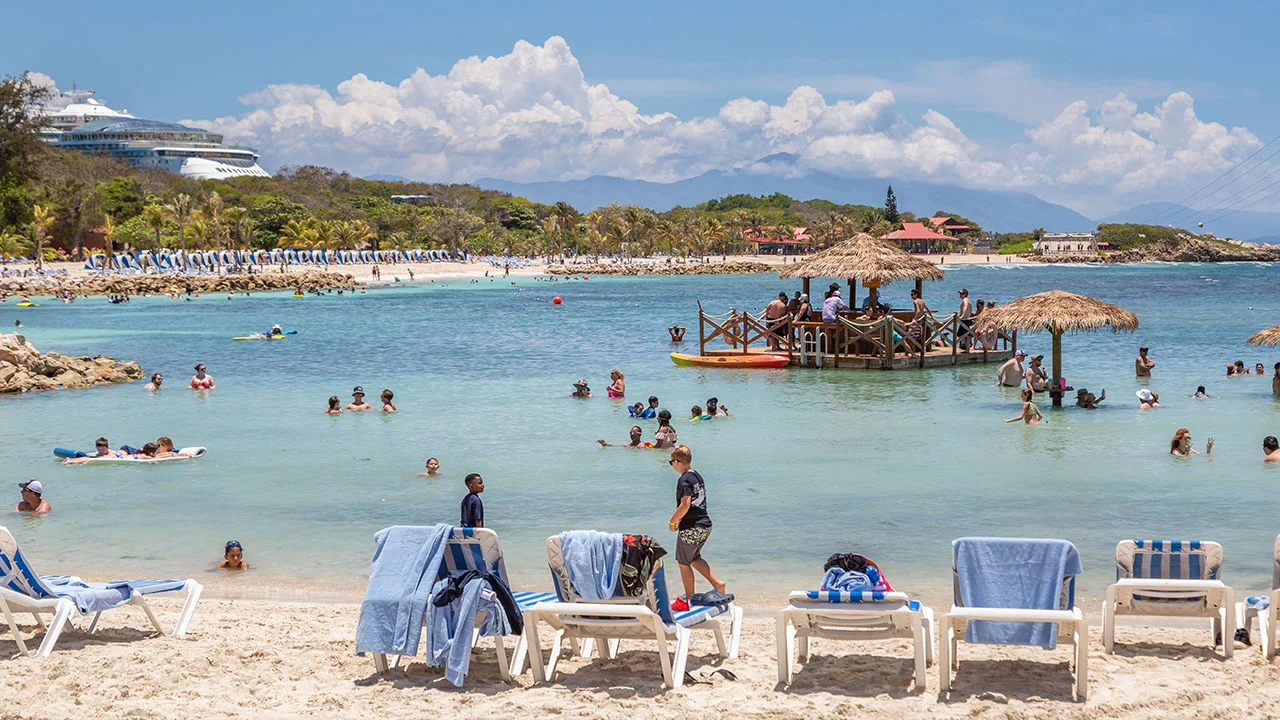
Haïti is blessed with spectacular natural landscapes, including white sand beaches, mountains and rich biodiversity.

Heritage

Heritage

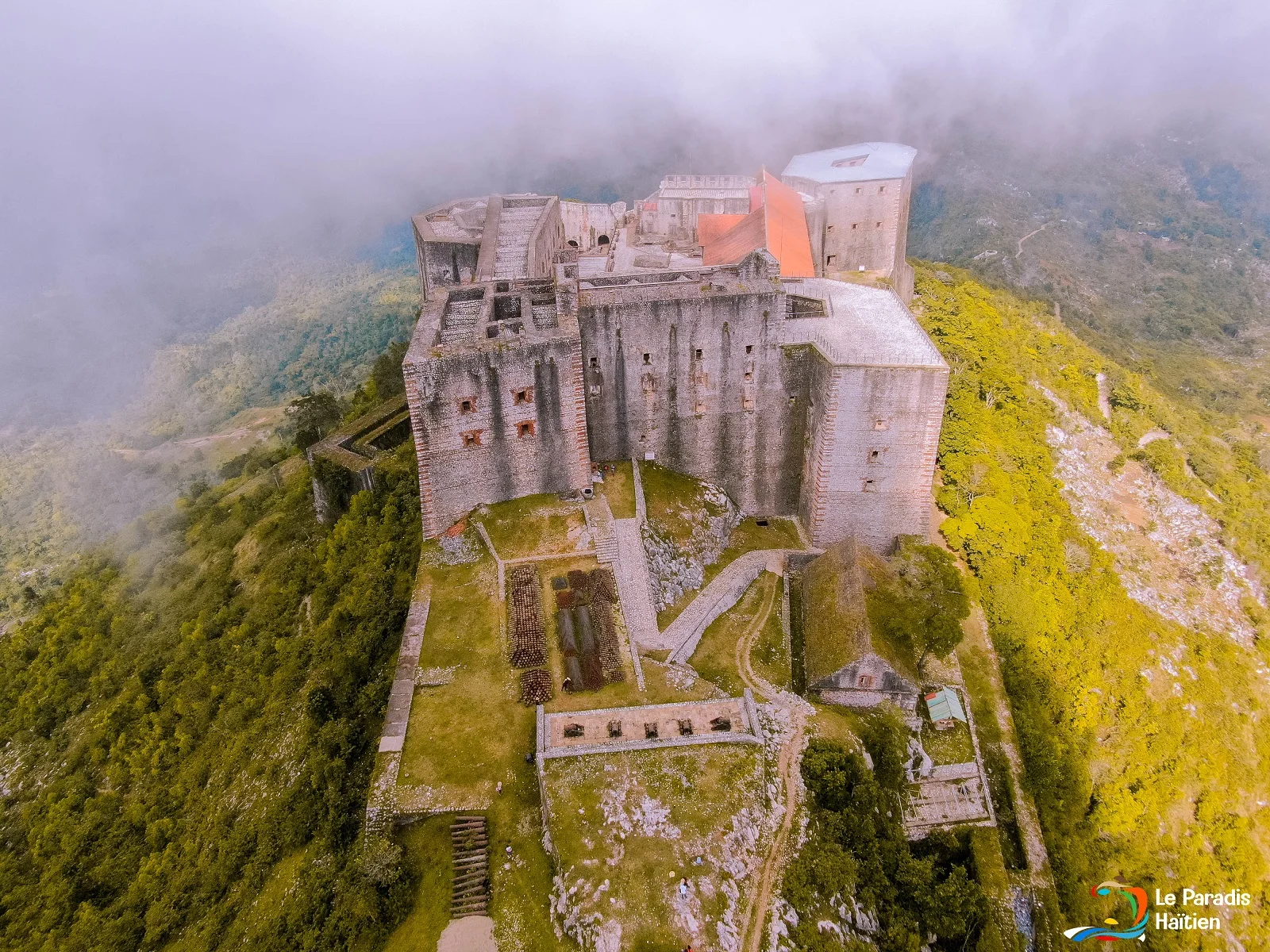
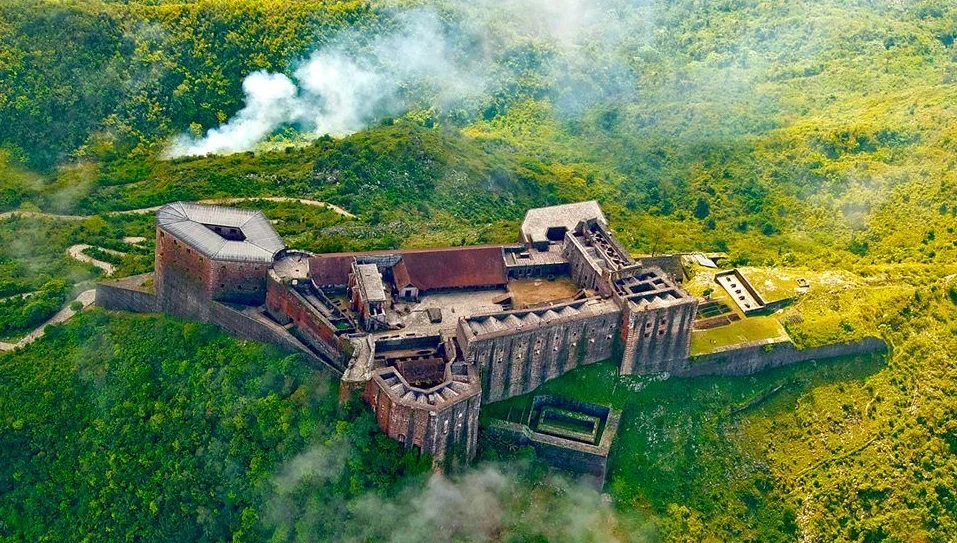
Haïti has a rich historical heritage, including sites like the Citadelle Laferrière and the Sans-Souci Palace, listed as UNESCO World Heritage Sites.

Culture

Culture

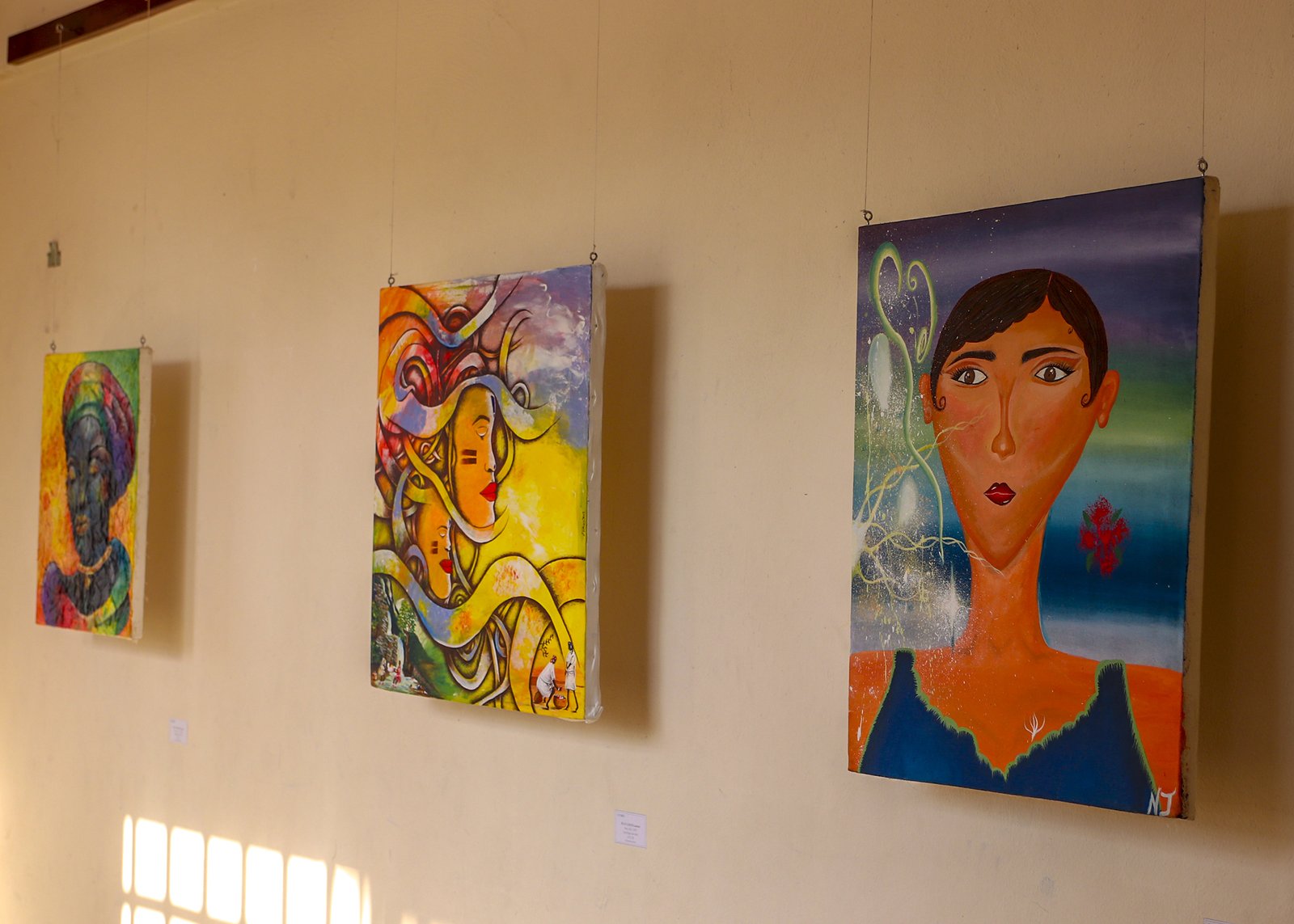
Haïti has a rich and diverse culture, influenced by African, European and indigenous elements. Haitian music, dance, art and cuisine are celebrated around the world.

  • +
    • Post