contact@haitiwonderland.com+509 36184317

Discover

Shopping Cart

Haïti : Citadelle la FerrièreHaïti : Citadelle la Ferrière

News / Little-known places / View Recent Posts

City May 08, 2024

Discover Cap-Haitien: The 2nd city of Haiti

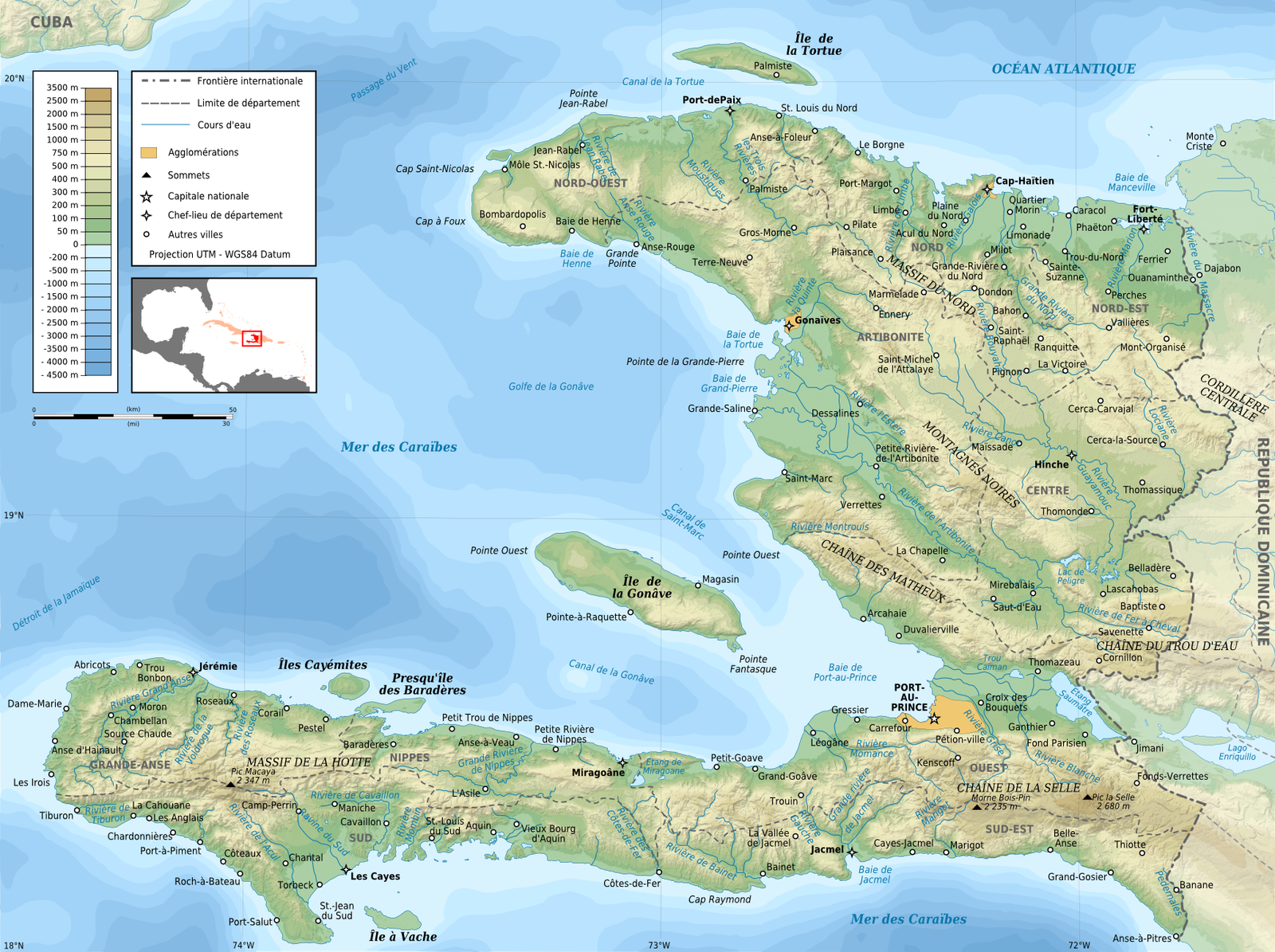
Cap-Haïtien, is a coastal city in the northern department of Haiti, formerly known under the names of Cap-Français or Cap-Henri. Dominated by the Morne Jean mountain, this destination offers an immersion in the French colonial past and the Haitian revolution. Nestled by picturesque bays and bordered by the Haut-du-Cap river, Cap-Haitien appeals to travelers looking for authenticity and seaside adventure. The city, rich in history and culture, has seen the birth of renowned artists like Philomé Obin and hosts a vibrant music scene with the groups Septentrional and Tropicana from Haiti. Its hidden treasures, including the Citadelle La Ferrière and the historic site of Vertières, as well as its magnificent natural landscapes, make Cap-Haitien an unmissable destination in the Caribbean. Paradise beaches in Labadie and cobbled streets evoking a rich past invite visitors to fully immerse themselves in Haitian history and culture. Cap-Haïtien, formerly Cap-Français or Cap-Henri, is the second city of Haiti, capital of the Nord department and the district of Cap-Haïtien. Located on the northern coast of the Republic of Haïti , was considered in the 19th century as the safest port. Dominated by the Morne Jean mountain, culminating at 718 meters above sea level, the town is located at the mouth of the Haut-du-Cap river, on the west coast. of the bay of Cap-Haïtien. To the west of the town lies the Acul Bay.

Par Jarule Laguerre | 2
Learn more
History November 21, 2023

Haiti: The History of the World’s First Free Black Nation

Haiti, the pearl of the Antilles, is a Caribbean island with a rich and complex history. However, its special status as the world’s first free black nation gives it a unique place in the annals of history. This small island was the scene of an extraordinary revolution which resulted in independence, thus marking the beginning of a new era for the black community and the abolition of slavery. Let’s delve into the captivating story of the birth of the first black republic, Haiti. b~The colonial era and slavery~b Haiti’s history dates back to the arrival of Europeans in the 15th century, when Christopher Columbus discovered the island. European settlers, mainly Spanish and French, introduced slavery to exploit the island’s resources, including sugar, coffee and cotton. The indigenous Native American population was decimated, paving the way for the massive importation of African slaves. b~The Haitian Revolution~b On August 14, 1791, Haitian slaves rose up against their oppressors, sparking the Haitian Revolution. Under the leadership of iconic figures such as Toussaint Louverture, Jean-Jacques Dessalines and Henri Christophe, the insurgent slaves inflicted defeats on European armies, demonstrating fierce resistance and a desperate quest for freedom. b~The Declaration of Independence and the creation of the Republic of Haiti~b On January 1, 1804, Haïti proclaimed its independence, becoming the world’s first free black nation. This historic declaration symbolized the end of slavery and the triumph of the will of a people determined to live free. The Republic of Haïti was born in struggle and blood, asserting its autonomy in the face of the colonial powers. b~Post-independence challenges~b However, independence did not mean the end of challenges for Haiti. The country had to face external pressure, reparations imposed by France in exchange for recognition of its independence, as well as internal unrest. Despite these obstacles, Haïti strove to build a free and sovereign nation. The story of Haïti is that of a nation that overcame countless challenges to emerge as a pioneer of freedom for the black population. The Haitian Revolution remains a unique example of resistance, courage and determination, and Haïti continues to carry the torch of independence in the contemporary world. The legacy of this small Caribbean island still resonates today, reminding the world that freedom is a universal right that can be won even in the most difficult circumstances.

Par Appolon Guy Alain |
Learn more
Culture November 01, 2024

Guédés: When Haïti celebrates its ancestors with color and fervor

Every November 1st and 2nd, Haïti comes alive with the colors black and purple to celebrate the Guédés, spirits venerated in the voodoo religion, symbols of a powerful bond between the living and the dead. Fascinating, indomitable and provocative, the Guédés form a true family in the pantheon of Haitian voodoo, where they are respected for their role as spiritual guides of the deceased to the afterlife. Led by iconic figures such as the legendary Baron Samedi and his companion Grann Brigitte, the Guédés embody the paradoxes of life and death. Each Baron has a unique personality: Baron Cimetière, Baron Kriminel, and Baron La Croix are the guardians of the souls that wander on the borders of the world of the dead. Together, they form a powerful and somewhat frightening presence, but one that is deeply rooted in Haitian culture. The Guédés are not like other voodoo spirits; they demonstrate their fearlessness in a spectacular way. Accustomed to death, they are fearless and are provocative: they eat glass, raw peppers, and coat their sensitive parts with rum and pepper. These gestures mark their indifference to danger and remind us that they have already known earthly life. They are thus psychopomps – these beings who lead the souls of the dead – and act as bridges between the world of the living and that of the dead. Some Guédés, like Guédé Nibo, wear black, purple, and white clothing, each with unique characteristics. They are many and varied: Guédé Fouillé, Guédé Loraj, Papa Guédé, and many others. These are the spirits who, each year, remind Haitians of the importance of remembering and honoring the deceased. The cult of the Guédés is not only religious; it is also cultural and historical. According to tradition, their spiritual territory, or “Fètomè” – nicknamed the “Country without Hats” – is a place where the souls of ancestors reside. According to stories, the origins of this cult go back to the Abomey plateau, the ancient capital of the kingdom of Dahomey, in Africa, where death and life coexist in a form of symbiosis. This celebration in Haïti even finds echoes in ancient history. The Romans also honored their dead with the “Fête des Lémuria”, which took place in February, to ward off spirits and restore peace between the world of the living and that of the deceased. For Haitians, honoring the Guédés is about accepting death as a part of life and celebrating the invisible bonds that unite us with those who have left us. It is also a way of resisting, because life, despite its challenges, must be celebrated in all its complexity and depth.

Par Faïly Anderson Trazil | 1
Learn more

Recently Posted

Haïti Music: Haitian artist Rutshelle Guillaume crowned “Best Caribbean Artist” at the Trace Awards & Festival 2023

The international music scene buzzed with excitement on Saturday, October 20, 2023 when talented Haitian singer Rutshelle Guillaume was crowned “Best Caribbean Artist” at the prestigious Trace Awards & Festival 2023, held in Kigali, Rwanda. This award recognizes a remarkable career and a significant contribution to the evolution of Caribbean music. Rutshelle Guillaume is an artist who has captured the hearts of music lovers thanks to her undeniable talent and her numerous quality productions. The Trace Awards & Festival is an event renowned for its promotion of Afrocentric music and culture. It is a platform that celebrates the musical diversity of the Caribbean while highlighting the creativity of the region. Caribbean artists are honored for their exceptional contribution to the enrichment of world music. Rutshelle Guillaume’s victory at this prestigious event is not only a tribute to her talent, but also a recognition of the richness of Caribbean music and its ability to transcend geographical boundaries. The Haitian singer knew how to embody this musical diversity and touched the hearts of many listeners around the world. Her career, marked by memorable titles and collaborations with other talented artists, has made her an ambassador for Caribbean music on an international scale. His commitment to promoting Haitian and Caribbean culture has helped strengthen ties between artists in the region and the rest of the world. Rutshelle Guillaume continues to inspire many emerging artists and show that passion, talent and dedication can lead to extraordinary achievements. His victory at the Trace Awards & Festival 2023 is a well-deserved tribute to his influence and undeniable contribution to Caribbean music. Ultimately, Rutshelle Guillaume’s recognition as "Best Caribbean Artist" at the Trace Awards & Festival 2023 is a reminder of the power of music to unite cultures and celebrate artistic diversity. It is a historic moment for the Haitian artist and a source of pride for the Caribbean as a whole. Rutshelle Guillaume continues to be an inspiration to many artists and music lovers around the world, and her music will live on as a testament to her incredible talent and dedication to her art.

Recently Posted

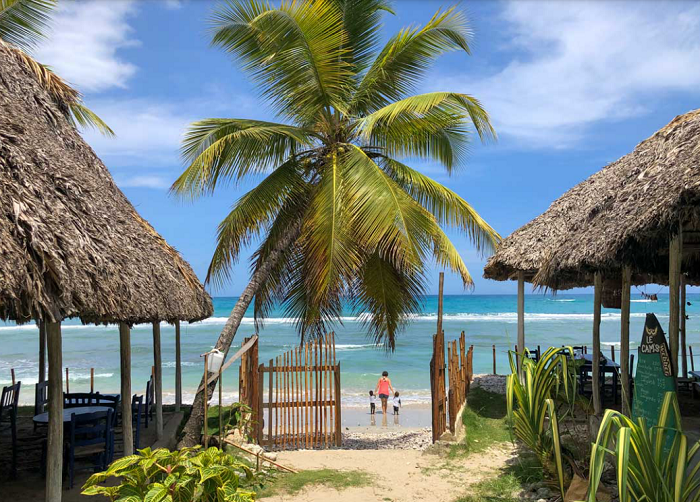
History

History

First black nation to free itself from slavery and gain independence from France in 1804 and influenced other liberation movements around the world, inspiring struggles for freedom and equality.

Natural beauty

Natural beauty

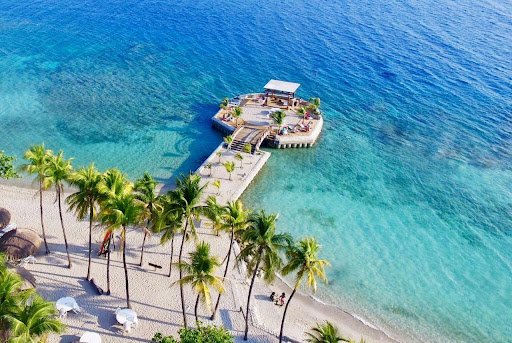
Haïti is blessed with spectacular natural landscapes, including white sand beaches, mountains and rich biodiversity.

Heritage

Heritage

Haïti has a rich historical heritage, including sites like the Citadelle Laferrière and the Sans-Souci Palace, listed as UNESCO World Heritage Sites.

Culture

Culture

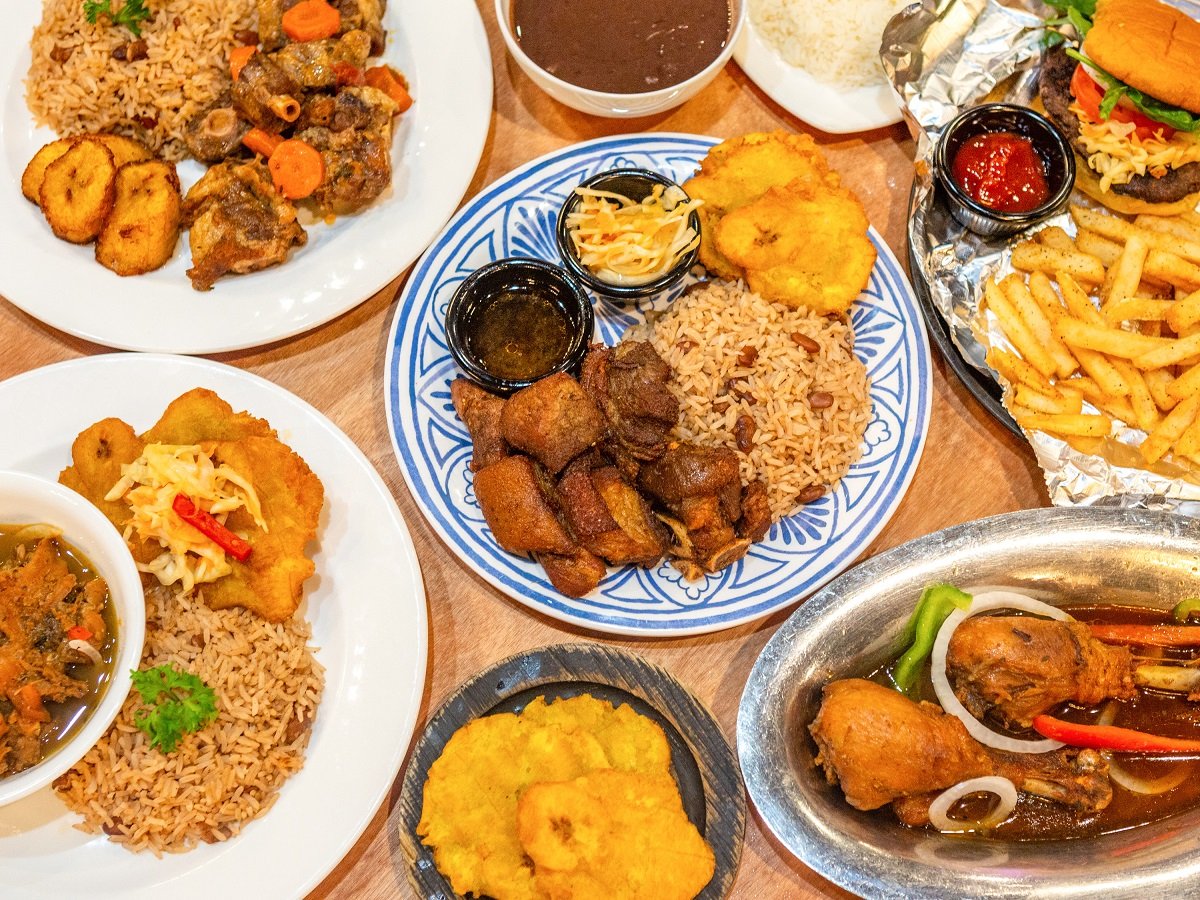
Haïti has a rich and diverse culture, influenced by African, European and indigenous elements. Haitian music, dance, art and cuisine are celebrated around the world.

  • +
    • Post