

contact@haitiwonderland.com+509 36184317

Discover

Shopping Cart

Haïti : Citadelle la FerrièreHaïti : Citadelle la Ferrière

News / Scientific Research / View Recent Posts

Culture December 24, 2024

Le Makaya, histoire et pratiques vaudouesques en haïti

Le Makaya est bien plus qu’une simple fête ; il est un pilier spirituel du vaudou haïtien, une tradition vivante qui lie les croyances ancestrales aux rituels de purification, de guérison et de renouveau. Célébré principalement à la fin du mois de décembre, le Makaya tire ses racines de l’Afrique, en particulier des civilisations bantoues, et se déroule dans un contexte profondément spirituel où les liens avec les ancêtres et les forces naturelles sont essentiels. Le terme "Makaya", qui signifie "feuilles" en Kikongo, est intrinsèquement lié à la nature et aux plantes, éléments essentiels du vaudou. Ce lien direct avec la nature fait du Makaya un moment de purification, où les croyants se connectent à la terre et aux esprits par l’intermédiaire des végétaux. La tradition du Makaya vient des peuples Bantous, principalement du Congo, et de leurs pratiques spirituelles qui ont été transposées, adaptées et enrichies par la diaspora haïtienne pendant la période de l’esclavage. La période du Makaya commence le 21 décembre, lors du solstice d’hiver, une date symbolique marquant la victoire de la lumière sur les ténèbres, le commencement du renouveau solaire. Dans le vaudou, cette époque est perçue comme un moment d’introspection où la nuit la plus longue de l’année se transforme lentement en jour, apportant avec elle des forces purificatrices et régénératrices.

Par Faïly Anderson Trazil |
Learn more
City May 08, 2024

Discover Cap-Haitien: The 2nd city of Haiti

Cap-Haïtien, is a coastal city in the northern department of Haiti, formerly known under the names of Cap-Français or Cap-Henri. Dominated by the Morne Jean mountain, this destination offers an immersion in the French colonial past and the Haitian revolution. Nestled by picturesque bays and bordered by the Haut-du-Cap river, Cap-Haitien appeals to travelers looking for authenticity and seaside adventure. The city, rich in history and culture, has seen the birth of renowned artists like Philomé Obin and hosts a vibrant music scene with the groups Septentrional and Tropicana from Haiti. Its hidden treasures, including the Citadelle La Ferrière and the historic site of Vertières, as well as its magnificent natural landscapes, make Cap-Haitien an unmissable destination in the Caribbean. Paradise beaches in Labadie and cobbled streets evoking a rich past invite visitors to fully immerse themselves in Haitian history and culture. Cap-Haïtien, formerly Cap-Français or Cap-Henri, is the second city of Haiti, capital of the Nord department and the district of Cap-Haïtien. Located on the northern coast of the Republic of Haïti , was considered in the 19th century as the safest port. Dominated by the Morne Jean mountain, culminating at 718 meters above sea level, the town is located at the mouth of the Haut-du-Cap river, on the west coast. of the bay of Cap-Haïtien. To the west of the town lies the Acul Bay.

Par Jarule Laguerre | 2
Learn more

Recently Posted

Recently Posted

History

History

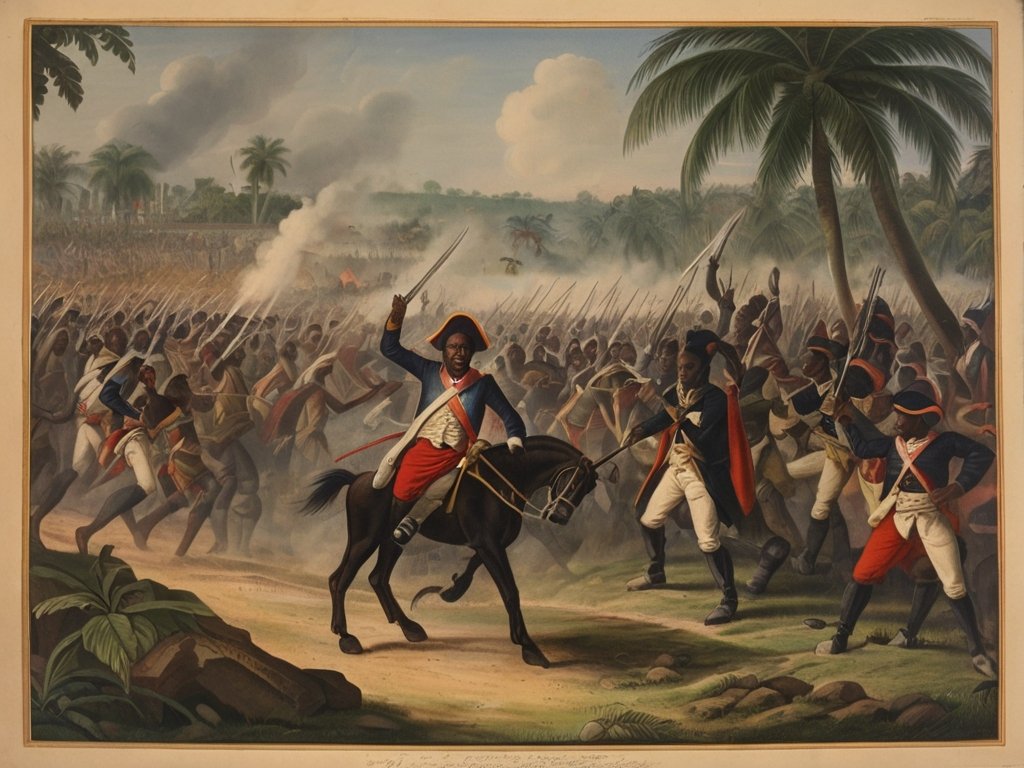
First black nation to free itself from slavery and gain independence from France in 1804 and influenced other liberation movements around the world, inspiring struggles for freedom and equality.

Natural beauty

Natural beauty

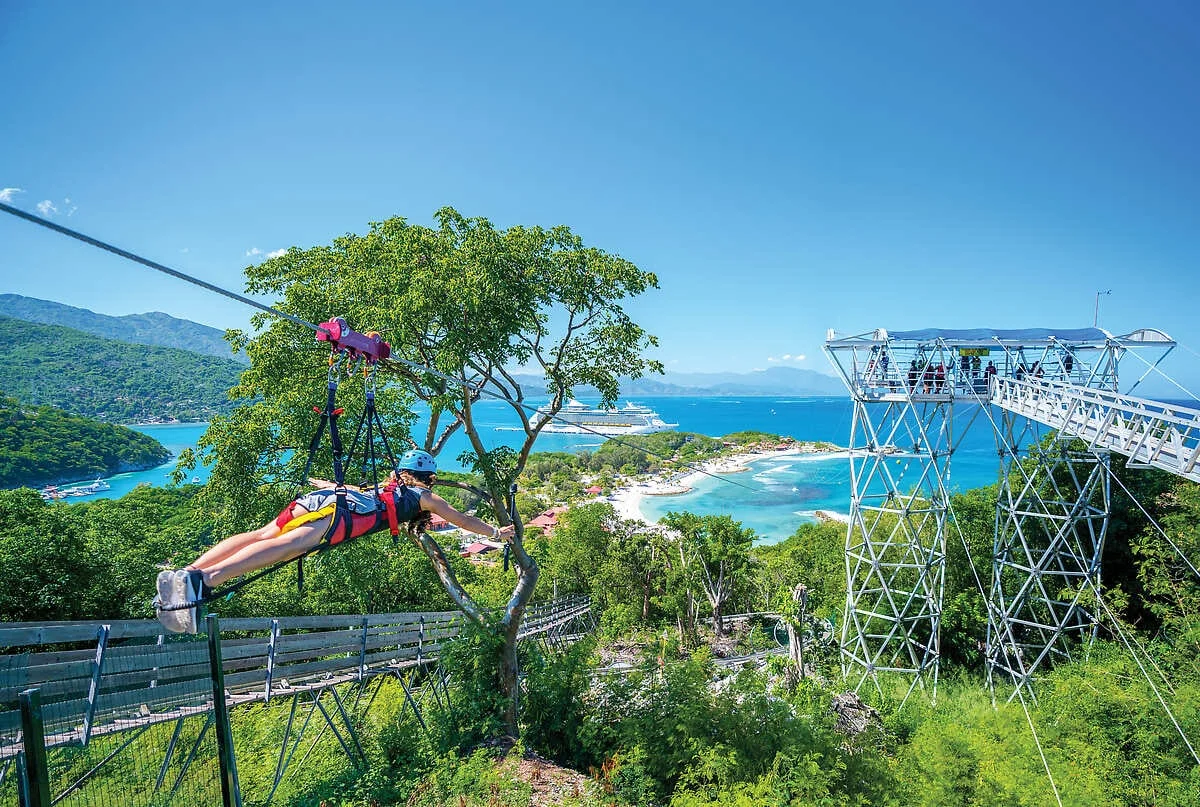
Haïti is blessed with spectacular natural landscapes, including white sand beaches, mountains and rich biodiversity.

Heritage

Heritage

Haïti has a rich historical heritage, including sites like the Citadelle Laferrière and the Sans-Souci Palace, listed as UNESCO World Heritage Sites.

Culture

Culture

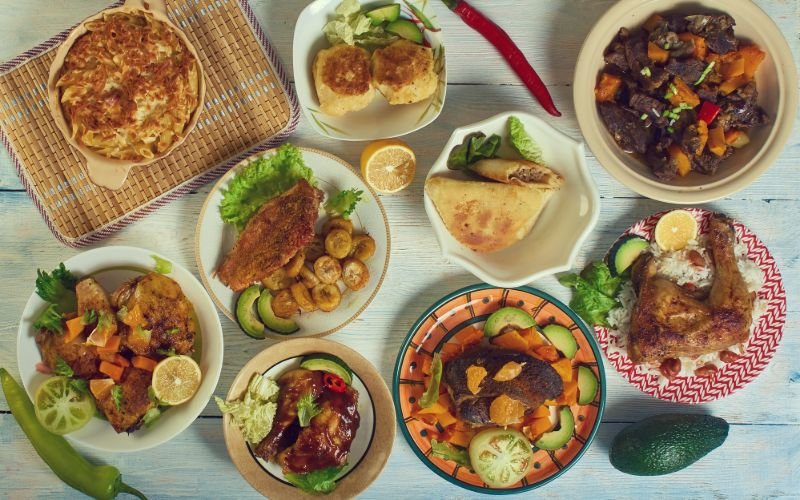
Haïti has a rich and diverse culture, influenced by African, European and indigenous elements. Haitian music, dance, art and cuisine are celebrated around the world.

  • +
    • Post











