What is Haiti’s motto?
Discover Haiti's national motto: Liberty – Equality – Fraternity. Its origin, meaning, and importance in Haitian history and identity.

Haiti, a country steeped in history and culture, is a Caribbean nation whose geographical location is both strategic and fascinating. But where exactly is Haïti on the world map? Discover its unique position and what makes it such a special place.
Haiti, the world’s first independent black republic, is a universal symbol of freedom and resistance. But who founded Haïti and how was this nation born? This journey through history leads us to explore the role of heroic figures, significant events, and the context that gave birth to this unique nation.
The Southeast region of Haïti is a true treasure trove of landscapes and culture, where the cities of Jacmel and Cayes-Jacmel occupy a central place. Although they are geographically close and share many similarities, these two cities have distinct characteristics that make them unique. Discover in this article the main differences between Jacmel and Cayes-Jacmel, two must-see destinations to explore during your stay in Haiti.
Haiti, this jewel of the Caribbean, is known for its revolutionary history, vibrant culture, and breathtaking landscapes. But how many people call this land rich in tradition and diversity home? This article explores Haiti’s current population and how it has changed over time, while providing an overview of the challenges and opportunities related to its demographics.
Haiti, pearl of the Caribbean, is surrounded by turquoise waters that enrich its landscape and maritime culture. But what sea bathes this island country? Let’s discover together the sea that borders Haiti, its geographical importance and the activities it offers.
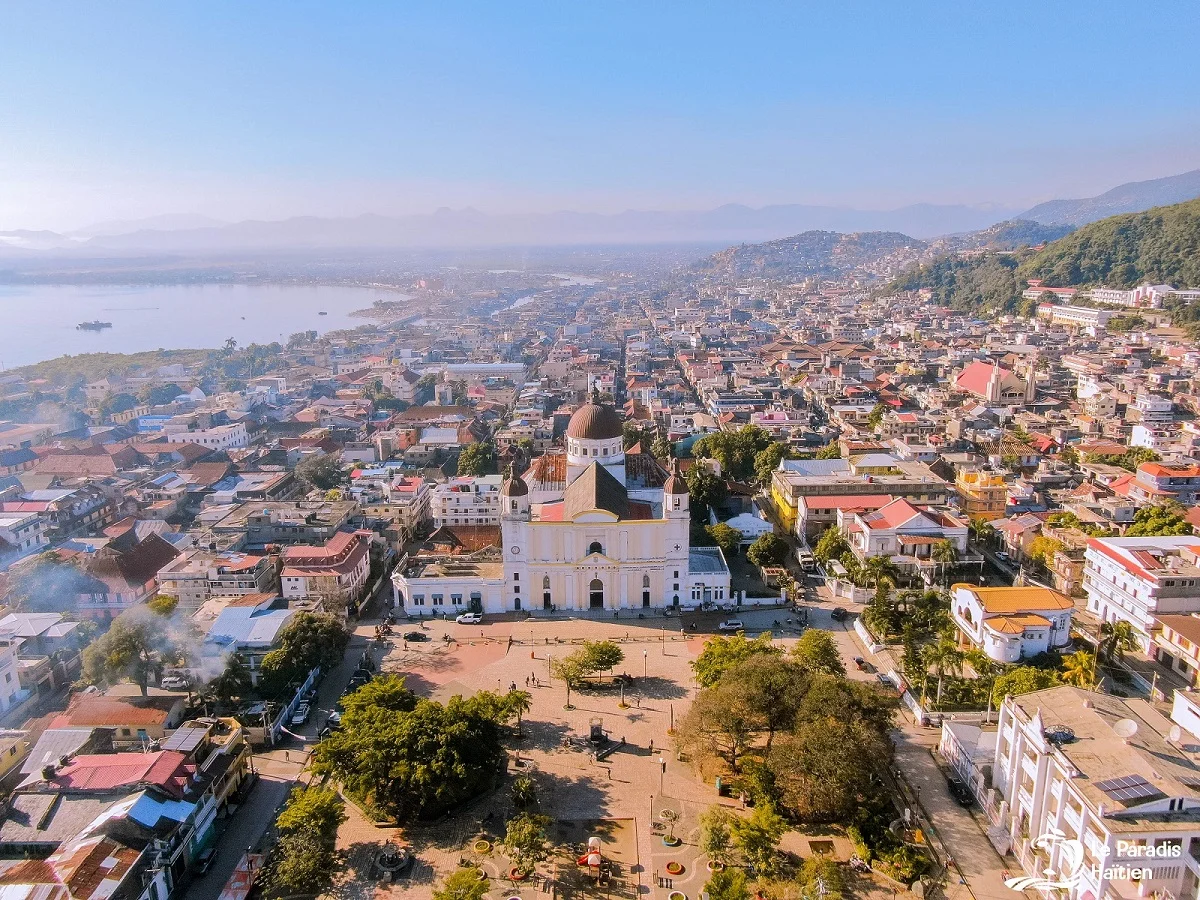
Port-au-Prince is the vibrant and historic capital of Haiti. Located on the bay of the same name, this city is much more than just an administrative center. It embodies the soul of the country through its history, vibrant culture, and resilience in the face of challenges. Let’s discover why Port-au-Prince is the beating heart of Haiti.
Article 1 of the Haitian Constitution of 1987, amended in 2011, establishes the foundations of national identity. In one concise but powerful sentence, it states that Haïti is an indivisible, sovereign, independent, free, democratic and social Republic. These six terms reflect the fundamental values and collective aspirations of the Haitian nation, forged through a rich and tumultuous history. q~ARTICLE 1: Haïti is a Republic, indivisible, sovereign, independent, cooperative, free, democratic and social.~q Let’s discover the meaning and importance of each of these principles in the context of the Republic of Haiti.
Haiti, with its spectacular landscapes and rich culture, is home to a vibrant and diverse population. Haiti’s demographics are a key aspect in understanding the economic, social, and cultural development of this unique country. Discover the current numbers and trends shaping Haiti’s population.
The length of Haiti, measured from west to east, is approximately 650 kilometers. This figure illustrates the extent of this country that shares the island of Hispaniola with the Dominican Republic. In this article, we explore in detail the geographical dimensions of Haiti, as well as their influence on the diversity and organization of the country.
Summer in Haïti is a magical season where the sun shines brightly, sparkling beaches invite you to relax, and iconic destinations reveal their cultural wealth. This Caribbean island, often little-known in the world of tourism, is full of treasures to discover. Whether you are a lover of relaxing on the fine sand, a history and culture enthusiast, or an adventurer eager for new experiences, Haïti offers a variety of activities that will satisfy all your summer desires.
Haiti, with its spectacular landscapes and rich culture, is home to a vibrant and diverse population. Haiti’s demographics are a key aspect in understanding the economic, social, and cultural development of this unique country. Discover the current numbers and trends shaping Haiti’s population.
Haiti, a pearl of the Caribbean, not only boasts picturesque landscapes and rich history, but also offers a variety of culinary delights that tantalize the taste buds from the first meal of the day. Haitian breakfast, an exquisite blend of local flavors and culinary traditions, is an experience in its own right. Let’s discover together some ideas to start your day in the most delicious way possible.
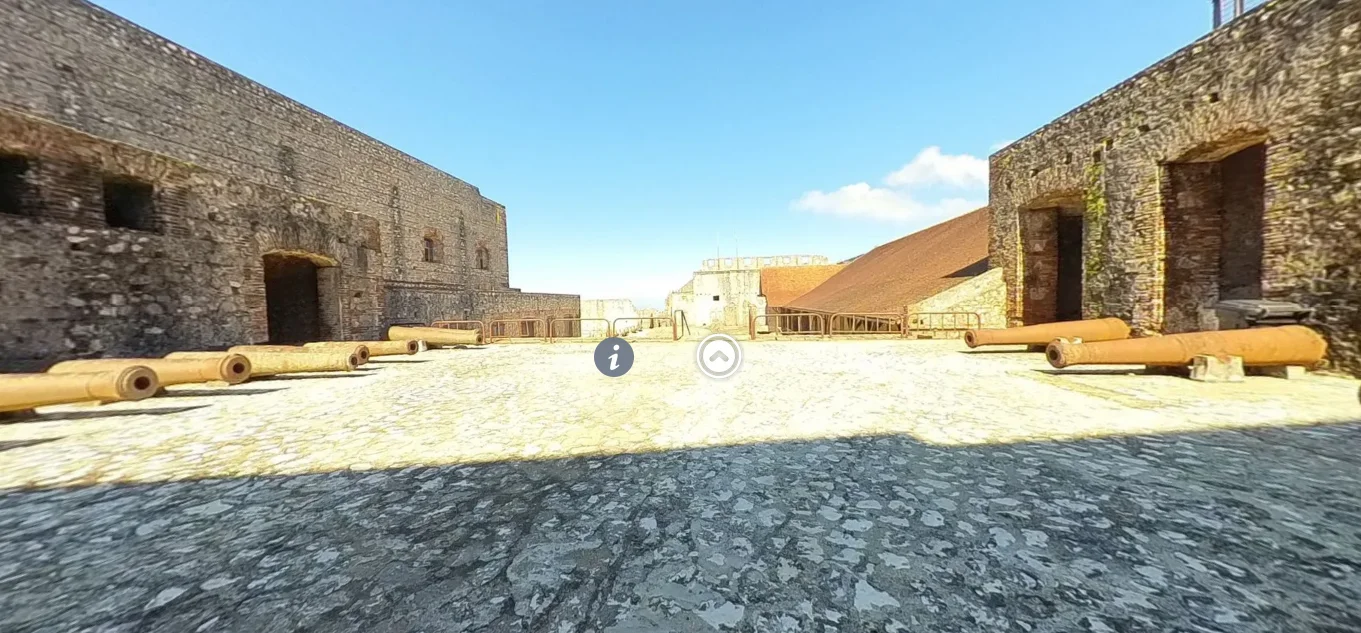
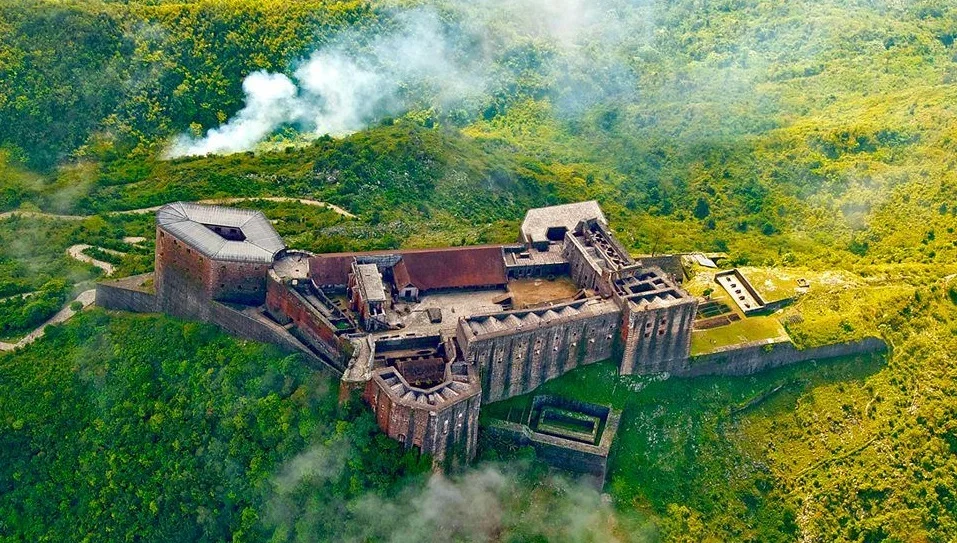
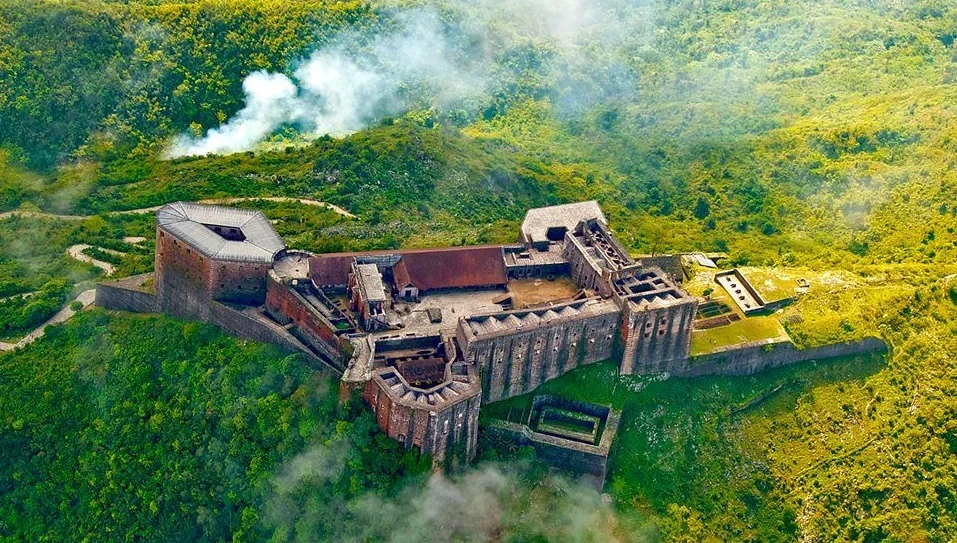
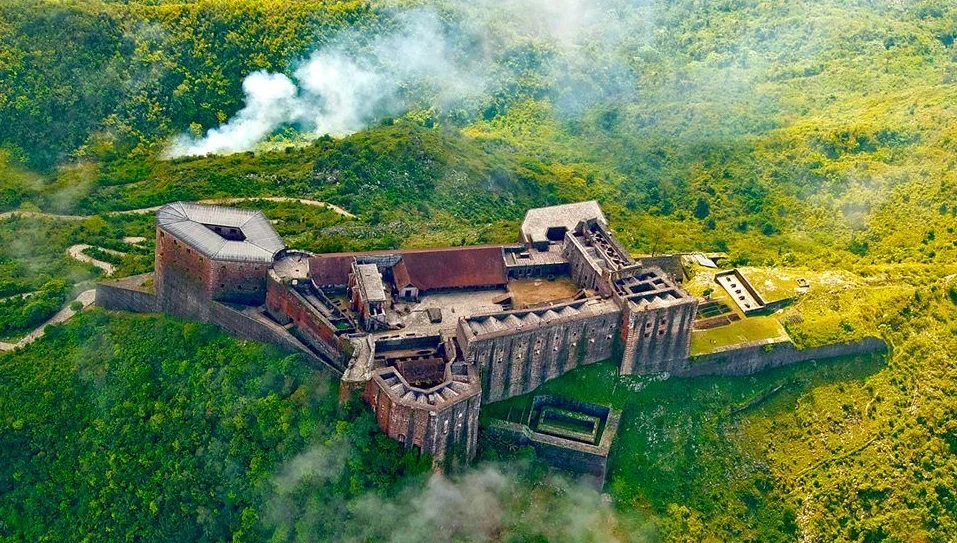
Perched majestically on the verdant mountain peaks of northern Haiti, Citadelle Laferrière stands as an enduring symbol of the resilience and greatness of the Haitian nation. This impressive historical monument is much more than just a stone structure; he embodies the spirit of freedom and pride that animates the Haitian people.
On May 18, Haïti celebrates "Flag Day", a public holiday marking the creation of the Haitian flag in 1803. Displayed for the first time in Arcahaie by Jean-Jacques Dessalines, this national symbol results from the fight for independence against slavery and French domination. Established in 1926 by Timothée Paret, then Minister of Justice under the presidency of Louis Borno, this celebration took on a particular dimension in the midst of American occupation and remains as a tradition. Haitians honor this day with school parades, musical groups in the streets and patriotic songs, recalling the union and solidarity of ancestors. The “Flag Festival” is an opportunity to reflect on the values of freedom and determination which continue to forge the Haitian national identity.

First black nation to free itself from slavery and gain independence from France in 1804 and influenced other liberation movements around the world, inspiring struggles for freedom and equality.

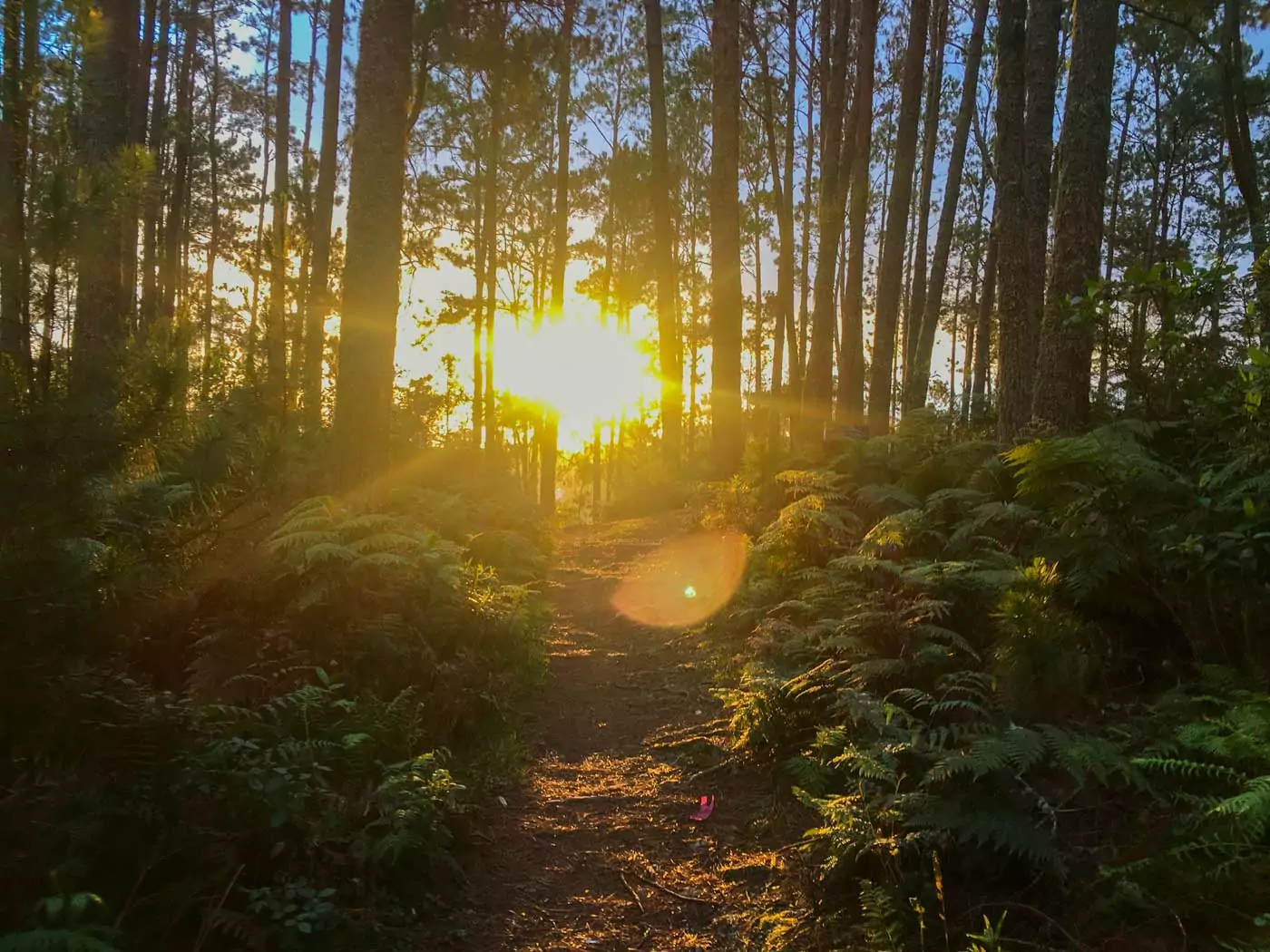
Haïti is blessed with spectacular natural landscapes, including white sand beaches, mountains and rich biodiversity.

Haïti has a rich historical heritage, including sites like the Citadelle Laferrière and the Sans-Souci Palace, listed as UNESCO World Heritage Sites.

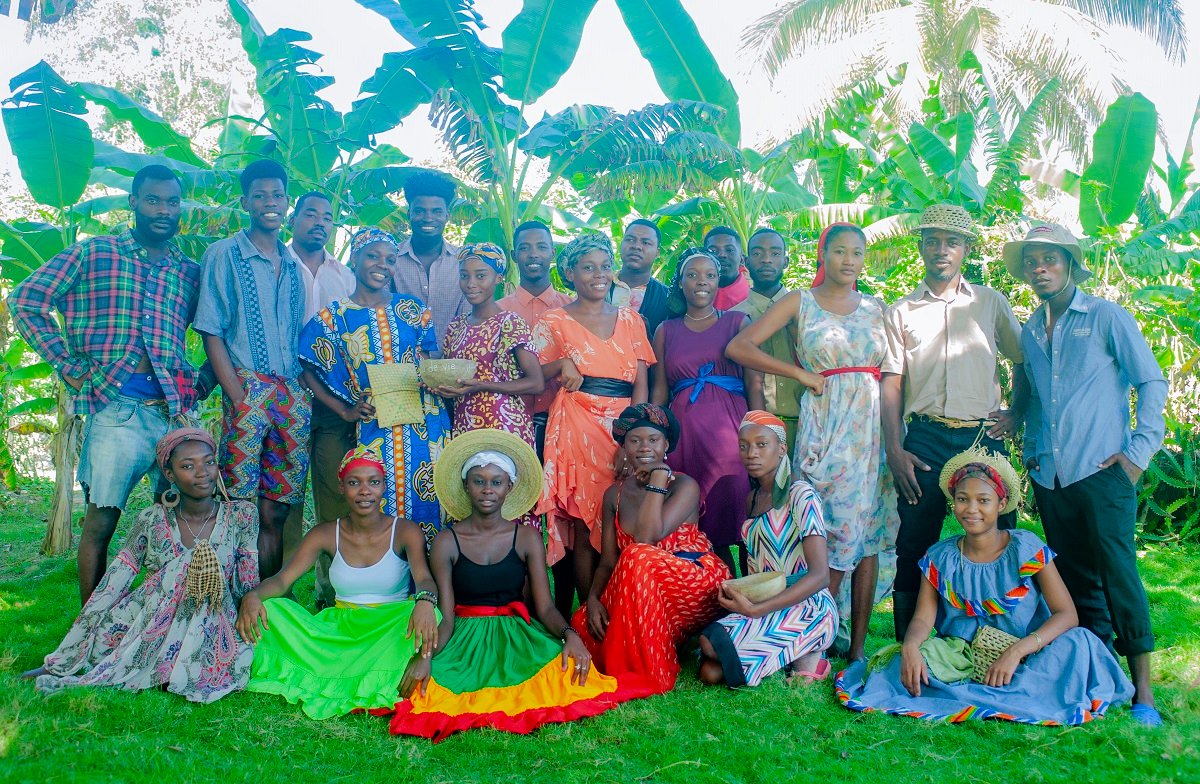
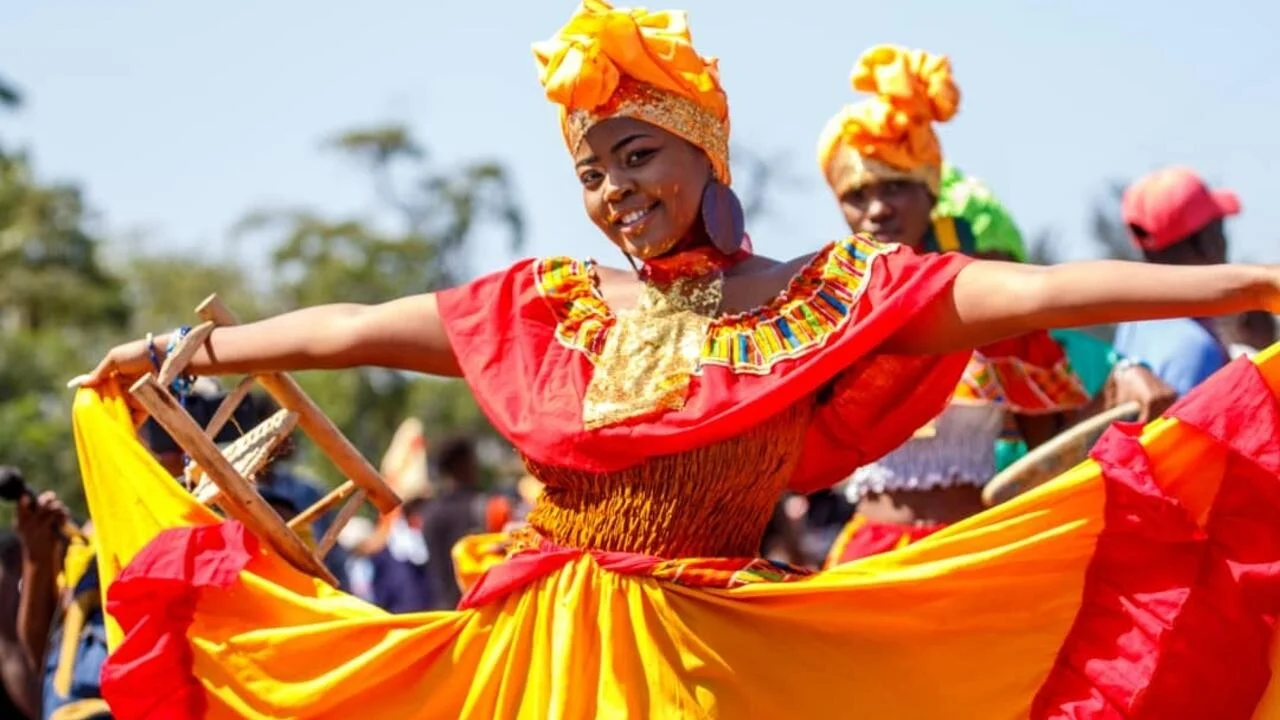
Haïti has a rich and diverse culture, influenced by African, European and indigenous elements. Haitian music, dance, art and cuisine are celebrated around the world.