Fontamara: Intensive Entrepreneurship Training for 50 Young People with LESPWA POU DEMEN
LESPWA POU DEMEN: a unique program that aims to train 50 young people from Fontamara in entrepreneurship and economic autonomy.

Haiti, a land rich in history and culture, has had several names over the centuries, each reflecting a significant period in its evolution. These names reveal the changing identity of the island, from pre-Columbian times to today. Let’s discover together the different names that this emblematic territory has had and their meaning.
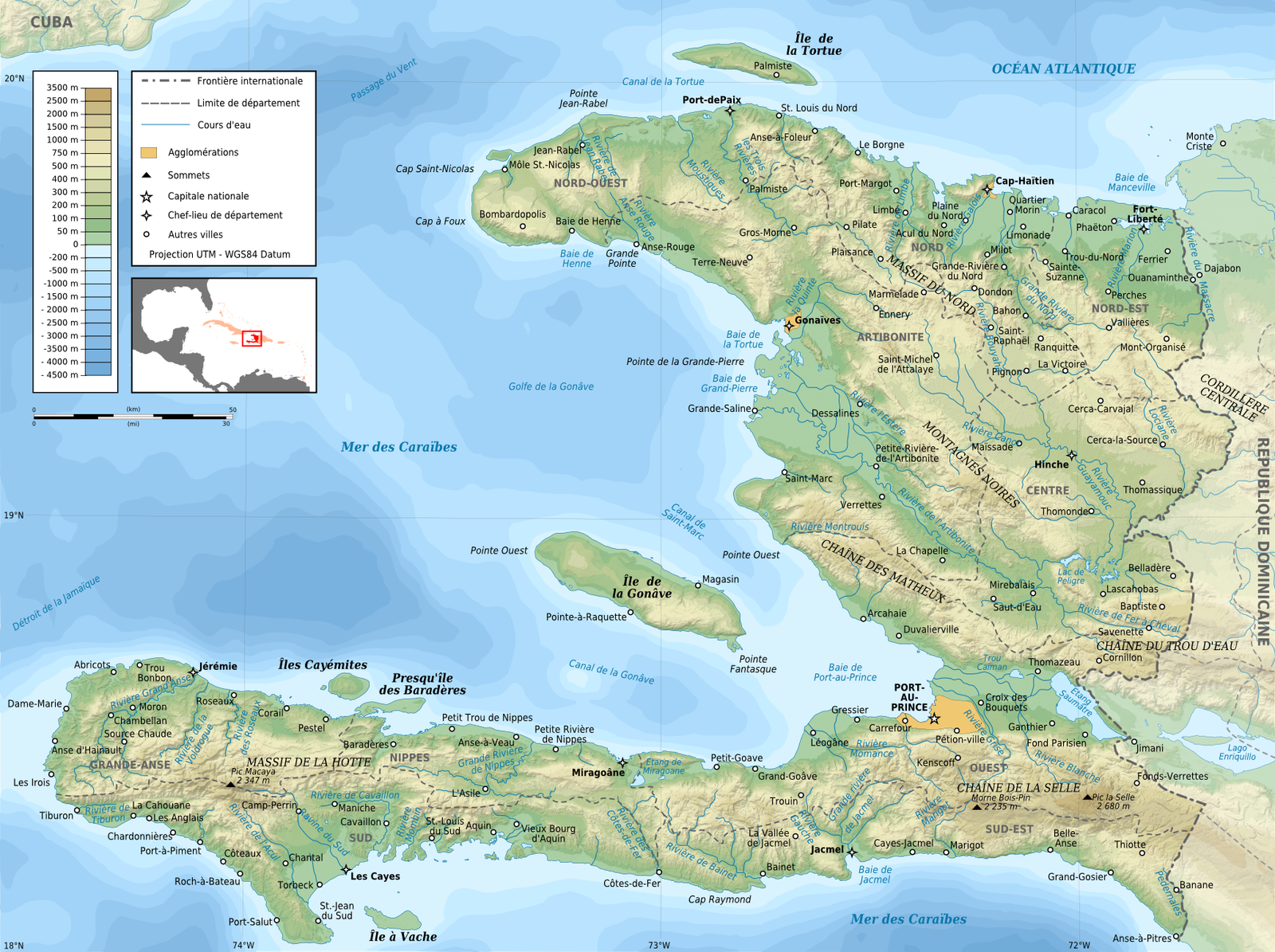
Haiti, this vibrant and characterful country, is located in a fascinating region of the world. Although many know it as an island state in the Caribbean, one question often comes up: in which continent is Haïti located? This article provides you with the answer while exploring the unique geographical and cultural identity of this jewel of the Antilles.
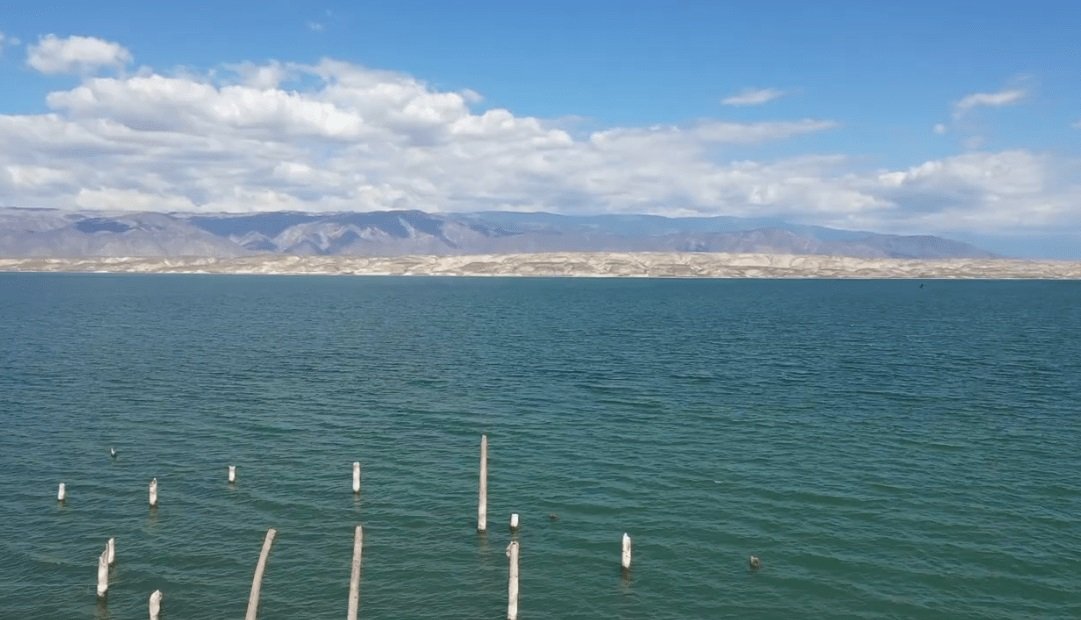
The largest valley in Haïti is called the Artibonite Valley. Nestled in the heart of the country, this valley is a true natural and economic wealth for the nation. Thanks to its fertile lands, its importance in agricultural production and its role in Haitian history and culture, the Artibonite Valley is an emblematic place in many ways. In this article, we will explore the characteristics that make this valley a national treasure.
Haiti has two mottos: "Unity is Strength" on its coat of arms and "Liberty-Equality-Fraternity" in its 1987 Constitution. Find out which one is official.
Haiti, with its unique history and vibrant culture, is a country where language plays a central role in national identity. Haiti’s primary language is Haitian Creole, a rich and expressive language that reflects the country’s cultural mix. Although French is also an official language, Creole is spoken by almost the entire population and is a fundamental part of daily life. In this article, we will explore the origins, uses, and importance of Creole in Haiti.
Haiti, with its fascinating history and vibrant culture, is also characterized by a vibrant and resilient population. But exactly how many people will live on this island nation in 2024? Here’s an exploration of the current demographics and what they mean for Haiti’s future.
Haitian cuisine is full of flavors, colors, and aromas that reflect the country’s history and cultural diversity. Among the most iconic dishes, "Diri sòs pwa ak legim" (rice, pea sauce, and vegetables) stands out as a true culinary treasure. This dish is much more than just a meal: it symbolizes the sharing, tradition, and creativity of Haitians. In this article, let’s discover why this dish is so popular and what makes it an icon of Haitian gastronomy.
Haiti, located in the Caribbean, is known for its tropical climate that differs from the seasons as defined in temperate countries. Rather than the traditional four seasons (spring, summer, fall, winter), the country mainly experiences an alternation between the dry season and the rainy season. However, there are climatic variations that are associated with the times of the year and influence the lives of Haitians. This article explains how these seasons manifest themselves in Haiti.
The Coat of Arms of Haïti is a national symbol rich in history and deep meaning. It is a reflection of the country’s identity, its struggle for freedom, and the values that unite the Haitian people. This article takes you into the details of the Coat of Arms of Haiti, exploring its origin, composition, and the symbolism of each element that composes it.
Haiti, with its unique history and vibrant culture, is a country where language plays a central role in national identity. Haiti’s primary language is Haitian Creole, a rich and expressive language that reflects the country’s cultural mix. Although French is also an official language, Creole is spoken by almost the entire population and is a fundamental part of daily life. In this article, we will explore the origins, uses, and importance of Creole in Haiti.
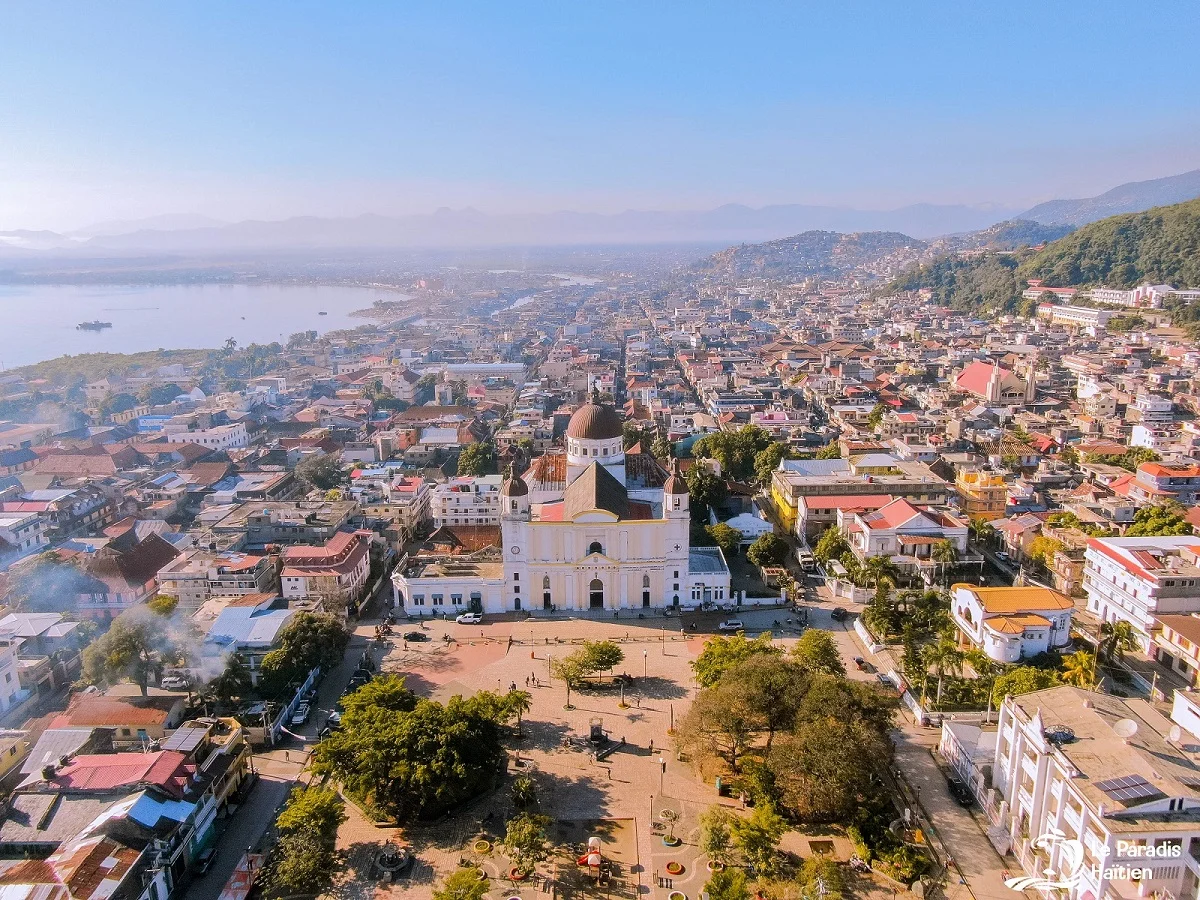
Jacmel, Haiti’s hidden gem, is celebrating its 326th anniversary this year. Located on the country’s southeastern coast, this picturesque city, known for its enchanting landscapes and rich cultural heritage, is an inexhaustible source of beauty and creativity.
Salt production in Haïti is an ancestral know-how that plays an essential role in the economy of coastal areas. The regions most recognized for salt production are the Salines de Petite-Rivière de l’Artibonite, the coasts of Île de la Gonâve, the Salines de Port-au-Prince, as well as parts of the North and Southeast. This process, which depends on the country’s natural geography and maritime resources, continues to support local communities while providing an indispensable product to the Haitian economy.
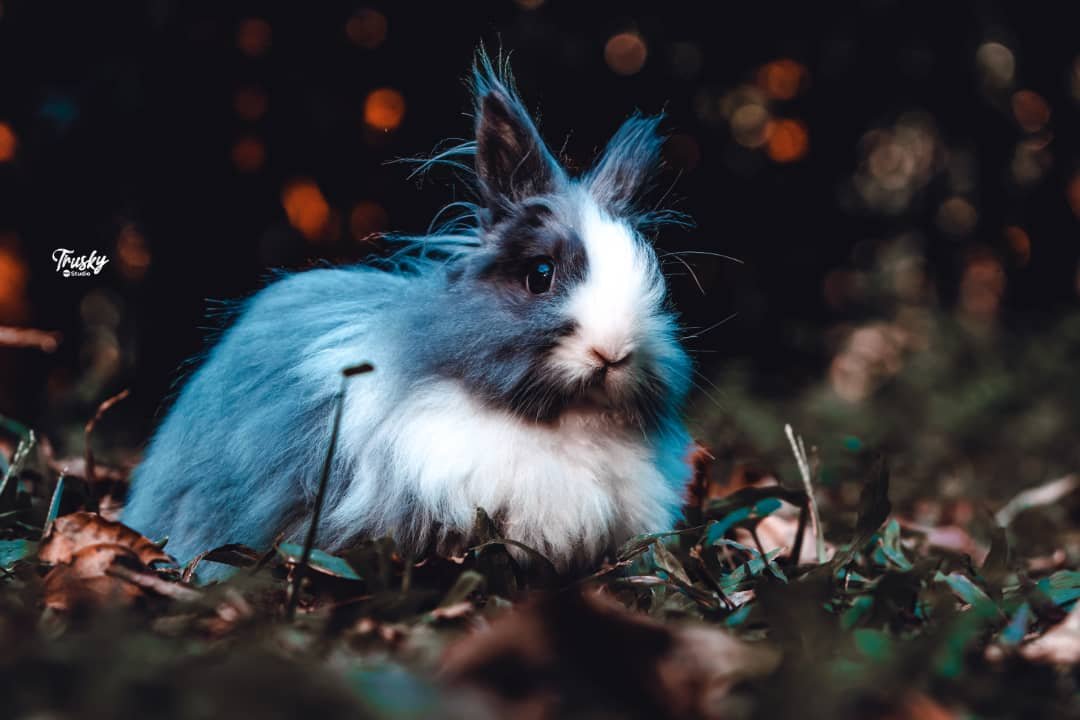
Les lapins sont des mammifères appartenant à la famille des Leporidae. Voici quelques-unes de leurs caractéristiques principales : 1. **Physique** : Les lapins ont un corps couvert de fourrure douce, des oreilles longues et droites, de grands yeux sur les côtés de leur tête, et une queue courte et duveteuse. Ils possèdent de puissantes pattes arrière adaptées au saut. 2. **Taille et poids** : La taille et le poids peuvent varier considérablement selon la race, allant d’environ 500 grammes pour les plus petits à plus de 5 kilogrammes pour les plus grands. 3. **Comportement** : Les lapins sont connus pour être sociaux et peuvent vivre en groupes dans la nature. Ils communiquent entre eux par différents moyens, y compris par des sons et des mouvements corporels. Les lapins creusent des terriers pour y vivre et se protéger des prédateurs. 4. **Alimentation** : Ils sont herbivores, se nourrissant principalement de foin, d’herbes, de feuilles, de fleurs, et de certains légumes. Leur système digestif est adapté pour traiter une grande quantité de fibres. 5. **Reproduction** : Les lapins sont réputés pour leur capacité à se reproduire rapidement, avec des gestations courtes d’environ 28 à 31 jours. Une portée peut compter de un à douze lapereaux, selon la race. 6. **Sens** : Ils ont une excellente vision périphérique pour détecter les mouvements tout autour d’eux, mais ont une zone aveugle juste devant leur nez. Leur ouïe est également très développée, leur permettant de capter des sons à de grandes distances. 7. **Espérance de vie** : En captivité, les lapins peuvent vivre de 7 à 10 ans, selon la race et les soins prodigués, tandis que dans la nature, leur espérance de vie est généralement plus courte en raison des prédateurs et des maladies. Ces animaux nécessitent des soins appropriés, notamment un régime alimentaire équilibré, de l’exercice, et une attention particulière à leur bien-être émotionnel et physique pour vivre une vie saine et heureuse en captivité.
ZOUTI is an integrated management software (ERP) designed to simplify and automate all your business operations. Whether you are a small, medium, or large business in Haiti, this solution allows you to centralize sales, inventory, order, and financial management on a single platform. Official website: https://zoutipgi.com/ Online demo: https://demo.zoutipgi.com/

First black nation to free itself from slavery and gain independence from France in 1804 and influenced other liberation movements around the world, inspiring struggles for freedom and equality.

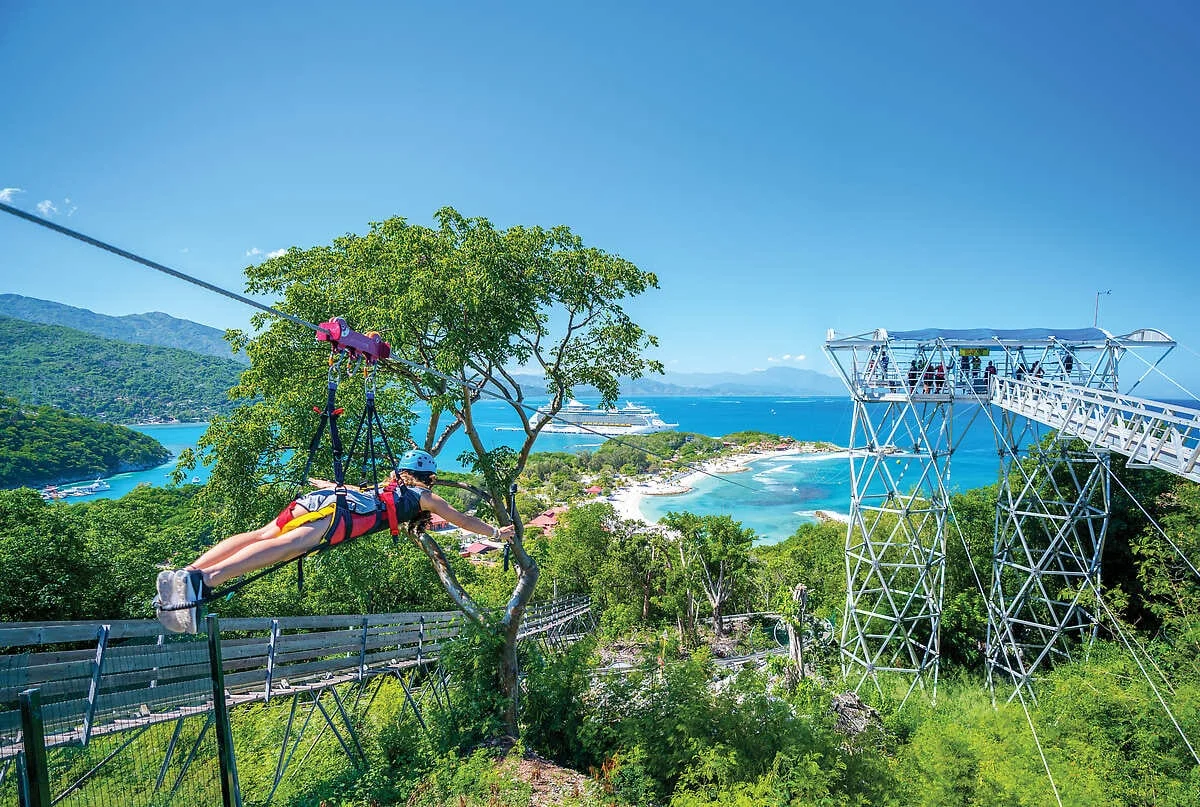
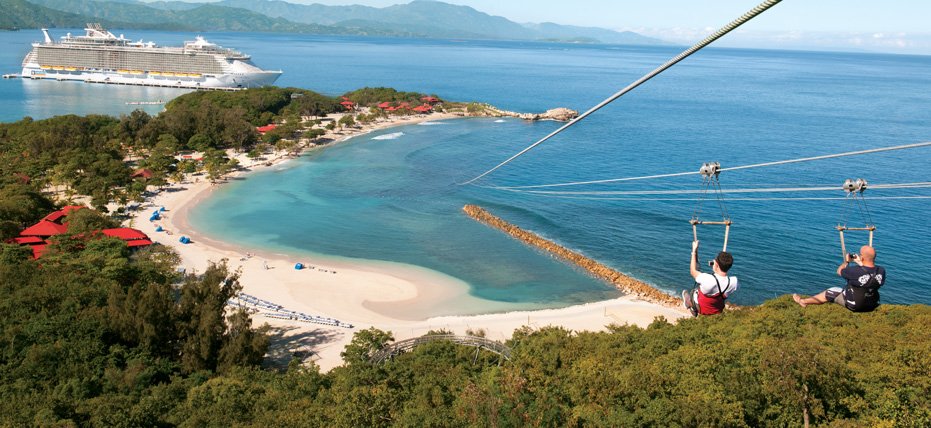
Haïti is blessed with spectacular natural landscapes, including white sand beaches, mountains and rich biodiversity.

Haïti has a rich historical heritage, including sites like the Citadelle Laferrière and the Sans-Souci Palace, listed as UNESCO World Heritage Sites.

Haïti has a rich and diverse culture, influenced by African, European and indigenous elements. Haitian music, dance, art and cuisine are celebrated around the world.