


What is Haiti’s motto?
Discover Haiti's national motto: Liberty – Equality – Fraternity. Its origin, meaning, and importance in Haitian history and identity.
Le soup joumou haïtien est bien plus qu’un simple plat traditionnel. Il incarne une histoire de résistance, de liberté et de culture, et représente un élément clé de l’identité haïtienne. Au-delà de sa signification symbolique, il offre aussi aux voyageurs un moyen unique de découvrir les richesses de la gastronomie haïtienne. Dans cet article, nous explorerons l’importance historique du soup joumou, ses caractéristiques culinaires, ainsi que son rôle en tant que moteur du tourisme gastronomique en Haïti.
Haïti, the pearl of the Caribbean nestled west of the island of Hispaniola, offers a captivating combination of natural beauty and rich history. For an unforgettable trip, follow these wise tips to plan your stay. b~Prior Research~b Before you begin your trip, immerse yourself in Haïti’s rich culture, fascinating history, delicious cuisine and top attractions. This prior immersion will allow you to make the most of your stay and connect more easily with locals. b~Ideal time to travel~b Haïti’s mild climate throughout the year makes it an attractive tourist destination at any time. Your choice of period will depend on your preferences. If you’re passionate about cultural festivities, don’t miss the Haïtian Carnival in February, a vibrant celebration leading up to Lent. For lovers of paradise beaches like Labadee, La Côte des Arcadins, and others, summer offers a perfect mix of sun and fun times in crystal clear waters. If spirituality appeals to you, August 15 marks the Feast of the Assumption, a religious celebration marking the Virgin Mary’s ascension into heaven. And also November 1st and 2nd are dedicated to the Day of the Dead. Families go to the cemetery to honor and decorate the graves of their deceased loved ones, creating an atmosphere steeped in memory and tradition. History buffs may choose to visit on national holidays such as National Independence Day on January 1, Flag Day on May 18, and other significant events. b~Choice of Accommodation~b Haïti offers a range of accommodation options, from luxury hotels to family-friendly B&Bs. Adapt your choice according to your budget and preferences, favoring local accommodation for a more authentic experience. b~Unmissable Tourist Sites~b Among the gems to explore, discover the majestic Citadelle Laferrière, listed as a UNESCO world heritage site, the Sans Souci Palace, the La Visite National Park, the Milot Cathedral, Fort Jacques, the Heroes of Vertières, the Bassin Bleu , the Saut-Mathurine Waterfall, the Marie-Jeanne Cave, Kenscoff and Furcy, as well as the Saut d’Eau Waterfall. Also explore the artistic wealth of Haïti through its artisan markets. b~Taste Local Cuisine~b Haïtian cuisine is a symphony of exotic flavors. Be sure to sample local dishes such as griot and pea-sticky rice at local markets for an authentic culinary experience. b~Local Culture~b Haïtian culture, influenced by a rich history, is diverse and vibrant. Respect local customs, be open-minded and willing to learn. The warmth and hospitality of the Haïtians add a unique dimension to your experience. b~Means of Transport~b Opt for modern means of land transport such as Capital Coach Line, Transport Chic, Sans-Souci Tours, Le Transporteur, Grand Nord. For aerial explorers, easily book your flight with Sunrise Airways. Car rental is also an option for those looking for a more private experience. b~Language and Communication~b Although Haïtian Creole is the main language, French is also widely used. Learn a few basic phrases in Creole to facilitate exchanges and enrich your experience. By meticulously planning your trip to Haïti, you open yourself up to discovering the natural beauty, cultural richness, and warm hospitality of this Caribbean gem. Get ready to experience a unique and memorable adventure in Haïti.
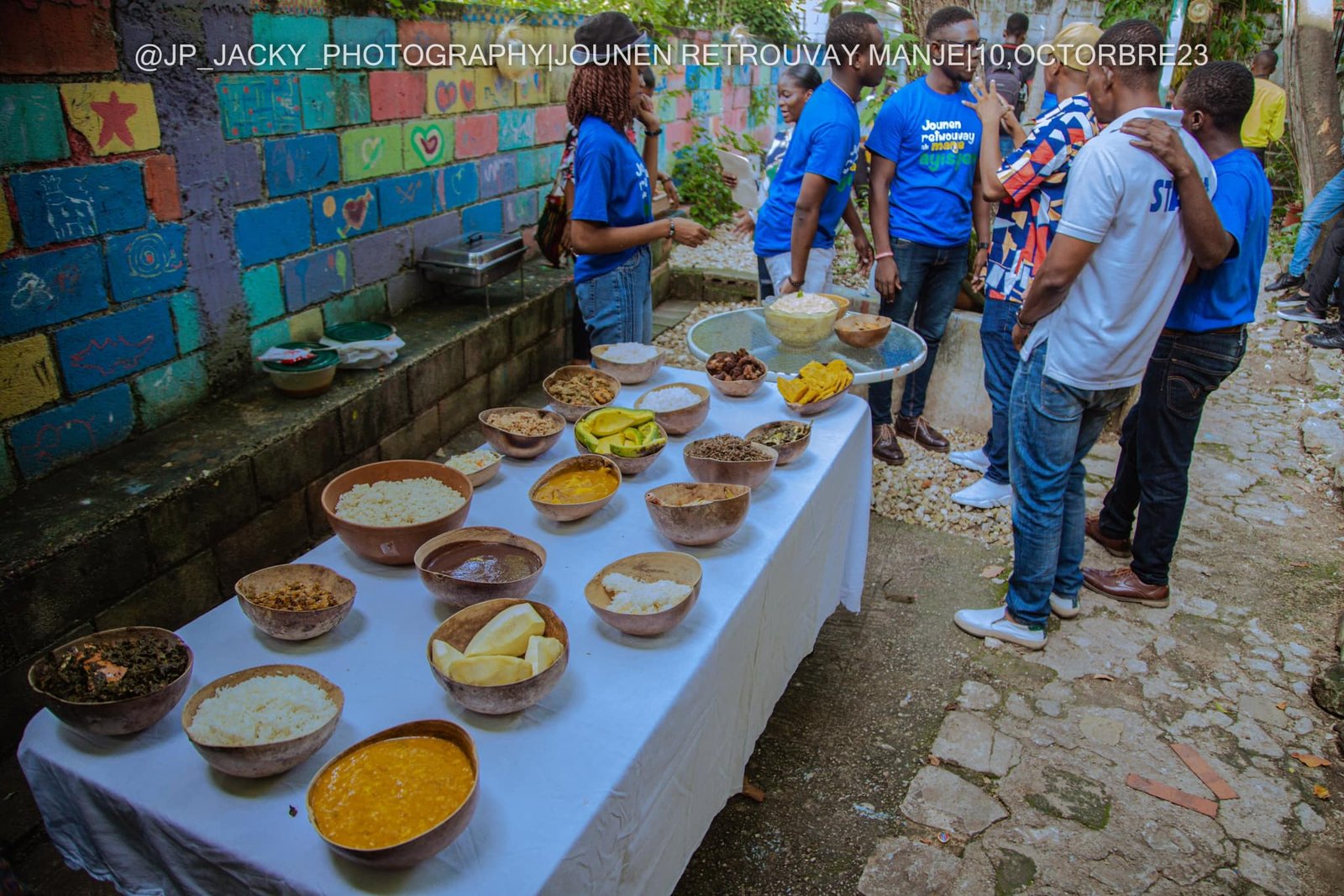
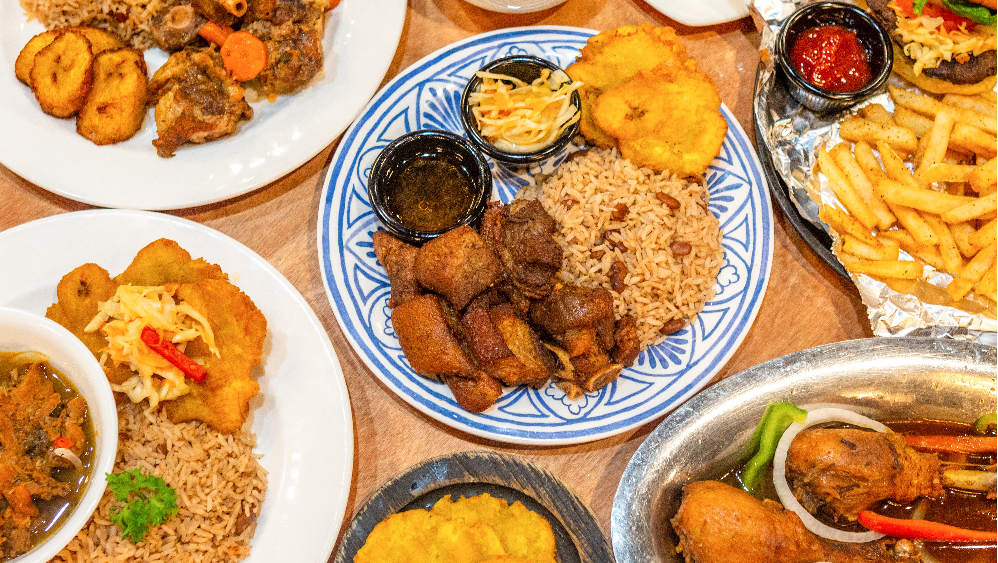
On October 19, 2023, the Haitian community came together to celebrate Andy Vibert’s birthday in an extraordinary way, by organizing a special event titled "JOUNEN RETWOUVAY AK MANJE AYISYEN." This exceptional day was an opportunity to highlight the richness of Haitian cuisine by offering a delicious variety of traditional dishes, such as joumou soup, chiktay, weighed bananas, tonmtonm, tchaka, lalo, white rice, pea and vegetable puree, bòy ak sòs pwa, and of course, the famous griots. Beyond the simple celebration of an anniversary, this evening had a deeper objective, namely to encourage fellow Haitians to favor local consumption. Andy Vibert, by highlighting these traditional dishes, wanted to make guests aware of the importance of supporting national production.
Article 1 of the Haitian Constitution of 1987, amended in 2011, establishes the foundations of national identity. In one concise but powerful sentence, it states that Haïti is an indivisible, sovereign, independent, free, democratic and social Republic. These six terms reflect the fundamental values and collective aspirations of the Haitian nation, forged through a rich and tumultuous history. q~ARTICLE 1: Haïti is a Republic, indivisible, sovereign, independent, cooperative, free, democratic and social.~q Let’s discover the meaning and importance of each of these principles in the context of the Republic of Haiti.
Nestled in the heart of the Caribbean Sea, Haïti is known not only for its rich cultural and historical heritage, but also for its pleasant tropical climate which makes it a popular destination for tourists and nature lovers. Located in the Greater Antilles, Haïti shares the island of Hispaniola with the Dominican Republic and benefits from a climate that profoundly influences daily life, the economy and the biodiversity of the country.
Port-au-Prince, Haiti’s vibrant capital, is much more than just a city. It’s a melting pot of flavors, a place where street food reigns supreme, offering a unique and authentic culinary experience. In the heart of this bustling metropolis, every corner transforms into a gourmet market, an ode to Haitian gastronomy. The tantalizing smells of grilled meats, spicy sauces, and simmering dishes invite you on a sensory exploration. Improvised stalls, often set up on rickety wooden tables, line the streets, offering a variety of culinary delights. From "griots" to "tassot," including "bannann peze" and "pikliz," each dish tells a story, a tradition passed down from generation to generation. For culinary adventurers, Haitian street food is an unforgettable experience. Every bite is a testament to the creativity and passion of the impromptu chefs, who transform simple ingredients into delicious and authentic dishes. Tell us in the comments which dish you ate until you lost your breath on the streets of Port-au-Prince, or share a great experience you’ve had!
Haiti, a Caribbean republic with a rich historical past, is divided into ten departments comprising 140 communes. Its history dates back to pre-Columbian times with the Tainos, followed by European colonization and a historic rebellion against slavery and colonial rule, culminating in its independence in 1804. Despite its current challenges, Haïti offers remarkable natural beauty with its beaches, its mountains and its cultural diversity. Among its municipalities, some stand out for their charm and history. Here is a selection of five of the most remarkable communes in Haiti, inviting you to discover its hidden treasures.
May 1st is a day dedicated to the celebration of work and agriculture. It’s an opportunity to showcase the produce of the land and savor the authentic flavors of our land. Haïti Wonderland offers a traditional recipe that highlights an emblematic fruit of Haitian cuisine: breadfruit. Discover how to prepare the delicious "Tonm-Tonm," a perfect accompaniment to celebrate Kouzen Zaka.
Soup joumou, a traditional Haitian dish, is more than just a mealtime treat. For Haitians, the soup is a symbol of their struggle for freedom and national identity. This article explores the history, meaning, and how soup joumou plays a central role in Haitian culture.
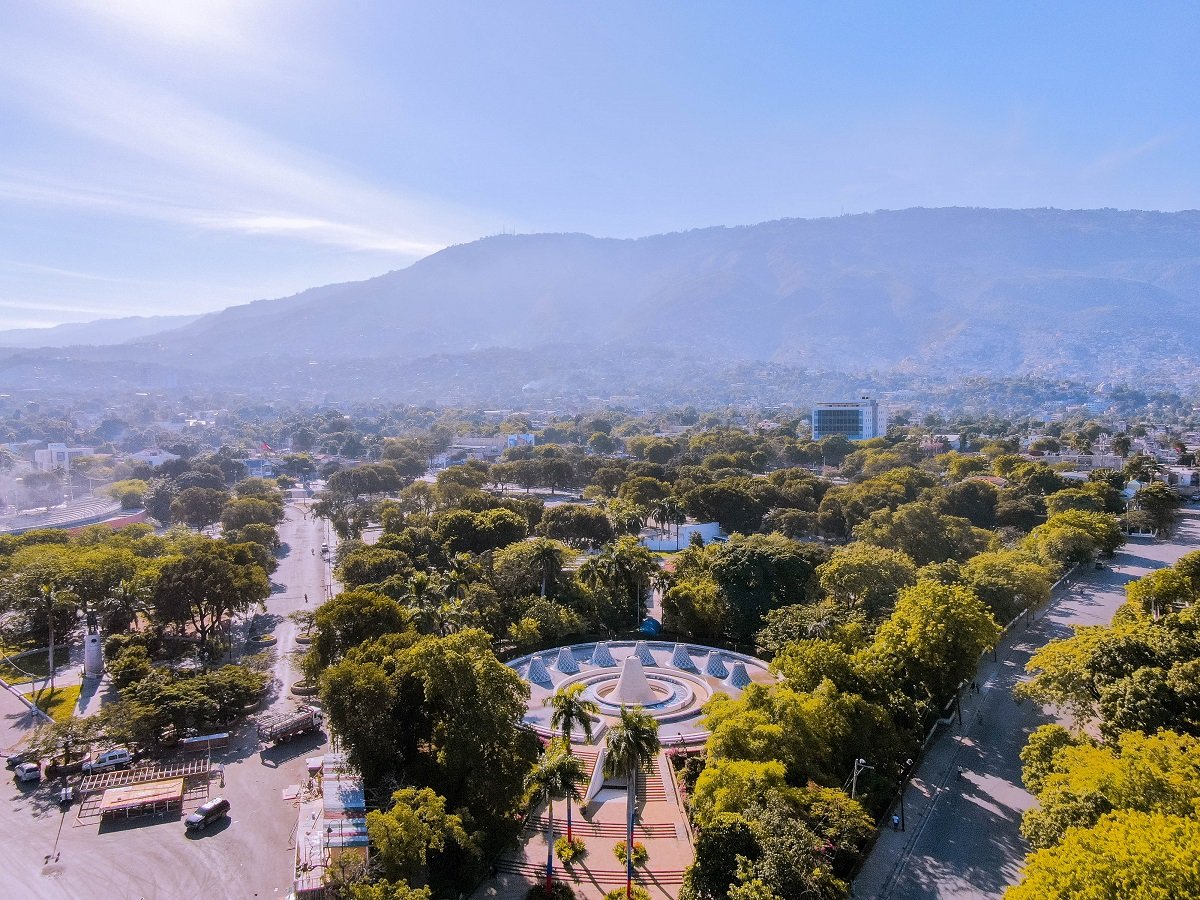
Haiti, a country rich in history and culture, is located in the heart of the Caribbean region. Known for its idyllic beaches, majestic mountains and welcoming people, Haïti is a true gem in this tropical region. But where exactly is Haïti located in the Caribbean, and what are the geographical features that define this fascinating country?
Haiti, a country rich in history and culture, is divided into several administrative departments that structure its territory and reflect its geographical and cultural diversity. Each department has unique characteristics, contributing to the wealth of the nation. Discover the 10 departments of Haiti, their characteristics, and their role in the life of the country.
In the competitive world of the travel and hospitality industry, standing out is essential to attract customers and convince them to choose your property among a multitude of options. That’s where virtual tour services come in, providing an immersive experience that gives potential clients a realistic taste of what you have to offer. At the heart of this booming trend is Wonderland 360°, a division of Haïti Wonderland, specializing in creating high-end virtual tours for Airbnb, hotels, restaurants and other real estate businesses in Haiti.

First black nation to free itself from slavery and gain independence from France in 1804 and influenced other liberation movements around the world, inspiring struggles for freedom and equality.

Haïti is blessed with spectacular natural landscapes, including white sand beaches, mountains and rich biodiversity.

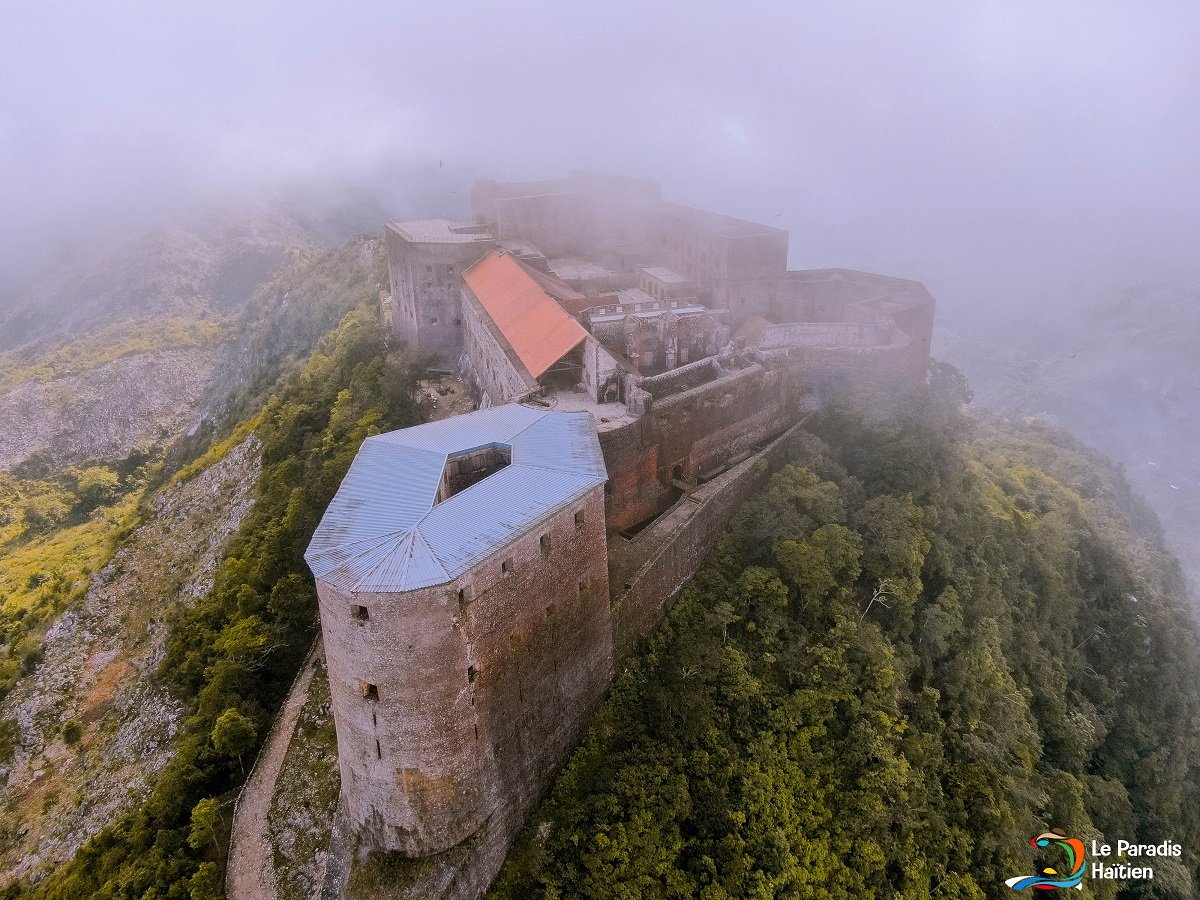
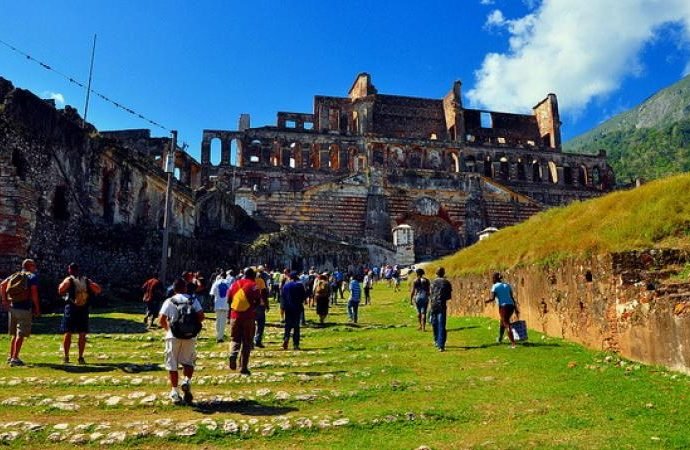
Haïti has a rich historical heritage, including sites like the Citadelle Laferrière and the Sans-Souci Palace, listed as UNESCO World Heritage Sites.

Haïti has a rich and diverse culture, influenced by African, European and indigenous elements. Haitian music, dance, art and cuisine are celebrated around the world.