

Quick and easy recipe for Haitian calalou sauce
Do you like calalou? How would you rate your calalou sauce out of 10? And when was the last time you had a good calalou?

Haïti is often viewed online through the prism of poverty, political instability and natural disasters. Although these aspects are part of the Haitian reality, they do not entirely define it. Cultural richness, a glorious past, abundant natural resources, exquisite gastronomy and other attractions are equally important, but unfortunately less publicized, facets.
On January 25, 2025, the Banj headquarters, in Delmas 64, vibrated to the rhythm of the 3rd Young Activists Summit, an event organized by Rivalpromo509. More than 200 passionate and determined young people gathered to discuss the theme: "Political and technological exploration for a connected youth"
Haiti’s largest plateau is the Central Plateau. This vast territory, located in the central region of the country, is an emblematic area of Haiti’s environment, rich in natural resources, history, and agricultural potential. In this article, we will explore the characteristics of this plateau that make it an essential region for understanding Haiti.
From March 8 to 21, 2025, the Emmanuel Charlemagne Municipal Cultural Center welcomes a vibrant and emotional celebration of femininity with MUSES, a unique exhibition as part of Women’s Fortnight. This event delves into the very essence of Haitian women, representing them in all their complexity, strength, and beauty through the works of four exceptional artists. Let yourself be swept away by this unique artistic experience that invites you to rediscover women in a new light!
For centuries, the institution of slavery has darkened human history, leaving behind a legacy of pain, oppression and the struggle for freedom. However, in this dark tale, one nation stands out for its courage and determination to break the chains of oppression: Haiti. Located in the Caribbean, Haïti played a pioneering role in the abolition of slavery, laying the foundation for the fight for freedom and equality around the world. The history of slavery in Haïti dates back to the arrival of Europeans on the island, which was then called Santo Domingo, in the 15th century. French colonists quickly established an economy based on sugar and coffee production, cruelly exploiting millions of African slaves deported to work on plantations. However, this brutal system engendered fierce resistance from slaves, whose fight for freedom ultimately led to one of the most significant revolutions in history. In 1791, under the leadership of iconic figures such as Toussaint Louverture, Jean-Jacques Dessalines and Henri Christophe, Haitian slaves rose up against their oppressors in an unprecedented rebellion. This revolt resulted in a war of independence that lasted more than a decade, but ultimately resulted in the proclamation of Haiti’s independence in 1804, making that country the first post-colonial nation ruled by people from slavery. The impact of the Haitian Revolution on the abolition of slavery worldwide cannot be overstated. By breaking the chains of oppression and proclaiming their independence, Haitians have sent a powerful message to all oppressed peoples around the world: freedom is possible, and it is worth the struggle. The example of Haïti inspired other movements for the abolition of slavery in the Americas and beyond, thus helping to shake the very foundations of the institution of slavery. Haiti’s participation in the fight against slavery was not limited to its territory; it also extended to external actions where Haitian men were sent or actively participated in movements for the abolition of slavery in other regions of the world. For example, Haitian President Alexandre Pétion supported Simón Bolívar, the leader of the South American revolution, by providing him with weapons, money and even men, which contributed to the liberation of several countries in America Latin of colonial domination. Haïti also provided support for independence movements in Central America. Haitian fighters, led by General Jean-Pierre Boyer, helped Venezuelan patriots fight against Spanish rule, contributing to the liberation of that region. The Haitian government financially and diplomatically supported movements for the abolition of slavery in countries such as Venezuela, Colombia and Mexico, contributing to the gradual eradication of this institution throughout the region. Although Haïti did not directly participate in the American Civil War, many Haitians and descendants of Haitians played crucial roles in the abolitionist movement in the United States. Figures who were of Haitian origin or of Haitian ancestry, were important voices in the fight against slavery and for equal rights in the United States. The legacy of the Haitian Revolution remains a symbol of resistance and courage for future generations. Today, as the world continues to struggle against injustice and oppression in various forms, Haiti’s history reminds us that the fight for freedom is a universal fight, one that transcends borders and times. Haiti’s participation in the abolition of slavery throughout the world remains a crucial chapter in the history of humanity. Through their courage and determination, Haitians have paved the way for a future where freedom and equality are inalienable rights for all.
Time management in Haïti follows a practice shared by several countries: daylight saving time. Adopted for several decades, daylight saving time consists of moving the clocks forward by one hour for part of the year in order to maximize the use of daylight. This article explores how and why this measure is applied in Haiti, as well as its impact on the daily lives of Haitians.
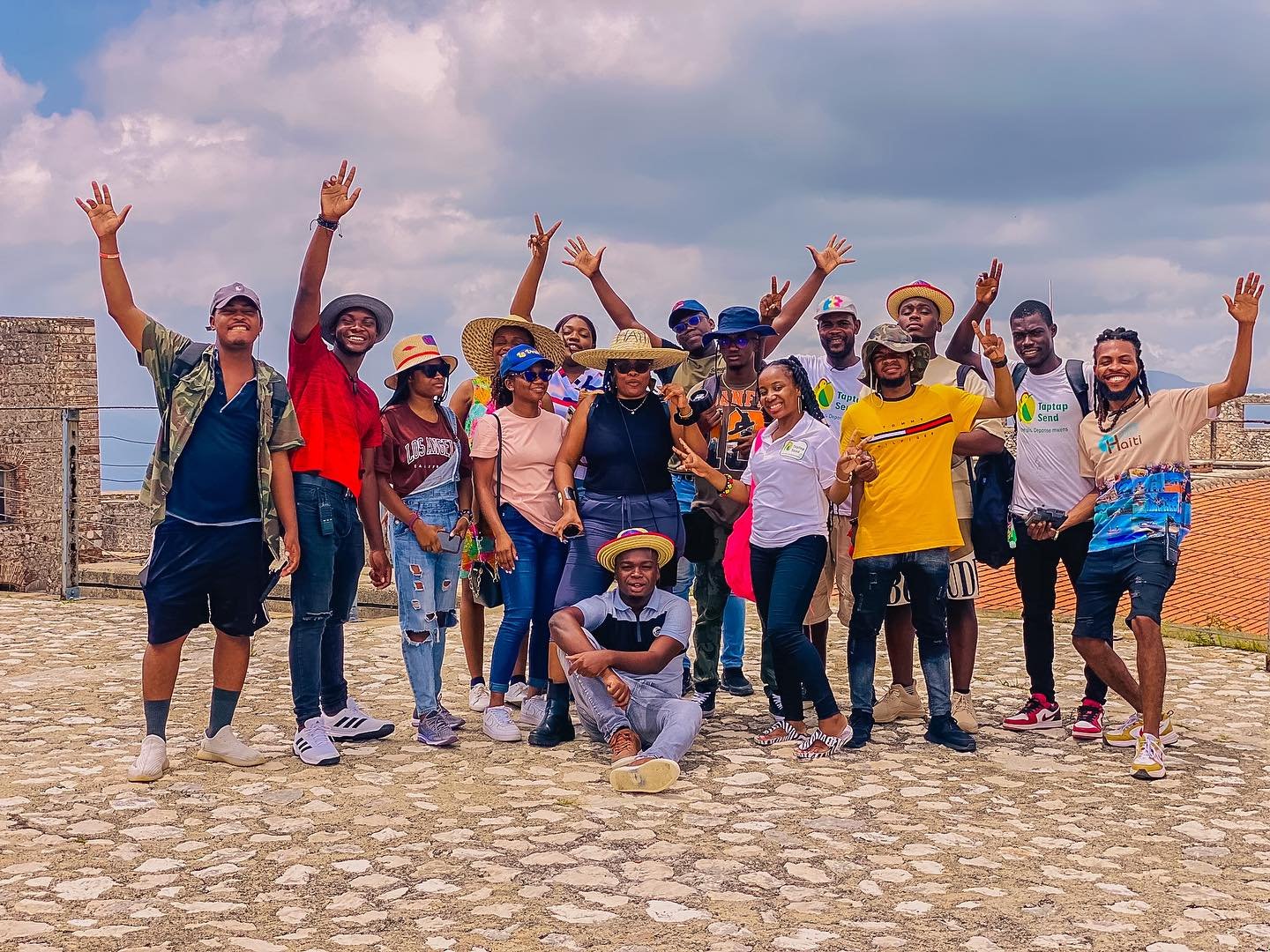
Haiti, the pearl of the Antilles, is a fascinating destination that combines spectacular natural beauty with a rich and complex history. Nestled in the Caribbean Sea, this island nation is a well-kept treasure, offering visitors a unique blend of magnificent landscapes, vibrant culture and historical heritage.
In a country where daily difficulties can often seem insurmountable, Haitian youth need sources of inspiration to move forward. The LESPWA writing contest, initiated by Oriol ANTOINE, photographer and cultural activist, offers young people a unique opportunity to express themselves through words and share a message of encouragement and resilience.
Haiti, officially the Republic of Haïti (Ayiti in Creole), is a country in the Greater Antilles. With an area of approximately 27,750 square kilometers, it is the third largest country in the Caribbean after Cuba and the Dominican Republic. Haïti shares a 360-kilometer land border with the Dominican Republic, strengthening ties and cultural distinctions between the two nations that cohabit on the island of Hispaniola. Haiti’s coastline stretches approximately 1,770 kilometers, bordering the Atlantic Ocean to the north and the Caribbean Sea to the south. This island is full of historical treasures, stunning natural landscapes and a vibrant culture worth exploring. Discover this Caribbean gem with us.
In the dynamic landscape of Canadian digital innovation, one company stands out for its unique fusion of talent, creativity and dedication. Founded by a team of Haitian and Canadian talents, Infinity Pixel has quickly established itself as a leader in high-quality digital services.
Haïti is a unique country in the Caribbean, not only for its revolutionary history, but also for its official languages: French and Haitian Creole. French, although spoken fluently by only a minority, plays a central role in the country’s administration, education, and culture. But why is this language so present in a country with African and Caribbean roots? This article explores the historical, cultural, and sociolinguistic origins of French in Haiti.
Haiti, a nation rich in history and culture, occupies a special position in the Caribbean region. But where exactly is Haïti located in this tropical archipelago? Discover its geographical location and what makes this country stand out among its island neighbors.

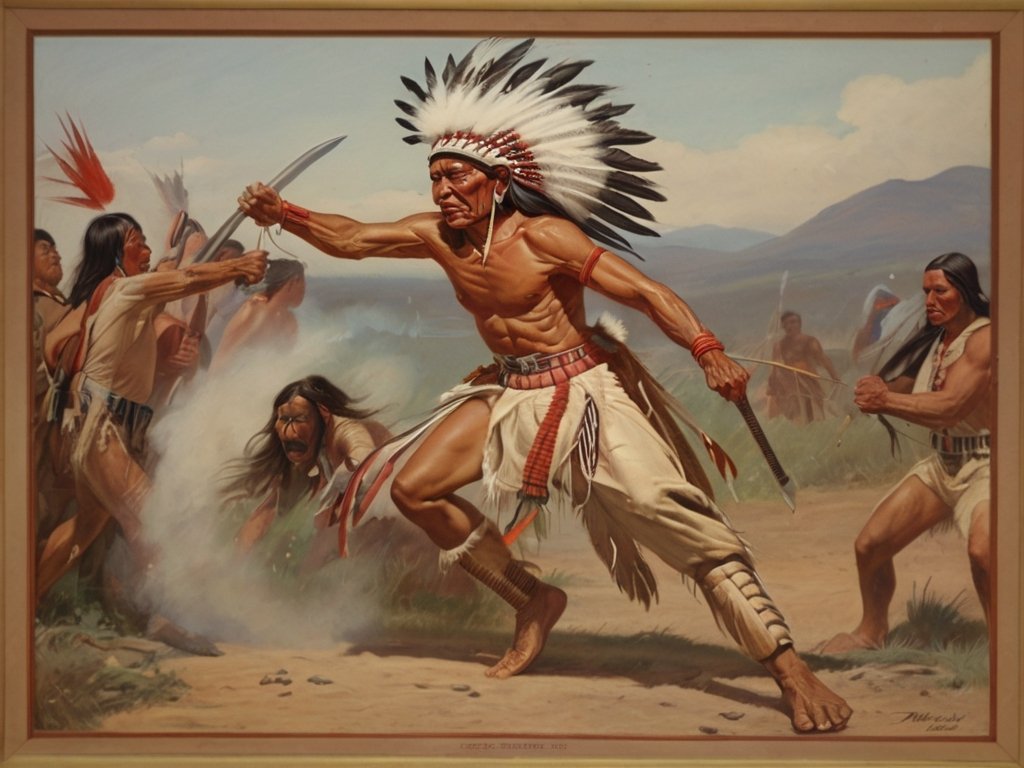
First black nation to free itself from slavery and gain independence from France in 1804 and influenced other liberation movements around the world, inspiring struggles for freedom and equality.

Haïti is blessed with spectacular natural landscapes, including white sand beaches, mountains and rich biodiversity.

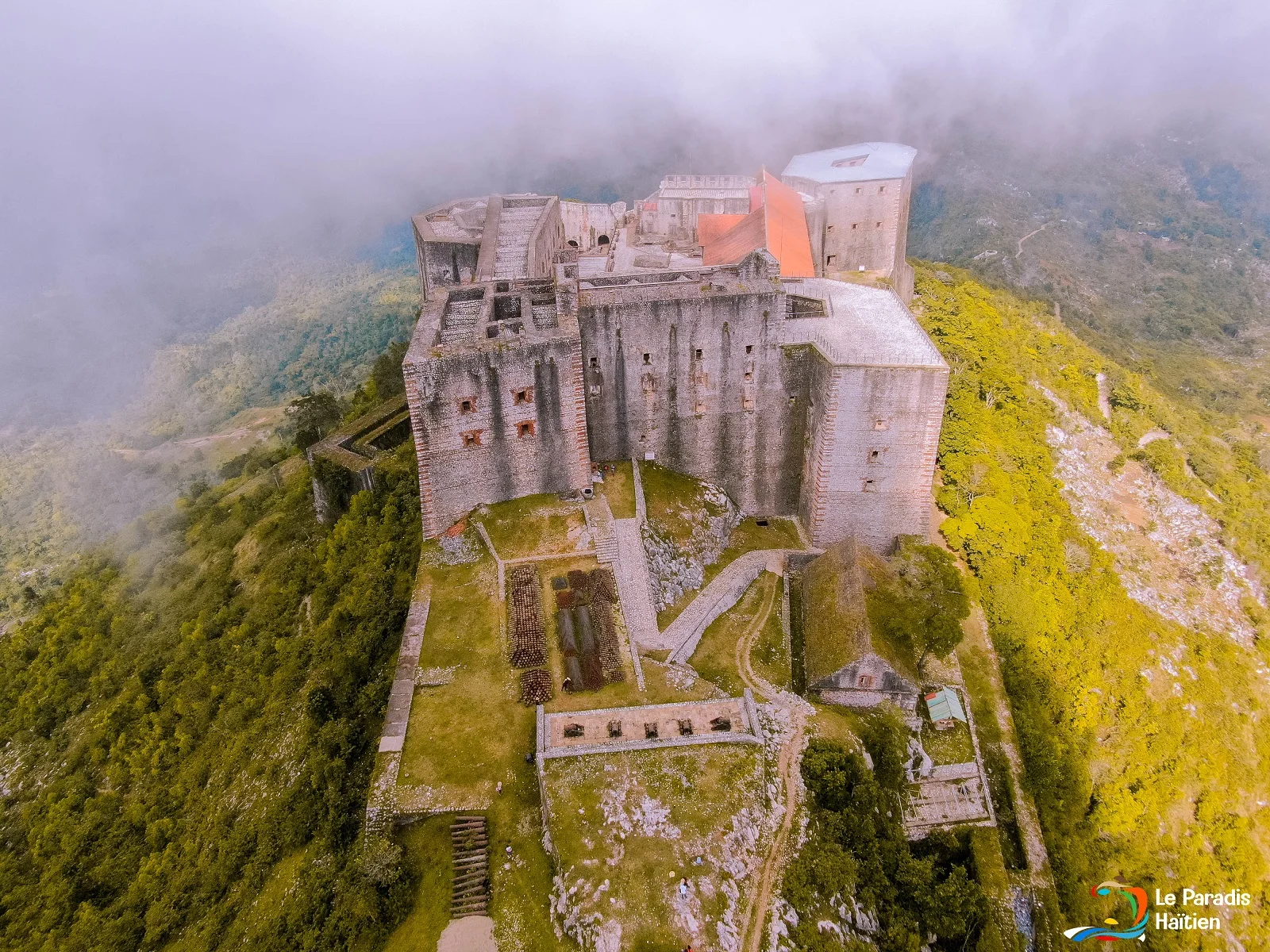
Haïti has a rich historical heritage, including sites like the Citadelle Laferrière and the Sans-Souci Palace, listed as UNESCO World Heritage Sites.

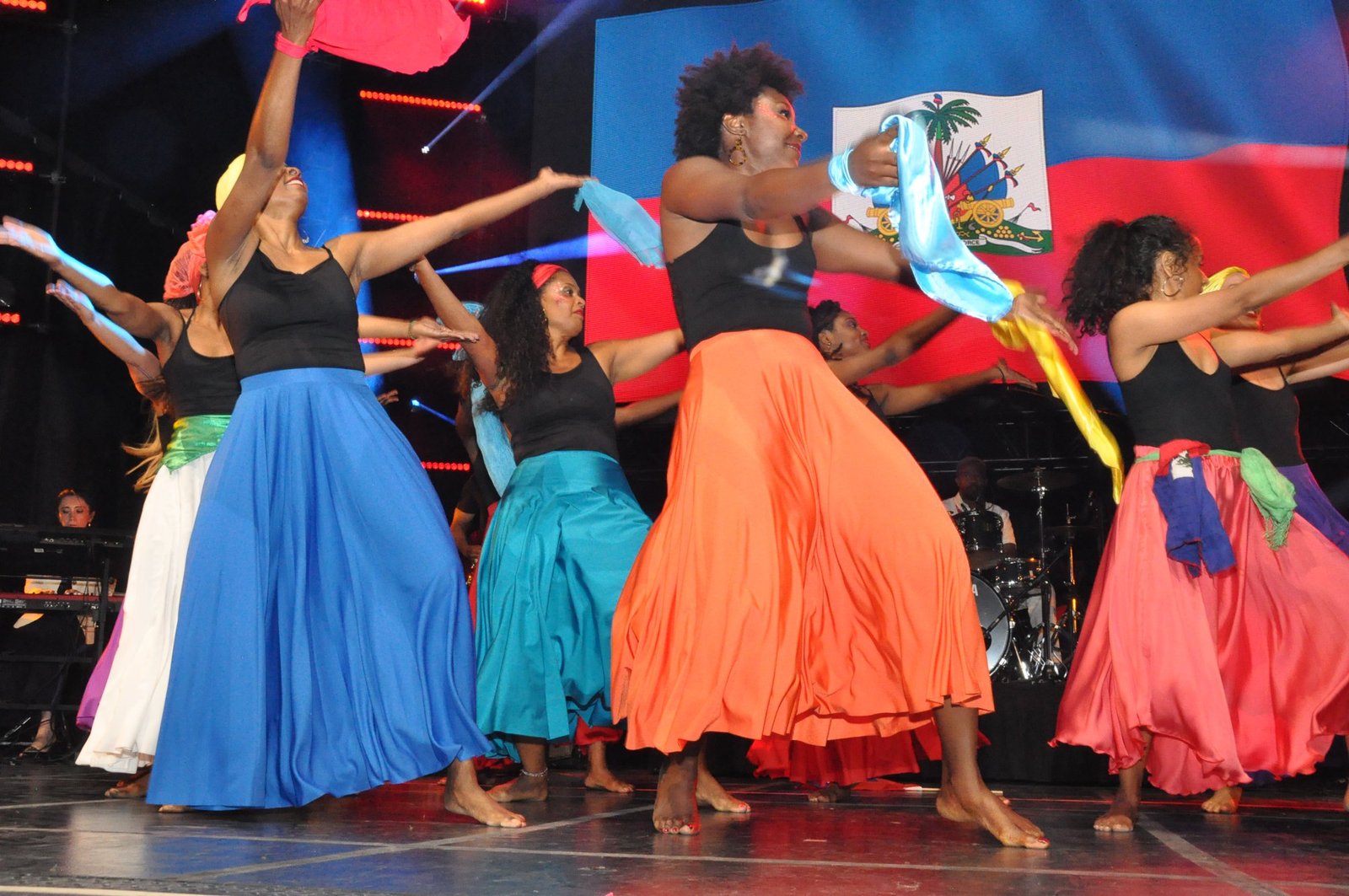
Haïti has a rich and diverse culture, influenced by African, European and indigenous elements. Haitian music, dance, art and cuisine are celebrated around the world.