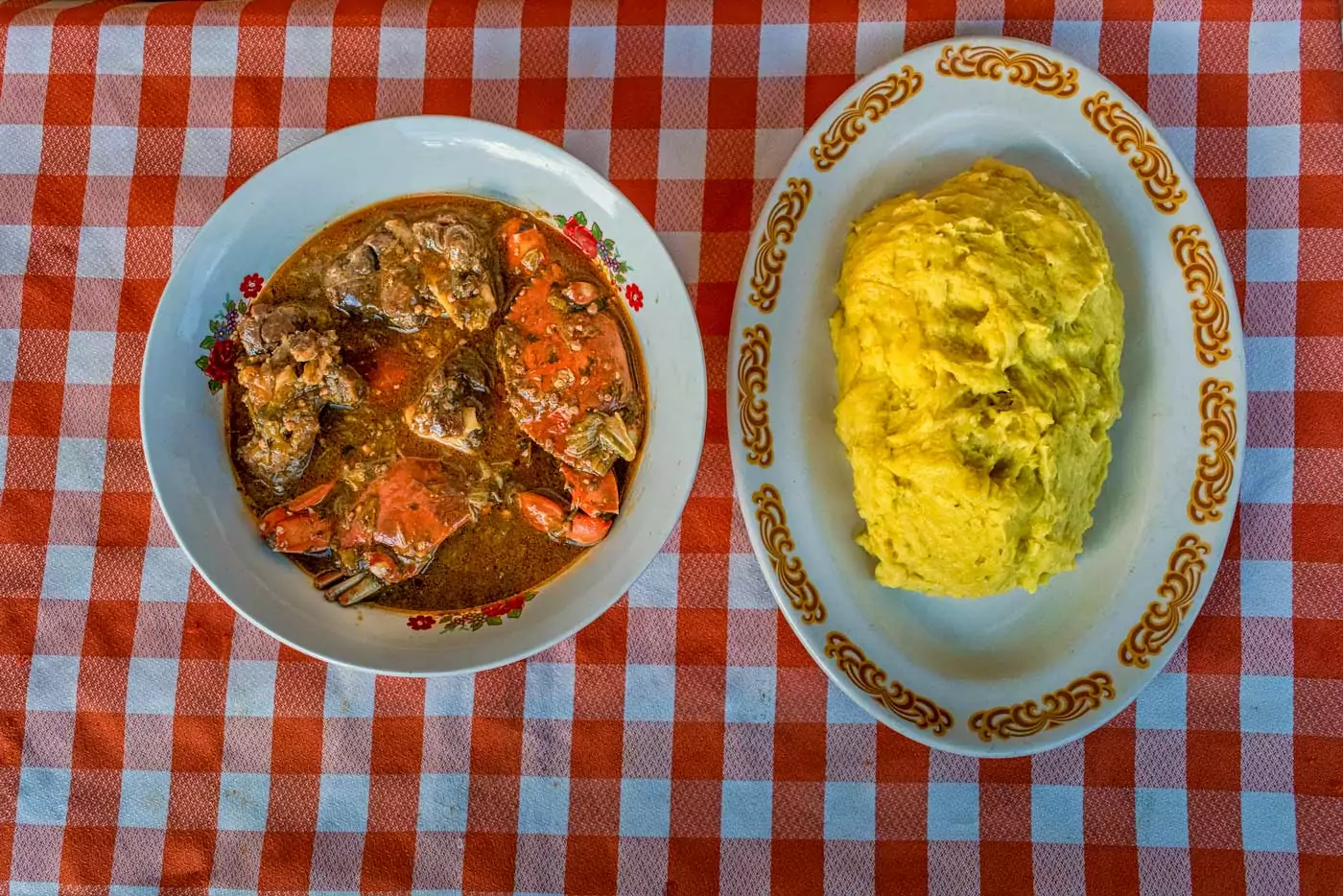



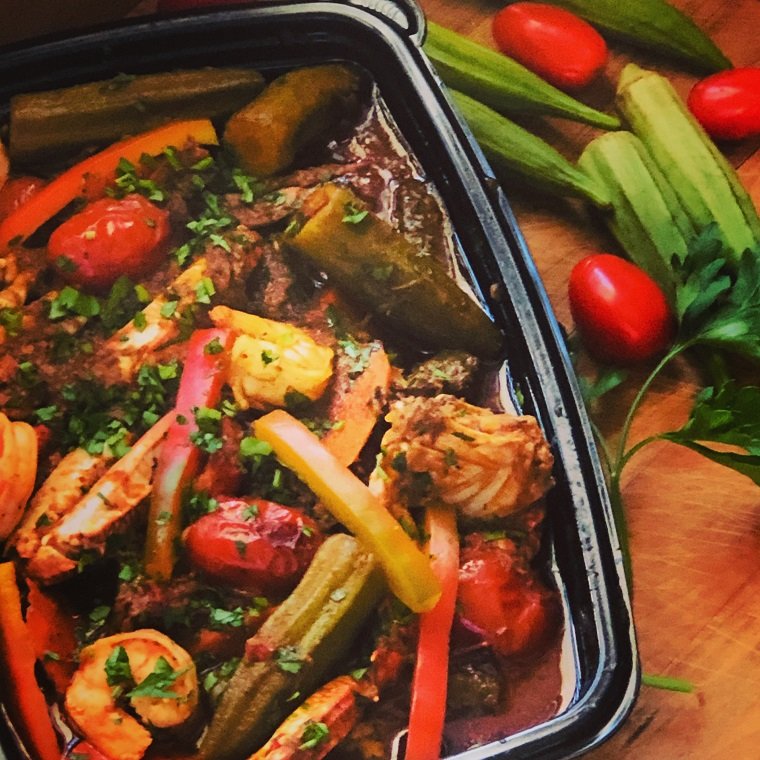
Quick and easy recipe for Haitian calalou sauce
Do you like calalou? How would you rate your calalou sauce out of 10? And when was the last time you had a good calalou?
Haiti, with its fascinating history and vibrant culture, is also characterized by a vibrant and resilient population. But exactly how many people will live on this island nation in 2024? Here’s an exploration of the current demographics and what they mean for Haiti’s future.
For some time now, engineer Certil Rémy has enthusiastically announced the imminent release of his new game, now officially named "Kanbiz Toupatou". Details about this exciting game are now available on the official Katkat Games website: https://www.katkatgame.com/ . By diving into this game, you will embark on a cultural and gastronomic journey through the treasures of the Caribbean, in particular those of Haiti. Explore the rich culture, immerse yourself in a world of authentic gastronomic delights and discover the traditional and delicious dishes of each region. This adventure promises to be extraordinary, offering an unparalleled immersion in the treasures of Haiti. From Les Anglais to La Tortue, each town crossed will offer its own culinary challenges, as well as the possibility of unlocking unique souvenirs. Collect them all to unlock new destinations and continue this captivating adventure. In "Kanbiz Toupatou", you will also have the opportunity to live a unique tourist experience by collecting souvenir cards representing the ancestors and famous sites of Haiti. Each map will bring you closer to culinary mastery and allow you to unlock exquisite new communes. Likino and Amarah will be the two main characters of the game, and you will have to choose one of them as a guide for this culinary adventure through the different stages of Haitian cuisine. With over 167 exciting levels to unlock, this game offers a great challenge to becoming a master of Haitian culture. Collect souvenirs, perfect your culinary skills and share your creations with the world! You can also invite your friends to join you on this culinary adventure, exchange memories and share tips. Prepare for an exceptional experience through the bustling streets and vibrant culture of Haiti. Although the game has not yet been launched, you can already reserve your place by adding your email address on the official Katkat Games website. You will be among the first to be informed when it is available for download. Don’t miss this opportunity to discover Haïti through "Kanbiz Toupatou", the exciting new game from Certil Rémy and the Katkat Games team. With its historic sites, tourist attractions, delicious cuisine, heavenly beaches and vibrant culture, Haïti awaits you for an unforgettable adventure in this jewel of the Antilles.
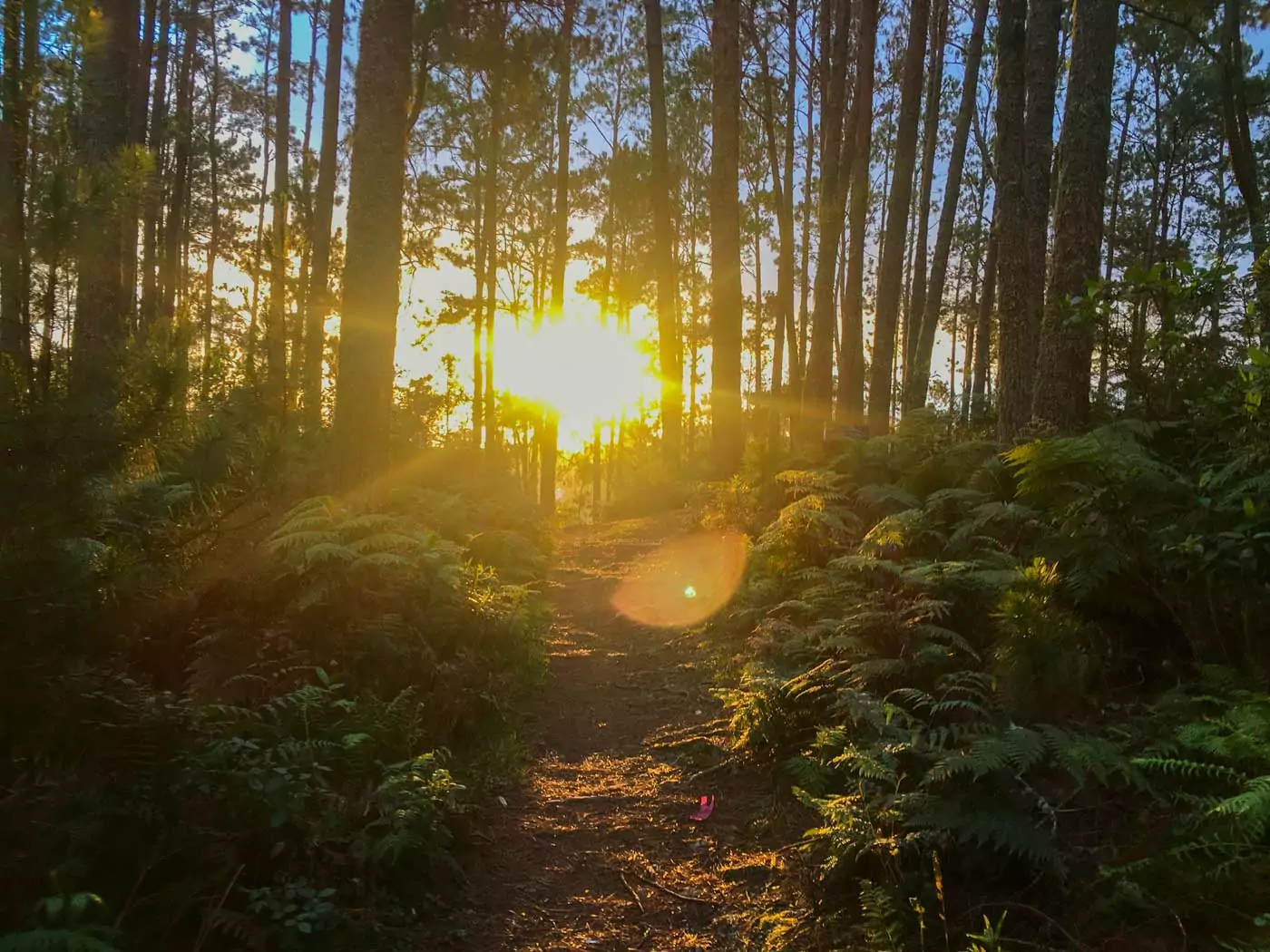
Haiti, rich in biodiversity and natural landscapes, is home to forests that are a testament to the beauty and ecological importance of the island. Among them, one stands out as the largest and most emblematic in the country. So, what is this forest? Discover its name, characteristics and importance for the Haitian environment.
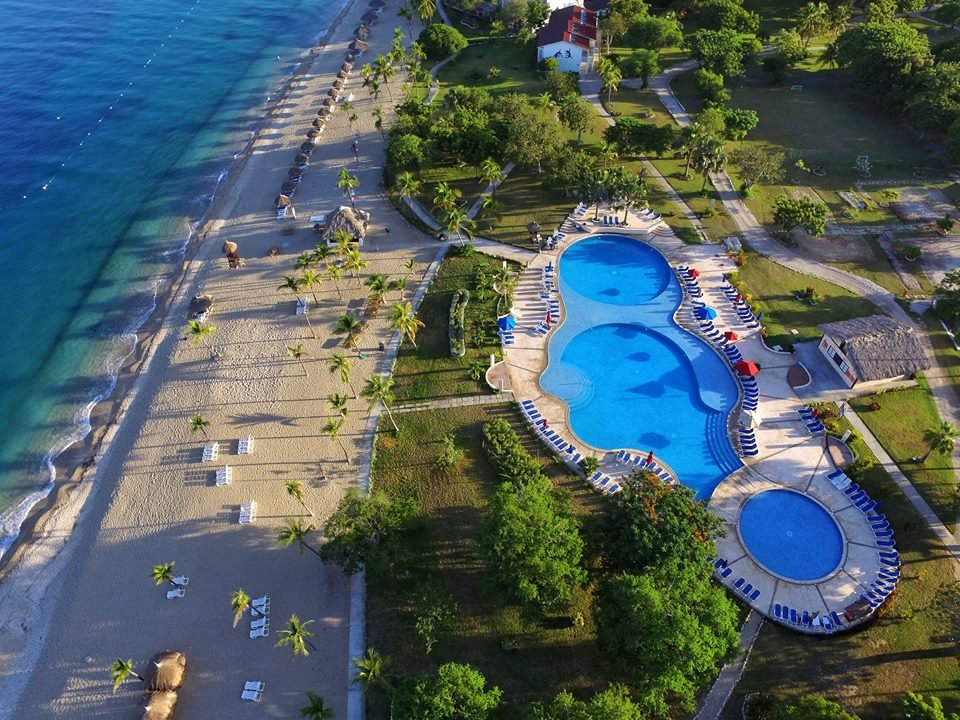
Haiti, located in the Caribbean, is a country rich in history, culture and natural beauty. Despite the challenges it faces, Haïti offers a unique experience to travelers eager for discovery. Here’s a comprehensive guide to making the most of your trip to Haïti in 2024, with information on must-see places, beaches, hotels, restaurants, local cuisine and safety tips.
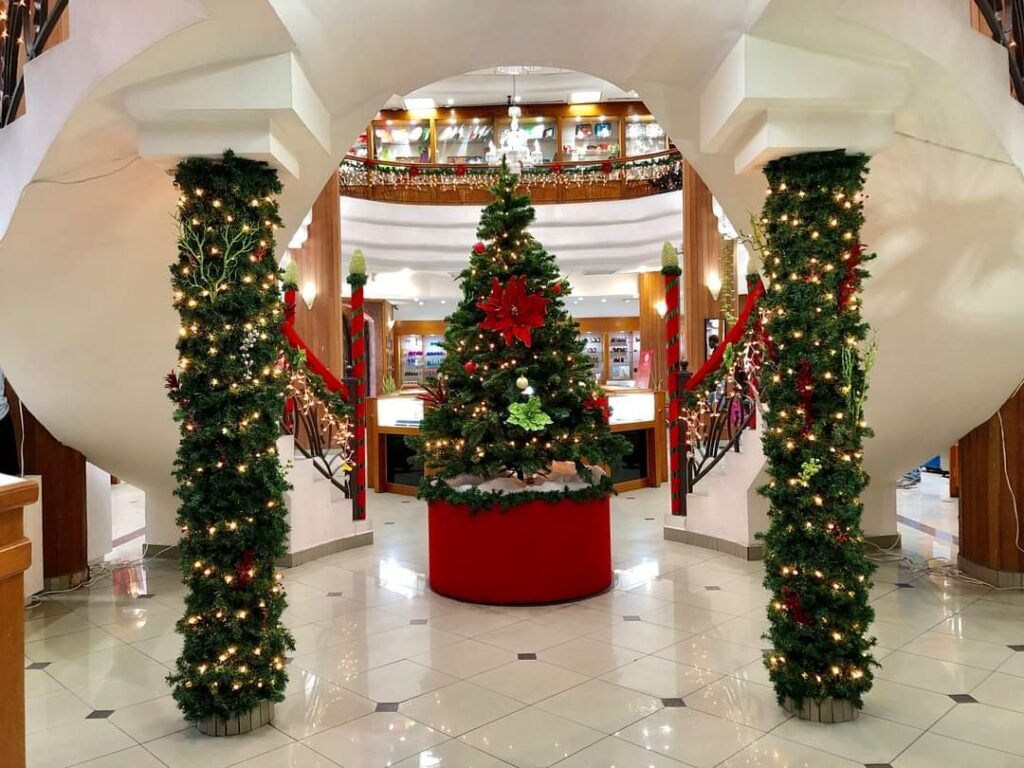
In Haiti, December 25th, Christmas Day, is much more than just a religious holiday. It is a date filled with traditions, cultural meanings, and moments of sharing. This article explores what this day means to Haitians and how it is celebrated throughout the country.
Haiti, a country rich in history and culture, is located in the heart of the Caribbean region. Known for its idyllic beaches, majestic mountains and welcoming people, Haïti is a true gem in this tropical region. But where exactly is Haïti located in the Caribbean, and what are the geographical features that define this fascinating country?
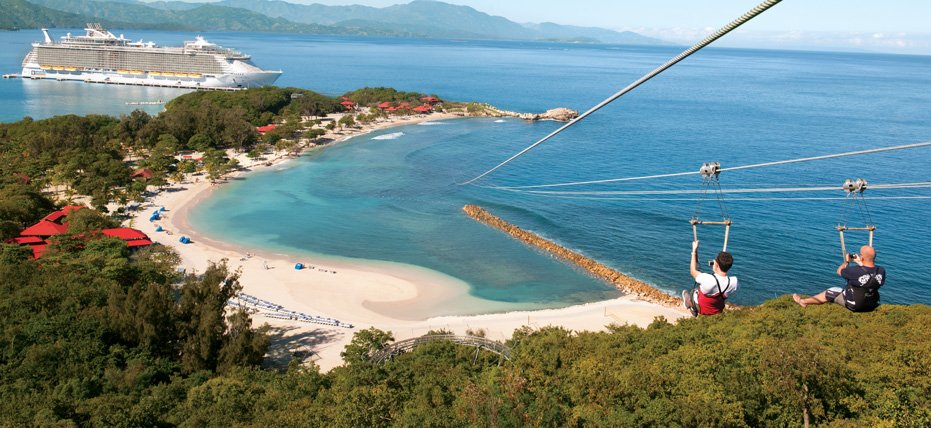
Haiti, often called the "Pearl of the Antilles", is a hidden treasure of the Caribbean, full of breathtaking natural and historical sites. If you are planning a trip in 2025, here are seven heavenly places that are sure to amaze you. Prepare yourself to explore fascinating landscapes, discover a rich heritage and enjoy the warm welcome of the Haitians.
Crémas is one of the most iconic drinks in Haitian culture, especially enjoyed during the Christmas holiday season. This sweet and creamy cocktail has become a staple during family and community celebrations. This article invites you to discover this delicious beverage, its history, its preparation, and the importance it holds for Haitians during Christmas.
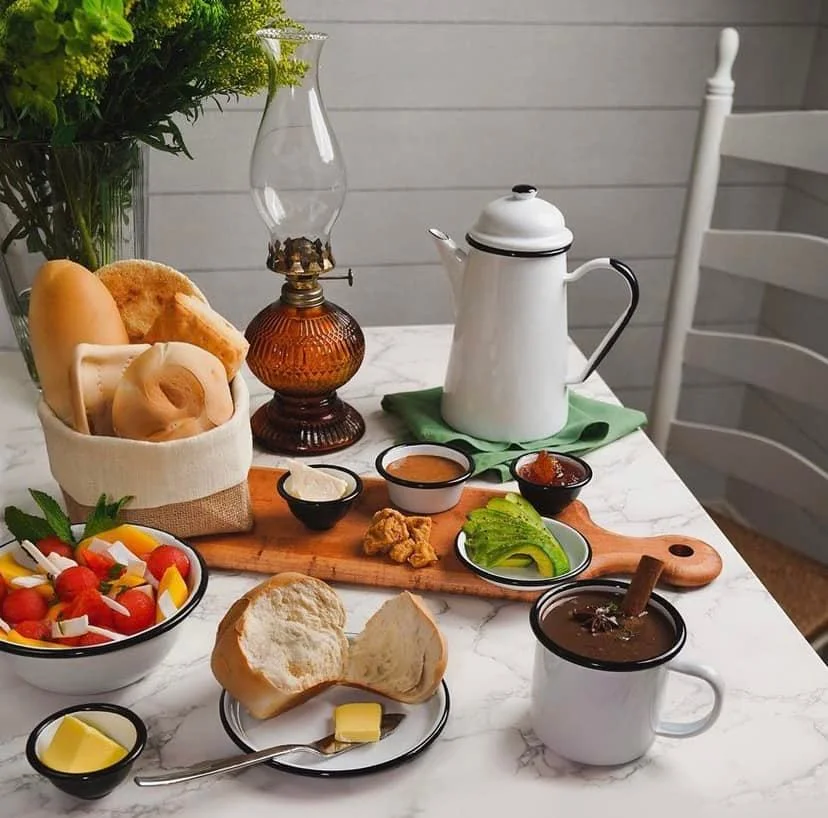
Haiti, a pearl of the Caribbean, not only boasts picturesque landscapes and rich history, but also offers a variety of culinary delights that tantalize the taste buds from the first meal of the day. Haitian breakfast, an exquisite blend of local flavors and culinary traditions, is an experience in its own right. Let’s discover together some ideas to start your day in the most delicious way possible.
Haïti is a country located in the Caribbean, occupying the western third of the island of Hispaniola which it shares with the Dominican Republic. With a rich and complex history, Haïti stands out for its vibrant culture, unique heritage and resilience in the face of challenges.
Easter in Haïti is both spiritual and convivial. It is a time of contemplation for many, but also a sacred occasion to gather with family around a special meal, respectful of the religious traditions of Lent. During this period, meat disappears from the plates, replaced by fish, especially cod, in an explosion of typically Haitian flavors.
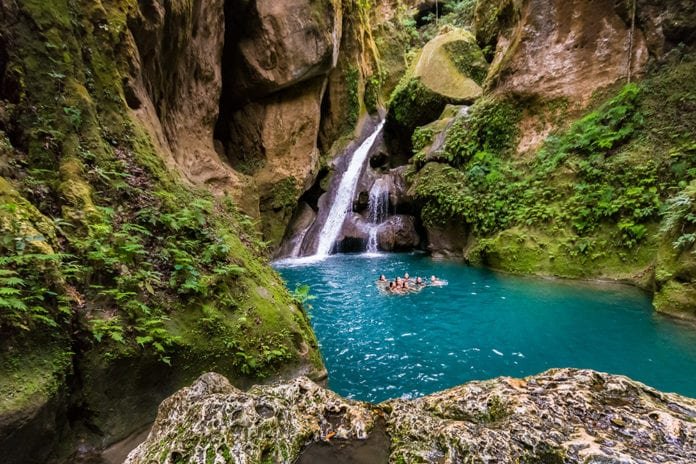
Haiti, a land of hidden treasures, is full of breathtaking beaches, but among them, some stand out for an unexpected beauty that will not fail to surprise you. If you are looking for a place off the beaten track, offering an authentic and unforgettable experience, then Bassin Bleu beach deserves your full attention. This beach, nestled in a breathtaking natural setting, offers you moments of pure magic.
Le Makaya est bien plus qu’une simple fête ; il est un pilier spirituel du vaudou haïtien, une tradition vivante qui lie les croyances ancestrales aux rituels de purification, de guérison et de renouveau. Célébré principalement à la fin du mois de décembre, le Makaya tire ses racines de l’Afrique, en particulier des civilisations bantoues, et se déroule dans un contexte profondément spirituel où les liens avec les ancêtres et les forces naturelles sont essentiels. Le terme "Makaya", qui signifie "feuilles" en Kikongo, est intrinsèquement lié à la nature et aux plantes, éléments essentiels du vaudou. Ce lien direct avec la nature fait du Makaya un moment de purification, où les croyants se connectent à la terre et aux esprits par l’intermédiaire des végétaux. La tradition du Makaya vient des peuples Bantous, principalement du Congo, et de leurs pratiques spirituelles qui ont été transposées, adaptées et enrichies par la diaspora haïtienne pendant la période de l’esclavage. La période du Makaya commence le 21 décembre, lors du solstice d’hiver, une date symbolique marquant la victoire de la lumière sur les ténèbres, le commencement du renouveau solaire. Dans le vaudou, cette époque est perçue comme un moment d’introspection où la nuit la plus longue de l’année se transforme lentement en jour, apportant avec elle des forces purificatrices et régénératrices.
Haitian and African cuisine are gastronomic treasures that highlight local ingredients and preparation techniques passed down through generations. Among the most popular dishes of both cuisines, Haitian Tonmtonm and African Foutou (or Fufu) are distinguished by their rich flavors and unique textures. These two dishes, although they share a similar foundation - the use of local products such as cassava or plantain - have interesting differences, especially in their preparation, taste and accompaniment.

First black nation to free itself from slavery and gain independence from France in 1804 and influenced other liberation movements around the world, inspiring struggles for freedom and equality.

Haïti is blessed with spectacular natural landscapes, including white sand beaches, mountains and rich biodiversity.

Haïti has a rich historical heritage, including sites like the Citadelle Laferrière and the Sans-Souci Palace, listed as UNESCO World Heritage Sites.

Haïti has a rich and diverse culture, influenced by African, European and indigenous elements. Haitian music, dance, art and cuisine are celebrated around the world.