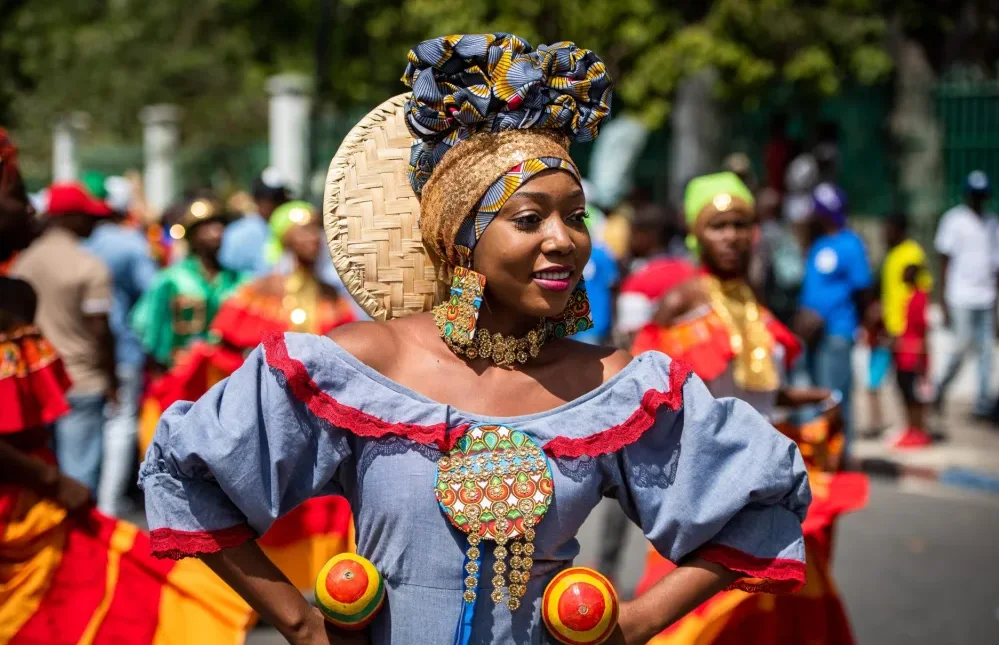
Haïti will make a splash at Milano Cortina 2026 with Olympic outfits unlike any other in the world
Discover Haiti's unique Olympic outfits for Milano Cortina 2026, a blend of tradition and modernity that will make a splash! #Haiti #MilanoCortina

Haiti, nicknamed the "Pearl of the Antilles," is full of exceptional beaches that testify to the richness of its coastline. This Caribbean country enchants visitors with its spectacular landscapes, turquoise waters and unique hospitality. These beaches, true natural gems, offer unforgettable experiences, combining relaxation, adventure and wonder. Discover 7 must-see Haitian beaches that highlight the country’s tourist and ecological potential.
Salt production in Haïti is an ancestral know-how that plays an essential role in the economy of coastal areas. The regions most recognized for salt production are the Salines de Petite-Rivière de l’Artibonite, the coasts of Île de la Gonâve, the Salines de Port-au-Prince, as well as parts of the North and Southeast. This process, which depends on the country’s natural geography and maritime resources, continues to support local communities while providing an indispensable product to the Haitian economy.
In Haiti, chaos is not a simple consequence of events, but a carefully crafted product of actors whose decisions—or lack thereof—worsen the crisis every day. At the head of this orchestration of failures is the Presidential Transitional Council (CPT), led by architect Leslie Voltaire since October 2024. Presented as a temporary solution to get Haïti out of its impasse, the CPT quickly proved ineffective and incapable of responding to the country’s urgent challenges.
On January 1, 1804, a significant event in world history occurred: the proclamation of the independence of Haiti. On that day, Haïti became the first independent black country in the modern world, marking the end of more than a decade of bitter struggle against French colonial oppression and slavery.
The publishing house Csimon Publishing, led by Dr. Cherlin Simon, is excited to announce the creation of a subsidiary of Csimon Publishing in Haiti. Indeed, a management team, aimed at strengthening its approach to young Haitian authors, has been set up by the parent company, located in Virginia, United States. The goal of this initiative is to better support its authors, particularly the younger ones, offering them reliable assistance to foster their creativity and help them thrive. The committee is also in place to better coordinate the publishing house’s actions in their favor. This aligns perfectly with Csimon Publishing’s vision to actively contribute to the elevation of Haitian literary culture on a global scale, while highlighting Haitian talents and creating a bridge between Haïti and the rest of the world, which constitutes global culture. It is worth noting that among the more than 150 works already published by Csimon, most are works by Haitian authors living in Haiti.
Haïti is a small country located in the Caribbean, but what continent is it actually on? Although Haïti is often associated with tropical islands and paradise vacation destinations, its geographical location makes it a key part of the American continent. Let’s explore Haiti’s geographical location and its relationships with other nations in the Americas.
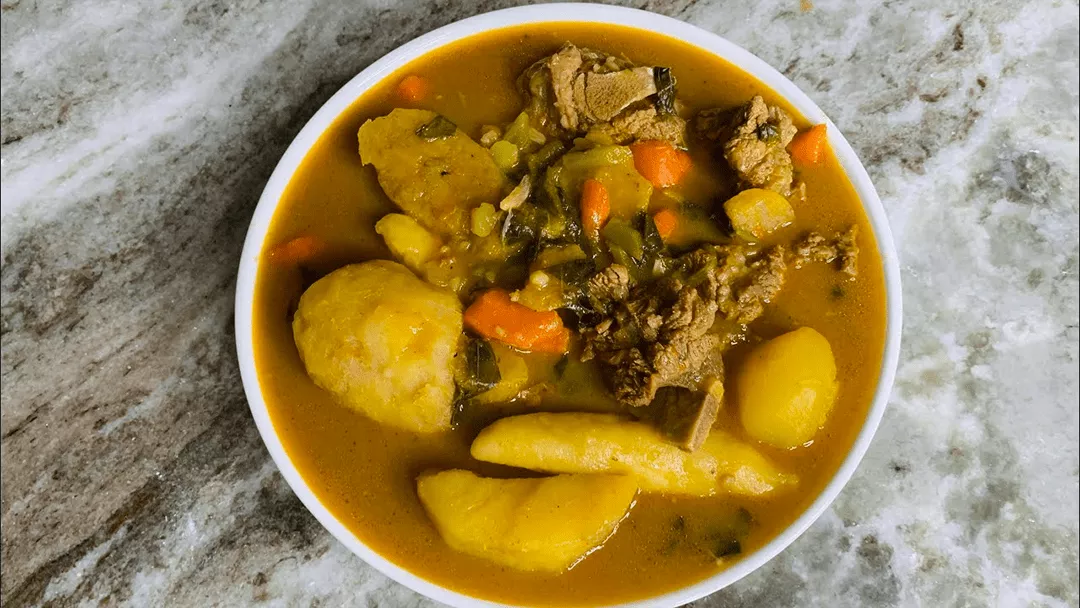
On October 19, 2023, the Haitian community came together to celebrate Andy Vibert’s birthday in an extraordinary way, by organizing a special event titled "JOUNEN RETWOUVAY AK MANJE AYISYEN." This exceptional day was an opportunity to highlight the richness of Haitian cuisine by offering a delicious variety of traditional dishes, such as joumou soup, chiktay, weighed bananas, tonmtonm, tchaka, lalo, white rice, pea and vegetable puree, bòy ak sòs pwa, and of course, the famous griots. Beyond the simple celebration of an anniversary, this evening had a deeper objective, namely to encourage fellow Haitians to favor local consumption. Andy Vibert, by highlighting these traditional dishes, wanted to make guests aware of the importance of supporting national production.
The history of Haïti and France is a complex and tumultuous saga, marked by conflict, struggles for freedom, and lasting impacts on both nations. This story begins in the 17th century and continues to resonate in contemporary relations between the two countries. This article explores the key moments of this historic relationship, highlighting the sacrifices, struggles, and economic issues that defined it.
As the new season of Rara looms on the horizon, certain groups such as Saint Jacques Majeur, Ratyèfè, Florida Band, Lambi Grand, and Grap Kenèp are already preparing to light up the streets of Petit-Goâve with their flamboyant costumes and their captivating melodies. For these groups, the future looks bright, promising a season full of passion and success. However, other rara bands are still hesitant about which direction to take. Despite these uncertainties, optimism reigns regarding the success of this new season for all rara groups in the commune of Petit-Goâve. Rara, anchored in the Vodou tradition, is much more than a simple artistic manifestation. It embodies the very essence of Haitian culture, highlighting questions of memory, tradition and identity. This increasingly popular form of artistic expression attracts a large audience and arouses unprecedented enthusiasm. Groups like Ratyèfè, Grap Kenèp, Florida Band and Chenn Tamaren, recognized for their ability to delight their fans, play a crucial role in the continued growth of rara in the town. The rara season traditionally begins on Dead Thursday and ends on the night of Easter Sunday or quasimodo Monday. To mark the beginning of this sacred period, groups organize opening ceremonies, honoring the spirits of the deceased in rituals steeped in spirituality. These ceremonies, often held in cemeteries or in the "Bitasyons" of groups, symbolize the deep link between the rara and Vodou traditions.
Nestled in the enchanting embrace of Haiti’s North East department lies a true marvel – Caracol. This picturesque area is more than just a destination; it’s a sanctuary where tranquility dances in harmony with the gentle whispers of nature. From the chirping of content birds to the warm smiles of its inhabitants, Caracol is a true wonderland waiting to be explored. One of the most captivating aspects of Caracol is its serene ambiance. Here, peace isn’t just a concept; it’s a way of life. Even the birds seem to sing with an extra ounce of joy, as if they’ve found their own slice of paradise amidst the lush greenery. Stepping into Caracol feels like entering a world where time slows down, allowing you to embrace the simple pleasures of life. But what truly sets Caracol apart is its people – kind-hearted souls who find solace in the simplicity of their daily lives. Engaged in activities like fishing and gardening, they embody a deep connection to the land that sustains them. And amidst it all, the industrious spirit of Caracol shines through, with the industrial parc serving as a beacon of progress and opportunity for the community. Yet, amidst the tranquil rhythm of everyday life, Caracol pulsates with the vibrant energy of Haitian culture. Voodoo, an integral part of local life, weaves its mystical threads into the fabric of daily rituals and traditions. And come July, the entire community comes alive with patronal celebrations that draw Haitian diaspora from every corner of the globe. It’s a time of joyous reunions, where cultural immersion meets spirited competitions, from exhilarating running races to thrilling boat races on the sparkling waters. As the sun sets on another day in Caracol, the excitement doesn’t end – it transforms. Carnival season, known as "mardi gras," casts its spell over the land, igniting the imaginations of children who eagerly don disguises and wield whips to make merry mischief. Laughter fills the air as they chase each other, their gleeful shrieks echoing through the streets, creating memories that will last a lifetime. In Caracol, every moment is a celebration, every day a testament to the resilience and warmth of its people. So, whether you’re seeking a tranquil retreat or a cultural adventure, Caracol invites you to discover its hidden wonders and experience the magic for yourself. After all, in this captivating corner of Haiti, every day is a journey into the heart of paradise.
Haiti, a country often associated with its socio-economic challenges, also has an incredible wealth of talent and potential in various fields, including sports. One of the brightest jewels in this treasure is Melchie Dumornay, a young footballer who has just been voted CONCACAF MVP. This prestigious title highlights not only her exceptional abilities, but also the enormous potential that Haïti has to impress the world.
Do you want to discover beautiful images by typing ‘Haiti’ on the Internet? Together, let’s make it a reality! Today, searching for Haïti online often gives degrading results that are far from reflecting the true essence of our country. However, Haïti is full of breathtaking landscapes, heavenly beaches, a vibrant culture and an inspiring history that deserve to be highlighted. We are committed to changing this, we produce and share positive content that shows the beauty and wealth of our nation. Thanks to our efforts, many keywords related to Haïti are starting to display honorable results. But to go further, we need your support.

First black nation to free itself from slavery and gain independence from France in 1804 and influenced other liberation movements around the world, inspiring struggles for freedom and equality.

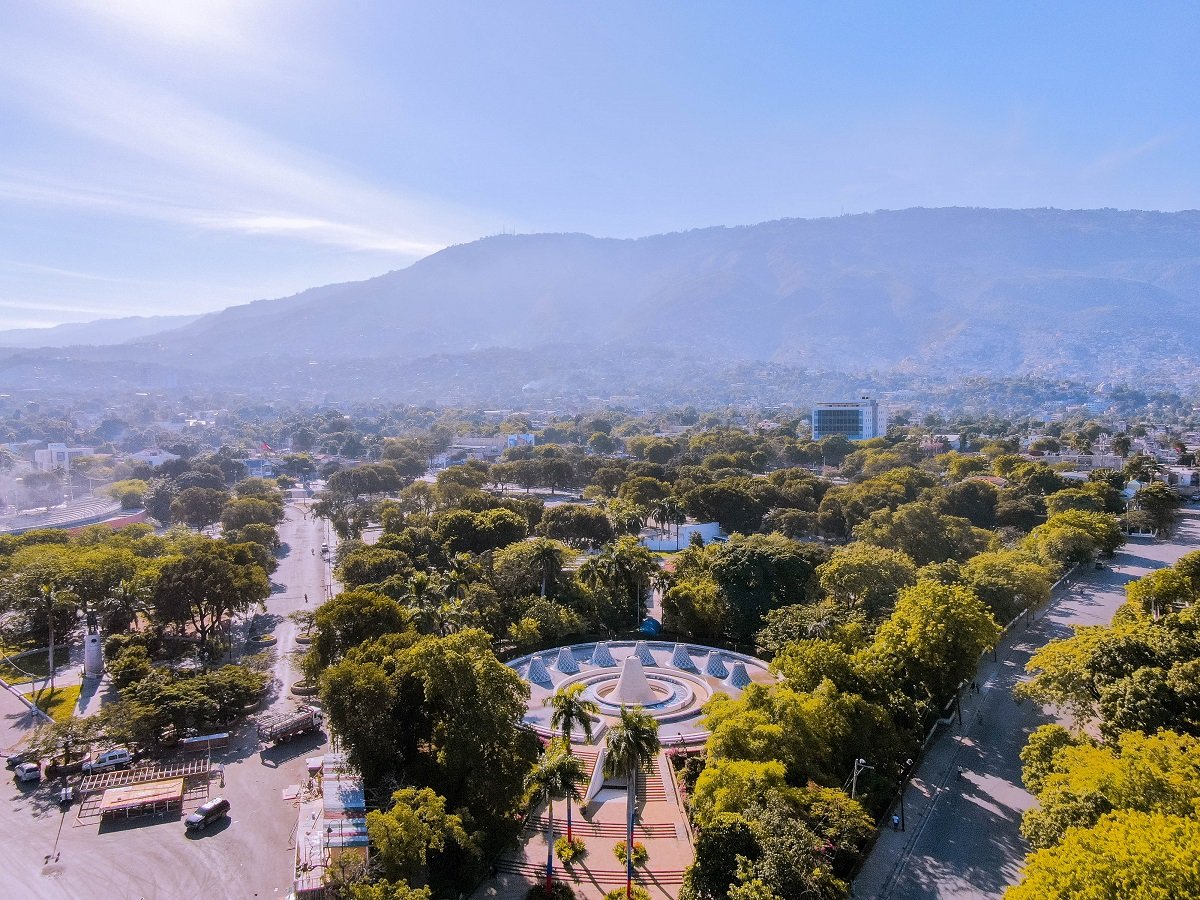
Haïti is blessed with spectacular natural landscapes, including white sand beaches, mountains and rich biodiversity.

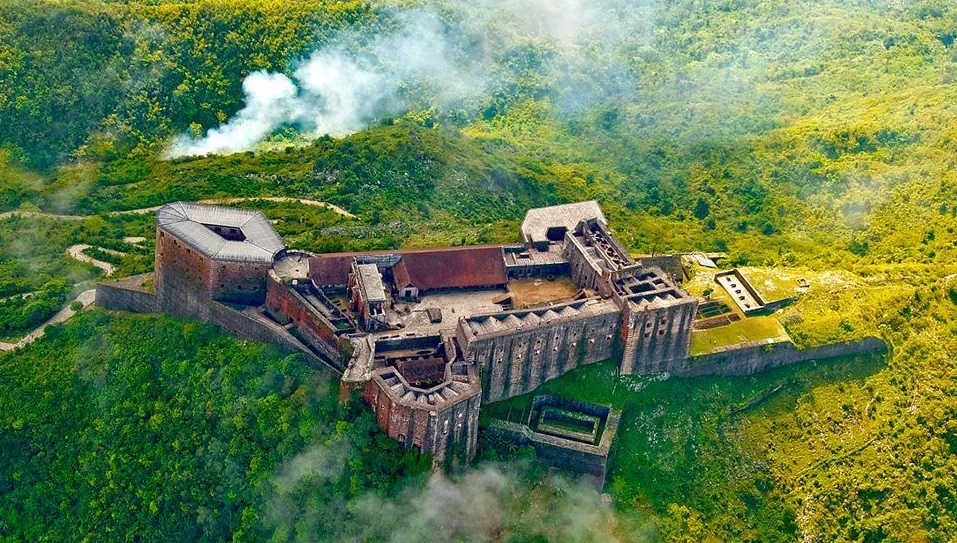
Haïti has a rich historical heritage, including sites like the Citadelle Laferrière and the Sans-Souci Palace, listed as UNESCO World Heritage Sites.

Haïti has a rich and diverse culture, influenced by African, European and indigenous elements. Haitian music, dance, art and cuisine are celebrated around the world.