contact@haitiwonderland.com+509 36184317

Discover

Shopping Cart

The Tourism Sector in Haiti: An Essential Source of Revenue

The Tourism Sector in Haiti: An Essential Source of Revenue

Haiti, often referred to as the "Pearl of the Antilles", is a true cultural and historical gem, ready to amaze travelers from around the world. The first independent black country, a land of creativity and resilience, Haïti is full of unique tourist attractions: monuments classified as world heritage, breathtaking natural landscapes, and a vibrant culture that leaves no one indifferent. Haïti is positioning itself as a must-see destination in the Caribbean. This sector represents a key opportunity to generate sustainable revenues and promote the country’s unique identity.

1. A rich and diverse historical heritage

Haïti is the first independent black country in the world and is full of historical sites that bear witness to its role in world history:

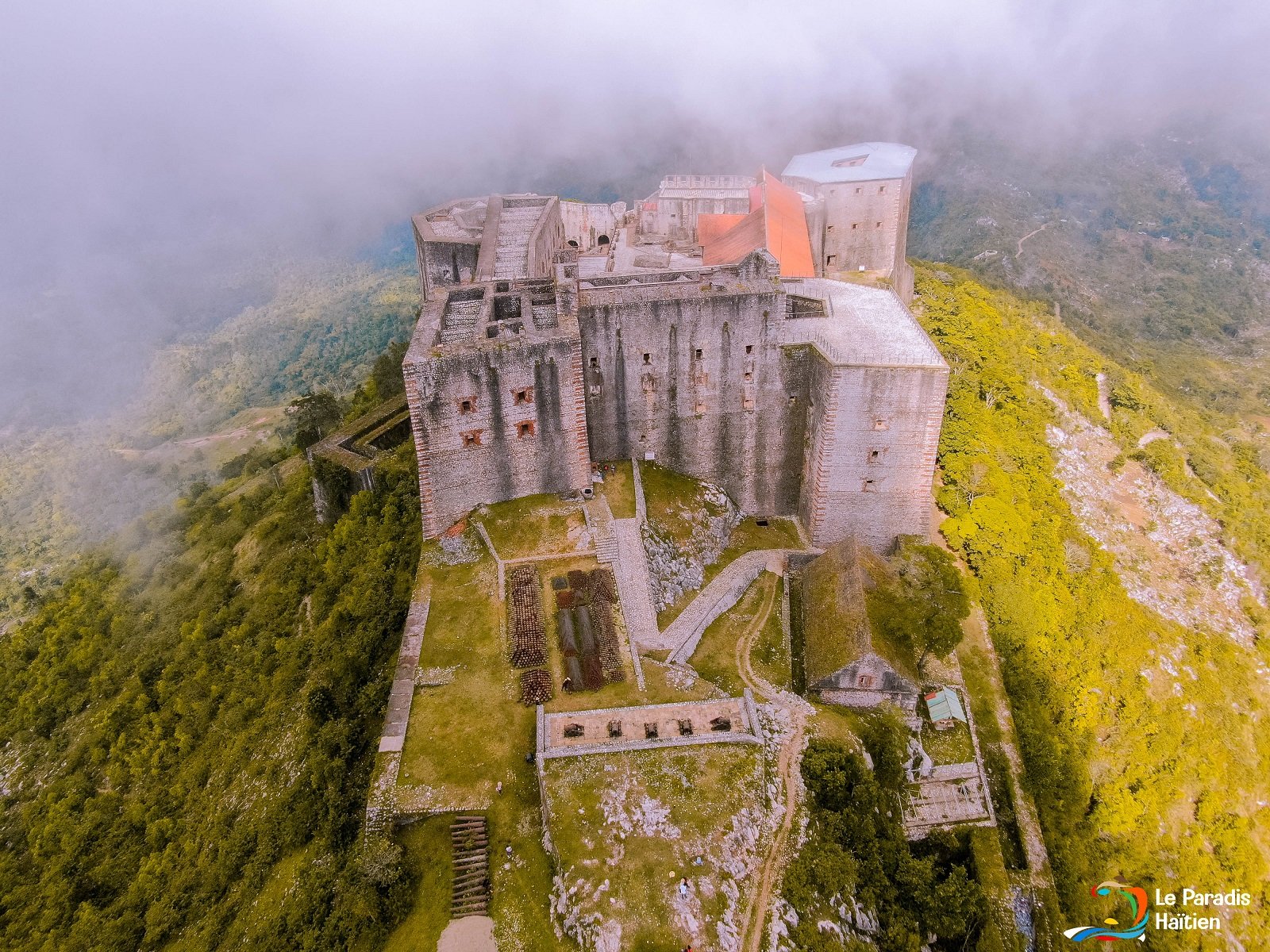
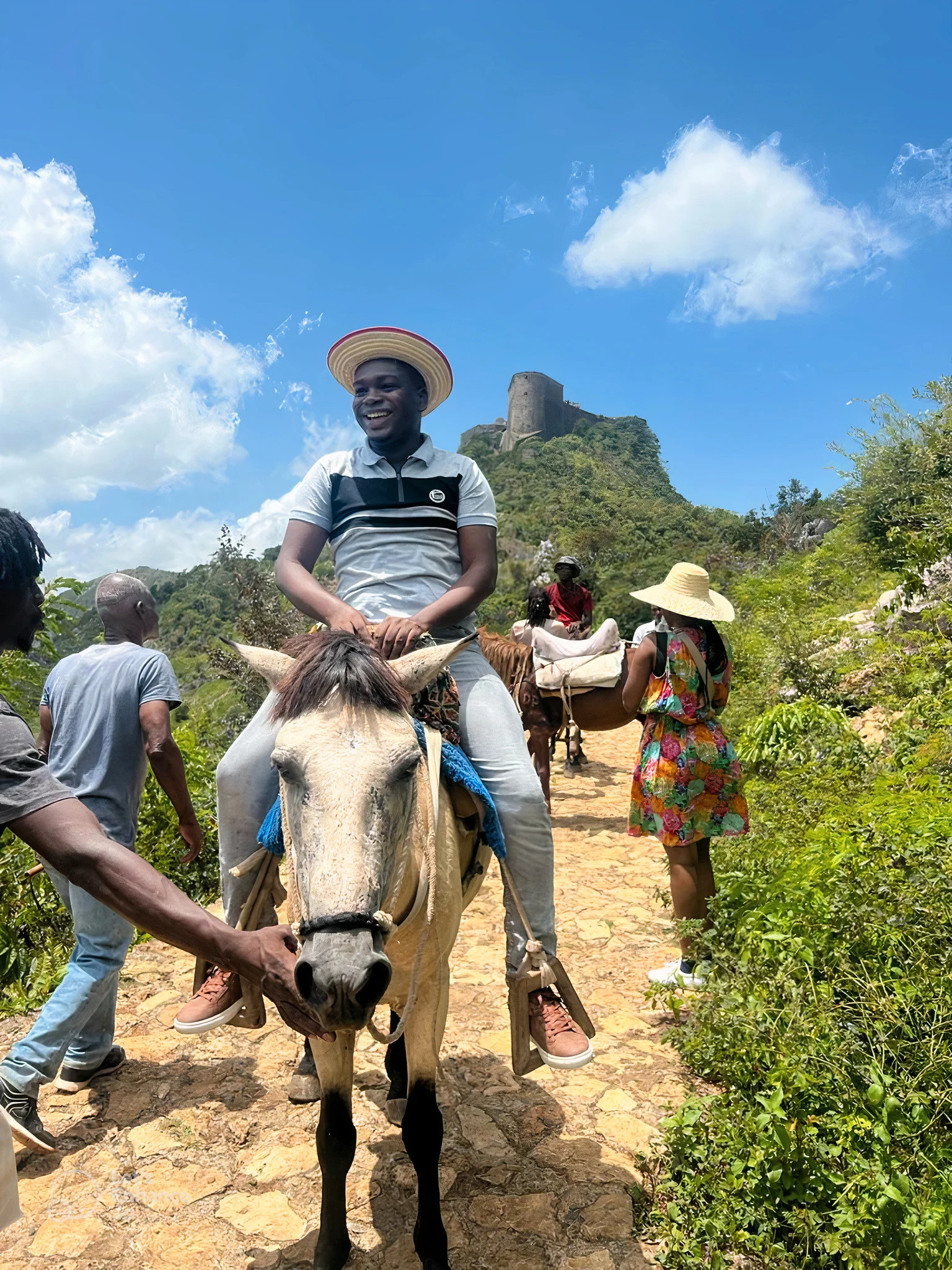
-The Citadelle Laferrière: Listed as a UNESCO World Heritage Site, this fortress, built in the early 19th century, is a masterpiece of military architecture and a symbol of freedom.

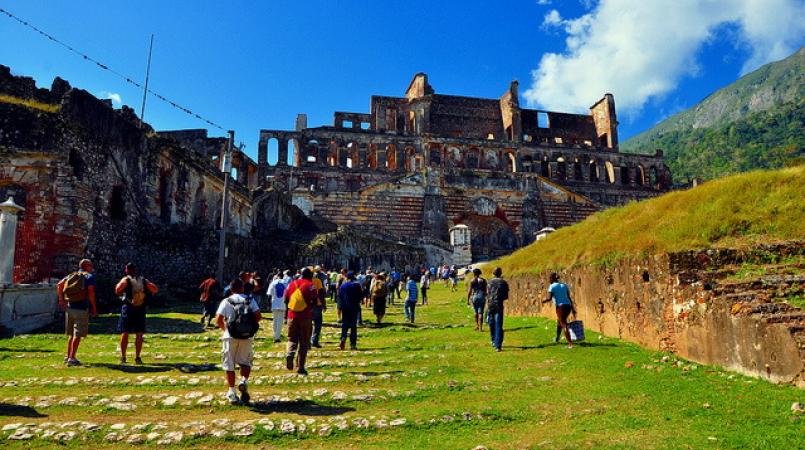
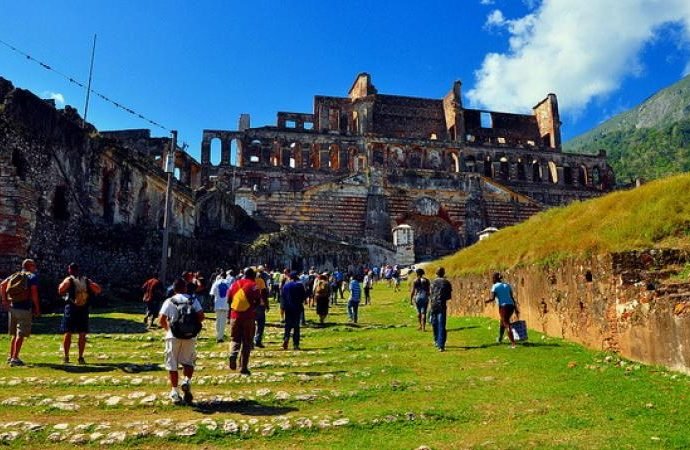
-The Sans-Souci Palace: Located near the Citadel, it is nicknamed the "Versailles of the Caribbean" and embodies the refinement of the post-independence era.

-The historic streets of Jacmel: With its colorful colonial houses and bohemian atmosphere, Jacmel is a city of art and history, also known for its lively carnival.

2. Heavenly beaches

The Haitian coast is home to beaches worthy of postcards:

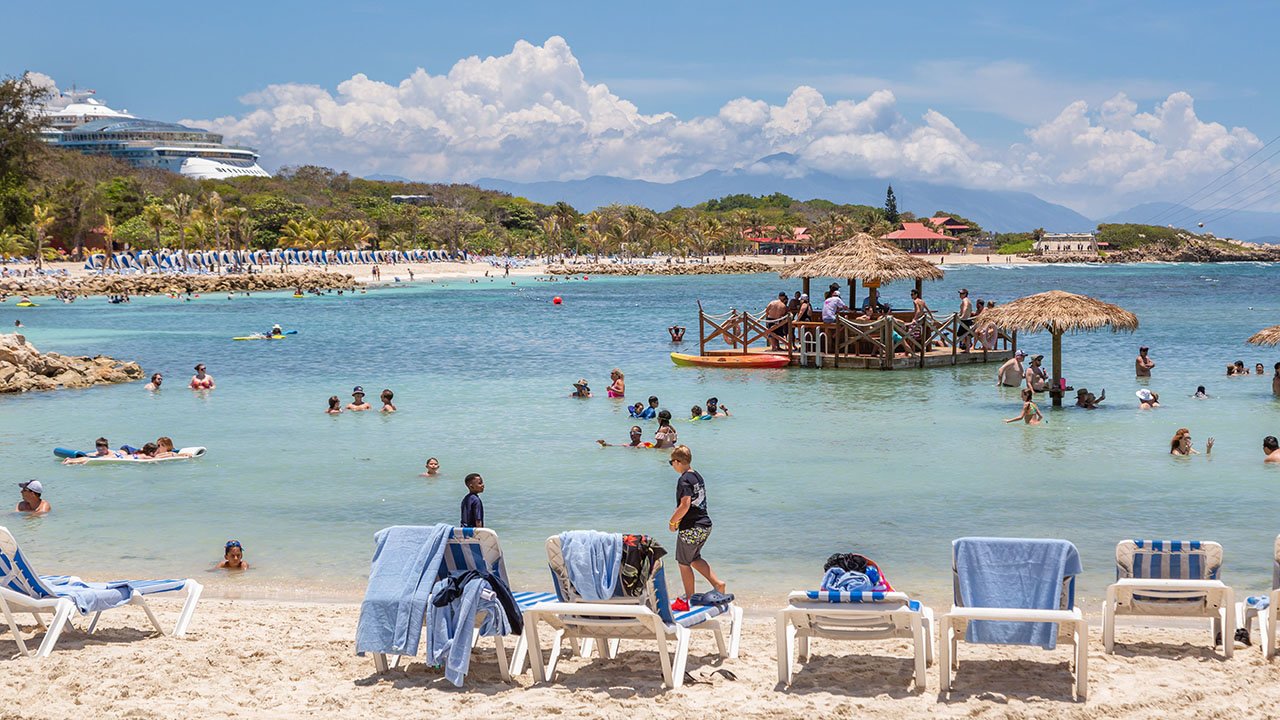
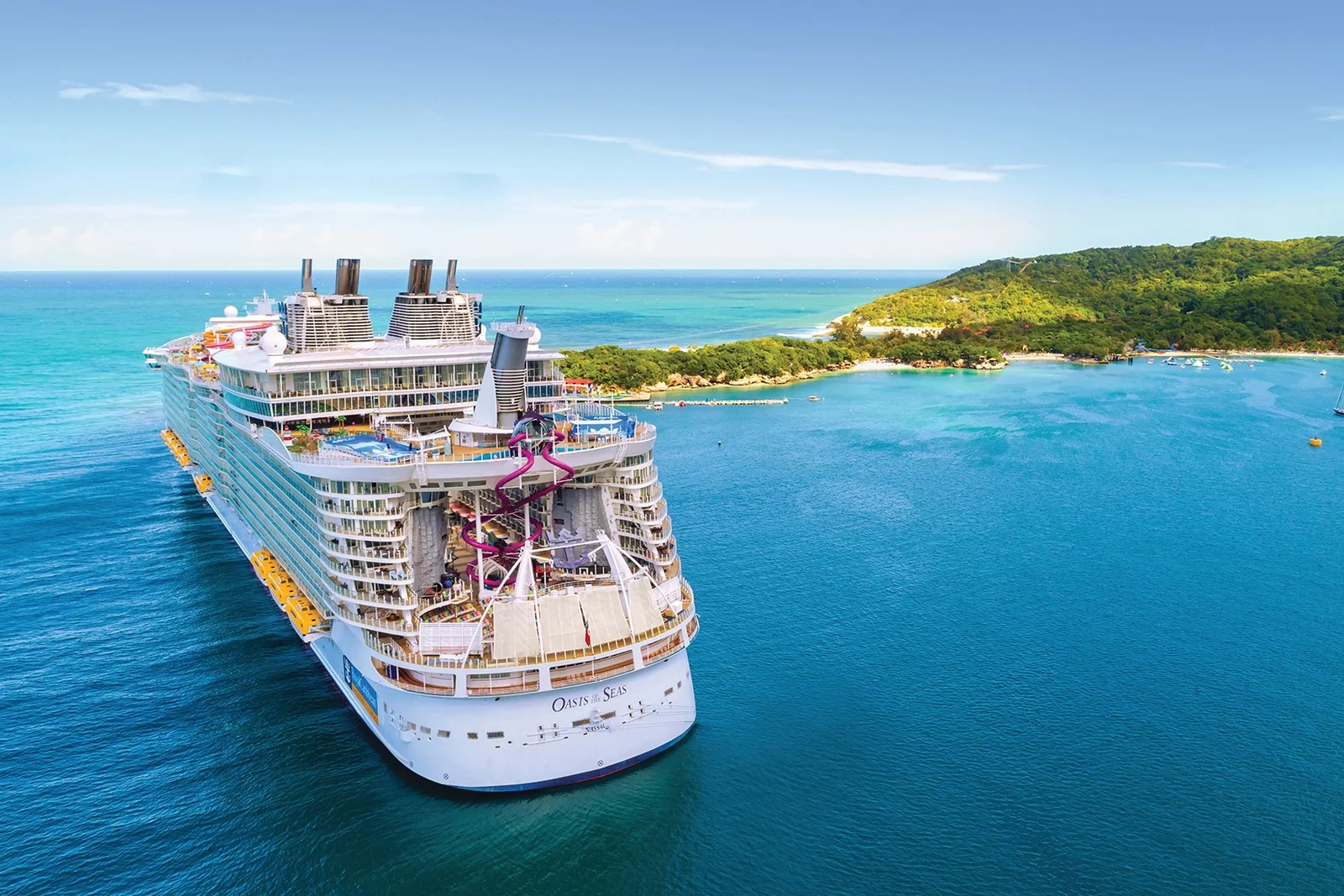
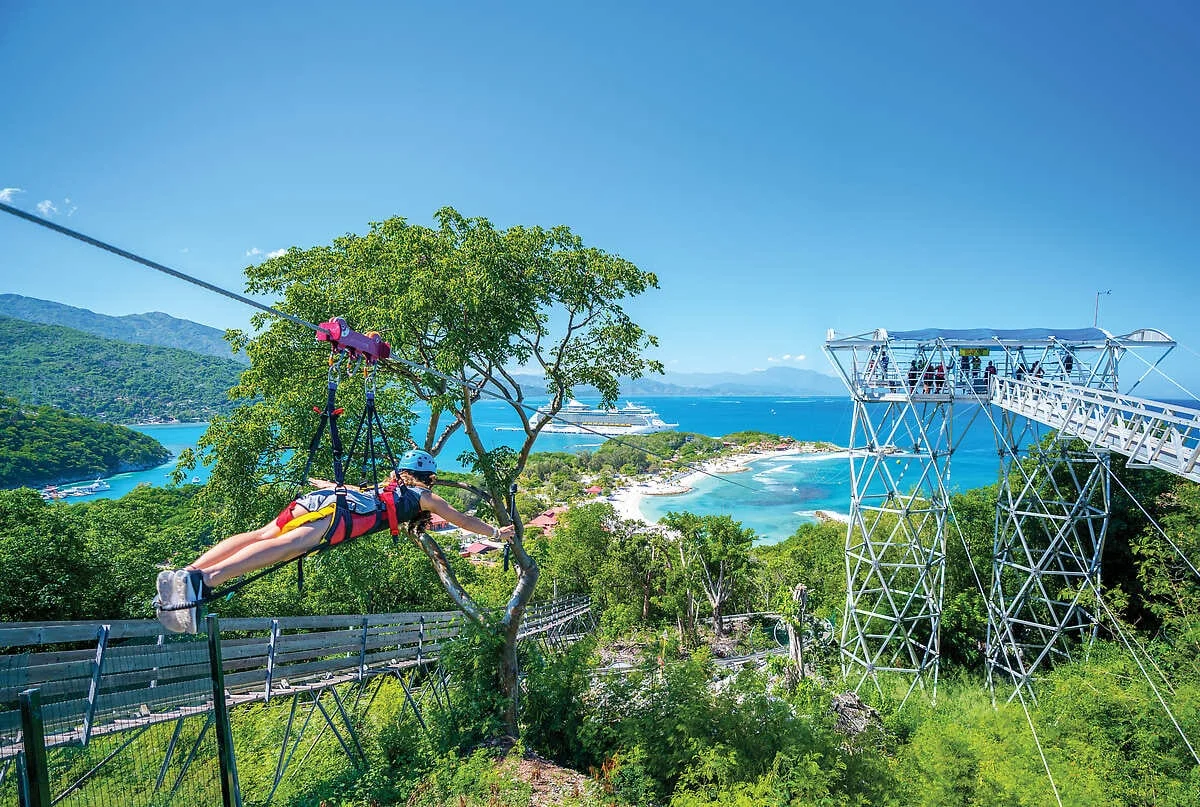
-Labadee: A private beach that attracts cruise passengers from all over the world thanks to its enchanting setting and its nautical activities.

-Cormier Plage: Ideal for relaxing while discovering the local culture.

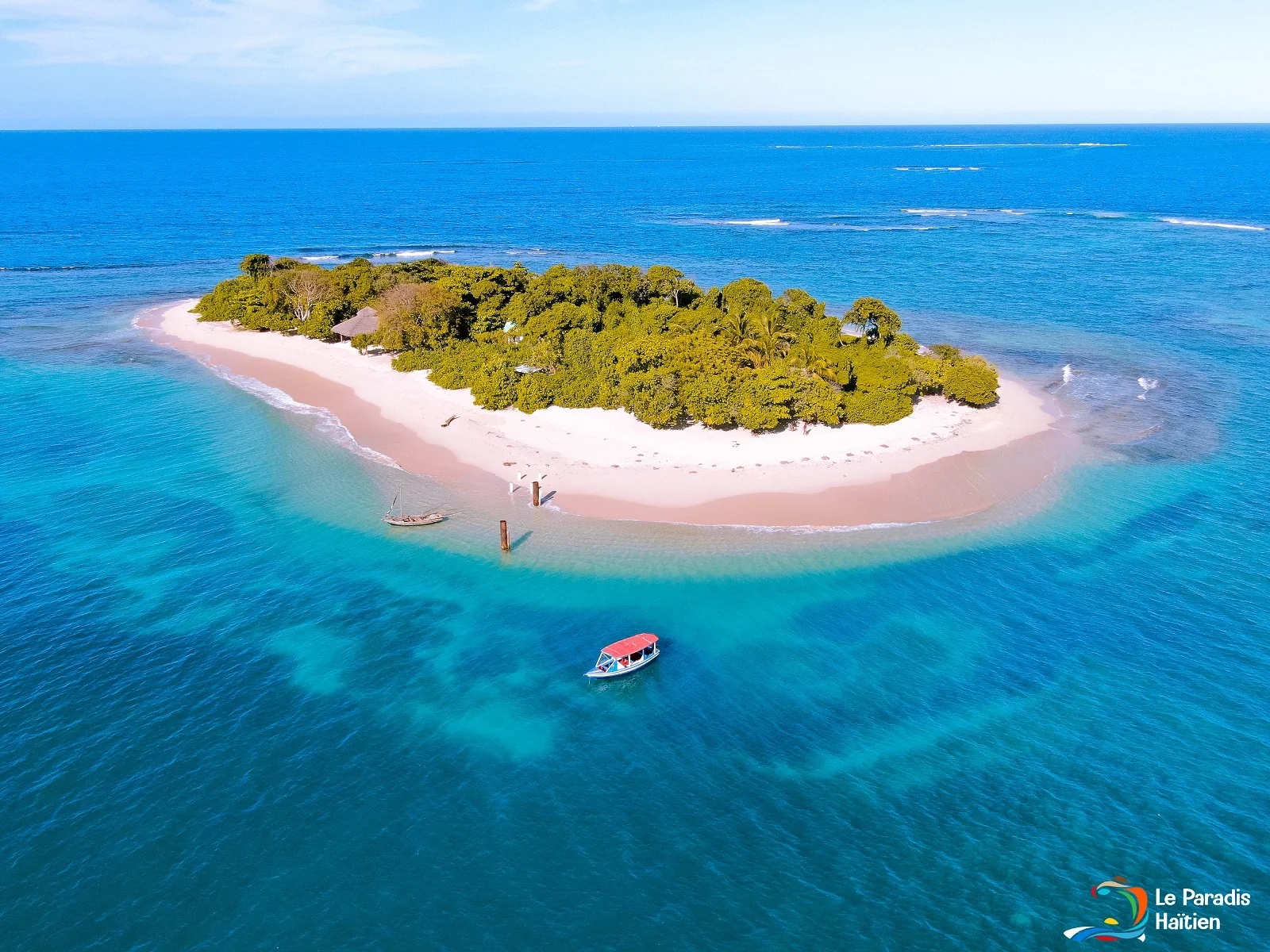
-Île à Rat: A jewel off the northern coast of Haiti, where adventure and tranquility meet in perfect balance. This small island offers an ideal getaway for lovers of scuba diving, with its turquoise waters that hide treasures from the past.

3. A unique biodiversity

Haïti is a paradise for nature lovers:

-Macaya National Park: A tropical forest rich in endemic species.

-Bassin Bleu: Three pools of Bassin Bleu fed by streams and waterfalls that create a refreshing and picturesque experience. Visitors can swim in the natural pools, jump off rocks into the water, or simply enjoy the natural beauty of the place. Adventurous travelers can also hike to reach Bassin Bleu, which adds an extra dimension to the experience.

-L’Île-à-Vache: Known for its pristine beaches and unspoiled landscapes.

4. A vibrant and captivating culture

Cultural tourism is a pillar of Haitian attractiveness:

-Traditional festivals: The Jacmel Carnival and voodoo festivals, such as the Saut-d’Eau festival, attract visitors from all over the world.

-Crafts: Wrought iron sculptures, naive paintings, and handicrafts are popular souvenirs.

-Haitian gastronomy: Taste local delicacies such as griot, tassot and the famous national rice accompanied by pea sauce.

5. A welcoming and warm people

Haitians are renowned for their hospitality and kindness. Each visitor is greeted with a smile and a sincere desire to share the treasures of the country.

The Challenges and Opportunities of the Tourism Sector

The Haitian tourism sector faces several challenges:

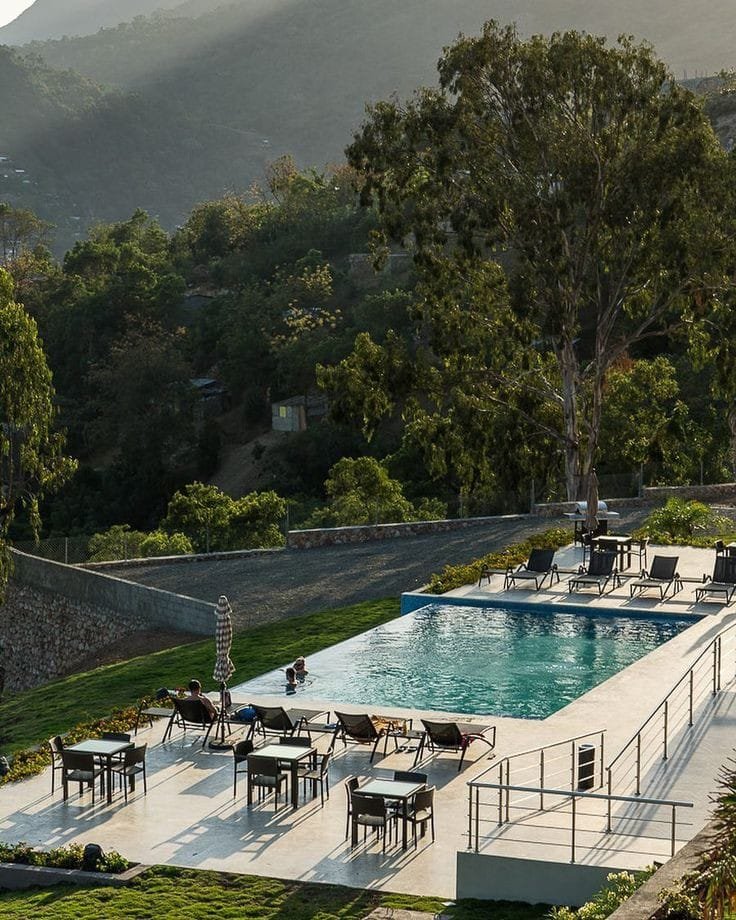
-Improve infrastructure: Roads, hotels and transportation must be modernized to facilitate access to sites.

-Strengthen security: Reassure international tourists is essential to stimulate arrivals.

-Promote the destination: An effective digital communication strategy is essential to change the perception of Haïti internationally.

At the same time, the involvement of the private sector and Haitian diasporas, combined with government efforts, can transform tourism into a major economic driver.

Why Invest in Tourism in Haiti?

-An untapped market: Haïti offers authentic experiences rarely found elsewhere in the Caribbean.

-A direct economic impact: Development of local jobs and strengthening of rural communities through ecotourism.

-A lever for national pride: Valorizing the natural and cultural heritage helps strengthen the identity and image of the country.

Haiti, with its natural charm and fascinating history, is a tourist gem waiting to be rediscovered. By investing in this strategic sector, the country can transform its potential into reality and become a destination of choice in the Caribbean region. So, whether you are an investor, traveler or history lover, Haïti is waiting to reveal its hidden treasures to you.

Discover Haiti: the Pearl of the Caribbean has never been so ready to shine!

Share
About the Author
Appolon Guy Alain
Appolon Guy Alain
Appolon Guy Alain

Full Stack Developer, Créatif, expérimenté, passionné des nouvelles technologies et de l’art.

See other articles from Appolon Guy Alain
Leave a comment

Recently Posted

Newsletter

Subscribe to our newsletter to stay informed of all our activities and news on Haiti.

Haiti: The History of the World’s First Free Black Nation

Haiti, the pearl of the Antilles, is a Caribbean island with a rich and complex history. However, its special status as the world’s first free black nation gives it a unique place in the annals of history. This small island was the scene of an extraordinary revolution which resulted in independence, thus marking the beginning of a new era for the black community and the abolition of slavery. Let’s delve into the captivating story of the birth of the first black republic, Haiti. b~The colonial era and slavery~b Haiti’s history dates back to the arrival of Europeans in the 15th century, when Christopher Columbus discovered the island. European settlers, mainly Spanish and French, introduced slavery to exploit the island’s resources, including sugar, coffee and cotton. The indigenous Native American population was decimated, paving the way for the massive importation of African slaves. b~The Haitian Revolution~b On August 14, 1791, Haitian slaves rose up against their oppressors, sparking the Haitian Revolution. Under the leadership of iconic figures such as Toussaint Louverture, Jean-Jacques Dessalines and Henri Christophe, the insurgent slaves inflicted defeats on European armies, demonstrating fierce resistance and a desperate quest for freedom. b~The Declaration of Independence and the creation of the Republic of Haiti~b On January 1, 1804, Haïti proclaimed its independence, becoming the world’s first free black nation. This historic declaration symbolized the end of slavery and the triumph of the will of a people determined to live free. The Republic of Haïti was born in struggle and blood, asserting its autonomy in the face of the colonial powers. b~Post-independence challenges~b However, independence did not mean the end of challenges for Haiti. The country had to face external pressure, reparations imposed by France in exchange for recognition of its independence, as well as internal unrest. Despite these obstacles, Haïti strove to build a free and sovereign nation. The story of Haïti is that of a nation that overcame countless challenges to emerge as a pioneer of freedom for the black population. The Haitian Revolution remains a unique example of resistance, courage and determination, and Haïti continues to carry the torch of independence in the contemporary world. The legacy of this small Caribbean island still resonates today, reminding the world that freedom is a universal right that can be won even in the most difficult circumstances.

Recently Posted

History

History

First black nation to free itself from slavery and gain independence from France in 1804 and influenced other liberation movements around the world, inspiring struggles for freedom and equality.

Natural beauty

Natural beauty

Haïti is blessed with spectacular natural landscapes, including white sand beaches, mountains and rich biodiversity.

Heritage

Heritage

Haïti has a rich historical heritage, including sites like the Citadelle Laferrière and the Sans-Souci Palace, listed as UNESCO World Heritage Sites.

Culture

Culture

Haïti has a rich and diverse culture, influenced by African, European and indigenous elements. Haitian music, dance, art and cuisine are celebrated around the world.

  • +
    • Post