contact@haitiwonderland.com+509 36184317

Discover

Shopping Cart

Camp-Perrin: One of the Most Beautiful Cities in the Caribbean

Camp-Perrin: One of the Most Beautiful Cities in the Caribbean

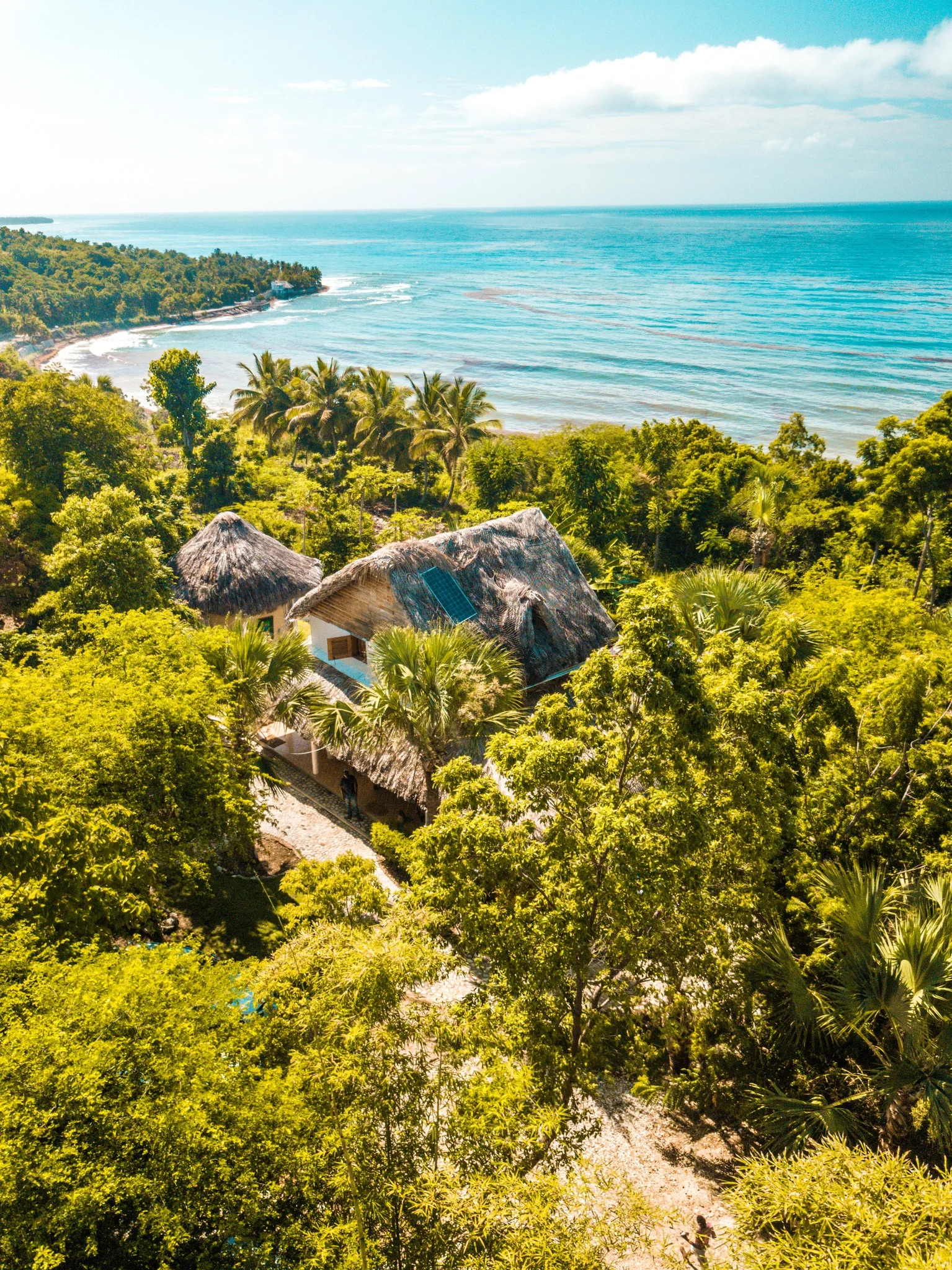
Camp-Perrin, nestled in the South department of Haiti, is one of the most picturesque cities in the Caribbean region. Located just 23 kilometers east of Les Cayes, the country’s third-largest city, Camp-Perrin is a true haven of peace. Its pleasant climate, lush vegetation, and serene atmosphere make it an ideal place for those seeking natural beauty and tranquility. While Port-au-Prince, the capital of Haiti, is often marked by tension and social difficulties, Camp-Perrin stands out for its calm and joyful ambiance, offering a different perspective on life in Haiti.

Geographical Location and Proximity to Les Cayes

Camp-Perrin is located in the southwest region of the country, about 30 kilometers from Les Cayes, a dynamic urban center that plays a crucial role in trade and economic activities in the southern part of Haiti. Although Les Cayes is the third-largest city in Haiti, Camp-Perrin, as a small rural town, contrasts sharply with the hustle and bustle of the big city. Access to Camp-Perrin is easy via National Road #6, which connects Les Cayes to Jérémie, passing through this small town, a journey of less than an hour by car.

Haïti
Haïti
Haïti

This proximity to Les Cayes allows Camp-Perrin to benefit from certain advantages, such as access to health and education infrastructure, while being far enough to preserve a peaceful and laid-back environment. The residents of Camp-Perrin thus enjoy the proximity of Les Cayes for their commercial needs while living in a more natural and soothing setting.

Haïti
Haïti
Haïti

A Mild Climate Thanks to its Wooded Landscape

What makes Camp-Perrin so special is its climate. Due to its geographical location near the mountains in the southern region of Haiti, it enjoys a mild and temperate climate throughout the year. The cool breeze descending from the mountains, combined with the abundant vegetation surrounding the city, creates a pleasant and refreshing atmosphere. The temperatures in Camp-Perrin are generally cooler than in larger coastal cities like Les Cayes or Port-au-Prince, making it an ideal destination for those wishing to escape the stifling heat of the lower regions of the country.

The wooded landscape, mainly composed of pines, fruit trees, and lilacs, gives the city a unique beauty. The surrounding hills and mountains are covered with lush vegetation, and the local rivers, such as the "Grande Anse" River, add a touch of serenity to this natural setting. This makes it not only a pleasant place to live but also a perfect spot for nature lovers and visitors seeking relaxation and hiking. Additionally, there is the Mathurine Falls, one of the most beautiful waterfalls in the Caribbean.
Haïti
Haïti
Haïti

A City that Lives in Joy

Despite the many challenges faced by Haiti, especially in Port-au-Prince, where the situation is often untenable due to political and social issues, Camp-Perrin remains an example of resilience and joy. The residents of this small town are known for their warm hospitality and community spirit. The joy of life is palpable in every corner of the city, whether at the local market, during cultural festivities, or simply strolling through the picturesque streets.

Local traditions, dances, folk music, and village festivals are at the heart of social life in Camp-Perrin. One of the most notable events is the town’s patronal feast, the Feast of Sainte Anne, a time of great conviviality and gathering for the entire community. These events are an opportunity for residents to celebrate their culture and history while sharing good times together.
A Promising Future for Camp-Perrin

Although Camp-Perrin is still far from being a major economic center in Haiti, its geographical location and its natural and historical resources offer promising tourism development potential. With its pleasant climate, beautiful landscapes, and rich cultural heritage, the town could attract more visitors, both domestic and international, in the years to come. Moreover, the commitment of the Haitian diaspora from Camp-Perrin, who are building beautiful homes that further enhance the city’s face, alongside the involvement of key figures in the country who enjoy returning to live there, such as the famous journalist and media personality Valery Numa, who has established his business offering multiple services such as catering, hospitality, and a restaurant called Le Recul Group, adds to the city’s prospects. These investments, alongside some consistent engagement from Haitian authorities, could make this small town a real hub for tourism in Haiti, or even throughout the Caribbean region. In doing so, it would preserve the environment of this paradisiacal area and improve basic infrastructure, transforming Camp-Perrin into a model of sustainable development.

In conclusion, Camp-Perrin, with its mild climate, wooded landscapes, and joyful ambiance, stands out as one of the most beautiful cities in the Caribbean. In a country often marked by social and political tensions, this small rural town offers a breath of fresh air and a sense of hope for those seeking a peaceful and harmonious environment to escape the challenges of this world.


Share
About the Author
Moise Francois
Moise Francois
Moise Francois

Journalist editor, poet and apprentice lawyer.

See other articles from Moise Francois
Leave a comment

Recently Posted

Haiti: the Island of Lovers

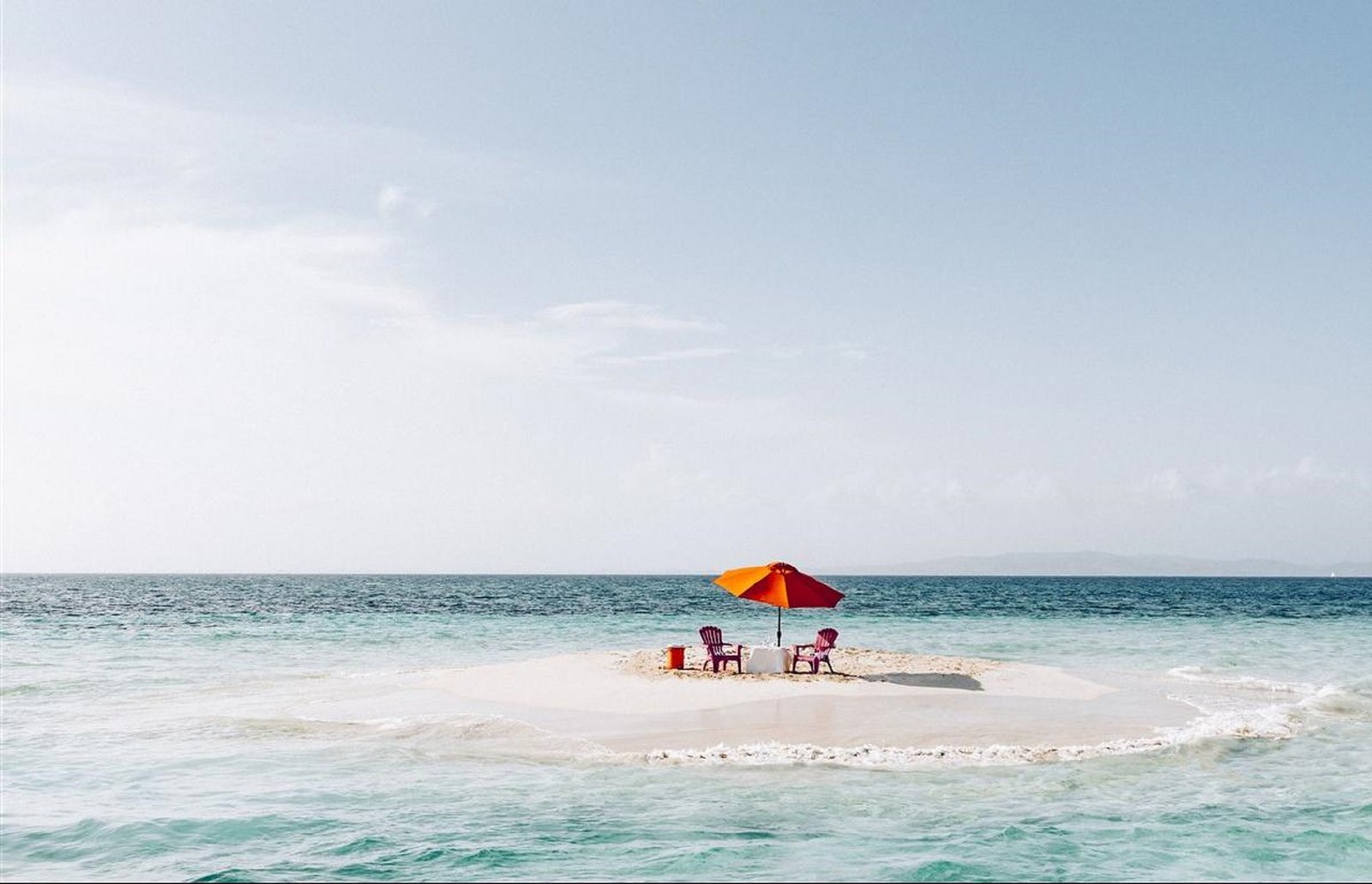
The ideal place for vacations, honeymoons, excursions, sightseeing tours and much more. This paradise island, located in the south of Haiti, near Île-à-Vache, offers a picturesque setting which makes it a destination of choice. A stone’s throw from Île à Vache, a 128 km² island bathed by the crystal clear waters of the Caribbean Sea, Île des Amoureux is a true gem to explore in Haiti. Just 5.50 nautical miles from the coastal town of Les Cayes, this island is easily accessible. Travelers can reach the town of Les Cayes by car or opt for charter flights arriving at the regional airport. From the port of Les Cayes, a short 20-minute boat trip will take you to this enchanting destination. The fascinating history of Île à Vache adds an extra dimension to your experience. Once a refuge for pirates and buccaneers, this island was nicknamed "Treasure Island". Today, it continues to charm visitors with its authentic ambiance, pristine beaches and crystal clear waters. Whether you’re looking for beach relaxation, underwater adventures, a romantic getaway, an exotic adventure or cultural discoveries, Lovers’ Island has it all. Dive into the clear waters to explore colorful coral reefs, hike through lush vegetation, or soak up the bustling atmosphere of local markets. For couples looking for romance, there’s nothing like a sunset stroll on the beach, followed by a candlelit dinner under the stars. Lovers’ Island is much more than just a vacation destination, it is a true haven of peace where adventure and relaxation meet. Whether you are a lover of relaxation or an adventurer at heart, this island will seduce you with its authentic charm and breathtaking landscapes. Embark on an unforgettable getaway and discover all that Haïti has to offer on this island paradise.

Newsletter

Subscribe to our newsletter to stay informed of all our activities and news on Haiti.

Haiti: Ministry of Tourism

In its quest to revitalize its tourism industry and highlight its natural and cultural riches, Haïti relies on a key player: the Ministry of Tourism. As a government entity dedicated to the promotion and development of tourism, this ministry plays a crucial role in transforming Haïti into a leading tourist destination. One of the main objectives of the Ministry of Tourism is to strengthen the attractiveness of Haïti to international travelers. To do this, it develops innovative marketing campaigns, highlighting the country’s pristine beaches, fascinating historical sites, rich culture and exquisite cuisine. These efforts aim to change the perception of Haïti and generate interest among potential tourists around the world. In collaboration with private sector players, the ministry is committed to supporting and promoting local tourism businesses. By encouraging entrepreneurship and innovation in the tourism sector, the ministry helps create jobs and stimulate the local economy. The Ministry of Tourism also attaches great importance to the preservation of the environment and cultural heritage of Haiti. It implements policies and initiatives aimed at protecting the country’s natural sites, national parks and historic monuments. By encouraging sustainable and responsible tourism, the ministry ensures that future generations will also be able to enjoy the beauty and cultural richness of Haiti. Finally, the Ministry of Tourism works closely with other national and international organizations to promote Haiti’s tourism development. Through strategic partnerships and exchanges of best practices, Haïti benefits from the expertise and support necessary to strengthen its tourism sector and increase its competitiveness in the global market. Haiti’s Ministry of Tourism is a key player in transforming the country into an attractive and sustainable tourist destination. Through its continued efforts to promote tourism, support local businesses, and preserve Haiti’s natural and cultural heritage, the ministry is paving the way for a bright future for the country’s tourism industry.

Haiti: Carnival and Rara: Crossed Perspectives on Culture and Haitian Identity

In our tradition, carnival represents an essential cultural activity. Indeed, for the holding of it this year, the State had drawn from the public treasury not only a huge sum but also a strong concentration of law enforcement to ensure the protection and security of carnival-goers in the area. metropolitan. Despite numerous criticisms and concerns expressed by certain media on the one hand, then on the other hand by the democratic opposition. While it is true that in Port au Prince these concerns had had a no less valuable consequence on the progress of this festivity. It is no less true that this was the case in other provincial towns, as proof in the southeast department the authorities did not record anything as an element of accident or incident during the progress of the carnival unlike Port au Prince. Certainly, socio/economic problems are increasingly worrying, nevertheless what makes us what we are today, a free and independent people is none other than our exceptionality. This deeply expresses our intrinsic characteristic in relation to people. In fact, historically we are a people who laugh and cry, smile and irritate, dance and hit the system, sing and fight so well that "grenadya alaso sa ki mouri zafè ya yo" is the most emblematic song of the slaves for the conquest of our freedom. We do not intend to claim that those who expressed their disagreement with the carnival are showing a historical deficit. However, we leave in the shadows a fundamental question: why is carnival taken care of by the State while the rara is like an abandoned child? The rara is not only a simple cultural tradition but, above all, it is the heritage of our valiant warriors who bravely fought the French expeditionary army, the most powerful of the time. While, this mass cultural, she is still marginalized by state authorities. It is emphasized that social cohesion is the dead point of carnival. On the other hand, this is the strong point of rara. As proof, the Thursday of the Dead in our Voudouesque tradition which represents the opening ceremony for the rara bands is the blatant testimony of this social cohesion. And, in fact, there were circles of people who took divergent directions to attend the opening ceremony of their rara bands. For this opening ceremony the atmosphere was a taste of carnival in terms of color. On the side of Croix Hilaire, for the title champion Ratyèfè full force band, the color of his club was very diverse, a long dress of apricot yellow, mauve white, then white scarf. In terms of performance, this band had completely proven its champion skills thanks to its arsenal of musicians who were not in their testing phase. To tell the truth, they performed their note with surgical precision as a doctor-surgeon in his surgical procedure. The synchronization between the musicians, the instruments and then the fans form a whole and harmonize perfectly well. This band not only has the magic of words and verbs, it seems that they also have the magic to thrill even the most reluctant fans. Moreover, his performance for this dead Thursday was a challenge for his rivals this weekend to the extent that their performances were less good. On the symbol side of light, Grap Kenèp was the wonder of the Thursday evening of the dead. His club dressed in the appropriate color for this evening, purple scarf, purple jersey, then white “kolan”. In a symbolic way, this marriage of color represents Baron in Haitian Vodou. Without a doubt, it was the most beautiful symbolic representation of the evening. In terms of performance, returning from the cemetery we felt a very strong warmth of jubilation, elation, and playfulness for a completely balanced performance. As far as Chenn Tamarin is concerned, it was already 2 a.m. when our team met him, it was a less good performance than what we were accustomed to. On the symbolic side it leaves something to be desired. His news was that he had his own media. Petit-Goave/Culture and Society

Recently Posted

History

History

First black nation to free itself from slavery and gain independence from France in 1804 and influenced other liberation movements around the world, inspiring struggles for freedom and equality.

Natural beauty

Natural beauty

Haïti is blessed with spectacular natural landscapes, including white sand beaches, mountains and rich biodiversity.

Heritage

Heritage

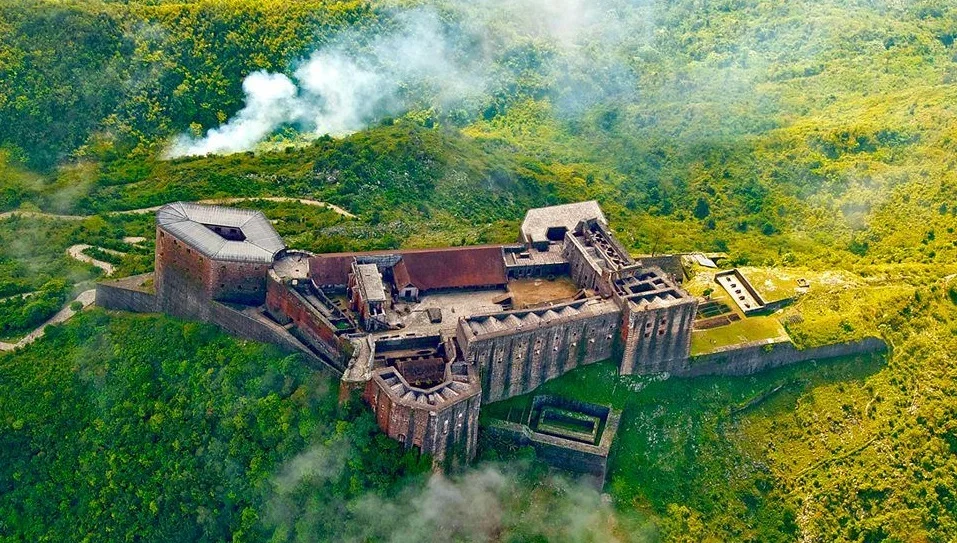
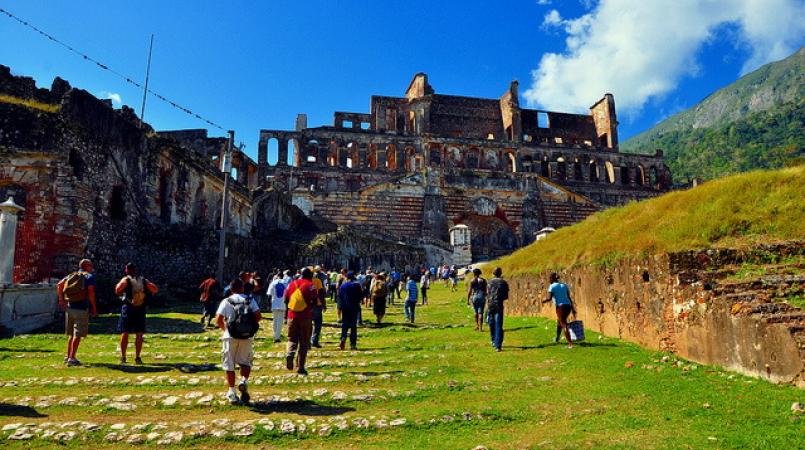
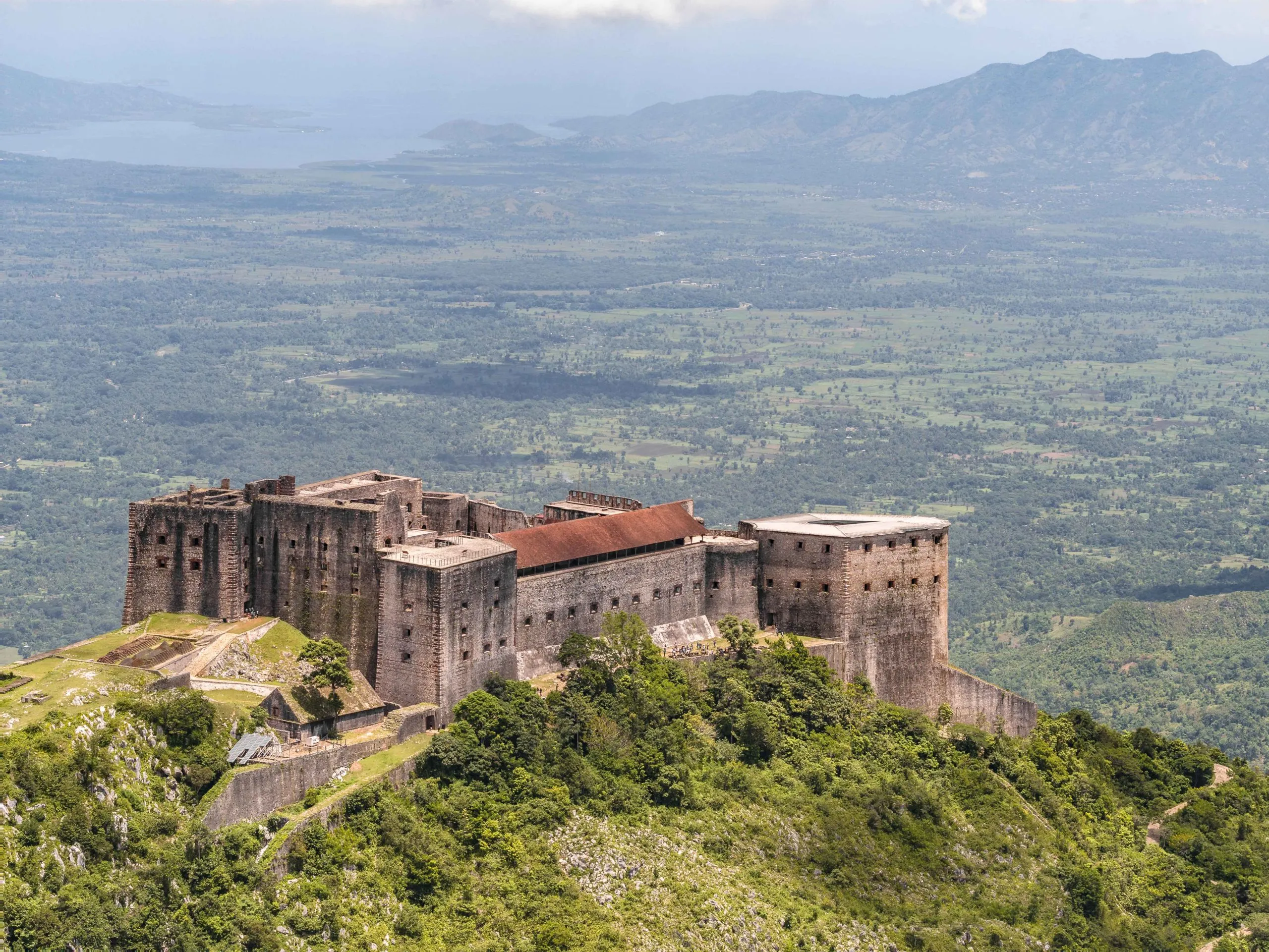
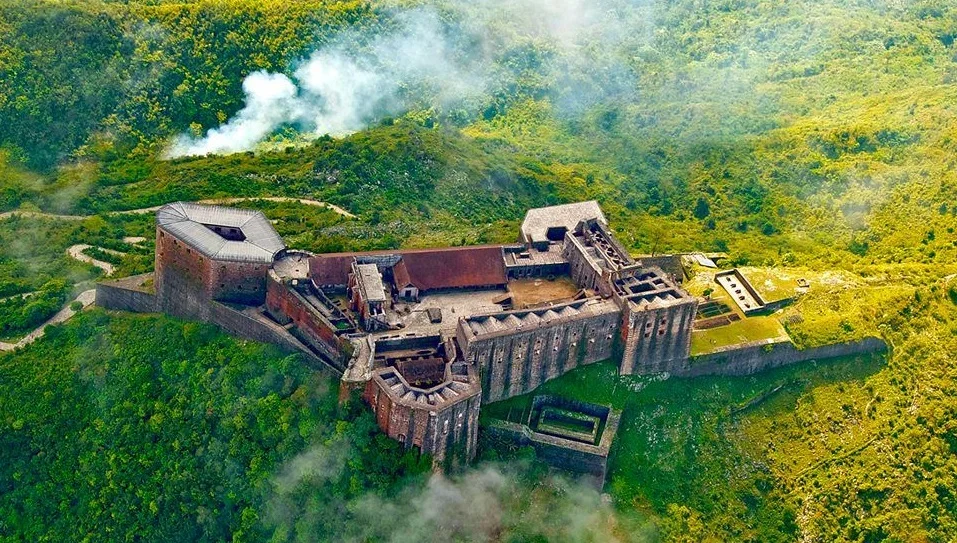
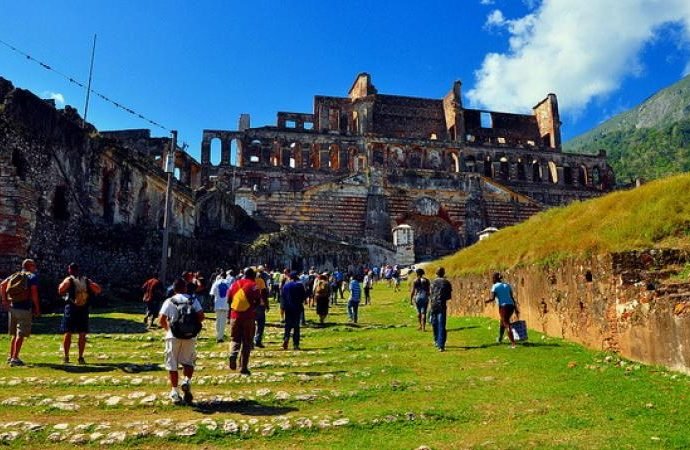
Haïti has a rich historical heritage, including sites like the Citadelle Laferrière and the Sans-Souci Palace, listed as UNESCO World Heritage Sites.

Culture

Culture

Haïti has a rich and diverse culture, influenced by African, European and indigenous elements. Haitian music, dance, art and cuisine are celebrated around the world.

  • +
    • Post