contact@haitiwonderland.com+509 36184317

Discover

Shopping Cart

What are the national holidays in Haiti?

What are the national holidays in Haiti?

Haiti, rich in history and culture, celebrates several national holidays throughout the year. These celebrations reflect the identity and resilience of the Haitian people, marking key moments in their history and honoring their traditions. Discover the most important national holidays in Haiti, their meanings and how they are celebrated.

Haïti
Haïti
Haïti

National Independence Day January 1st

January 1st is a sacred date for Haitians, marking their accession to independence in 1804.

- Significance: This holiday celebrates the proclamation of Haiti’s independence, making the country the first independent black republic in the world.
- Celebrations: The day is marked by patriotic speeches, official ceremonies and the sharing of soup joumou, an iconic dish symbolizing freedom and national pride.
- Key figures: More than 11 million Haitians participate in this culinary and historical tradition each year.

Haïti
Haïti
Haïti

Grandfathers’ Day January 2

The day after Independence Day, Haïti pays tribute to the ancestors who fought for freedom.

- Significance: This day honors the heroes of the Haitian revolution and celebrates their courage and sacrifice.
- Celebrations: Haitians often visit historical monuments and organize gatherings to remember their ancestors.
- Impact: It is an opportunity to reflect on the legacy left by these emblematic figures.

Haïti
Haïti
Haïti

Agriculture and Labor Day May 1

May 1 is a day dedicated to the importance of agriculture and labor in Haitian society.

- Meaning: This holiday highlights the crucial role of farmers and workers in the national economy.
- Celebrations: Agricultural fairs are held across the country, showcasing local products and innovations in the agricultural sector.
- Key figures: Agriculture employs nearly 38% of the working population in Haiti, highlighting the importance of this sector.

Haïti
Haïti
Haïti

Flag and University Day May 18

May 18 is a doubly symbolic day, celebrating the Haitian flag and education.

- Meaning: This date commemorates the creation of the Haitian flag in 1803 in Arcahaie, a symbol of national unity.
- Celebrations: Parades, patriotic speeches, and educational activities are organized to honor this event.
- Key figures: More than 90% of Haitian schools organize events to mark this day.

Haïti
Haïti
Haïti

The Commemoration of the Battle of Vertières November 18

November 18 is a key date in Haitian history, marking the last major battle before independence.

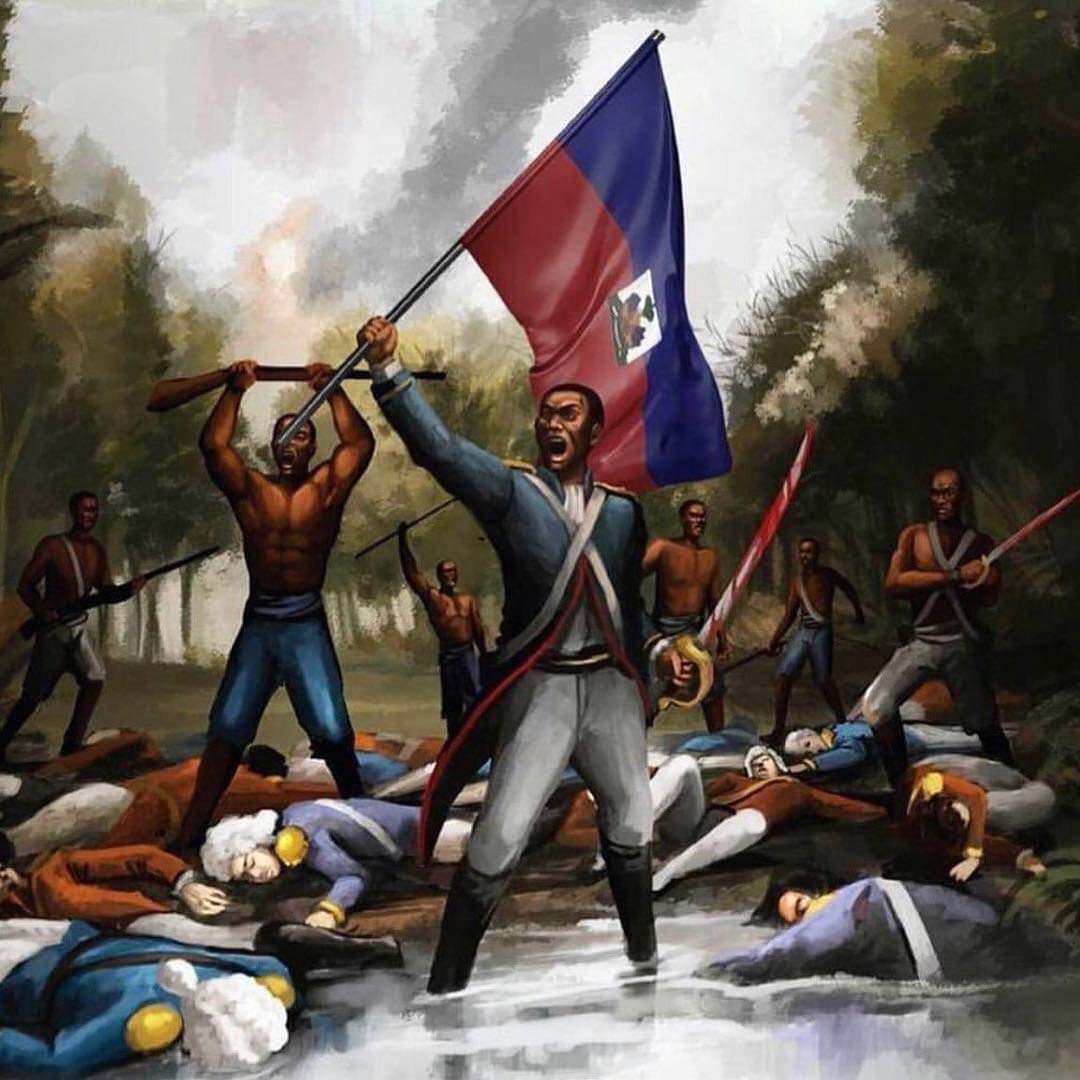
- Significance: This day celebrates the decisive victory of Haitian troops against the Napoleonic army at the Battle of Vertières in 1803.
- Celebrations: Military ceremonies and historical reenactments are organized to commemorate this feat.
- Highlights: This battle remains a symbol of the determination and courage of the Haitian people.

Haïti
Haïti
Haïti

The importance of these national holidays

National holidays in Haïti are much more than public holidays: they embody the history, values, and identity of the nation. These celebrations allow Haitians to come together, pay tribute to their past and pass on their heritage to future generations.

If you have memories or anecdotes about one of these celebrations, share them in the comments!

Share
About the Author
Appolon Guy Alain
Appolon Guy Alain
Appolon Guy Alain

Full Stack Developer, Créatif, expérimenté, passionné des nouvelles technologies et de l’art.

See other articles from Appolon Guy Alain
Leave a comment

Recently Posted

Haiti: A Little-Known Pillar of World Independence

Haiti, the world’s first independent black republic, played an exceptional role in the quest for independence for other nations. Although often overshadowed by other historical events, Haiti’s contribution to the liberation of other countries was significant and deserves to be highlighted. b~The Haitian Revolution~b At the turn of the 19th century, Haïti threw off the chains of slavery and achieved the impossible by freeing itself from French colonial rule. In 1804, the country proclaimed its independence, ushering in a new era for oppressed peoples around the world. b~Inspiration for Latin America~b The Haitian Revolution was a major source of inspiration for independence movements in Latin America. Iconic figures such as Simón Bolívar and Francisco de Miranda recognized the courage and determination of Haitians as a driving force for their own struggles. By materially and ideologically supporting these movements, Haïti contributed to the emergence of several independent nations in South America. b~Influence in Africa~b Beyond the Americas, Haïti also played a crucial role in the quest for independence in Africa. African leaders have left a legacy that has inspired entire generations of freedom fighters on the African continent. The idea that oppressed people could rise up against their oppressors found a powerful echo in the struggles for independence in Africa. b~Support for Liberation Movements~b Throughout its history, Haïti has provided substantial support to liberation movements around the world. Whether through troop dispatches, financial resources or active diplomacy, the country has demonstrated its solidarity with those fighting for their autonomy. Haiti’s contributions have often been discreet but crucial. Haiti, as a pioneer of independence and freedom, has left a lasting impact on the world stage. His legacy resonates across continents, reminding the world that the quest for freedom is universal. By recognizing and celebrating Haiti’s role in the independence of other nations, we not only honor its history, but we also commit to promoting a future where all people have the opportunity to shape their destiny.

Newsletter

Subscribe to our newsletter to stay informed of all our activities and news on Haiti.

Haitian rhythms: Exploring musical and dance traditions

Haiti, a land rich in history and cultural diversity, offers a unique musical treasure through its captivating rhythms. Haitian music, deeply rooted in the fusion of different African, European and Caribbean influences, constitutes a vibrant expression of national identity. One of the distinctive elements of Haitian music is its rhythmic diversity, reflecting the many facets of daily life, from religious celebrations to moments of joy and sorrow. Haitian rhythms, carrying contagious energy, are a reflection of the soul of the Haitian people. One of Haiti’s most iconic musical genres is direct compas, which emerged in the 1950s. This catchy rhythm, coupled with captivating melodies, has captured hearts globally. The direct compass embodies the fusion of different musical styles, including jazz, merengue, and elements of traditional Haitian music. Haitian musical traditions are not limited to contemporary sounds. Vodou, an ancestral spiritual practice, also has a major influence on Haitian music. Vodou rhythms, often associated with religious ceremonies, create a deep connection between spirituality and artistic expression. Furthermore, dance is inseparable from Haitian music. The graceful and energetic movements of traditional dances like rasin, combined with captivating rhythms, transport dancers and spectators to a world where bodily expression becomes a living art form. Exploring the musical and dance traditions of Haïti is like diving into a universe where history, culture and spirituality are harmoniously woven together. These rhythms, passed down from generation to generation, are much more than simple notes; they embody the soul of a people and the richness of its diversity. Celebrating these traditions pays homage to Haiti’s exceptional cultural heritage and its invaluable contribution to the global music scene.

Haiti: Flora and Fauna

Haiti, located on the western part of the Caribbean island of Hispaniola, is often associated with its rich and complex history. However, beyond its cultural and historical aspects, Haïti is home to a remarkable diversity of fauna and flora that deserves to be explored and preserved. This article highlights the ecological wealth of Haiti, emphasizing its unique flora and fauna. Fauna: Haïti is home to a variety of animal species, some of which are endemic to the island. The country’s tropical rainforests are home to a great diversity of birds. The rugged mountains provide suitable habitat for rare species. The waters surrounding Haïti are also rich in biodiversity. Colorful corals, tropical fish and sea turtles find refuge in the coral reefs along the coast. Conservation efforts are crucial to protect these fragile marine ecosystems and preserve marine life. Flora: Haiti’s landscapes are adorned with a wide variety of plants and flowers. The tropical rainforests are home to majestic trees, the Hispaniola pine and the gum tree. These forests play an essential role in climate regulation and the preservation of biodiversity. The coastal plains are dotted with palm trees, including Haiti’s iconic royal palm. Botanical gardens, such as the Jardin Botanique des Cayes, are havens of greenery where you can admire a wide variety of tropical plants, some of which are endemic to the region. Haiti, with its unique flora and fauna, is an ecological gem that deserves to be preserved for future generations. Awareness, conservation and sustainable development are key elements to ensure the survival of this natural wealth. By investing in the protection of its environment, Haïti can not only preserve its ecological heritage, but also promote sustainable tourism and strengthen the resilience of its ecosystems in the face of current global challenges.

Recently Posted

History

History

First black nation to free itself from slavery and gain independence from France in 1804 and influenced other liberation movements around the world, inspiring struggles for freedom and equality.

Natural beauty

Natural beauty

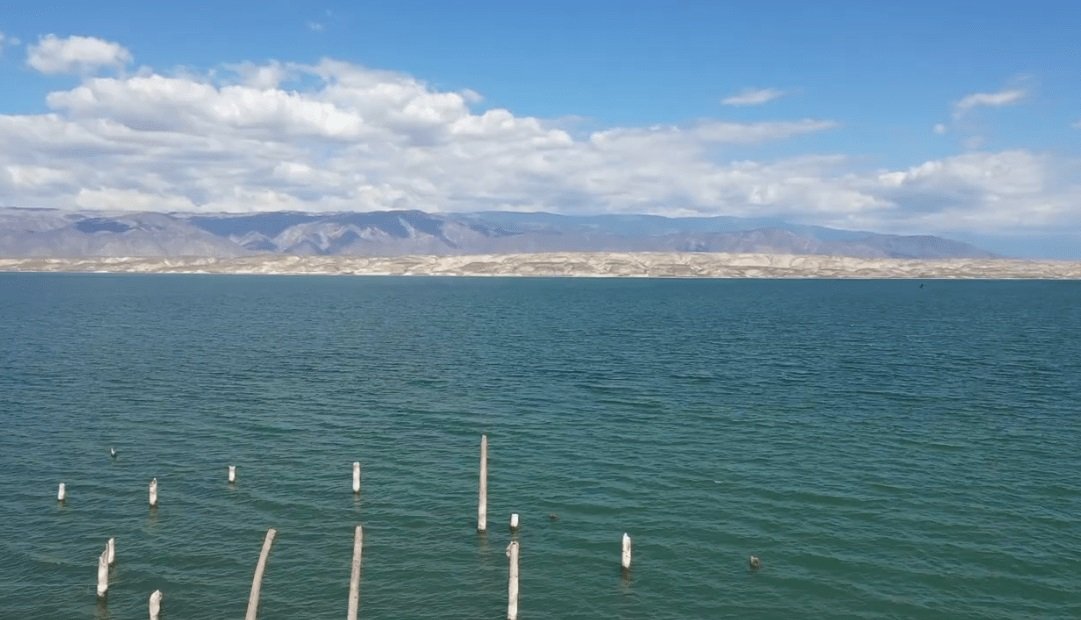
Haïti is blessed with spectacular natural landscapes, including white sand beaches, mountains and rich biodiversity.

Heritage

Heritage

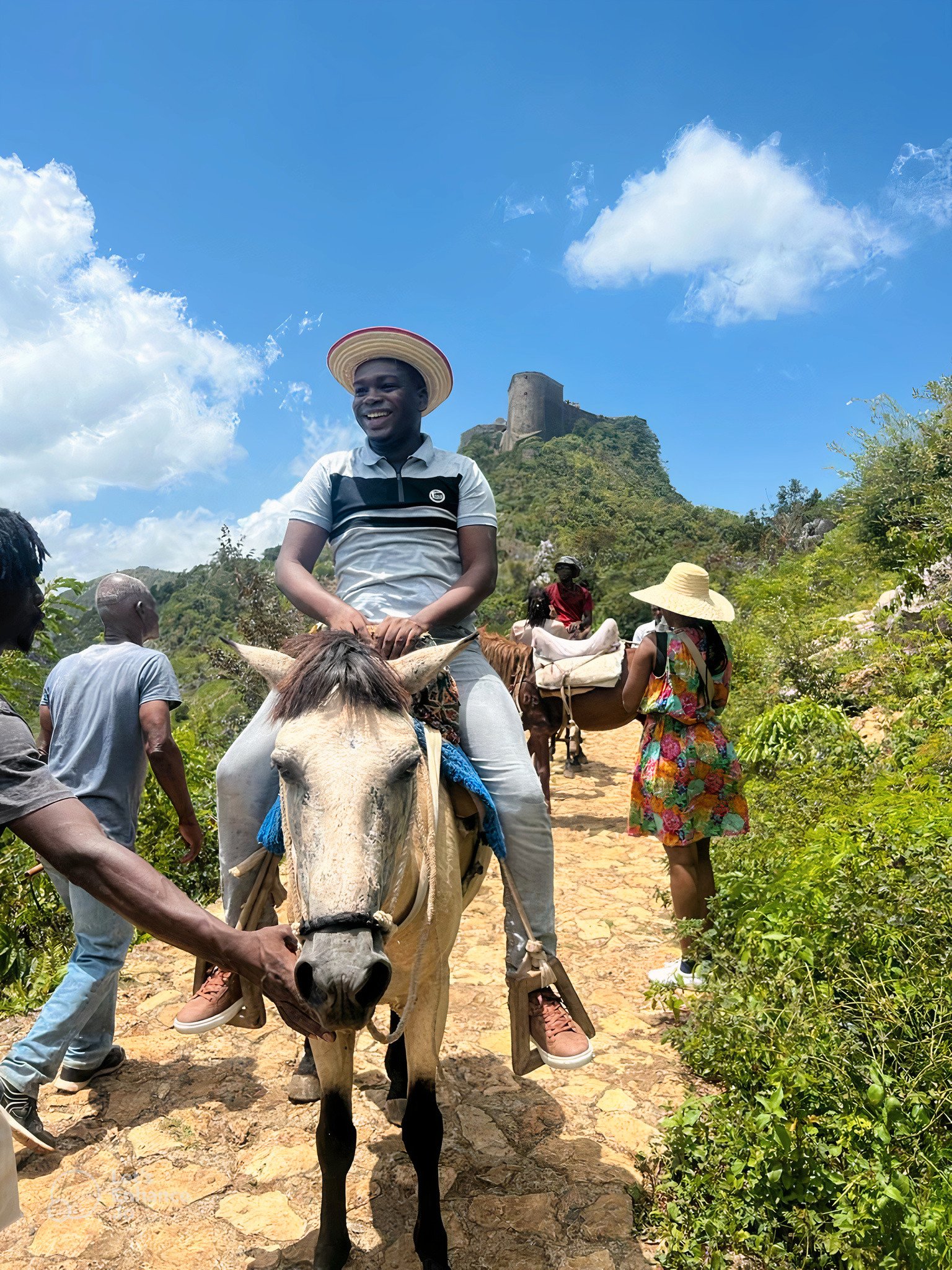
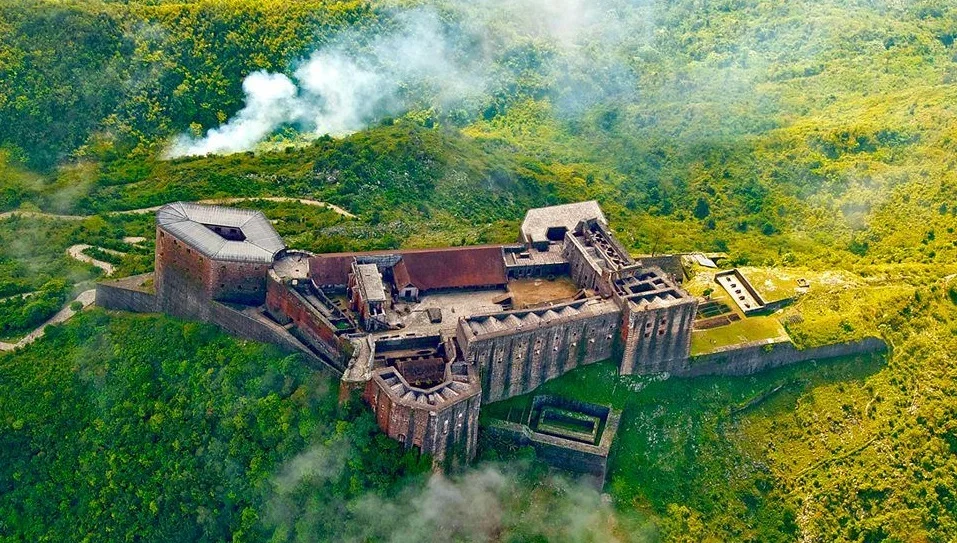
Haïti has a rich historical heritage, including sites like the Citadelle Laferrière and the Sans-Souci Palace, listed as UNESCO World Heritage Sites.
Culture

Culture

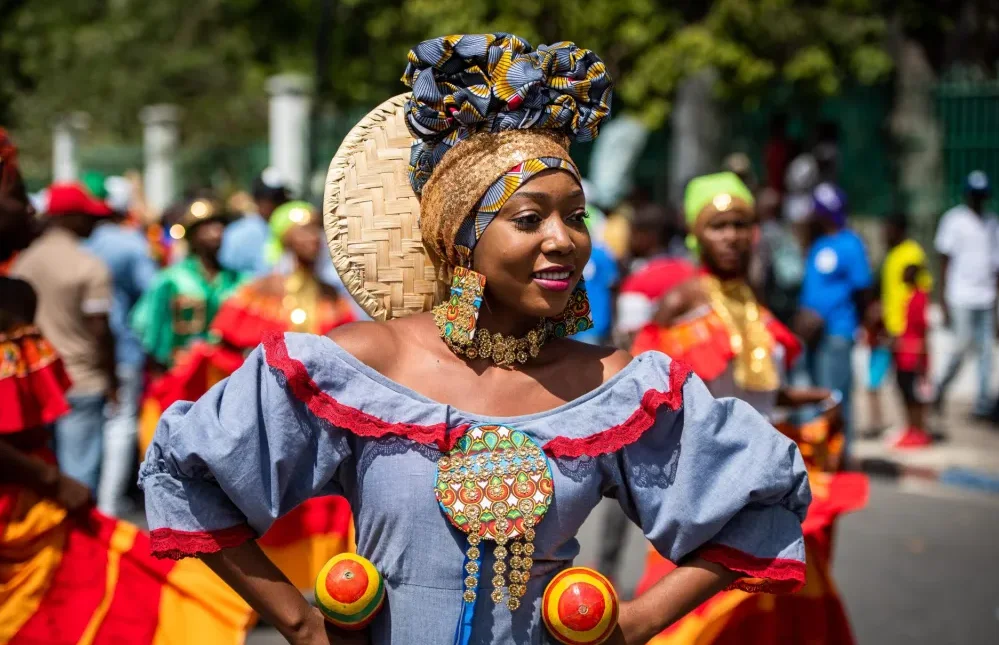
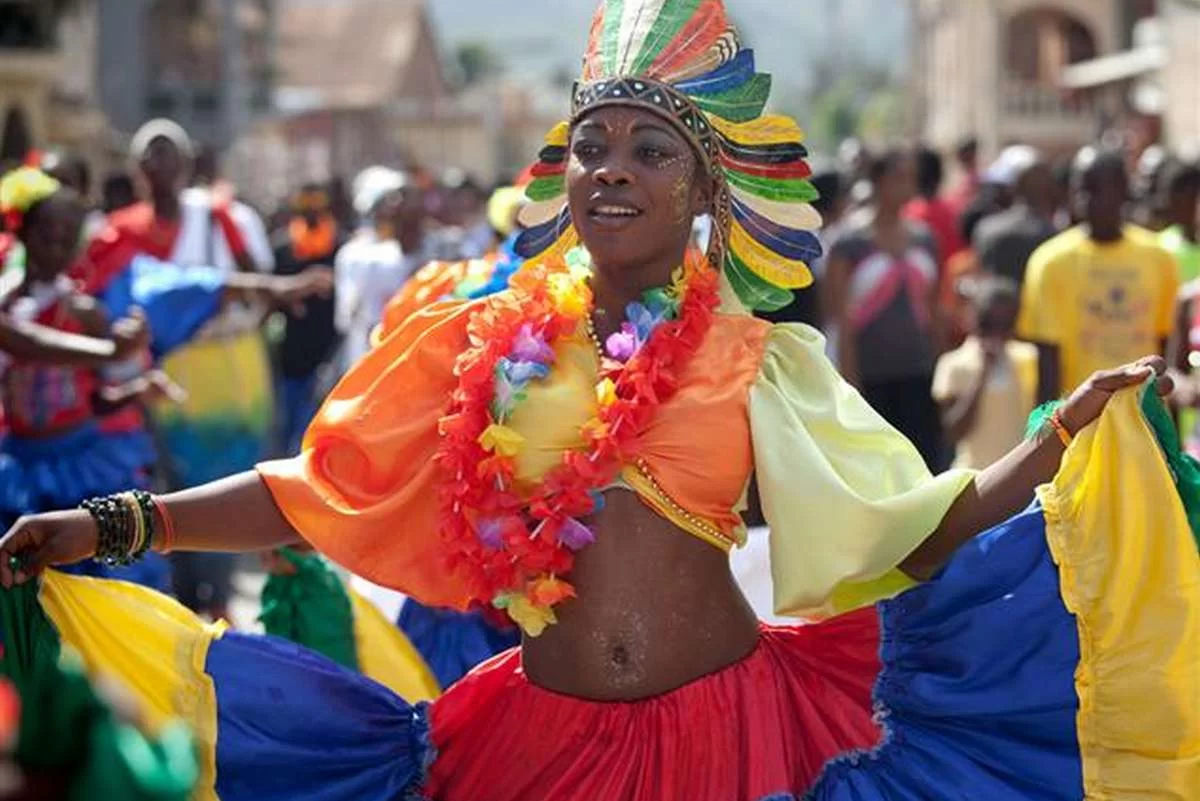
Haïti has a rich and diverse culture, influenced by African, European and indigenous elements. Haitian music, dance, art and cuisine are celebrated around the world.
  • +
    • Post