contact@haitiwonderland.com+509 36184317

Discover

Shopping Cart

R.V.C, a Christian institution of reference in Haiti.

R.V.C, a Christian institution of reference in Haiti.

Rendez-vous Christ (R.V.C) is a network of churches and Christian institutions gathered under the leadership of Reverend Pastor, Dr. Julio Volcy. The network consists of campuses located in Delmas 75, Caseau, Jérémie, and Cap-Haïtien. RVC supports these churches and other Christian charitable institutions to fulfill its mission among the Haitian population. Rendez-vous Christ is preparing to celebrate its 9th anniversary on March 23. On this occasion, the church plans to visit prisoners, sharing the good news of the Gospel, eating with them, and offering other gifts.

Haïti
Haïti
Haïti

Enlightened, Disciplined Leadership

One of RVC’s characteristics is its enlightened vision for the formation of effective Haitian Christian citizens. This vision is accompanied by an increased desire for discipline, which could even be described as a mannerism. At RVC, punctuality is keyit’s a way of acknowledging that Christianity does not prosper in indiscipline. Additionally, RVC believes in education as a tool for transforming mentalities, to create enlightened Christians who can be examples in intellectual, family, and economic spheres. It’s a way of saying that every Christian must first preach the Gospel through the example of their life and be a beacon of hope where the darkness of the world is most evident.

Haïti
Haïti
Haïti

A Church That Believes in the Real Development of People

At RVC, all aspects of the human being are considered: spirit, soul, and body. The visible, mobile person is ready to invest in just causes. If we take care of the body while neglecting the soul, an unbalanced scandal will surface, and it will not be pleasant to see. Generally, this is why the church emphasizes offering care for all that makes up the human being. While the Christian should hope for heaven for their soul, their body must live well while waiting, and their spirit must be flourishing. RVC also distinguishes itself by believing that the Christian citizen has a voice in society’s affairs, including political ones, as Christian citizens are not disconnected from the rest of society. Their role is to improve society, not to avoid it with irresponsible attitudes.

A Church by Christians for Non-Christians

Rendez-vous Christ is characterized by its efforts to reach non-Christians in Haiti. Referencing the biblical version of Acts 15:19, where the author suggests not imposing burdens on new converts, RVC strives not to stigmatize people based on their clothing choices or whether they let their hair grow, or any other sign that might attract harsh judgments from traditional Haitian Christians. According to RVC’s leaders, the church is a place of healing for all kinds of people, both those with emotional wounds and physical ones.

Haïti
Haïti
Haïti

Loving God, Loving People, and Making Disciples

Love is the cornerstone of Jesus Christ’s message. Anyone who wants to share it with others must be able to love and show it daily. Indeed, RVC aims to be a proud symbol in this regard, as it demonstrates its love by helping people in need. And it’s through the example of this love that the church manages to bring souls into the body of Christ.

A Modern Institution

Rendez-vous Christ is also characterized by its modern approach. Its strong presence on social media even allows it to have an online campus. Furthermore, RVC strives to offer services using the most effective tools to build the perfect atmosphere to strengthen Christians in their desire to worship God.

Haïti
Haïti
Haïti

Youth Empowered

If there is one place in Haïti where power is shared equitably with the youth, it’s at RVC. From the moment you enter the Delmas campus, it’s clear. The church perfectly reflects the importance and significant demographic presence of young people, with many of them serving the church through various ministries (JAM for children, REVIV for teenagers, praise dance for those who want to dance…), which make up the evangelical religious institution.

Share
About the Author
Moise Francois
Moise Francois
Moise Francois

Journalist editor, poet and apprentice lawyer.

See other articles from Moise Francois
Leave a comment

Recently Posted

Haiti: A look back at the First Rara Weekend in Petit-Goave

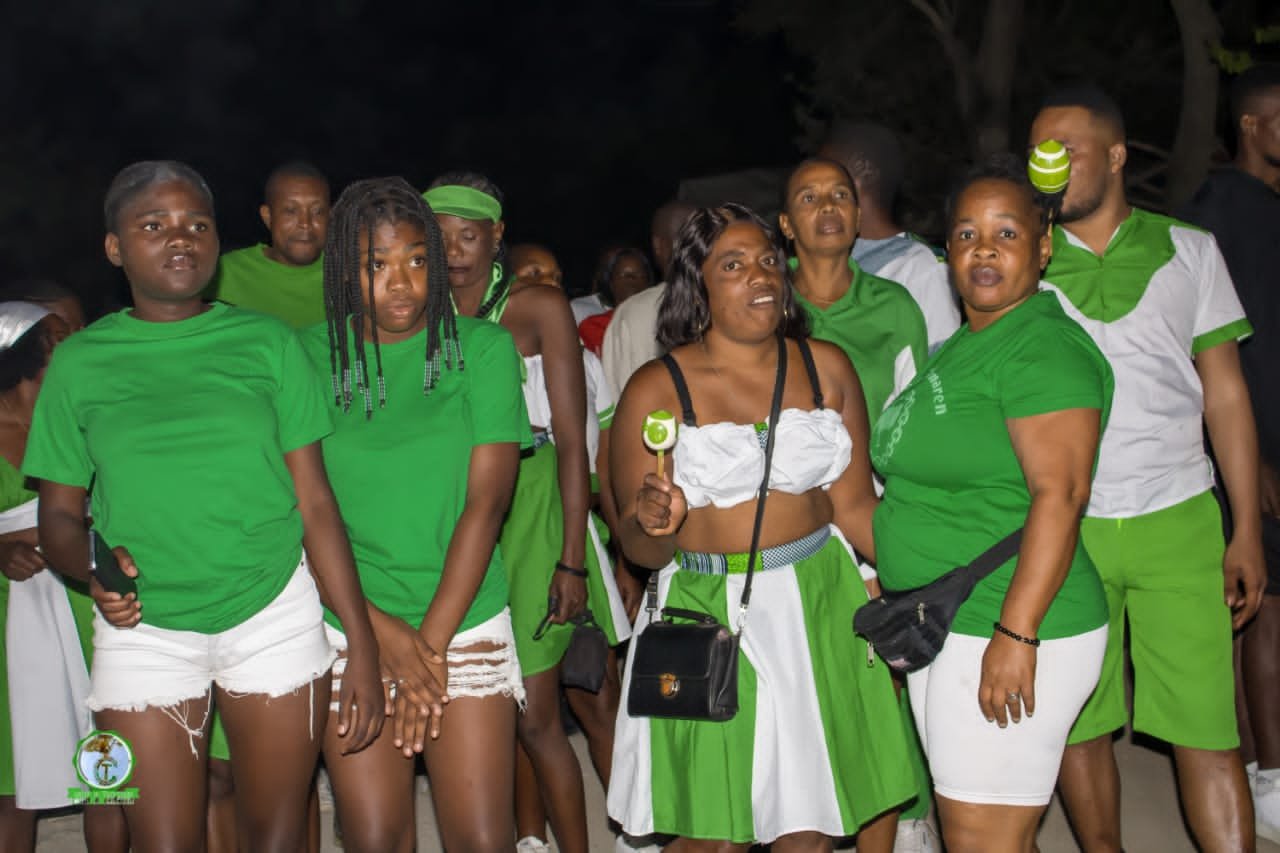
Haitian culture is a true treasure, woven from the creativity of its artists, its rich heritage and the diversity of its cultural expressions. Among these cultural gems, the rara stands as a true national emblem, uniting Haitians through its captivating rhythms and centuries-old traditions. During the first Rara weekend, this very essence of Haitian culture shone brightly, revealing palpable social cohesion. Despite the absence of law enforcement, tranquility reigned in Petit-Goâve, testifying to the ability of citizens to come together in peace and conviviality. However, media attention was mainly focused on the first plain, leaving a certain imbalance in the coverage of the festivities. Ratyèfè, three-time reigning champion, once again captivated minds with his talent and artistic mastery, offering an unparalleled spectacle. But his rival, Lambi gran dlo, was not to be outdone, displaying a determination to compete for first place. The event was also marked by unfortunate incidents, reminding us that despite the beauty of tradition, tensions can arise. Clashes between fans of different groups tarnished the festive atmosphere, highlighting the need for careful management of celebrations to avoid such excesses. At the heart of this musical competition, where each group aspires to recognition and victory, a complex picture of rivalries and alliances emerges. Chenn tamarin, although appearing asleep in the first moments, shows signs of waking up, ready to shake up the established order. On Sunday evening, Lambi gran dlo honored the memory of one of its loyal supporters, while Grap Kenèp was the scene of violence between fans, recalling the fragility of social cohesion when passion runs wild. In this whirlwind of emotion and competition, it is crucial to keep in mind that it is the journalist who must look to the events, and not the other way around. This is how we draw up the first ranking for this first weekend: 1. Ratyèfè 2. Lambi grand dlo 3. Chenn tamarind Beyond the results, it is the preservation of unity and mutual respect that must remain at the heart of these celebrations, making the rara not only a musical festival, but above all a symbol of the wealth and resilience of the people Haitian.

Newsletter

Subscribe to our newsletter to stay informed of all our activities and news on Haiti.

Haiti: seaside resorts

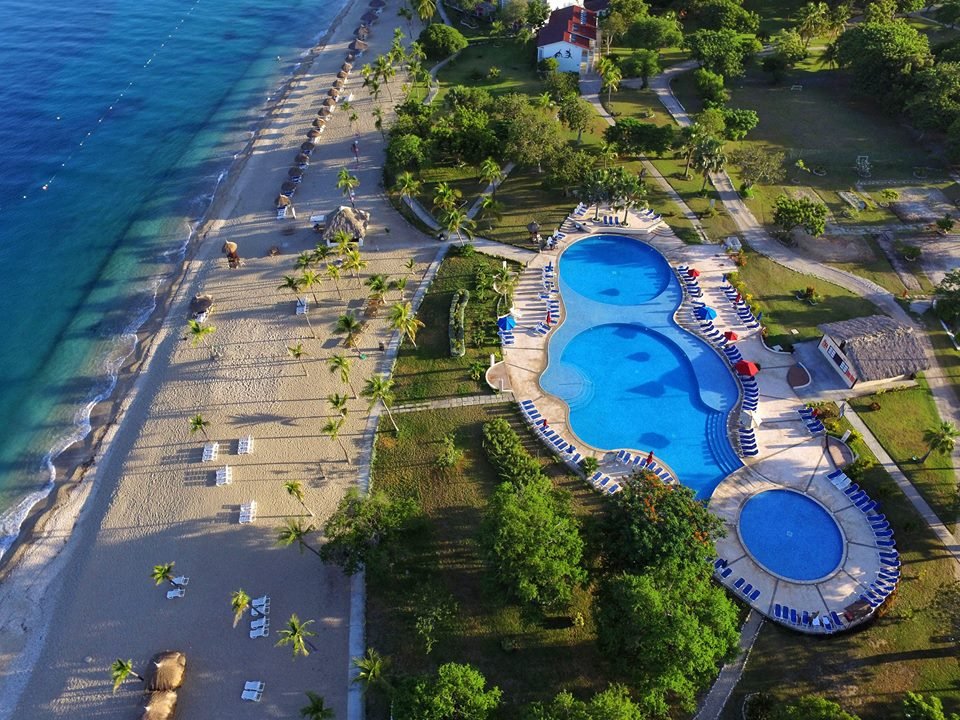
Haiti, often recognized for its rich history, vibrant culture and mountainous landscape, is also blessed with a stunning coastline lined with picturesque beaches. Haitian beach resorts offer a unique experience where white sand meets the crystal clear waters of the Caribbean Sea. These beach destinations are emerging as hidden gems, ready to be discovered by travelers hungry for sun and adventure. A Rich and Cultural History Haiti’s resorts don’t just offer breathtaking scenery; they are also steeped in rich history and culture. Visitors can explore historic sites such as the Citadelle Laferrière, a majestic fortress built in the early 19th century, or the Palais Sans-Souci, a former royal residence dating back to the colonial era. Additionally, Haitian music, dance and cuisine bring a lively and colorful touch to the seaside experience, giving visitors an authentic insight into local culture. Heavenly Beaches Haiti’s beaches are some of the most beautiful in the Caribbean, offering miles of pristine white sand bordered by sparkling turquoise waters. Destinations such as Jacmel, Labadee and Île-à-Vache offer tranquil retreats where visitors can relax in the tropical sun or indulge in a host of water activities, such as snorkeling, sailing and boating. kayak. Whether you’re looking for excitement or tranquility, Haiti’s beaches offer something for everyone. An Emerging Ecotourism Haïti is also becoming a popular destination for ecotourism enthusiasts. With its unique biodiversity and unspoilt landscapes, the country offers unique opportunities for bird watching, jungle hiking and discovering spectacular natural sites such as the Saut-d’Eau waterfalls and caves. Environmentally conscious travelers will find in Haïti a perfect balance between adventure and nature conservation. Haiti’s resorts offer much more than spectacular beaches. They offer immersion in a vibrant culture, fascinating history and preserved nature. By choosing to visit Haiti, travelers have the opportunity to discover a jewel of the Caribbean, while contributing to the economic development and well-being of this extraordinary country.

Haïti / Fort Saint-Joseph: Historical Vestige of the Resistance

Located in the Bay of Cap-Haitien, Fort Saint-Joseph stands like a silent guardian of Haiti’s tumultuous history. Built in two stages, in 1748 and 1774, this defensive work was once a crucial element of the city’s protection system against French colonial assaults. Alongside other forts such as Picolet and Magny, its mission was to control maritime passages and defend Haitian sovereignty. However, its history is not limited to its defensive function. In 1802, then under the control of General Henry Christophe, the fort became the scene of a heroic act of resistance. Faced with the French expeditionary army, Christophe ordered the destruction of the powder magazine and the entrance gate to the fort, thus rendering it temporarily unusable. This courageous gesture, although tactical, left indelible scars on the very structure of the fort, testifying to the fierce clashes between French colonial forces and Haitian resistance fighters. These historic marks, still visible today, offer a window into the country’s tumultuous past. They allow visitors and historians to interpret the fierce struggles that forged Haitian identity. Fort Saint-Joseph, as a witness to the resistance and the struggle for freedom, embodies the indomitable spirit of the Haitian people. Recognizing its historical significance, the Haitian government officially classified Fort Saint-Joseph as national heritage in 1995. This recognition paved the way for restoration efforts aimed at preserving this precious vestige of Haitian military heritage. Thanks to collaboration between the public sector and local private funding, the fort has recently been restored and enhanced. Thus, Fort Saint-Joseph remains much more than a simple stone structure. It is a living symbol of the resilience and determination of the Haitian people, reminding all visitors that Haiti’s history is deeply rooted in the struggle for freedom and human dignity. To virtually discover this jewel of Haitian history, you can visit the following link: https://haitiwonderland.com/haiti-virtual-reality-ht/monuments-histoire/haiti--fort-saint-joseph--visite- virtual/11

Recently Posted

History

History

First black nation to free itself from slavery and gain independence from France in 1804 and influenced other liberation movements around the world, inspiring struggles for freedom and equality.

Natural beauty

Natural beauty

Haïti is blessed with spectacular natural landscapes, including white sand beaches, mountains and rich biodiversity.

Heritage

Heritage

Haïti has a rich historical heritage, including sites like the Citadelle Laferrière and the Sans-Souci Palace, listed as UNESCO World Heritage Sites.

Culture

Culture

Haïti has a rich and diverse culture, influenced by African, European and indigenous elements. Haitian music, dance, art and cuisine are celebrated around the world.

  • +
    • Post