contact@haitiwonderland.com+509 36184317

Discover

Shopping Cart

Labadee: One of the Most Beautiful Beaches in Haiti

Labadee: One of the Most Beautiful Beaches in Haiti

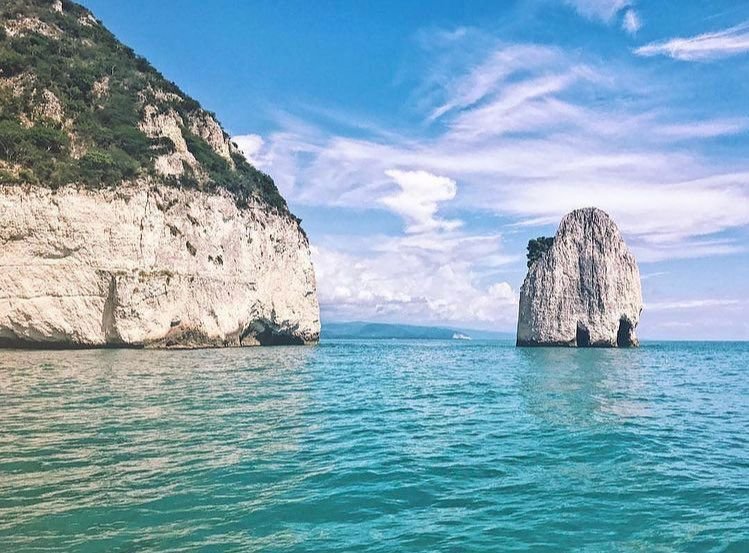
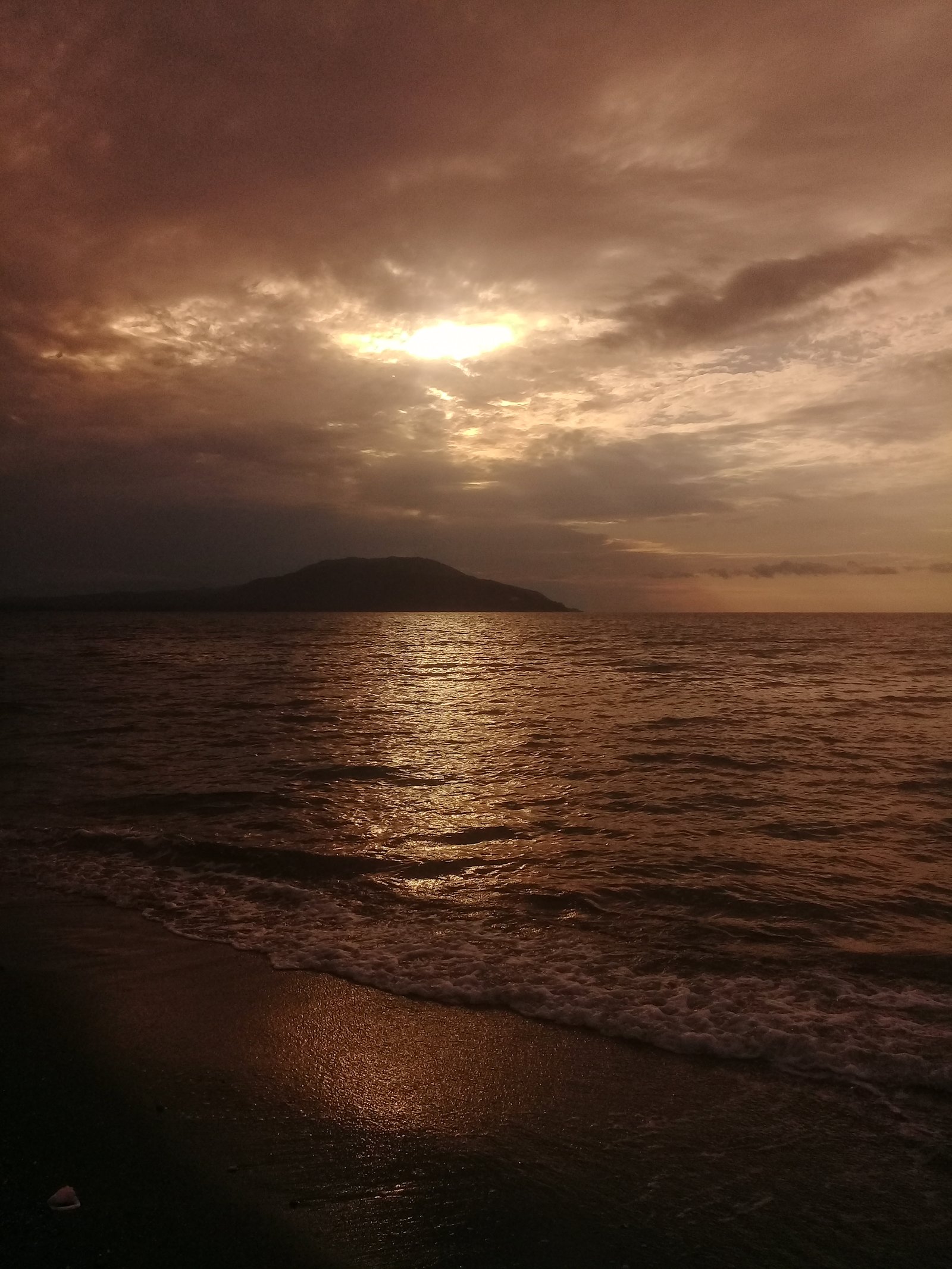
Haiti, this Caribbean island with a rich historical past and generous nature, reveals one of its most precious treasures: Labadee. Nestled less than 10 km northwest of Cap-Haitien, Labadee stands like a seaside pearl, offering its visitors an exquisite experience combining relaxation, adventure and cultural discovery.

Haïti : Labadee
Haïti : Labadee
Haïti : Labadee

An Accessible Caribbean Eden

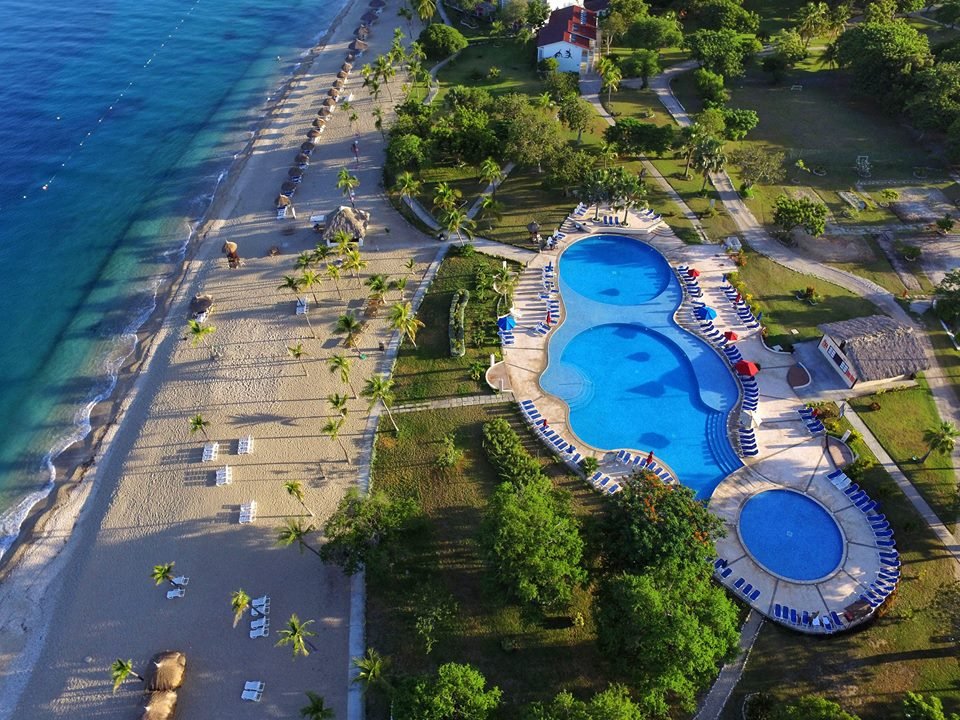
Labadee, also known as Labadie, extends like an oasis of serenity on the northern coast of Haiti. Owned by the Royal Caribbean International cruise line, this private enclave is a must-see stopover for travelers plying the turquoise waters of the Caribbean aboard the company’s cruise ships.

Haïti : Labadee
Haïti : Labadee
Haïti : Labadee

A Limitless Adventure

For thrill-seekers, Labadee has no shortage of breathtaking activities. From the dizzying heights to the crystal clear waters, every corner of the island has its share of excitement. Whether you want to glide over the ocean, jump on floating trampolines, or explore the crystal clear waters by speedboat, Labadee has something for you.

Here are some of the must-do activities in Labadee:

Beach Cabana Rentals: Enjoy a luxurious experience by renting a private beachside cabana, equipped with chairs and a comfortable bed.

Dragon’s Breath Zipline: Soar above the coast on this spectacular zipline offering breathtaking views of the coastline.

Excursion to Columbus Cove: Relax on this secluded beach, accessible by ferry, away from the crowds, for a peaceful seaside experience.

Dragon Splash Water Park: Have fun in this water park offering huge slides with views of the Caribbean Sea, as well as the Dragon roller coaster.

Speed ​​Boat Tour: Explore the surrounding traditional villages at high speed on a speedboat tour.

Labadee Artisan Market: Soak up the local culture by strolling through this market, where you can find unique and authentic souvenirs.

Haïti : Labadee
Haïti : Labadee
Haïti : Labadee

A Sanctuary of Relaxation

Labadee isn’t just a playground for intrepid adventurers. Travelers looking for relaxation will find what they’re looking for in the crystal clear waters of Columbus Cove, a secluded beach offering tranquility and serenity. Renting a private beach cabana is also an option for those who prefer to relax in the shade while savoring the treats of this tropical paradise.

Discover 10 Essential Beaches to Visit in Haiti: https://haitiwonderland.com/haiti/plage/10-plages-incontournables-a-visiter-en-haiti/19

Haïti : Labadee
Haïti : Labadee
Haïti : Labadee

A Dive into Haitian Culture

Beyond its breathtaking landscapes, Labadee also offers visitors the opportunity to delve into the cultural richness of Haiti. Explore the local artisan market, where traditional Haitian crafts invite you on a sensory journey through the island’s art and culture. Unique and authentic objects, full of history and local know-how, are to be discovered and brought back as souvenirs of your getaway to Labadee.

Haïti : Labadee
Haïti : Labadee
Haïti : Labadee

Sail to Labadee with Royal Caribbean International

To reach the unspoilt paradise of Labadee, your gateway is aboard Royal Caribbean International’s luxurious ships. Embark on an enchanting cruise to this tropical gem and be captivated by its breathtaking natural beauty.

Labadee, a preserved corner of paradise, awaits you for an incomparable getaway. Immerse yourself in its crystal clear waters, stroll on its fine sandy beaches and let yourself be lulled by the gentle rhythm of island life.

By choosing a cruise with Royal Caribbean International, you are opting for an exceptional travel experience. From relaxing moments on deck admiring the scenery to thrilling adventures ashore, every moment will be memorable.

To book your trip to Labadee and learn more about the itineraries and activities offered, visit the official Royal Caribbean International website now: https://www.royalcaribbean.com/eng/en. There, you’ll discover everything you need to plan your getaway to this Caribbean treasure.

Labadee, with its unspoiled natural beauty and diverse activities, perfectly embodies the captivating spirit of the Caribbean. Whether you are looking for adventure, relaxation or cultural discovery, this heavenly enclave offers an unforgettable experience to all those who dare to venture there. Embark on a cruise with Royal Caribbean International and let yourself be enchanted by the captivating charms of Labadee, one of the most beautiful beaches in Haiti.

Share
About the Author
Appolon Guy Alain
Appolon Guy Alain
Appolon Guy Alain

Full Stack Developer, Créatif, expérimenté, passionné des nouvelles technologies et de l’art.

See other articles from Appolon Guy Alain
Leave a comment

Recently Posted

Newsletter

Subscribe to our newsletter to stay informed of all our activities and news on Haiti.

Haïti / Fort Saint-Joseph: Historical Vestige of the Resistance

Located in the Bay of Cap-Haitien, Fort Saint-Joseph stands like a silent guardian of Haiti’s tumultuous history. Built in two stages, in 1748 and 1774, this defensive work was once a crucial element of the city’s protection system against French colonial assaults. Alongside other forts such as Picolet and Magny, its mission was to control maritime passages and defend Haitian sovereignty. However, its history is not limited to its defensive function. In 1802, then under the control of General Henry Christophe, the fort became the scene of a heroic act of resistance. Faced with the French expeditionary army, Christophe ordered the destruction of the powder magazine and the entrance gate to the fort, thus rendering it temporarily unusable. This courageous gesture, although tactical, left indelible scars on the very structure of the fort, testifying to the fierce clashes between French colonial forces and Haitian resistance fighters. These historic marks, still visible today, offer a window into the country’s tumultuous past. They allow visitors and historians to interpret the fierce struggles that forged Haitian identity. Fort Saint-Joseph, as a witness to the resistance and the struggle for freedom, embodies the indomitable spirit of the Haitian people. Recognizing its historical significance, the Haitian government officially classified Fort Saint-Joseph as national heritage in 1995. This recognition paved the way for restoration efforts aimed at preserving this precious vestige of Haitian military heritage. Thanks to collaboration between the public sector and local private funding, the fort has recently been restored and enhanced. Thus, Fort Saint-Joseph remains much more than a simple stone structure. It is a living symbol of the resilience and determination of the Haitian people, reminding all visitors that Haiti’s history is deeply rooted in the struggle for freedom and human dignity. To virtually discover this jewel of Haitian history, you can visit the following link: https://haitiwonderland.com/haiti-virtual-reality-ht/monuments-histoire/haiti--fort-saint-joseph--visite- virtual/11

The Monferrier Dorval Chair of Constitutional Law, a gesture from the State University of Haiti, for the preservation of the memory of Professor Dorval

The Monferrier Dorval Chair of Constitutional Law is a high-intellectual-intensity initiative, taken by the State University of Haïti (UEH), through the leadership of its rectorate, in agreement with the leaders of the Faculty of Law and Economics (FDSE). The initiative’s primary goal is to honor and perpetuate the memory of the valiant and brilliant Professor Monferrier Dorval, assassinated in unclear circumstances, about three years ago. And in order to make a scientific contribution to the great debate that has been going on in Haitian society for about ten years about the need to change or not, the constitution of March 29, 1987, amended on May 11, 2011. Shouldn’t we try to apply it preferably? If it needs to be changed, should this change be radical, otherwise what should it have in terms of change within a new mother law for a better institutional organization of Haiti. The chair is scientifically chaired by Professor Henri Marge. Dorléans, (current head of AFPEC), and is vice-chaired by the dean of the faculty of law and economics, Me Eugène Pierre Louis. The Chair is materialized by a set of conferences and debates (15 in total), which take place in the premises of the Office of the Protection of the Citizen OPC, under the name of Wednesday of the Monferrier Dorval Chair. It is in this sense that for the fifth edition of the Wednesday of the chair (which took place this Wednesday, October 9, 2024 at the OPC, in the presence of the protector of the citizen, Me Renan Hédouville), attention was placed on education within the debate surrounding the possible development of a new constitution for Haiti. This 5th meeting took place under the theme of: "Education, Teaching, Research, Science and Technologies". The conference was hosted by three greats of the Haitian intellectual community, including two eminent professors of the UEH, namely, Professor Odonel Pierre Louis, academic director of the École normale supérieure (ENS); the vice rector of the UEH, Professor Jacques Blaise. Their interventions were followed by that of the director of the national institute of vocational training (INFP) Mr. Dikel Delvariste.

Guédés: When Haïti celebrates its ancestors with color and fervor

Every November 1st and 2nd, Haïti comes alive with the colors black and purple to celebrate the Guédés, spirits venerated in the voodoo religion, symbols of a powerful bond between the living and the dead. Fascinating, indomitable and provocative, the Guédés form a true family in the pantheon of Haitian voodoo, where they are respected for their role as spiritual guides of the deceased to the afterlife. Led by iconic figures such as the legendary Baron Samedi and his companion Grann Brigitte, the Guédés embody the paradoxes of life and death. Each Baron has a unique personality: Baron Cimetière, Baron Kriminel, and Baron La Croix are the guardians of the souls that wander on the borders of the world of the dead. Together, they form a powerful and somewhat frightening presence, but one that is deeply rooted in Haitian culture. The Guédés are not like other voodoo spirits; they demonstrate their fearlessness in a spectacular way. Accustomed to death, they are fearless and are provocative: they eat glass, raw peppers, and coat their sensitive parts with rum and pepper. These gestures mark their indifference to danger and remind us that they have already known earthly life. They are thus psychopomps – these beings who lead the souls of the dead – and act as bridges between the world of the living and that of the dead. Some Guédés, like Guédé Nibo, wear black, purple, and white clothing, each with unique characteristics. They are many and varied: Guédé Fouillé, Guédé Loraj, Papa Guédé, and many others. These are the spirits who, each year, remind Haitians of the importance of remembering and honoring the deceased. The cult of the Guédés is not only religious; it is also cultural and historical. According to tradition, their spiritual territory, or “Fètomè” – nicknamed the “Country without Hats” – is a place where the souls of ancestors reside. According to stories, the origins of this cult go back to the Abomey plateau, the ancient capital of the kingdom of Dahomey, in Africa, where death and life coexist in a form of symbiosis. This celebration in Haïti even finds echoes in ancient history. The Romans also honored their dead with the “Fête des Lémuria”, which took place in February, to ward off spirits and restore peace between the world of the living and that of the deceased. For Haitians, honoring the Guédés is about accepting death as a part of life and celebrating the invisible bonds that unite us with those who have left us. It is also a way of resisting, because life, despite its challenges, must be celebrated in all its complexity and depth.

Recently Posted

History

History

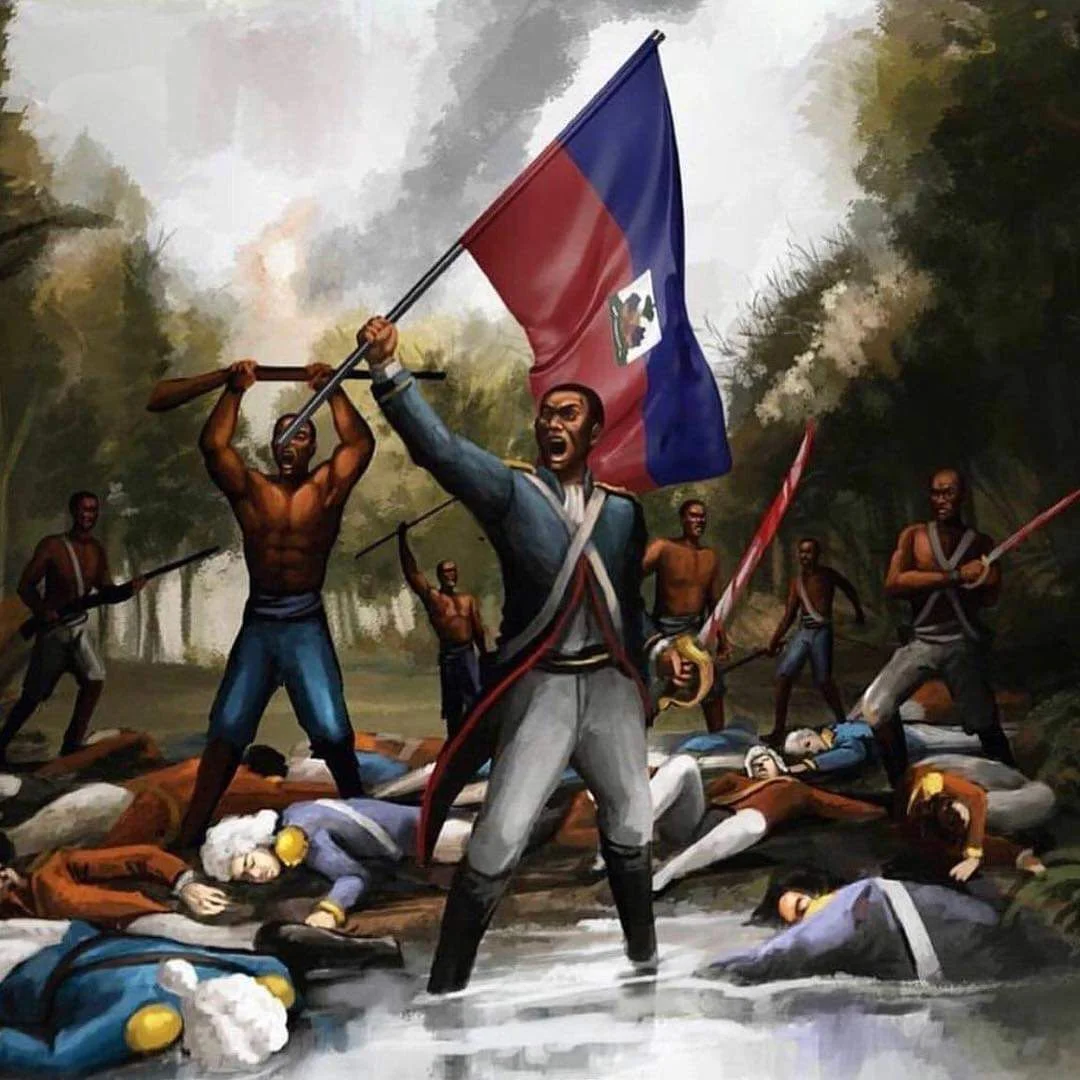
First black nation to free itself from slavery and gain independence from France in 1804 and influenced other liberation movements around the world, inspiring struggles for freedom and equality.

Natural beauty

Natural beauty

Haïti is blessed with spectacular natural landscapes, including white sand beaches, mountains and rich biodiversity.

Heritage

Heritage

Haïti has a rich historical heritage, including sites like the Citadelle Laferrière and the Sans-Souci Palace, listed as UNESCO World Heritage Sites.

Culture

Culture

Haïti has a rich and diverse culture, influenced by African, European and indigenous elements. Haitian music, dance, art and cuisine are celebrated around the world.

  • +
    • Post