contact@haitiwonderland.com+509 36184317

Discover

Shopping Cart

A Journey to the Heart of Pre-Columbian Heritage: A Look Back at the Arawak, Tainos, Ciboney Survival Event
  • News
  • December 11, 2024

A Journey to the Heart of Pre-Columbian Heritage: A Look Back at the Arawak, Tainos, Ciboney Survival Event

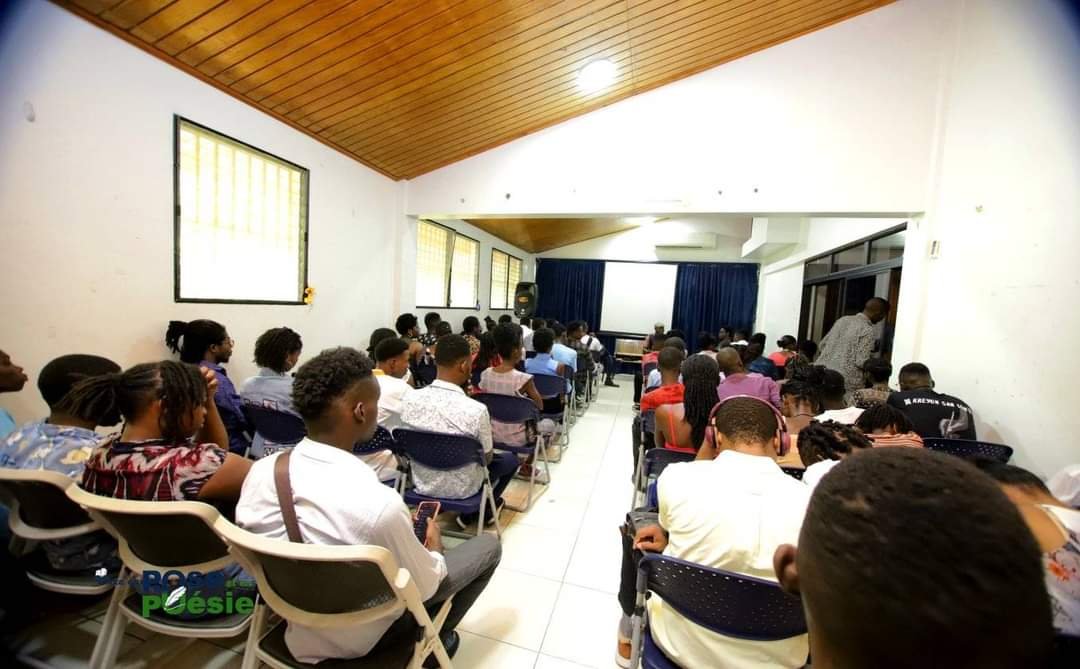
On December 5, 2024, the Emmanuel Charlemagne Municipal Cultural Center opened its doors for an unforgettable day dedicated to the history and memory of the pre-Columbian peoples of Haïti and the Caribbean. Entitled "Arawak, Tainos, Ciboney Survival", this cultural initiative brought together enthusiasts, researchers and the curious in an atmosphere rich in discoveries and emotions.

An Enlightening and Inspiring Conference

From 2:30 p.m. to 4:30 p.m., passionate experts and students captivated the audience by addressing various themes:
- The origins of the Arawaks, Tainos and Ciboneys.
- Their way of life, beliefs and social organization.
- The aftermath of colonization and the transmission of their heritage in contemporary societies.

Moderated by Clénèse César, the interventions of Steeve Antoine and Niensky M. Metelus were particularly praised for their depth and clarity.

See as well

A Lasting Impact

For Steeve Antoine, curator of the exhibition, the event marked a turning point:

This activity revealed the importance of preserving the memory of pre-Columbian peoples, while inspiring younger generations to get involved in the valorization of this heritage. These initiatives not only strengthen our national identity, but also our position as a cultural crossroads of the Caribbean.

A Promising Future for Collective Memory

The event "Survivance Arawak, Taïnos, Ciboney" paved the way for an essential cultural and educational movement. He recalled that the legacy of these peoples is not limited to artifacts or historical narratives, but continues to live through our practices, beliefs, and collective identity.

By celebrating this legacy, Haïti affirms its role as guardian of a precious memory, inviting the world to recognize the importance of pre-Columbian roots in the history of the Americas and beyond.

Share
About the Author
Appolon Guy Alain
Appolon Guy Alain
Appolon Guy Alain

Full Stack Developer, Créatif, expérimenté, passionné des nouvelles technologies et de l’art.

See other articles from Appolon Guy Alain
Leave a comment

Recently Posted

Guédés: When Haïti celebrates its ancestors with color and fervor

Every November 1st and 2nd, Haïti comes alive with the colors black and purple to celebrate the Guédés, spirits venerated in the voodoo religion, symbols of a powerful bond between the living and the dead. Fascinating, indomitable and provocative, the Guédés form a true family in the pantheon of Haitian voodoo, where they are respected for their role as spiritual guides of the deceased to the afterlife. Led by iconic figures such as the legendary Baron Samedi and his companion Grann Brigitte, the Guédés embody the paradoxes of life and death. Each Baron has a unique personality: Baron Cimetière, Baron Kriminel, and Baron La Croix are the guardians of the souls that wander on the borders of the world of the dead. Together, they form a powerful and somewhat frightening presence, but one that is deeply rooted in Haitian culture. The Guédés are not like other voodoo spirits; they demonstrate their fearlessness in a spectacular way. Accustomed to death, they are fearless and are provocative: they eat glass, raw peppers, and coat their sensitive parts with rum and pepper. These gestures mark their indifference to danger and remind us that they have already known earthly life. They are thus psychopomps – these beings who lead the souls of the dead – and act as bridges between the world of the living and that of the dead. Some Guédés, like Guédé Nibo, wear black, purple, and white clothing, each with unique characteristics. They are many and varied: Guédé Fouillé, Guédé Loraj, Papa Guédé, and many others. These are the spirits who, each year, remind Haitians of the importance of remembering and honoring the deceased. The cult of the Guédés is not only religious; it is also cultural and historical. According to tradition, their spiritual territory, or “Fètomè” – nicknamed the “Country without Hats” – is a place where the souls of ancestors reside. According to stories, the origins of this cult go back to the Abomey plateau, the ancient capital of the kingdom of Dahomey, in Africa, where death and life coexist in a form of symbiosis. This celebration in Haïti even finds echoes in ancient history. The Romans also honored their dead with the “Fête des Lémuria”, which took place in February, to ward off spirits and restore peace between the world of the living and that of the deceased. For Haitians, honoring the Guédés is about accepting death as a part of life and celebrating the invisible bonds that unite us with those who have left us. It is also a way of resisting, because life, despite its challenges, must be celebrated in all its complexity and depth.

Newsletter

Subscribe to our newsletter to stay informed of all our activities and news on Haiti.

Recently Posted

History

History

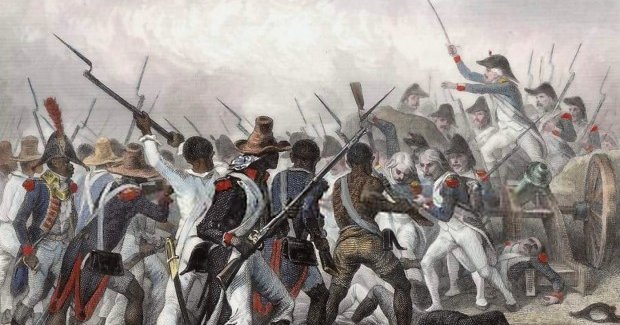
First black nation to free itself from slavery and gain independence from France in 1804 and influenced other liberation movements around the world, inspiring struggles for freedom and equality.

Natural beauty

Natural beauty

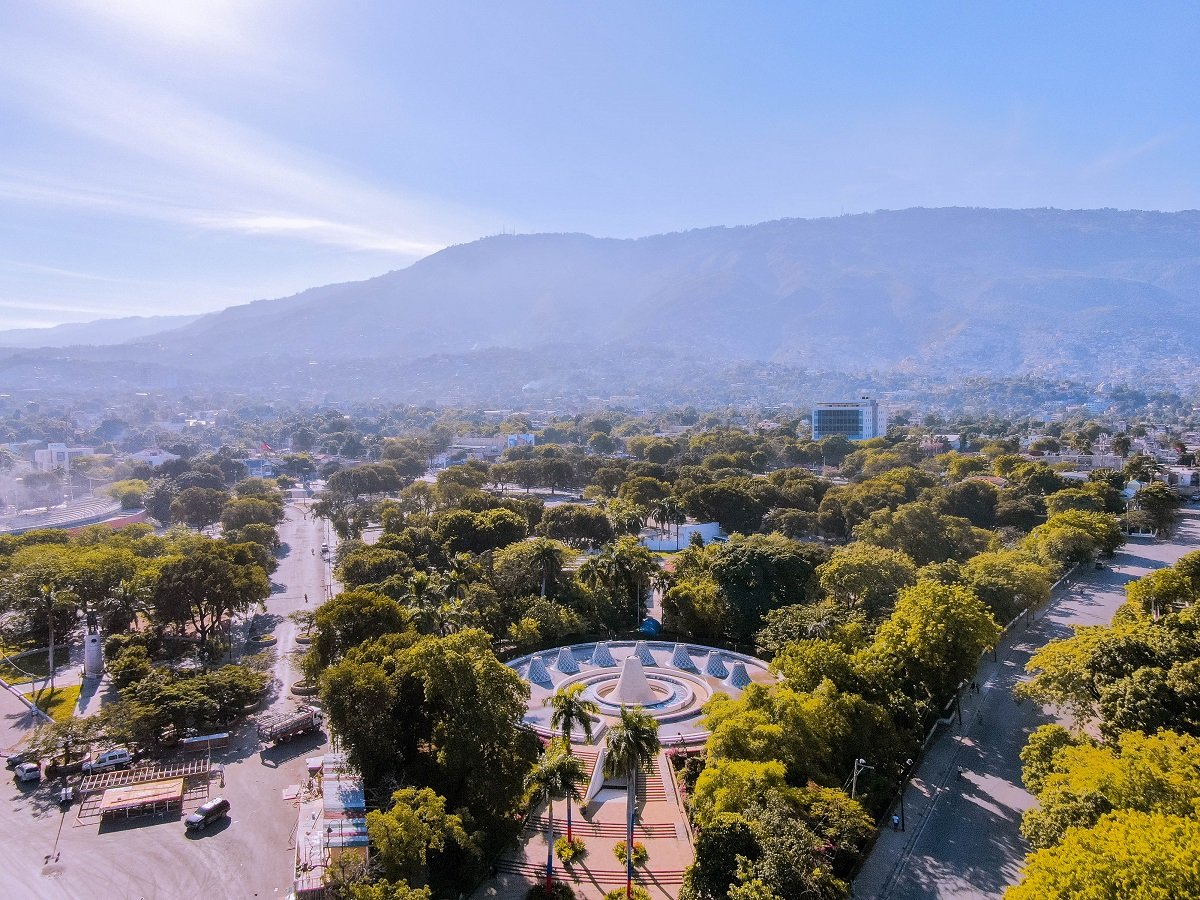
Haïti is blessed with spectacular natural landscapes, including white sand beaches, mountains and rich biodiversity.

Heritage

Heritage

Haïti has a rich historical heritage, including sites like the Citadelle Laferrière and the Sans-Souci Palace, listed as UNESCO World Heritage Sites.

Culture

Culture

Haïti has a rich and diverse culture, influenced by African, European and indigenous elements. Haitian music, dance, art and cuisine are celebrated around the world.

  • +
    • Post