contact@haitiwonderland.com+509 36184317

Discover

Shopping Cart

The Architects of Chaos
  • News
  • January 17, 2025

The Architects of Chaos

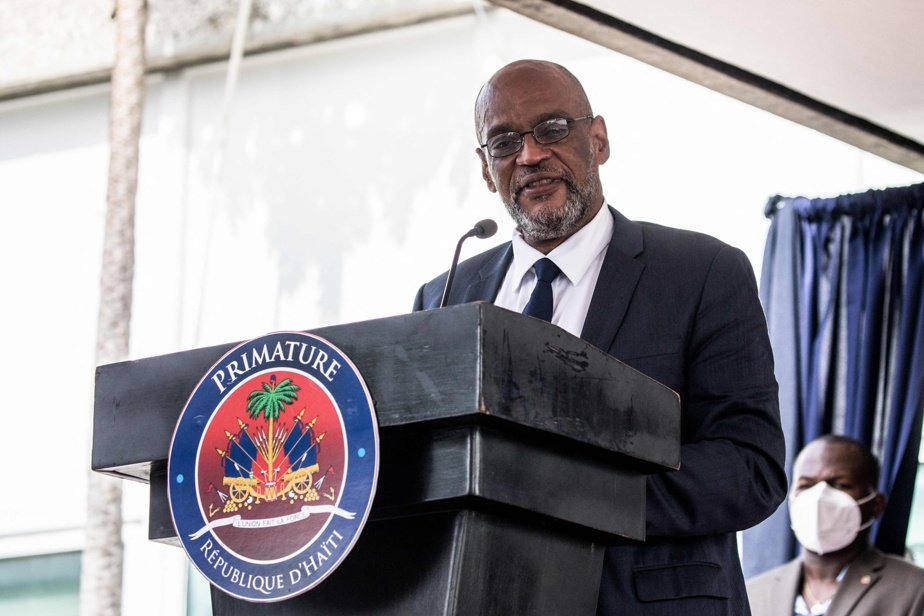
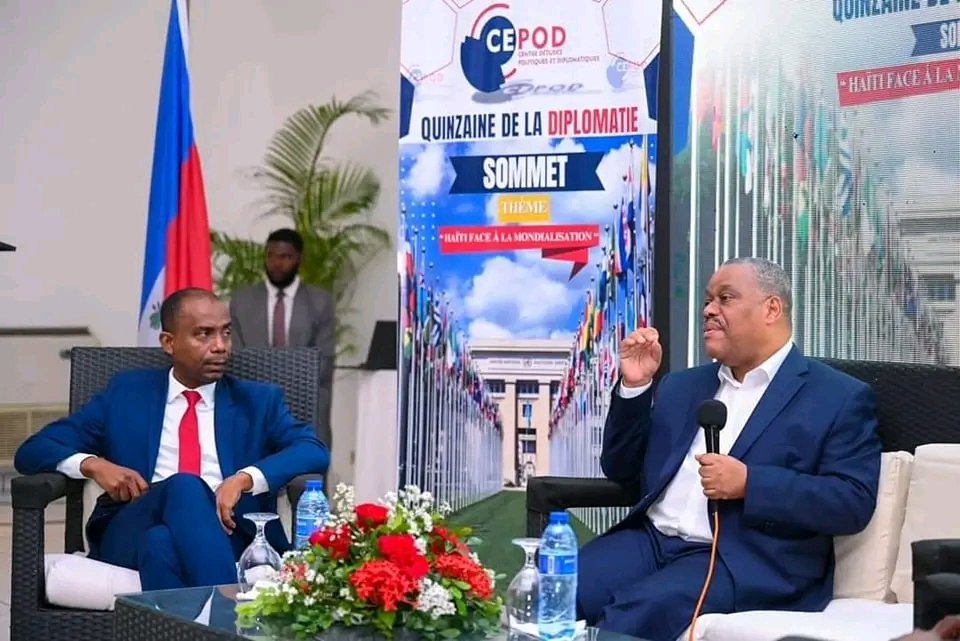
In Haiti, chaos is not a simple consequence of events, but a carefully crafted product of actors whose decisionsor lack thereofworsen the crisis every day. At the head of this orchestration of failures is the Presidential Transitional Council (CPT), led by architect Leslie Voltaire since October 2024. Presented as a temporary solution to get Haïti out of its impasse, the CPT quickly proved ineffective and incapable of responding to the country’s urgent challenges.

Read the article in :

French : Les architectes du chaos

Spanish : Los arquitectos del caos

Creole : Achitèk yo nan dezòd

Reference page : The Architects of Chaos

Other version : The Architects of Chaos

Chaotic Leadership

Created in April 2024, the CPT raised many hopes under the leadership of Edgar Leblanc Fils, Coordinator of the political party Organization of the People in Struggle (OPL). But these hopes were quickly extinguished. Internal divisions, poor governance, and corruption scandals have transformed this body into a caricature of administrative inefficiency. In less than a year, the CPT has become a symbol of impotence, unable to propose concrete solutions to the political crisis that has paralyzed Haïti since the fall of the Duvalier regime and which worsened after the assassination of President Jovenel Moïse in 2021. The fall of the Duvalier regime raised a lot of hope, but as Meudec states, “The liberating surge of 1986 was followed by a form of stagnation in the political transition process marked by the return of corruption and violence” (Meudec 2007, 47). Indeed, after approximately 39 years of “democratic governance,” the country is nothing but chaos and desolation.

The country has remained without elections since 2016, reinforcing the illegitimacy of the institutions. The economic and political elite contribute to this blockage by refusing the reforms necessary to establish a climate of trust and stability. Far from being victims, these elites take advantage of the ambient disorder to maintain their privileges.

See as well

A chaotic economy

The Haitian chaos is as much economic as political. According to the report of the Haitian Institute of Statistics and Informatics (IHSI), the Gross Domestic Product (GDP) contracted by 4.2% when comparing the last two fiscal years, going from 592.7 billion gourdes for the 2022-2023 fiscal year to 568.0 billion gourdes for the 2023-2024 fiscal year. According to the IHSI, this fall “constitutes the largest decline in the economy ever recorded since the 5.7% fall in GDP in 2009-2010, following the devastating earthquake of January 12 of the same year” (IHSI 2024, 4). The country ends 2024 with an inflation rate of 25.8% (IHSI 2024, 4). Daily survival has become a struggle for the majority of Haitians. Informal trade dominates the economy, accounting for nearly 80% of activities, while foreign investment is almost non-existent.

The Presidential Transitional Council, under the leadership of architect Leslie Voltaire, has shown no strategic vision to revive the economy. Economic plans are non-existent, and international funds often disappear into opaque circuits, further fueling systemic corruption. This corruption is not only the work of politicians. Indeed, economic and political elites, by controlling key sectors such as food and energy imports as well as internal security, participate in the perpetuation of poverty and dependency.

A chaotic security situation

Gang violence has become the main factor of instability in the country. These gangs dictate their laws, extort citizens, prevent access to essential services, and force thousands of people to flee their homes. According to the Haïti Expert Group, the number of displaced people in Haïti is estimated at more than 500,000 people by June 2024, an increase of nearly 60% compared to March 2024 (Haïti Expert Group 2024, 29).

We are also witnessing a process of transmission of violence to children. Recruited by force or lured by illusory promises of power and wealth, these children become both victims and instruments of violence. The Haïti Expert Group states that “the recruitment of children as young as 10 years old by gangs has increased considerably and children may now represent up to 50% of all gang members” (Haïti Expert Group 2024, 31). Lack of education, poverty and lack of prospects are the main drivers of this mass enrollment and contribute to the process of maintaining chaos.

A hypothetical future

Haitian youth, who represent more than 60% of the population, are both the main victims of this chaos and their greatest chance for recovery. However, political and economic actors ignore this potential, preferring to exploit this vital force for destructive purposes, as evidenced by the massive enrollment of young people in gangs.

However, with targeted investments in education, vocational training and entrepreneurship, these young people could become an essential lever for reconstruction. Local initiatives, supported by civil society and international partners, must aim to offer viable opportunities to these young people, in order to divert their energy from gangs and use it to build a more just and united society.

Build or destroy?

The chaos that Haïti is experiencing today is not the result of inevitability. It is the result of a chronic lack of leadership, systemic corruption and the complicity of elites who profit from the ambient disorder. The architects of chaos are not anonymous figures: they occupy positions of power and their decisions shape the country’s collapse every day.

To escape this spiral, a complete overhaul of institutions and a renewal of political and economic elites are essential. Haïti will only be able to recover with truly committed leaders, breaking with the dominant habitus, and a mobilized, committed and combative youth. The architects of chaos must give way to the builders of hope, because only a collective commitment, built on the ideal of freedom for all of the Fathers of the nation, will allow Haïti to regain its dignity and stability.

Citizen Ken

January 7, 2025

References

Meudec, Marie. 2007. Corps, violence et politique en Haïti. Sociological aspects.. Sociological aspects, 14, 1. ⟨hal-01636285⟩: 1-27. https://hal.science/hal-01636285v1 United Nations. 2024. Final report of the Group of Experts on Haiti

Ministry of Economy and Finance, Haitian Institute of Statistics and Informatics. 2024. Economic accounts in 2024

Share
About the Author
Haïti Wonderland
Haïti Wonderland
Leave a comment

Recently Posted

Haiti: Carnival and Rara: Crossed Perspectives on Culture and Haitian Identity

In our tradition, carnival represents an essential cultural activity. Indeed, for the holding of it this year, the State had drawn from the public treasury not only a huge sum but also a strong concentration of law enforcement to ensure the protection and security of carnival-goers in the area. metropolitan. Despite numerous criticisms and concerns expressed by certain media on the one hand, then on the other hand by the democratic opposition. While it is true that in Port au Prince these concerns had had a no less valuable consequence on the progress of this festivity. It is no less true that this was the case in other provincial towns, as proof in the southeast department the authorities did not record anything as an element of accident or incident during the progress of the carnival unlike Port au Prince. Certainly, socio/economic problems are increasingly worrying, nevertheless what makes us what we are today, a free and independent people is none other than our exceptionality. This deeply expresses our intrinsic characteristic in relation to people. In fact, historically we are a people who laugh and cry, smile and irritate, dance and hit the system, sing and fight so well that "grenadya alaso sa ki mouri zafè ya yo" is the most emblematic song of the slaves for the conquest of our freedom. We do not intend to claim that those who expressed their disagreement with the carnival are showing a historical deficit. However, we leave in the shadows a fundamental question: why is carnival taken care of by the State while the rara is like an abandoned child? The rara is not only a simple cultural tradition but, above all, it is the heritage of our valiant warriors who bravely fought the French expeditionary army, the most powerful of the time. While, this mass cultural, she is still marginalized by state authorities. It is emphasized that social cohesion is the dead point of carnival. On the other hand, this is the strong point of rara. As proof, the Thursday of the Dead in our Voudouesque tradition which represents the opening ceremony for the rara bands is the blatant testimony of this social cohesion. And, in fact, there were circles of people who took divergent directions to attend the opening ceremony of their rara bands. For this opening ceremony the atmosphere was a taste of carnival in terms of color. On the side of Croix Hilaire, for the title champion Ratyèfè full force band, the color of his club was very diverse, a long dress of apricot yellow, mauve white, then white scarf. In terms of performance, this band had completely proven its champion skills thanks to its arsenal of musicians who were not in their testing phase. To tell the truth, they performed their note with surgical precision as a doctor-surgeon in his surgical procedure. The synchronization between the musicians, the instruments and then the fans form a whole and harmonize perfectly well. This band not only has the magic of words and verbs, it seems that they also have the magic to thrill even the most reluctant fans. Moreover, his performance for this dead Thursday was a challenge for his rivals this weekend to the extent that their performances were less good. On the symbol side of light, Grap Kenèp was the wonder of the Thursday evening of the dead. His club dressed in the appropriate color for this evening, purple scarf, purple jersey, then white “kolan”. In a symbolic way, this marriage of color represents Baron in Haitian Vodou. Without a doubt, it was the most beautiful symbolic representation of the evening. In terms of performance, returning from the cemetery we felt a very strong warmth of jubilation, elation, and playfulness for a completely balanced performance. As far as Chenn Tamarin is concerned, it was already 2 a.m. when our team met him, it was a less good performance than what we were accustomed to. On the symbolic side it leaves something to be desired. His news was that he had his own media. Petit-Goave/Culture and Society

Newsletter

Subscribe to our newsletter to stay informed of all our activities and news on Haiti.

Haiti: Discovering Lake Péligre

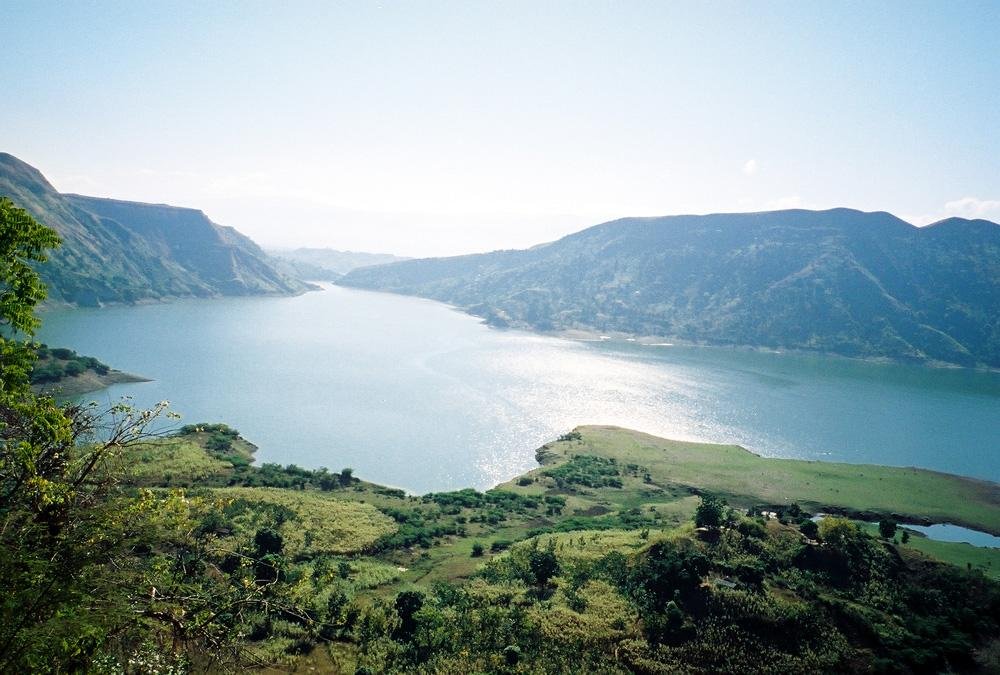
At the heart of the majestic Haitian topography, lies a natural gem of breathtaking beauty: Lake Péligre. Nestled in the mountains of Haiti’s central region, this artificial lake is a wonder for local residents and amazed visitors alike. From its historical creation to its contemporary ecological importance, let’s explore together the riches of Lake Péligre. Origin and History: Lac de Péligre is the result of an ambitious engineering project undertaken in the 1950s. At that time, the Haitian government, in collaboration with international partners, undertook the construction of the Péligre Dam on the Artibonite River. The main goal was to provide large-scale electricity to Haïti while regulating river flooding to protect agricultural land downstream. Ecology and Biodiversity: Beyond its usefulness as a source of hydraulic energy, Lake Péligre is home to rich ecological diversity. The calm waters of the lake provide vital habitat for a variety of native fish species, supporting local fishing communities. In addition, the surrounding forests and hills that border the lake are home to diverse flora and fauna, contributing to the preservation of the regional ecosystem. Tourism and Leisure: For outdoor enthusiasts and nature enthusiasts, Lake Péligre offers a multitude of leisure opportunities. Visitors can enjoy peaceful boat rides on the tranquil waters of the lake, offering panoramic views of the surrounding mountains. Additionally, hiking trails winding through lush forests allow hikers to explore the area’s natural beauty. Lake Péligre represents much more than a simple artificial body of water. It is a living testament to human ingenuity and the natural beauty of Haiti. As an emerging tourism destination, it offers visitors an immersive experience in nature, while highlighting the crucial importance of environmental conservation. By preserving this natural treasure, we also preserve the sustainable future of our planet.

Recently Posted

History

History

First black nation to free itself from slavery and gain independence from France in 1804 and influenced other liberation movements around the world, inspiring struggles for freedom and equality.

Natural beauty

Natural beauty

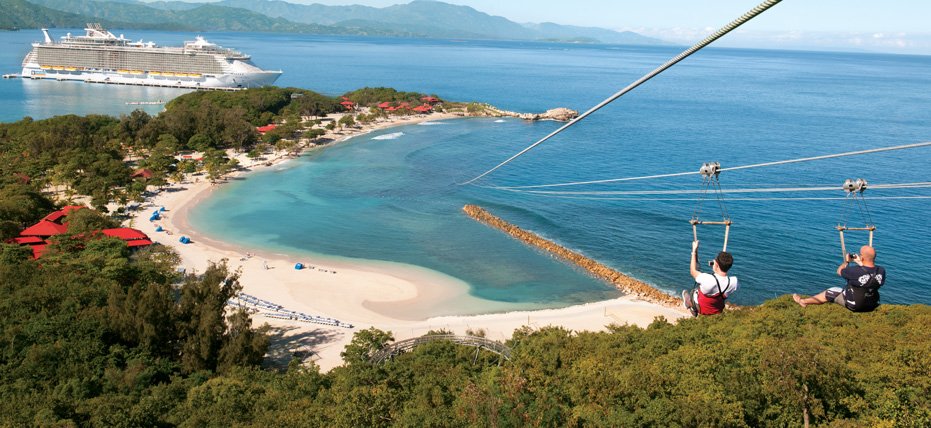
Haïti is blessed with spectacular natural landscapes, including white sand beaches, mountains and rich biodiversity.

Heritage

Heritage

Haïti has a rich historical heritage, including sites like the Citadelle Laferrière and the Sans-Souci Palace, listed as UNESCO World Heritage Sites.

Culture

Culture

Haïti has a rich and diverse culture, influenced by African, European and indigenous elements. Haitian music, dance, art and cuisine are celebrated around the world.

  • +
    • Post