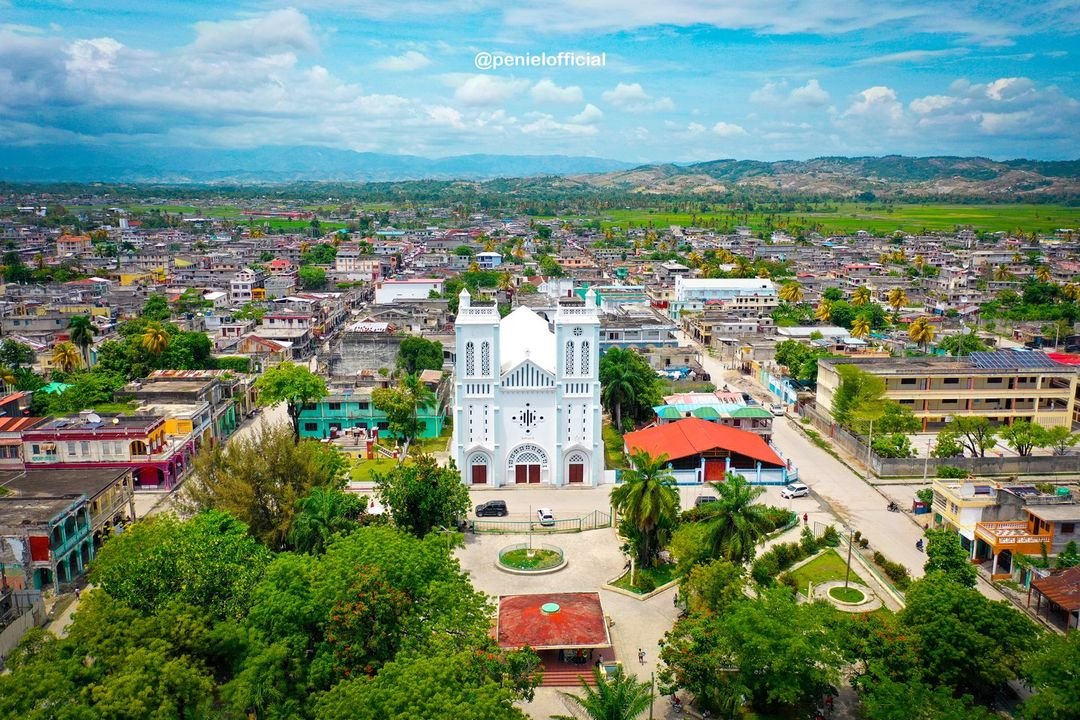
PAQÉMO, music in the Service of Education and Hope in Haiti
PAQÉMO, short for "Projet Artistique de Quartiers et Éducatif Musical en Orchestre" (Neighborhood Artistic and Educational Orchestral Music Project), is an ambitious initiative launched in 2022 by the Association Musicale et Éducative à Vocation Sociale (AMEVS), co-founded by Jéricho Pierre-Noël and Cecilia Madolena Clénard, Haitian students at Sorbonne University. Today, the project includes other names such as Sargine Any Melissa Bernard, Mohamed Etamine, Ege Tarik Eken, Youssef Naccache, and Sohann List Massaregli, all Sorbonne students dedicated to promoting access to musical education in Haitiparticularly classical musicas a tool for holistic development. The goal of PAQÉMO’s founders is to use music as a means of education, inclusion, and social transformation, integrated alongside the traditional Haitian school curriculum.
One of the most remarkable aspects of PAQÉMO is that it’s freeespecially meaningful in the economically struggling rural areas of Haiti. This project offers free musical education to children and teenagers aged 6 to 18 in remote areas such as Belladère. They learn to play musical instruments (violin, cello, flute), read music, and perform in orchestras. PAQÉMO also plans concerts to promote their talents. The most talented students may have opportunities to collaborate with orchestras in France, such as COSU and Orchestre à l’École. This proves that the project goes far beyond simple music trainingit’s a chance to build self-confidence, discipline, and global exposure for Haitian youth.
Partner schools, including the Laïcat Music School, Maranatha Mixed School, and Lycée Charlemagne Péralte, open their doors to PAQÉMO for music learning sessions. Children, often exposed to unstable environments, find in music a space for safety, creativity, and dreams. By fostering personal and collective development, PAQÉMO actively contributes to the social rebuilding of Haitian communities.
PAQÉMO is supported by both international and Haitian institutions. Organizations such as Sorbonne University, Université Quisqueya, Paris 8 University, Chanson d’Haïti, and Woodbrass Music Instruments, along with French music schools like CAICAT, JIDO, and CADENCE, endorse the project. In 2024, PAQÉMO was awarded the Grand Prize for Access to Culture by the Charles Defforey Foundation (Institut de France), along with €100,000 in funding. This recognition reinforces the project’s legitimacy and supports its expansion: by June 2025, PAQÉMO aims to reach over 2,000 children across 20 sites nationwide.
Haïti is known as a land rich in talent and cultural diversity. PAQÉMO represents a source of hope for the development of thousands of children and is a powerful example of how the Haitian diaspora can positively contribute to Haiti’s growth.
First black nation to free itself from slavery and gain independence from France in 1804 and influenced other liberation movements around the world, inspiring struggles for freedom and equality.
Natural beauty
Haïti is blessed with spectacular natural landscapes, including white sand beaches, mountains and rich biodiversity.
Heritage
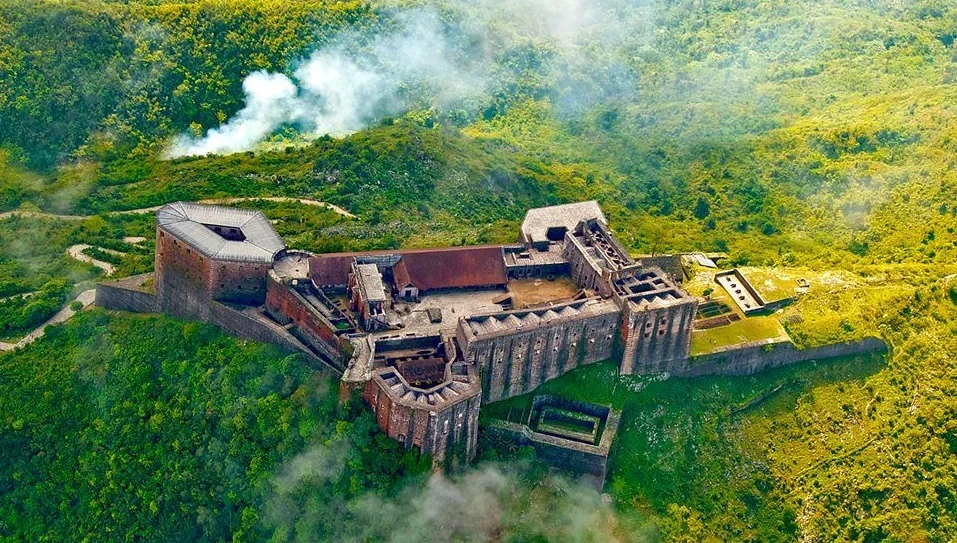
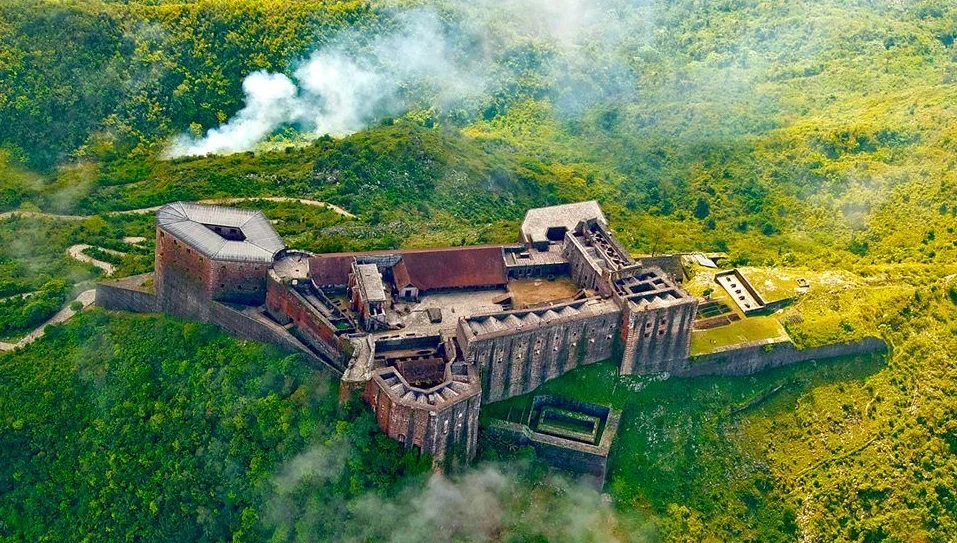
Haïti has a rich historical heritage, including sites like the Citadelle Laferrière and the Sans-Souci Palace, listed as UNESCO World Heritage Sites.
Culture
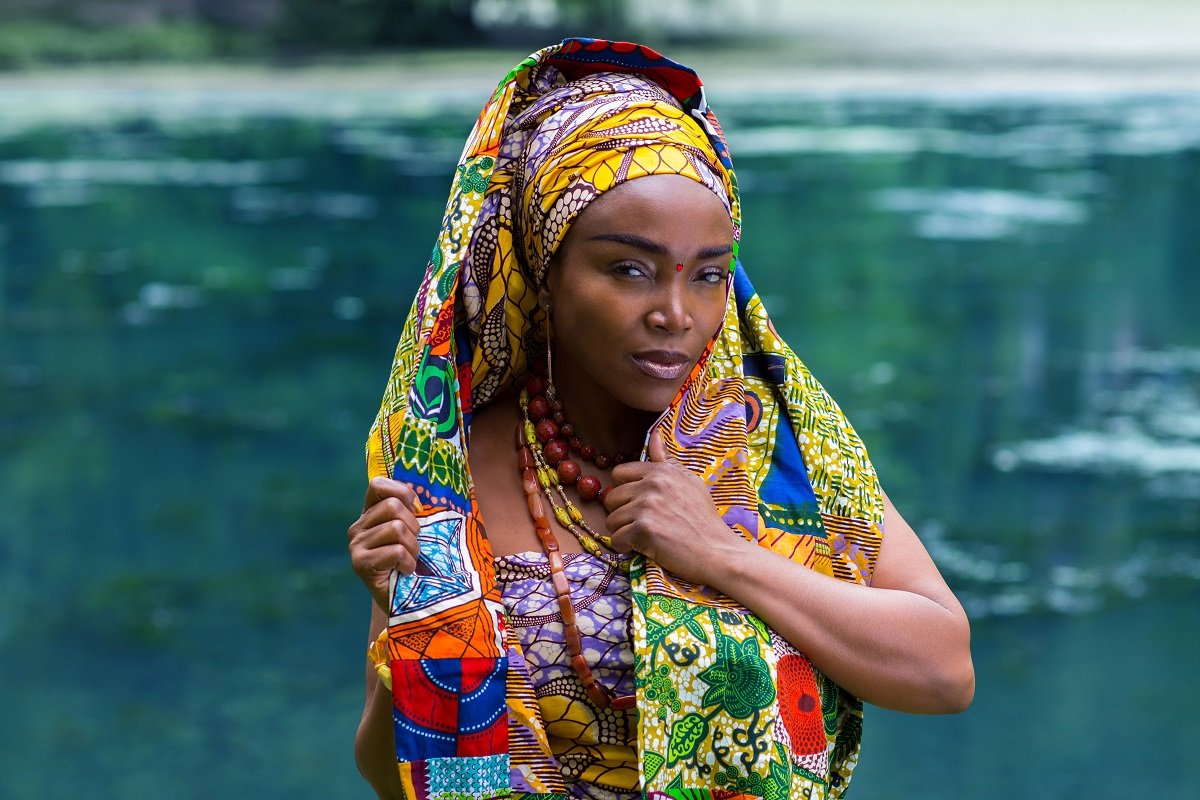
Haïti has a rich and diverse culture, influenced by African, European and indigenous elements. Haitian music, dance, art and cuisine are celebrated around the world.