Haiti: Between Contrasting Geography and Natural Wealth
On January 1, 1804, Haïti became free after a fierce struggle against colonization and slavery. Located in the Caribbean region, it occupies the western third of the island of Hispaniola, which it shares with the Dominican Republic. With an area of 27,750 km², it is bordered to the north by the Atlantic Ocean, to the south and west by the Caribbean Sea and to the east by a land border of 376 kilometers with its eastern neighbor. This geographical location, rich in contrasts, shapes not only its identity, but also the economic and environmental challenges that the country must face.
Haïti is dominated by mountainous landscapes covering approximately 75% of its territory. These mountains, including the Massif du Nord, Massif de la Hotte and Massif de la Selle, define the country’s topography. The Pic la Selle, culminating at 2,680 meters, offers a spectacular view of the surroundings. This rugged terrain gives Haïti an unparalleled natural beauty, but it also poses challenges for infrastructure and travel, often hampering the economic development of certain regions.
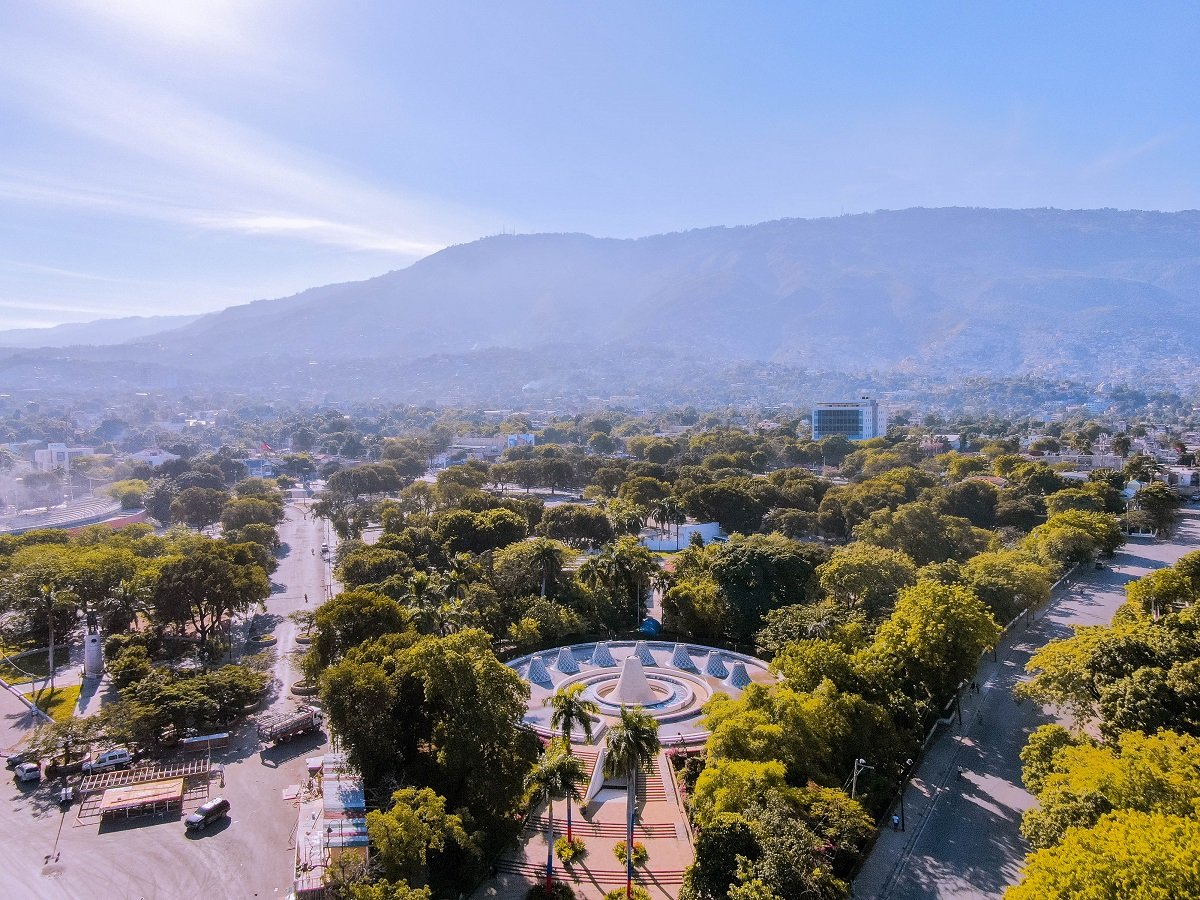
Despite this predominance of mountains, the country has fertile plains and valleys, essential to its economy. The Artibonite Plain, for example, is the heart of rice production while the Cul-de-Sac Valley, where Port-au-Prince is located, plays a strategic role for agriculture and urbanization. These spaces, in contrast to the mountains, allow for various economic activities while providing suitable land for human settlement.
In addition, this varied relief is at the origin of Haiti’s ecological wealth. Forests, rivers and wetlands are home to unique but fragile ecosystems. These environments support exceptional biodiversity while contributing to climate regulation. However, human pressures, particularly deforestation and urbanization, are endangering these natural treasures, highlighting the urgency of sustainable management of the territory.
Haïti enjoys a tropical climate, with two main seasons: a wet season from May to October and a dry season from November to April. Average temperatures vary between 25 °C and 30 °C in the plains while the mountains benefit from a cooler climate sometimes below 20 °C.
While this climate favors agriculture, allowing the cultivation of products such as coffee, sugar cane and tropical fruits, it also exposes the country to major risks. During the wet season, cyclones and tropical storms regularly hit the island, causing flooding, landslides and massive destruction of infrastructure. These natural disasters worsen the already precarious living conditions of the populations and pose significant challenges in terms of prevention and reconstruction.
Haïti is a true biodiversity sanctuary with many endemic species populating its mountain ranges such as La Hotte and La Selle. Rare amphibians, unique birds and a rich flora testify to the ecological potential of the country. These ecosystems, in addition to their intrinsic value, offer opportunities for ecotourism and scientific research. However, its biodiversity is seriously threatened. Massive deforestation motivated by charcoal production and agricultural expansion is leading to habitat loss. As a result, soil erosion and flooding are intensifying, affecting the environment and local communities.
Faced with these challenges, Haïti is multiplying conservation initiatives. La Visite National Park and Macaya National Park are among the protected areas established to preserve endangered species. While these efforts are promising, they require increased commitment in terms of funding, awareness and community participation.
Haiti’s geography, made up of imposing mountains, fertile plains, and seductive coasts, is a mix of challenges and promises. These landscapes, while offering potential for tourism, agriculture, and ecological preservation, also serve as a reminder of the country’s vulnerabilities to climate change and human pressures.
Beyond its geographical contrasts and environmental challenges, Haïti carries within it an unsuspected strength: that of its people. Every mountain climbed, every cultivated plain, and every protected forest testifies to a will to overcome adversity. If nature shapes the landscape, it is the spirit of Haitians that will shape the future. Here, every difficulty is a promise of rebirth and every fragment of land tells a story of hope and resilience.
First black nation to free itself from slavery and gain independence from France in 1804 and influenced other liberation movements around the world, inspiring struggles for freedom and equality.
Natural beauty
Haïti is blessed with spectacular natural landscapes, including white sand beaches, mountains and rich biodiversity.
Heritage
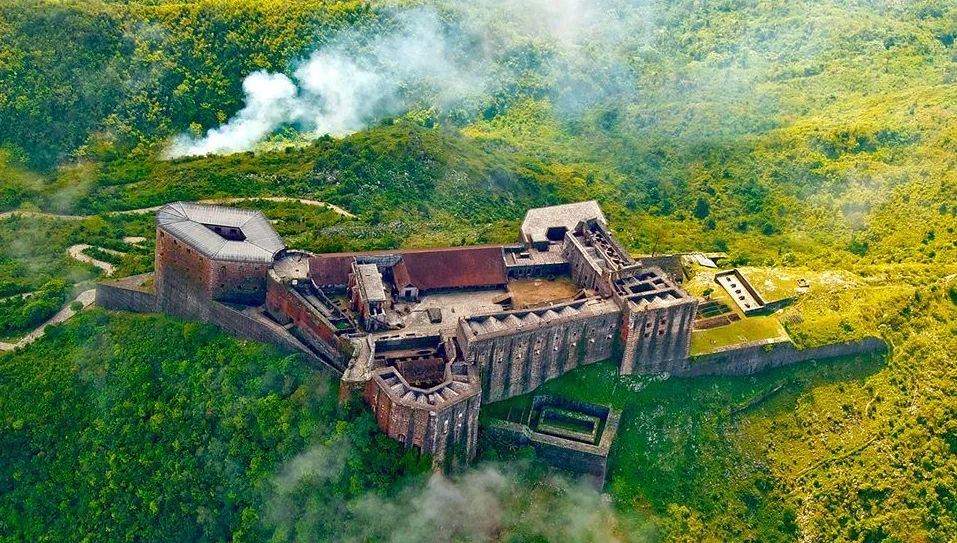
Haïti has a rich historical heritage, including sites like the Citadelle Laferrière and the Sans-Souci Palace, listed as UNESCO World Heritage Sites.
Culture
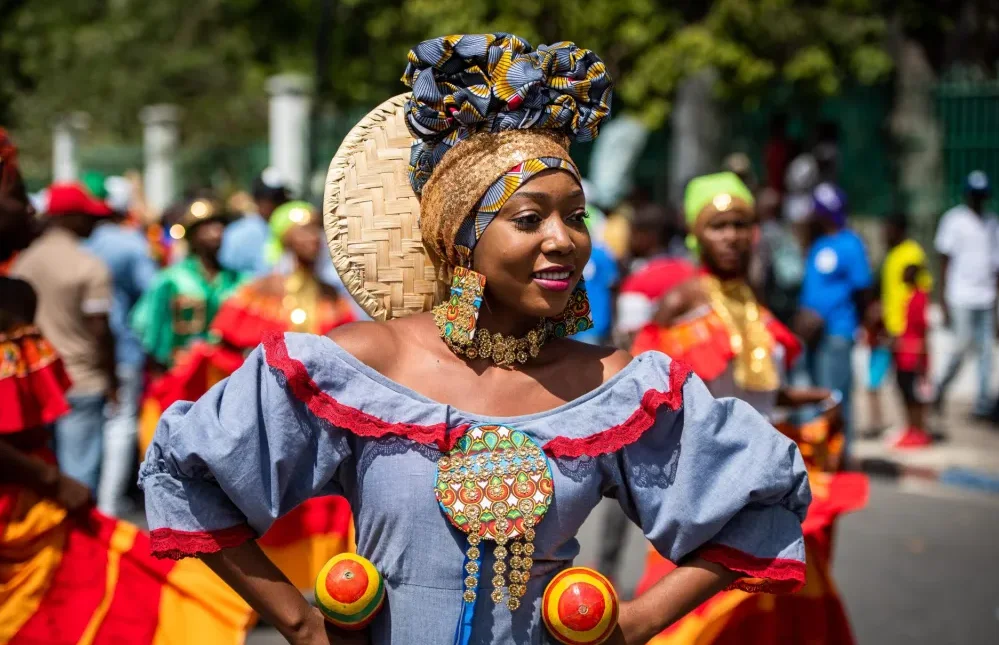
Haïti has a rich and diverse culture, influenced by African, European and indigenous elements. Haitian music, dance, art and cuisine are celebrated around the world.



























Bon travail
December 12, 2024 - 01:02:37 PM