contact@haitiwonderland.com+509 36184317

Discover

Shopping Cart

7 Heavenly Places in Haïti to Visit Absolutely in 2025

7 Heavenly Places in Haïti to Visit Absolutely in 2025

Haiti, often called the "Pearl of the Antilles", is a hidden treasure of the Caribbean, full of breathtaking natural and historical sites. If you are planning a trip in 2025, here are seven heavenly places that are sure to amaze you. Prepare yourself to explore fascinating landscapes, discover a rich heritage and enjoy the warm welcome of the Haitians.

Haïti
Haïti
Haïti

Bassin-Bleu: An Escape to a Hidden Paradise

Located near Jacmel, Bassin-Bleu is a group of natural pools connected by waterfalls. Surrounded by lush vegetation, this magical place offers an unforgettable swimming experience in crystal clear turquoise waters. Bassin-Bleu is a popular destination for those seeking tranquility and connection with nature. The site is ideal for adventure lovers, accessible after a short hike that adds to the excitement of the visit.

Haïti
Haïti
Haïti

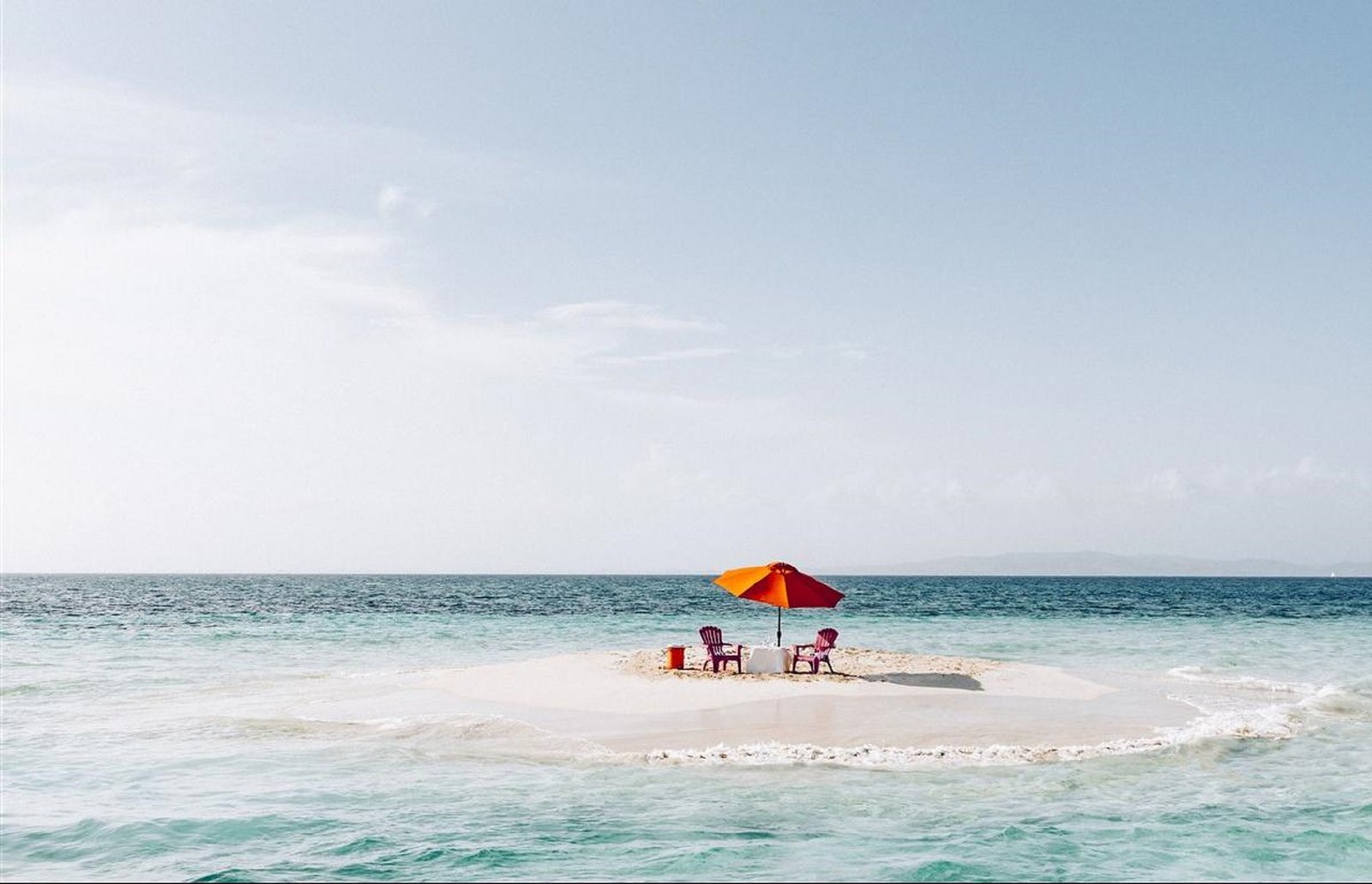
Île à Rat: A beach worthy of postcards

Île à Rat, a small island located off the northern coast of Haiti, is a true pearl of the Caribbean. With its pristine white sand beaches and bright blue waters, it offers a perfect getaway for lovers of the sea. Île à Rat is also a favorite spot for divers and snorkelers, thanks to its coral reefs rich in biodiversity. It is a place where time seems to stand still, giving way to absolute serenity.

Haïti
Haïti
Haïti

Jardin Botanique des Cayes: An oasis of biodiversity

The Jardin Botanique des Cayes, located in the south of Haiti, is a must-see destination for nature and biodiversity enthusiasts. This garden is dedicated to the preservation of endemic plants and is a place of learning for visitors. Stroll through its lush green paths, admire rare species and learn about the importance of ecological conservation in Haiti. The Botanical Garden is also a great place for a family picnic or an educational getaway.

Haïti
Haïti
Haïti

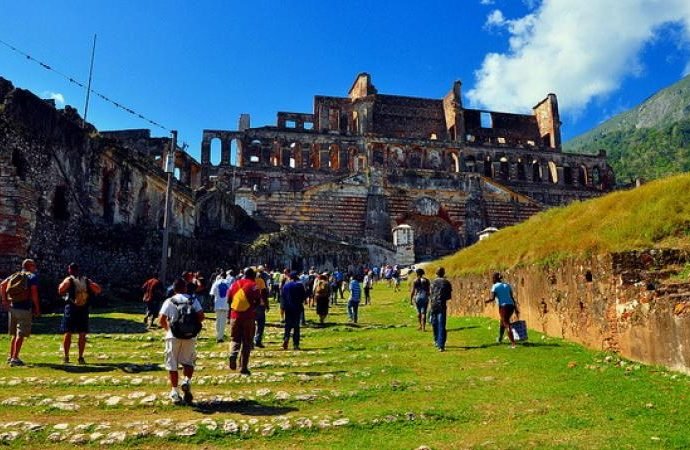
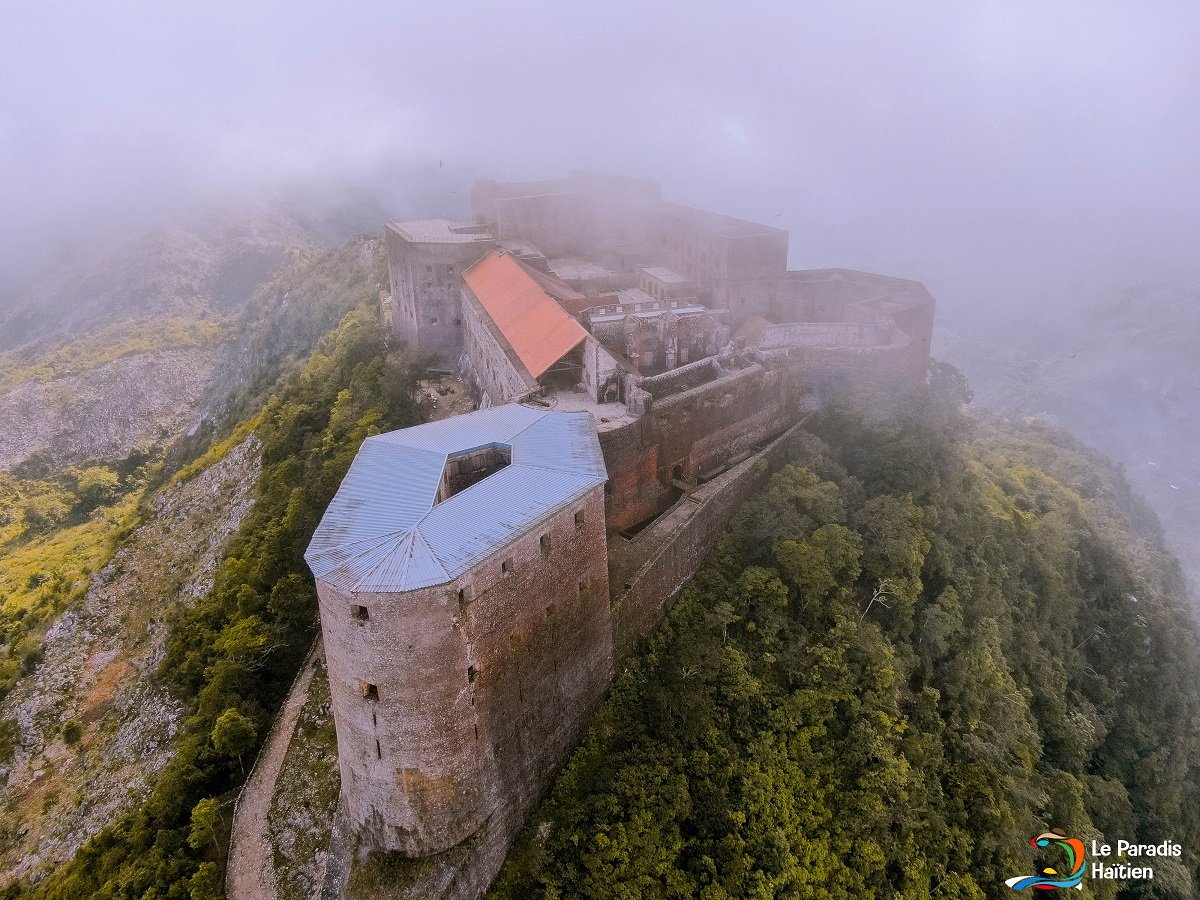
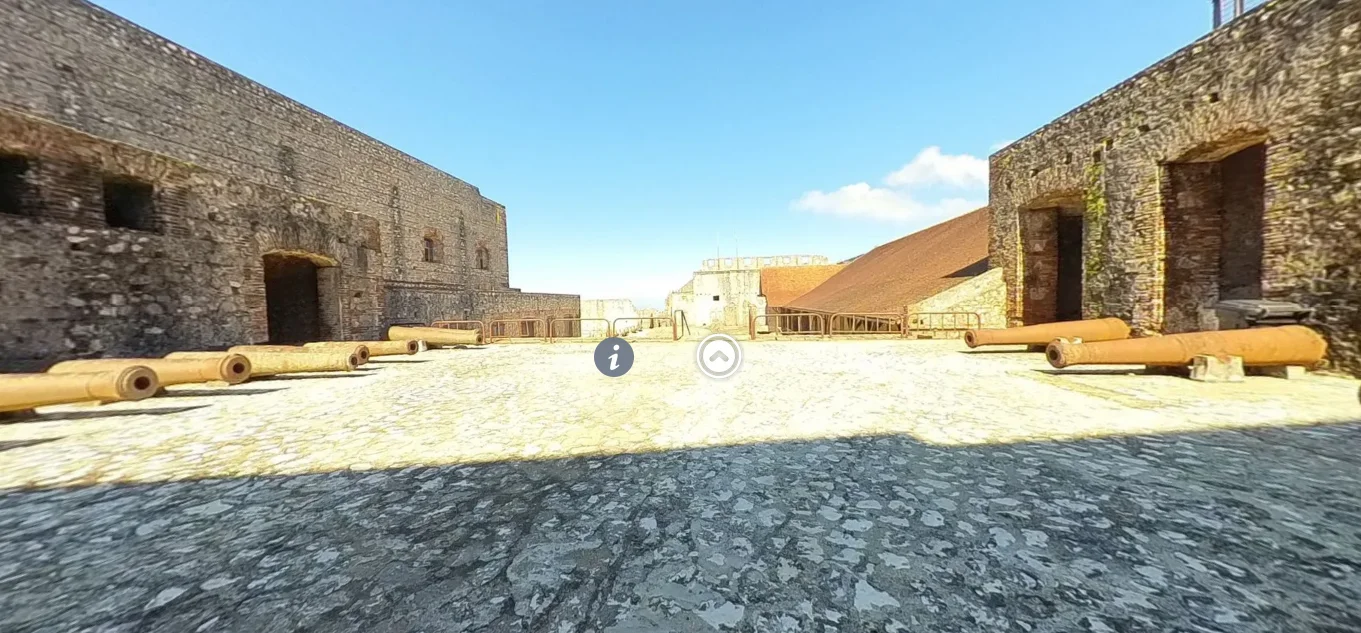
Citadelle Laferrière: An Architectural and Historical Marvel

A UNESCO World Heritage Site, the Citadelle Laferrière is a masterpiece of Haitian architectural genius. Perched on a mountain in the north of the country, this imposing fortress is a symbol of freedom, built in the early 19th century to protect Haïti from possible invasions. The Citadelle not only offers a fascinating insight into Haitian history, but also a breathtaking panoramic view of the surrounding area. A visit to this iconic site is a true journey into the past.

Haïti
Haïti
Haïti

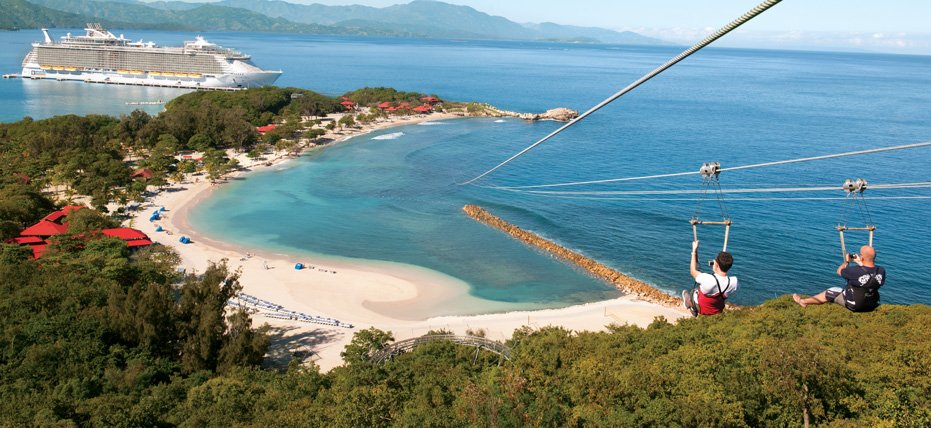
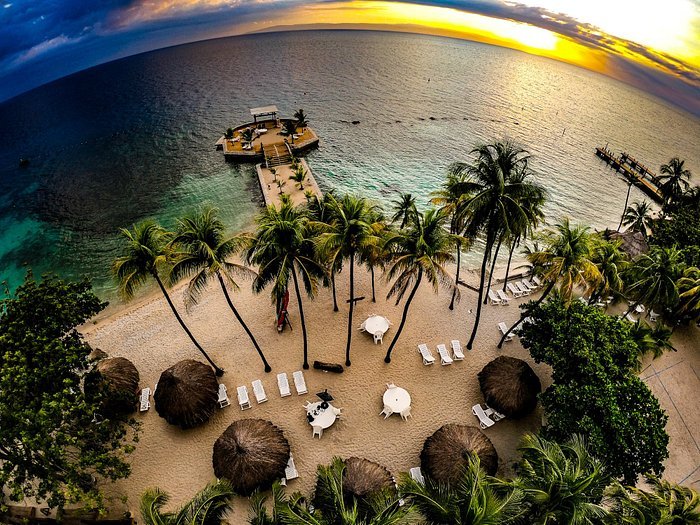
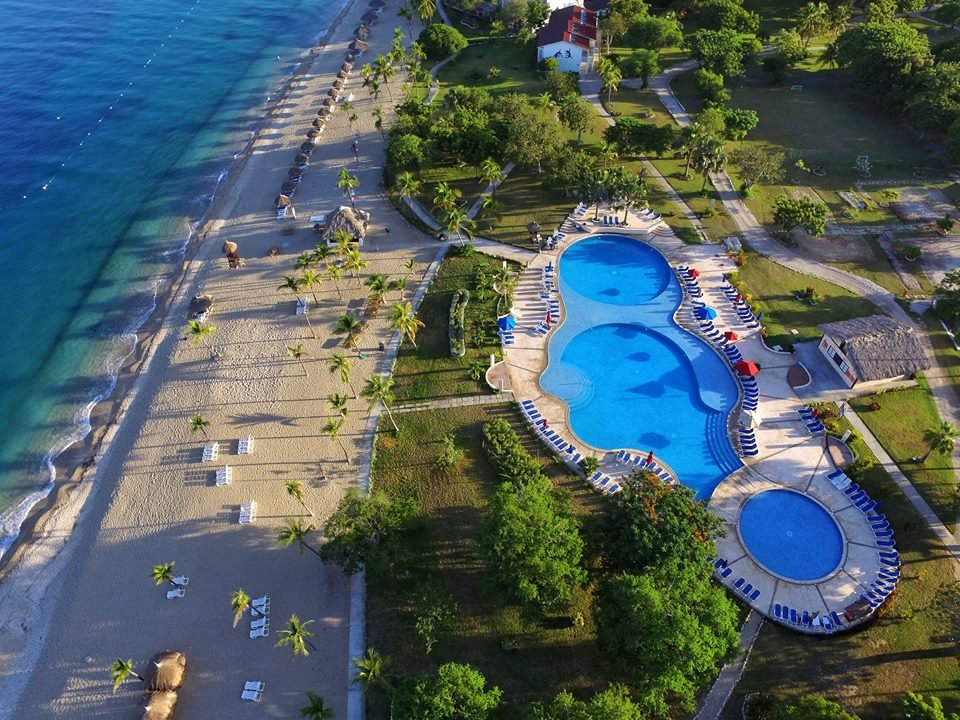
Labadie: An Idyllic Stopover for Sea Lovers

Labadie, located on Haiti’s northern coast, is a popular seaside destination for its dream beaches and world-class facilities. This private site is perfect for water sports enthusiasts, such as kayaking, scuba diving and boat trips. With its coconut-lined beaches and calm waters, Labadie is also an ideal place to relax in the sun. Visitors can also explore local markets and shop for unique Haitian handicrafts.

Haïti
Haïti
Haïti

Grotte Marie-Jeanne: A Fascinating Underground Adventure

Grotte Marie-Jeanne, located in Port-à-Piment, is the largest cave in Haïti and one of the most impressive in the Caribbean. With its 56 corridors and spectacular rock formations, it offers an unforgettable experience for caving enthusiasts. A guided tour of the cave allows you to explore its mysterious corners while discovering its unique geological history. This site is a testament to Haiti’s natural and cultural wealth.

Haïti
Haïti
Haïti

Saut-Mathurine: A grandiose waterfall in the heart of nature

Nestled in the southern mountains, Saut-Mathurine is the largest waterfall in Haiti. Fed by the Cavaillon River, this impressive waterfall offers a stunning natural spectacle. Visitors can bathe in its refreshing waters or simply admire the beauty of this exceptional site. Saut-Mathurine is also surrounded by lush vegetation, making it a perfect place for nature lovers and photographers.

Haïti
Haïti
Haïti

Haïti in 2025: A destination not to be missed

With its varied landscapes, rich cultural heritage and warm inhabitants, Haïti is a unique destination that deserves to be discovered. These seven heavenly places are just a glimpse of the treasures this country has to offer. So, in 2025, let yourself be seduced by the magic of Haïti and prepare yourself for an unforgettable experience.

And you, do you know other places in Haïti that are worth a visit? Share them in the comments and share the beauty of this country with the rest of the world.

Share
About the Author
Appolon Guy Alain
Appolon Guy Alain
Appolon Guy Alain

Full Stack Developer, Créatif, expérimenté, passionné des nouvelles technologies et de l’art.

See other articles from Appolon Guy Alain
Leave a comment

Recently Posted

Haiti: The History of the World’s First Free Black Nation

Haiti, the pearl of the Antilles, is a Caribbean island with a rich and complex history. However, its special status as the world’s first free black nation gives it a unique place in the annals of history. This small island was the scene of an extraordinary revolution which resulted in independence, thus marking the beginning of a new era for the black community and the abolition of slavery. Let’s delve into the captivating story of the birth of the first black republic, Haiti. b~The colonial era and slavery~b Haiti’s history dates back to the arrival of Europeans in the 15th century, when Christopher Columbus discovered the island. European settlers, mainly Spanish and French, introduced slavery to exploit the island’s resources, including sugar, coffee and cotton. The indigenous Native American population was decimated, paving the way for the massive importation of African slaves. b~The Haitian Revolution~b On August 14, 1791, Haitian slaves rose up against their oppressors, sparking the Haitian Revolution. Under the leadership of iconic figures such as Toussaint Louverture, Jean-Jacques Dessalines and Henri Christophe, the insurgent slaves inflicted defeats on European armies, demonstrating fierce resistance and a desperate quest for freedom. b~The Declaration of Independence and the creation of the Republic of Haiti~b On January 1, 1804, Haïti proclaimed its independence, becoming the world’s first free black nation. This historic declaration symbolized the end of slavery and the triumph of the will of a people determined to live free. The Republic of Haïti was born in struggle and blood, asserting its autonomy in the face of the colonial powers. b~Post-independence challenges~b However, independence did not mean the end of challenges for Haiti. The country had to face external pressure, reparations imposed by France in exchange for recognition of its independence, as well as internal unrest. Despite these obstacles, Haïti strove to build a free and sovereign nation. The story of Haïti is that of a nation that overcame countless challenges to emerge as a pioneer of freedom for the black population. The Haitian Revolution remains a unique example of resistance, courage and determination, and Haïti continues to carry the torch of independence in the contemporary world. The legacy of this small Caribbean island still resonates today, reminding the world that freedom is a universal right that can be won even in the most difficult circumstances.

Newsletter

Subscribe to our newsletter to stay informed of all our activities and news on Haiti.

Vertières, Fort Mazi: Beyond historical truth;

If you look up the word vertière in a French dictionary, you will not find it for fear that the world does not know this place represents the Achilles heels of the most powerful European army. What’s more, this one had just successfully won the eastern campaign. French historians of the time erased this geographical location from the radar of history because they did not want to tell the story as it is in the sense of explaining the first great humiliation of the expeditionary army French by bands of slaves who were totally ignorant in the art of waging war, much less in the handling of weapons. However, these illiterate wars routed the Napoleonic army, the most powerful at that time, using the means at hand. This expeditionary army, after having brought Europe to its knees, would experience its first rout by slaves in this geographical location, located in the Northern department of Haiti. Funny story, this city is not on the list of French words even though given its historical importance, it should be at the heart of universal history, far from putting an end to the invincibility of the undefeated army army. So as not to offend the white masters, no political leader has ever asked why vertière does not appear in any French dictionary? However, they celebrate this battle with great fanfare every November 18. What historic hypocrisy among our leaders! After Vertière many other historical places are strangled by historians in order to hide the extremes of atrocities of the French colonists on the slaves. It is in this context of historical strangulation that “Fort Mazi” is not mentioned in school history textbooks. This is located in Petit-Goave, 2nd municipal section, Arnoux locality. We came across this mega fort, during a mobile clinic entirely financed by the Ernest Junior foundation, a charitable foundation which works in the social sector, particularly in the field of art and music. According to residents , the oldest in this locality, this fort was built on at least 20 squares of earth by the settlers. It was a huge military complex divided into compartments, outposts, turtle rooms, rooms for treating colonists, a large Catholic church, and a cemetery. However, we never talk about this fort so much so that it is ignored by history teachers in the town of Petit-Goave. Certainly, the desired disappearance of this fort under the radar of history buries the atrocities, the barbarities, the most inhumane punishments of the colonists on the slaves. Looking closely at reality, everything seems true that it is the largest fort ever built during the period of colonization. Moreover, it probably seems the most fortified in relation to its importance. Remember that Vertière only exists in Haitian school history textbooks while Fort Mazi does not appear, much less in French dictionaries or history books. This explains why this fort was a secret place in which the settlers practiced crimes and atrocities that went beyond human understanding. Is it not a clear desire of historians to hide what this immense fort built on at least 20 tiles of earth really was? Discover the history of Haiti: A fascinating story to explore! : https://haitiwonderland.com/haiti/histoire/decouvrez-l-histoire-d-haiti--un-recit-fascinant-a-explorer/81

Haiti: The Rara season in Petit-Goâve: A celebration of life, unity and resilience

As the new season of Rara looms on the horizon, certain groups such as Saint Jacques Majeur, Ratyèfè, Florida Band, Lambi Grand, and Grap Kenèp are already preparing to light up the streets of Petit-Goâve with their flamboyant costumes and their captivating melodies. For these groups, the future looks bright, promising a season full of passion and success. However, other rara bands are still hesitant about which direction to take. Despite these uncertainties, optimism reigns regarding the success of this new season for all rara groups in the commune of Petit-Goâve. Rara, anchored in the Vodou tradition, is much more than a simple artistic manifestation. It embodies the very essence of Haitian culture, highlighting questions of memory, tradition and identity. This increasingly popular form of artistic expression attracts a large audience and arouses unprecedented enthusiasm. Groups like Ratyèfè, Grap Kenèp, Florida Band and Chenn Tamaren, recognized for their ability to delight their fans, play a crucial role in the continued growth of rara in the town. The rara season traditionally begins on Dead Thursday and ends on the night of Easter Sunday or quasimodo Monday. To mark the beginning of this sacred period, groups organize opening ceremonies, honoring the spirits of the deceased in rituals steeped in spirituality. These ceremonies, often held in cemeteries or in the "Bitasyons" of groups, symbolize the deep link between the rara and Vodou traditions.

Haiti: Fort Liberté, a Historical and Cultural Jewel

Nestled on the northeast coast of Haiti, between the green mountains and the azure waters of the Atlantic Ocean, lies a small town with undeniable charm: Fort Liberté. This historical and cultural gem is full of fascinating stories, picturesque landscapes and cultural richness that captivate visitors from around the world. A Historical Heritage Fort Liberté owes its name to the old fortress which overlooks the city, a vestige of the French colonial era. Built in the 18th century to protect the region from foreign invasions, this fort offers stunning panoramic views of the surrounding area, testifying to its strategic importance at the time. Today, it serves as a major tourist attraction, offering visitors a captivating insight into Haiti’s turbulent history. Culture and Traditions The cultural richness of Fort Liberté is reflected in its vibrant traditions, captivating music and local crafts. The city’s residents are renowned for their warm hospitality and pride in their heritage. Visitors can immerse themselves in the local culture by experiencing authentic Creole cuisine, watching traditional dance performances, or exploring bustling markets where a variety of handmade crafts can be found, such as wood carvings and vivid paintings. Natural beauty The surroundings of Fort Liberté are full of breathtaking natural treasures. The white sand beaches lined with palm trees offer an idyllic setting to relax and soak up the tropical sun. Outdoor enthusiasts will also find what they are looking for in the surrounding mountains, where they can hike through lush nature and discover hidden waterfalls and breathtaking panoramas. Fort Liberté, with its captivating blend of history, culture and nature, is a must-visit destination for those wishing to experience the true essence of Haiti. Whether you explore the historical remains, immerse yourself in the daily lives of the locals or marvel at the natural beauty of the surrounding area, this small town offers an enriching and memorable experience for all those who have the chance to visit it.

Recently Posted

History

History

First black nation to free itself from slavery and gain independence from France in 1804 and influenced other liberation movements around the world, inspiring struggles for freedom and equality.

Natural beauty

Natural beauty

Haïti is blessed with spectacular natural landscapes, including white sand beaches, mountains and rich biodiversity.

Heritage

Heritage

Haïti has a rich historical heritage, including sites like the Citadelle Laferrière and the Sans-Souci Palace, listed as UNESCO World Heritage Sites.

Culture

Culture

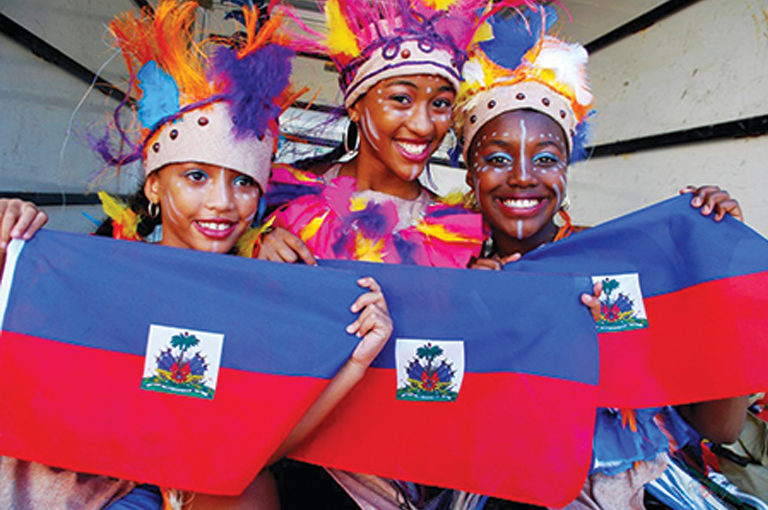
Haïti has a rich and diverse culture, influenced by African, European and indigenous elements. Haitian music, dance, art and cuisine are celebrated around the world.

  • +
    • Post