contact@haitiwonderland.com+509 36184317

Discover

Shopping Cart

How is Carnival Celebrated in Haiti? An Explosion of Colors and Culture

How is Carnival Celebrated in Haiti? An Explosion of Colors and Culture

Carnival in Haïti is a must-see celebration that embodies the vibrant and festive soul of the country. Each year, this spectacular celebration attracts thousands of participants and visitors, fascinated by the energy, creativity and cultural richness of Haiti. It is a time when music, dance and traditions intertwine in a whirlwind of joy and national pride. Immerse yourself in the enchanting world of Haitian Carnival and discover everything that makes it a unique event.

Haïti
Haïti
Haïti

1. A Party with a Deep Heritage

Carnival, or "Kanaval" in Creole, draws its roots from colonial history and African traditions.
- Origins: This celebration, linked to the Christian calendar, precedes Lent and offers a moment of freedom and joy before a period of spiritual reflection.
- Cultural Influences: Haitian Carnival blends European, African and indigenous elements, creating a celebration that is unique in the world.

Haïti
Haïti
Haïti

2. Key Dates of Carnival in Haiti

Haitian Carnival generally begins in January and culminates in the three days preceding Ash Wednesday.
- Dimanche Gras, Lundi Gras and Mardi Gras: These three days are the most important, marked by spectacular parades and a general festive atmosphere.
- Preparations: The festivities begin well before, with musical evenings, band rehearsals and costume contests.

Haïti
Haïti
Haïti

3. Spectacular Parades: The Heart of the Celebration

The streets of Haiti’s main cities, including Port-au-Prince, Jacmel and Cap-Haïtien, are transformed into open-air stages.
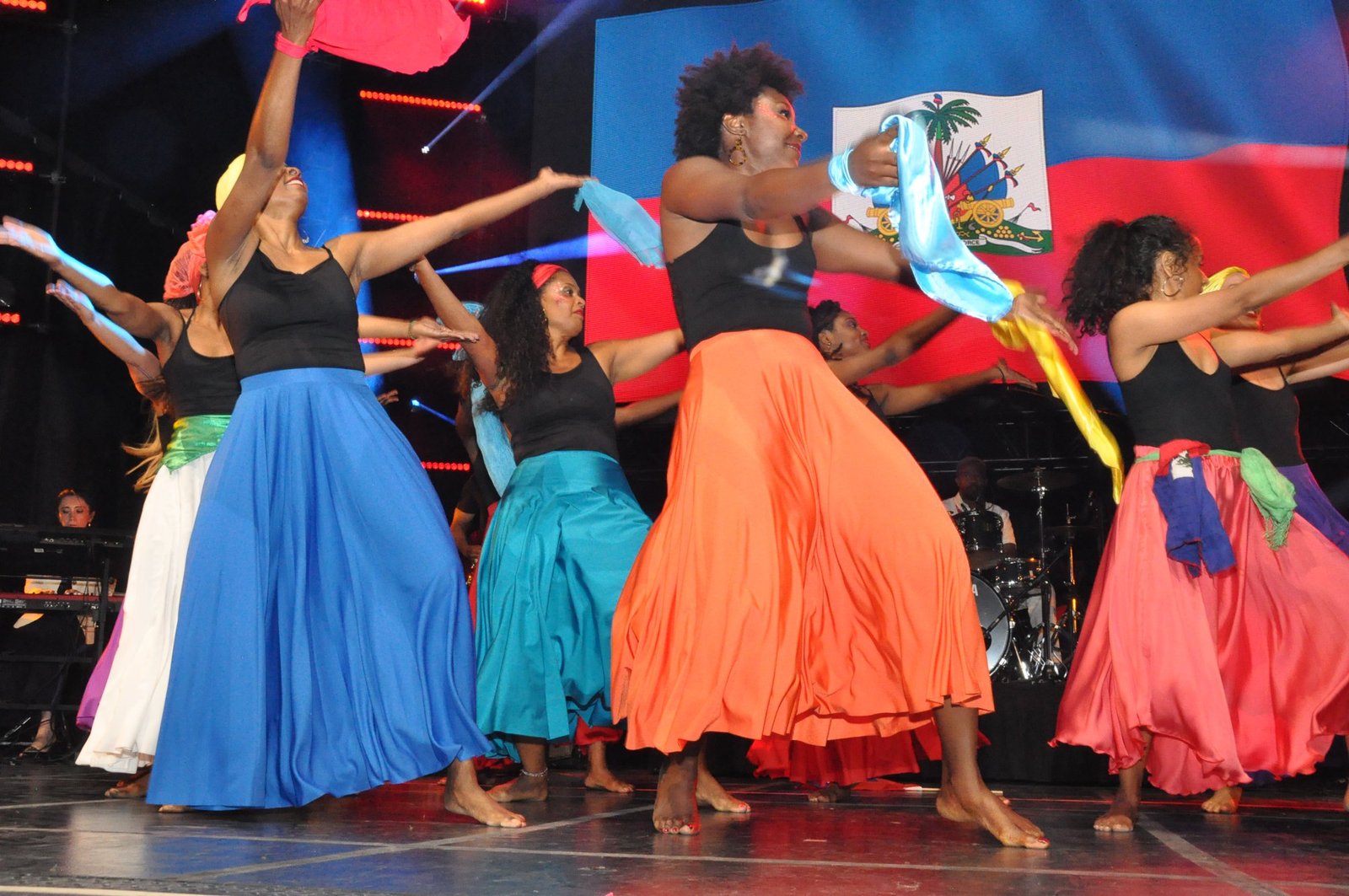
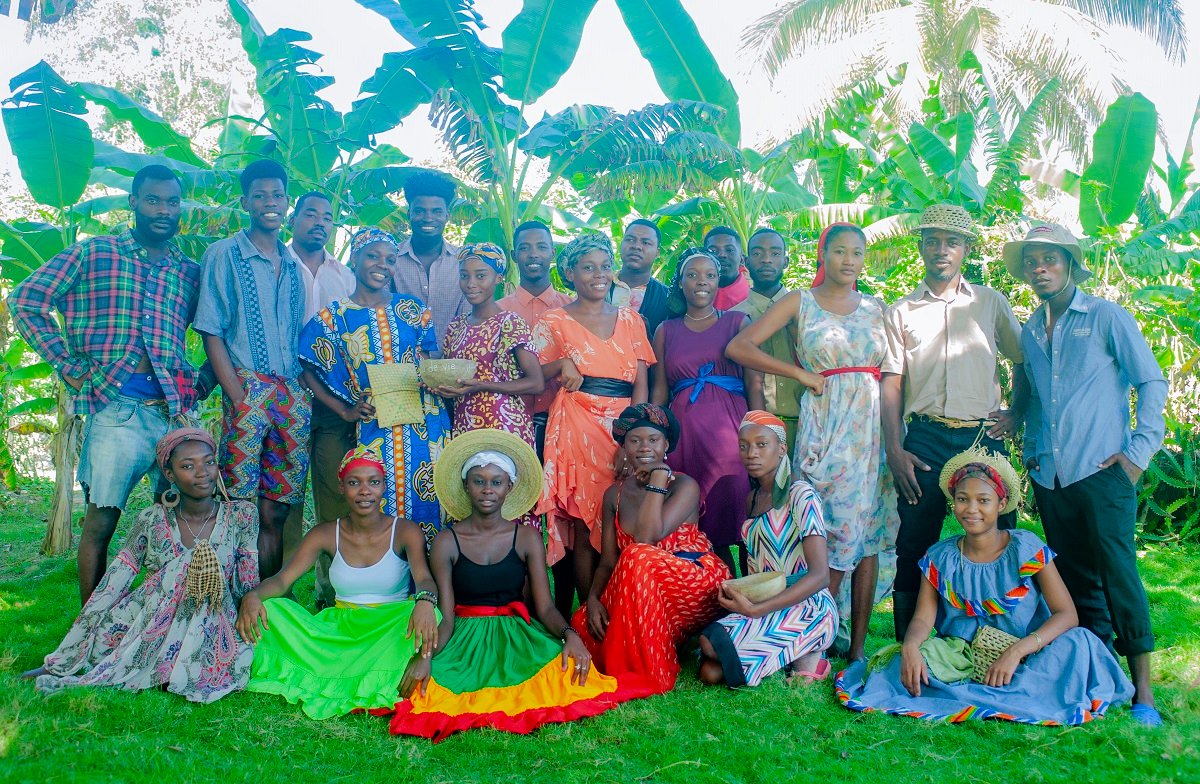
- Extravagant Costumes: Participants wear elaborate and colorful costumes, often inspired by historical, cultural, or social themes.
- Allegorical Floats: Beautifully decorated floats pass through the streets, accompanied by rhythmic music and dancers.
- Rara and Live Music: Foot bands, *compas* and *rara* groups punctuate the festivities with captivating percussion and lively songs.

Haïti
Haïti
Haïti

5. A Cultural and Political Dimension

The Haitian Carnival is not just a celebration: it is also a space for social and political expression.
- Social messages: Costumes and songs often address themes such as politics, the environment or social struggles.
- Humorous satires: Performances include humorous critiques of current events, reflecting the creative and engaged spirit of Haitians.

Haïti
Haïti
Haïti

6. Gastronomy and Street Food Tastings

The Carnival is also an opportunity to savor Haitian specialties.
- Fritay: These street foods, such as bananas pesées, griot and acra, are very popular during the festivities.
- Local sweets: Sweets such as douce kokoye (coconut candy) and roasted pistachios add a sweet touch to the event.
- Traditional drinks: Local drinks such as clairin (artisanal rum) and natural juices are omnipresent.

Why do some people ignore the Guede party?

Why do some people ignore the Guede party?

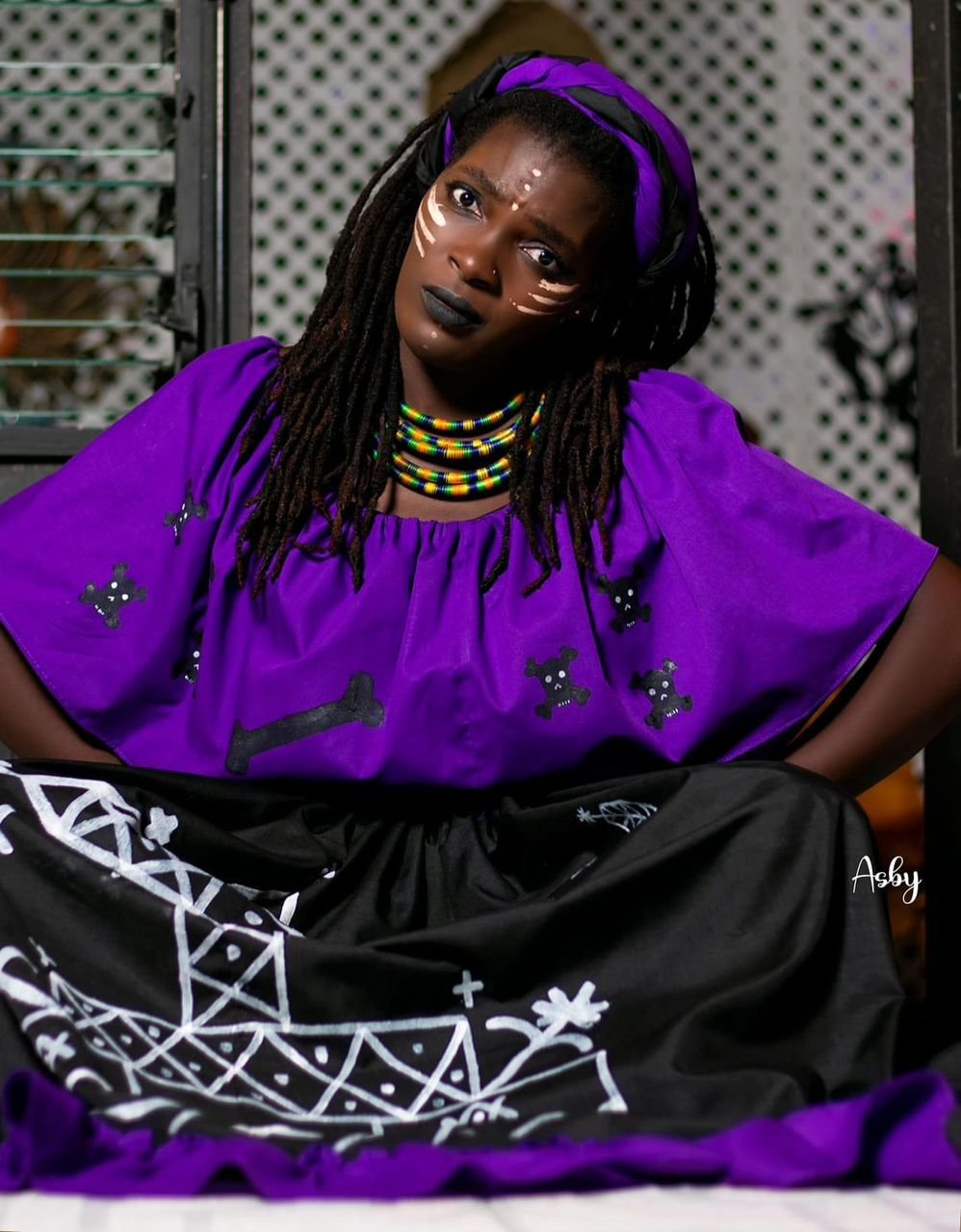
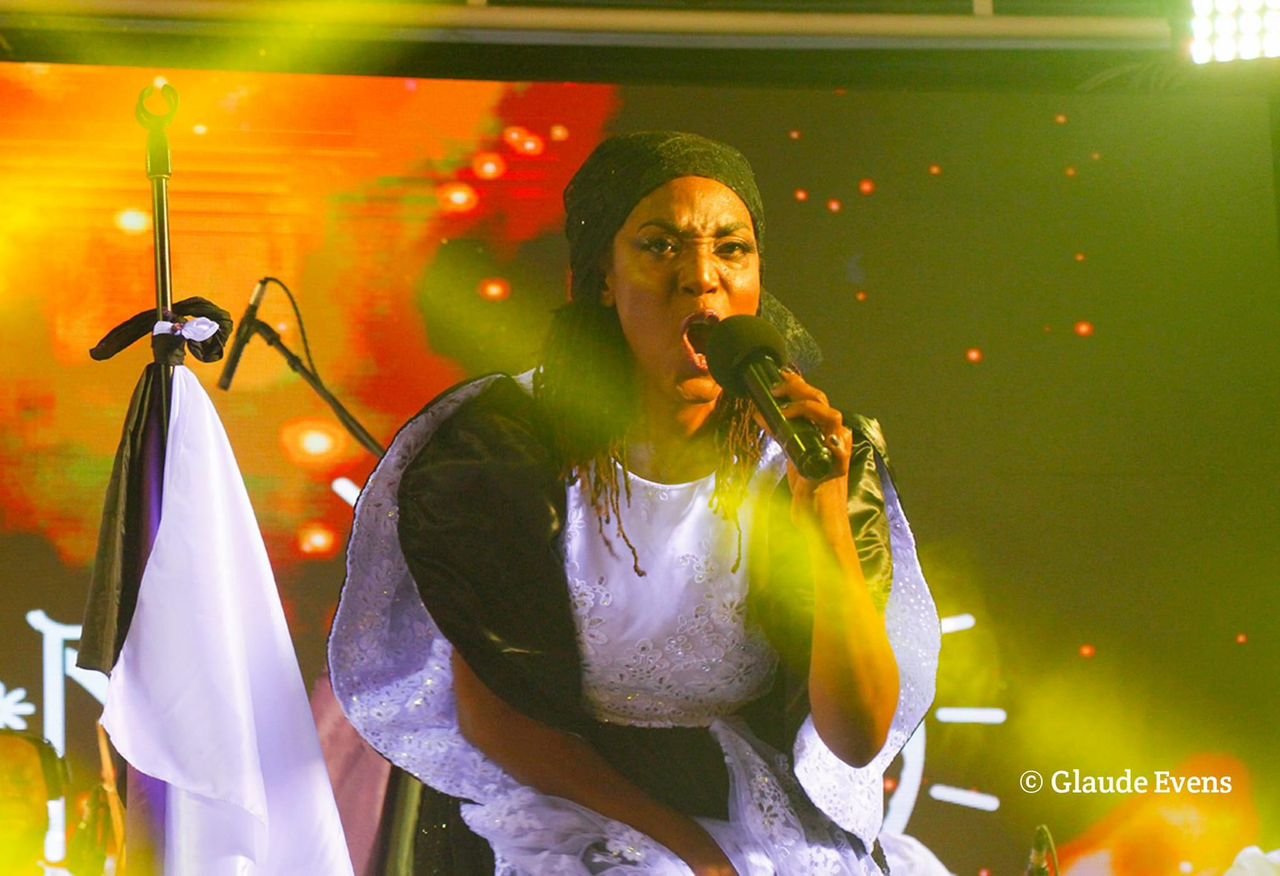
The Guédés Festival is a significant event in the Haitian Vodou religion. It takes place every November 1st and 2nd in Haiti, and it is dedicated to paying homage to the dead. Here are some elements to better understand this celebration: Meaning of Guedes: Guédés are spirits of death in the voodoo pantheon. They symbolize the transition between life and the afterlife. Different names are attributed to these spirits: Papa Guédé, Guédé Nibo, Guédé Masaka, Guédé fouillé, Guédé plumage. In the Voodoo concept, the Guédés maintain a harmonious relationship with the dead. Ritual of the Feast of the Gedes: Vodouists clean the graves and bring flowers to honor the memory of the deceased. They dance and sing to the rhythm of vodou and rara music. Vèvè (sacred symbols) are drawn to invoke the spirits. The color black, symbol of mourning, marks the beginning of life in the voodoo world. Purple mauve evokes transformation, and white symbolizes purity. Relationship with Protestants and Christians: Some Protestants reject the Feast of Geeds and organize days of prayer to chase away “evil spirits”. Christians do not pray for their dead, because their faith teaches them that the deceased are welcomed by the Lord. In short, the Guédés festival is a crucial moment for Vodouists, marking the temporary return of spirits to the world of Vodou. It shows respect for the dead and is an integral part of Haitian culture.

Haïti
Haïti
Haïti

Carnival in Haïti is an inclusive celebration that brings together all levels of society.
- For families: Areas are set up so that children and families can enjoy the festivities in complete safety.
- Artists and artisans: Painters, sculptors and fashion designers take advantage of this period to exhibit their unique creations.
- Tourists: Many foreign visitors come to discover the authenticity and beauty of this incomparable celebration.

Haïti
Haïti
Haïti

8. Why Haitian Carnival is Unique

Haitian Carnival is distinguished by its cultural depth and contagious energy.
- Authenticity: It is a celebration where traditions and modernity coexist harmoniously. - National Pride: Each participant expresses, through his costume, his dance or his music, his love for Haitian culture.
- Artistic Richness: The creativity displayed in the costumes, floats and performances is a true spectacle for the eyes.

Haïti
Haïti
Haïti

Experience Carnival in Haiti

Attending Carnival in Haïti means diving into a celebration where culture, history and joy come together. Between the intoxicating rhythms, the colorful parades and the warm welcome of the Haitians, this celebration is an unforgettable experience. Whether you are a spectator or a participant, the Haitian Carnival will leave you with lasting memories.

Share
About the Author
Appolon Guy Alain
Appolon Guy Alain
Appolon Guy Alain

Full Stack Developer, Créatif, expérimenté, passionné des nouvelles technologies et de l’art.

See other articles from Appolon Guy Alain
Leave a comment

Recently Posted

Newsletter

Subscribe to our newsletter to stay informed of all our activities and news on Haiti.

Plan your trip to Haïti

Haïti, the pearl of the Caribbean nestled west of the island of Hispaniola, offers a captivating combination of natural beauty and rich history. For an unforgettable trip, follow these wise tips to plan your stay. b~Prior Research~b Before you begin your trip, immerse yourself in Haïti’s rich culture, fascinating history, delicious cuisine and top attractions. This prior immersion will allow you to make the most of your stay and connect more easily with locals. b~Ideal time to travel~b Haïti’s mild climate throughout the year makes it an attractive tourist destination at any time. Your choice of period will depend on your preferences. If you’re passionate about cultural festivities, don’t miss the Haïtian Carnival in February, a vibrant celebration leading up to Lent. For lovers of paradise beaches like Labadee, La Côte des Arcadins, and others, summer offers a perfect mix of sun and fun times in crystal clear waters. If spirituality appeals to you, August 15 marks the Feast of the Assumption, a religious celebration marking the Virgin Mary’s ascension into heaven. And also November 1st and 2nd are dedicated to the Day of the Dead. Families go to the cemetery to honor and decorate the graves of their deceased loved ones, creating an atmosphere steeped in memory and tradition. History buffs may choose to visit on national holidays such as National Independence Day on January 1, Flag Day on May 18, and other significant events. b~Choice of Accommodation~b Haïti offers a range of accommodation options, from luxury hotels to family-friendly B&Bs. Adapt your choice according to your budget and preferences, favoring local accommodation for a more authentic experience. b~Unmissable Tourist Sites~b Among the gems to explore, discover the majestic Citadelle Laferrière, listed as a UNESCO world heritage site, the Sans Souci Palace, the La Visite National Park, the Milot Cathedral, Fort Jacques, the Heroes of Vertières, the Bassin Bleu , the Saut-Mathurine Waterfall, the Marie-Jeanne Cave, Kenscoff and Furcy, as well as the Saut d’Eau Waterfall. Also explore the artistic wealth of Haïti through its artisan markets. b~Taste Local Cuisine~b Haïtian cuisine is a symphony of exotic flavors. Be sure to sample local dishes such as griot and pea-sticky rice at local markets for an authentic culinary experience. b~Local Culture~b Haïtian culture, influenced by a rich history, is diverse and vibrant. Respect local customs, be open-minded and willing to learn. The warmth and hospitality of the Haïtians add a unique dimension to your experience. b~Means of Transport~b Opt for modern means of land transport such as Capital Coach Line, Transport Chic, Sans-Souci Tours, Le Transporteur, Grand Nord. For aerial explorers, easily book your flight with Sunrise Airways. Car rental is also an option for those looking for a more private experience. b~Language and Communication~b Although Haïtian Creole is the main language, French is also widely used. Learn a few basic phrases in Creole to facilitate exchanges and enrich your experience. By meticulously planning your trip to Haïti, you open yourself up to discovering the natural beauty, cultural richness, and warm hospitality of this Caribbean gem. Get ready to experience a unique and memorable adventure in Haïti.

Recently Posted

History

History

First black nation to free itself from slavery and gain independence from France in 1804 and influenced other liberation movements around the world, inspiring struggles for freedom and equality.

Natural beauty

Natural beauty

Haïti is blessed with spectacular natural landscapes, including white sand beaches, mountains and rich biodiversity.

Heritage

Heritage

Haïti has a rich historical heritage, including sites like the Citadelle Laferrière and the Sans-Souci Palace, listed as UNESCO World Heritage Sites.

Culture

Culture

Haïti has a rich and diverse culture, influenced by African, European and indigenous elements. Haitian music, dance, art and cuisine are celebrated around the world.

  • +
    • Post