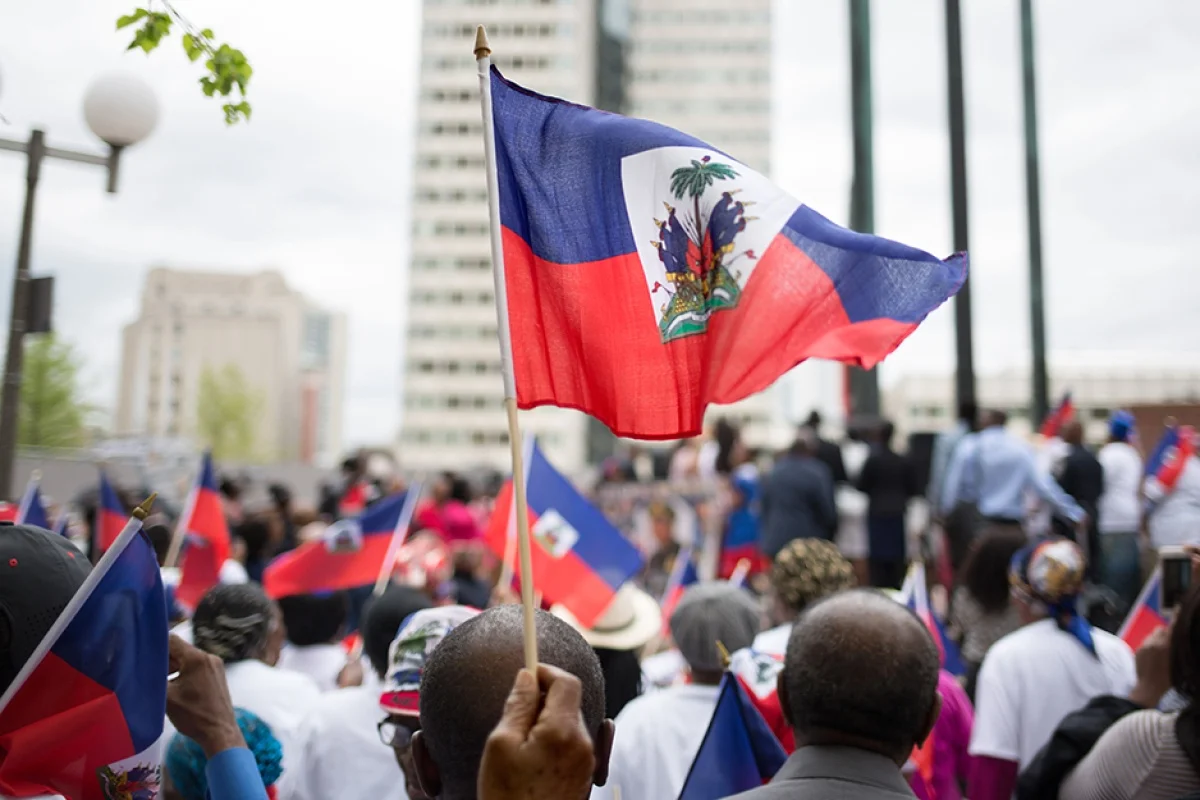
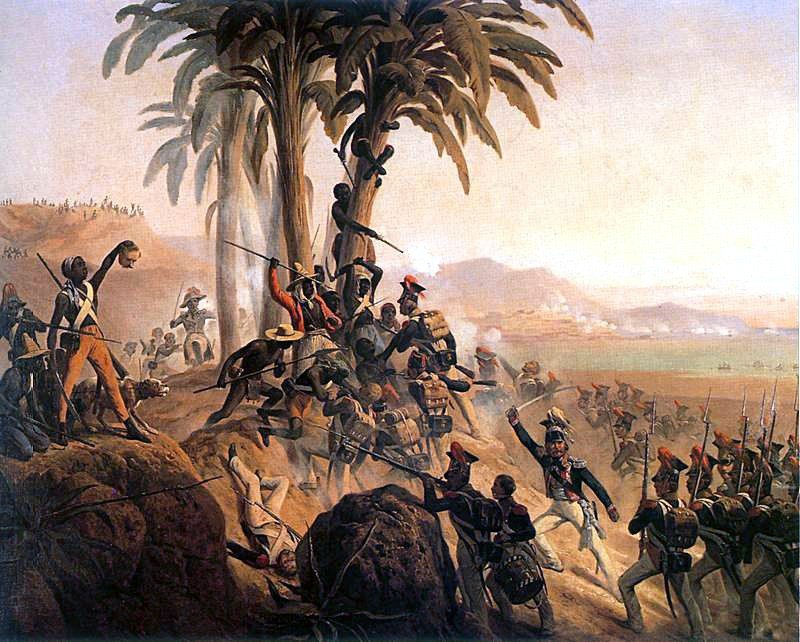
Since its tumultuous birth as the first independent Black republic in 1804, Haïti has been a beacon of resistance, independence, and pride for people around the world. At the heart of its national identity is an anthem of profound power and meaning: La Dessalinienne.
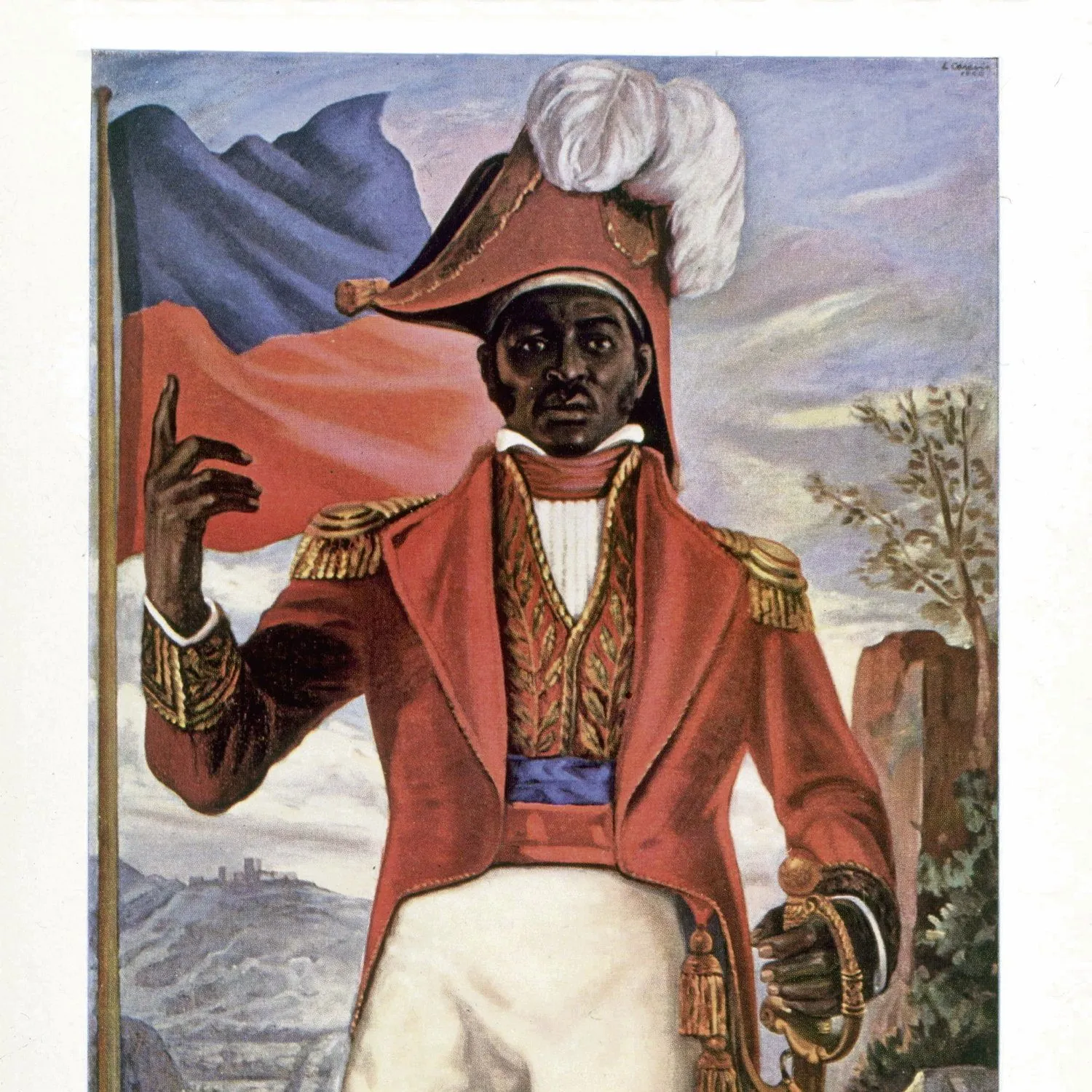
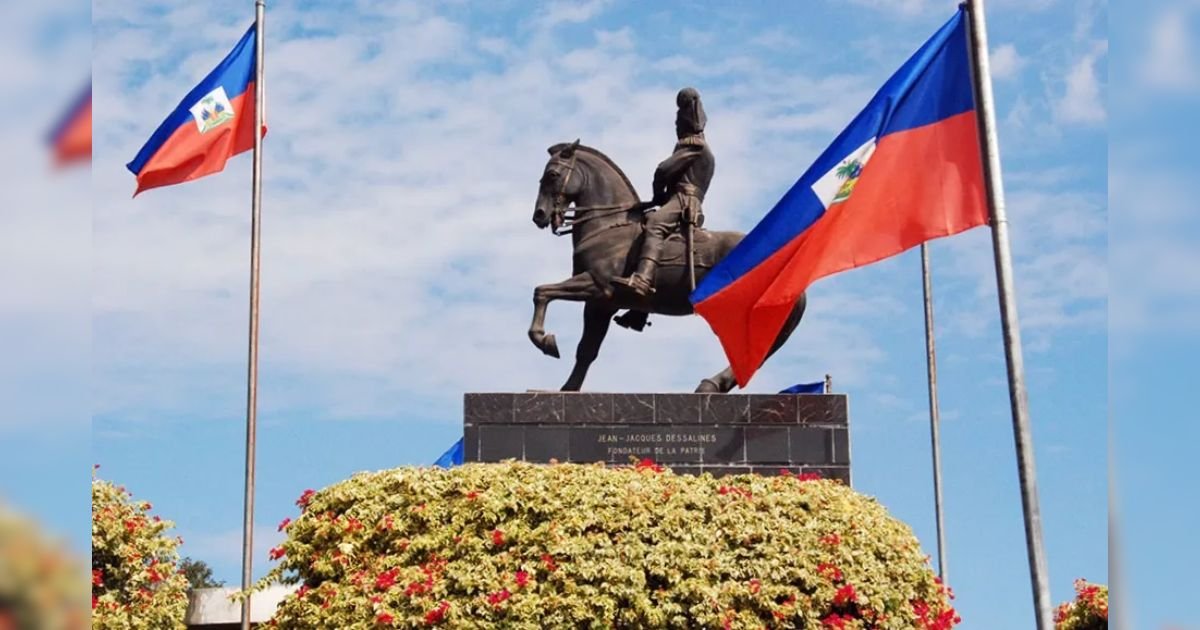
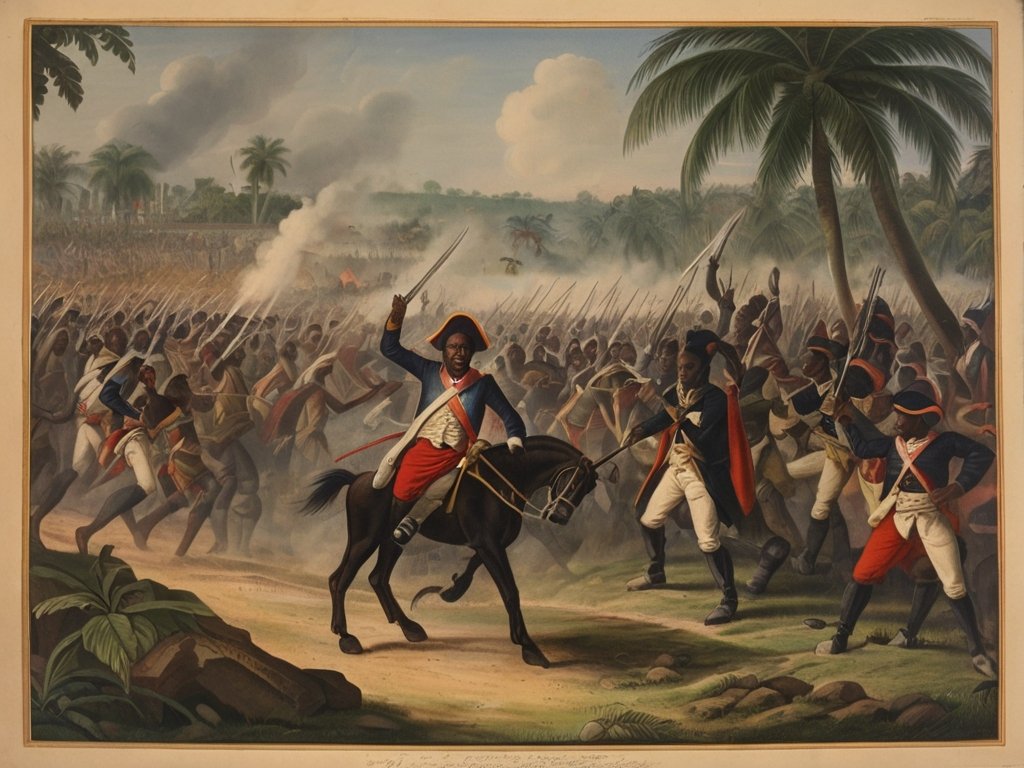
La Dessalinienne takes its name from Jean-Jacques Dessalines, the Haitian revolutionary leader who successfully led the fight against French colonial oppression and proclaimed Haïti as the world’s first independent black republic on January 1, 1804. Written by Justin Lhérisson and composed by Nicolas Geffrard, this anthem is a vibrant tribute to the legacy of Dessalines and the indomitable spirit of the Haitian people.
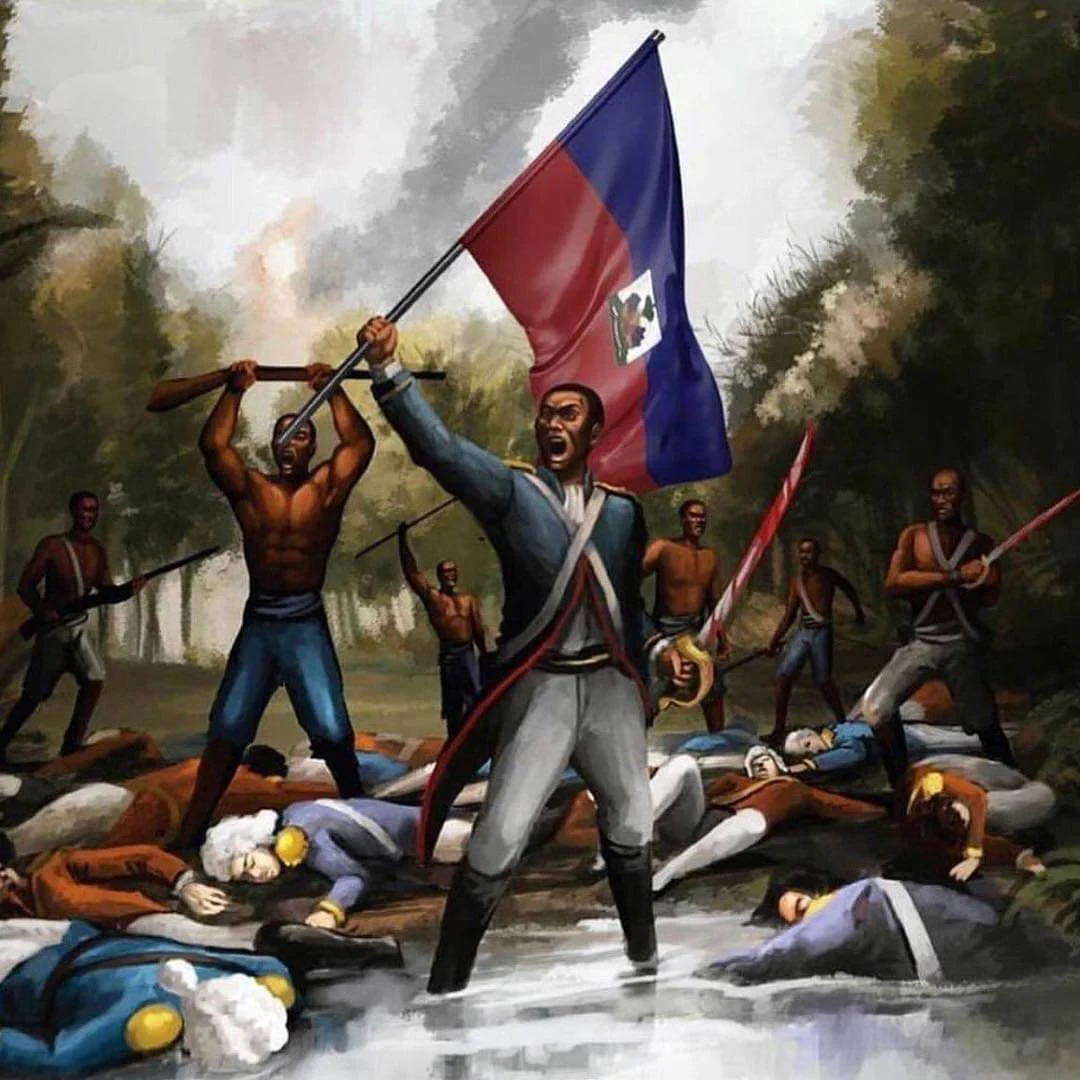
La Dessalinienne is not simply a patriotic song, but a rallying cry for freedom and justice. His poignant words evoke the constant struggle of the Haitian people to overcome challenges, resist oppression and defend their dignity. Every note resonates with the force of the revolutionary spirit that shook the foundations of injustice and slavery.
I
For the Country, for the Ancestors Let’s march united, let’s march united
In our ranks there are no traitors. Let us be the sole masters of the soil
Let’s walk united, let’s walk united For the Country, for the Ancestors
Let’s march, let’s march, let’s march united For the Country, for the
Ancestors
II
For the Forefathers, for the Homeland Happy bechons, happy bechons
When the field bears fruit The soul is strengthened Joyful bechons,
happy bechons For the Forefathers, for the Fatherland Bechons, bechons,
happy bechons For the Forefathers, for the Homeland
III
For the Country and for our Fathers Let us form Sons, let us form Sons
Free, strong and prosperous We will always be brothers Let us form
Sons, let us form Sons For the Country and for our Fathers
Let’s train, let’s train, let’s train Sons For the Country and for our
Fathers
IV
For the Forefathers, for the Fatherland O God of the Brave, O God of the Brave
Under your infinite care Take our rights, our life O God of
Preux, O God of the Precious For the Forefathers, for the Fatherland O God, O
God, O God of the Brave, For the Forefathers, for the Fatherland
V
For the Flag, for the Fatherland Dying is beautiful, dying is beautiful
Our past cries out to us: Have a seasoned soul Dying is beautiful,
dying is beautiful For the Flag, for the Fatherland To die, to die,
dying is beautiful For the Flag, for the Fatherland
These words resonate with timeless force, reminding Haitians of their responsibility to defend their homeland and preserve the heritage of their ancestors. They urge unity and solidarity, emphasizing that only by remaining united, the Haitian people can face the challenges that stand in their way.
Although La Dessalinienne is the national anthem of Haiti, its message transcends geographic boundaries. It resonates with all those who fight for their freedom and dignity, inspiring liberation movements across the world. Its influence extends far beyond the shores of Haiti, becoming a universal symbol of courage and determination in the face of adversity.
La Dessalinienne remains a pillar of Haitian national identity, a constant reminder of the resilience and determination of the Haitian people to defend their freedom and dignity. As future generations rise to face new challenges, this anthem will continue to resonate as a call for unity, solidarity and justice for all.
Share
About the Author
Appolon Guy Alain
Appolon Guy Alain
Full Stack Developer, Créatif, expérimenté, passionné des nouvelles technologies et de l’art.
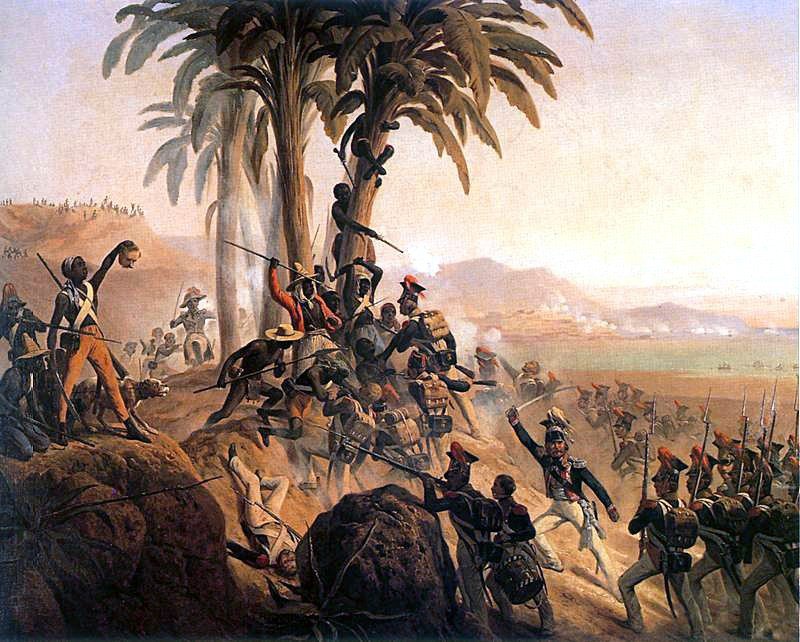
First black nation to free itself from slavery and gain independence from France in 1804 and influenced other liberation movements around the world, inspiring struggles for freedom and equality.
Natural beauty
Haïti is blessed with spectacular natural landscapes, including white sand beaches, mountains and rich biodiversity.
Heritage
Haïti has a rich historical heritage, including sites like the Citadelle Laferrière and the Sans-Souci Palace, listed as UNESCO World Heritage Sites.
Culture
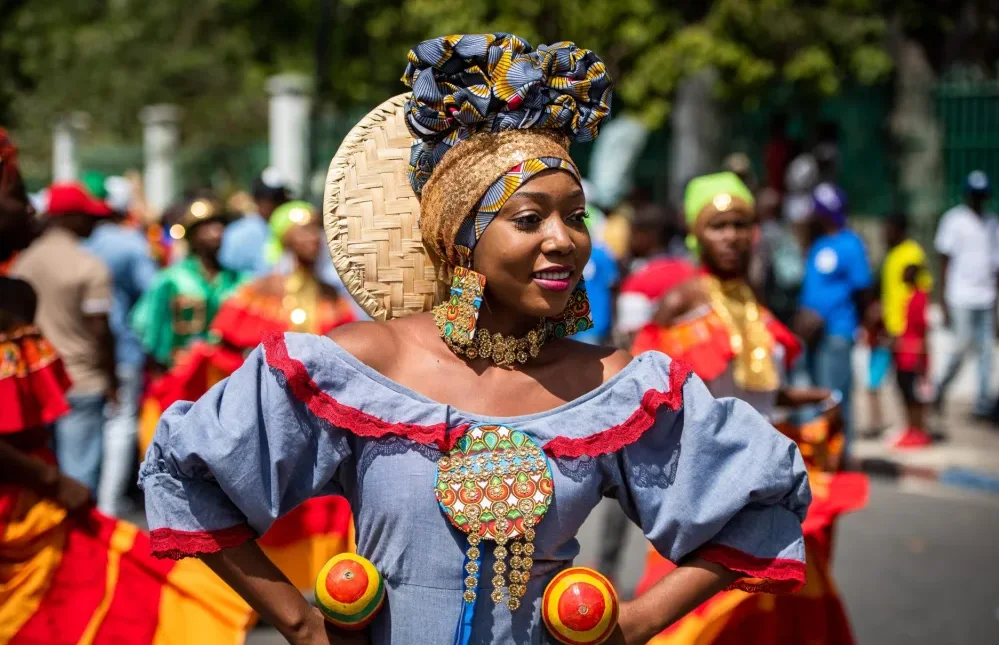
Haïti has a rich and diverse culture, influenced by African, European and indigenous elements. Haitian music, dance, art and cuisine are celebrated around the world.