The history of Haïti is closely linked to the different names that this land has had over the centuries. These names reflect the eras and influences that have marked the island, from the time of the indigenous peoples to independence. Let’s explore the old names of Haïti and their historical significance.
Ayiti: the original name of the Taino
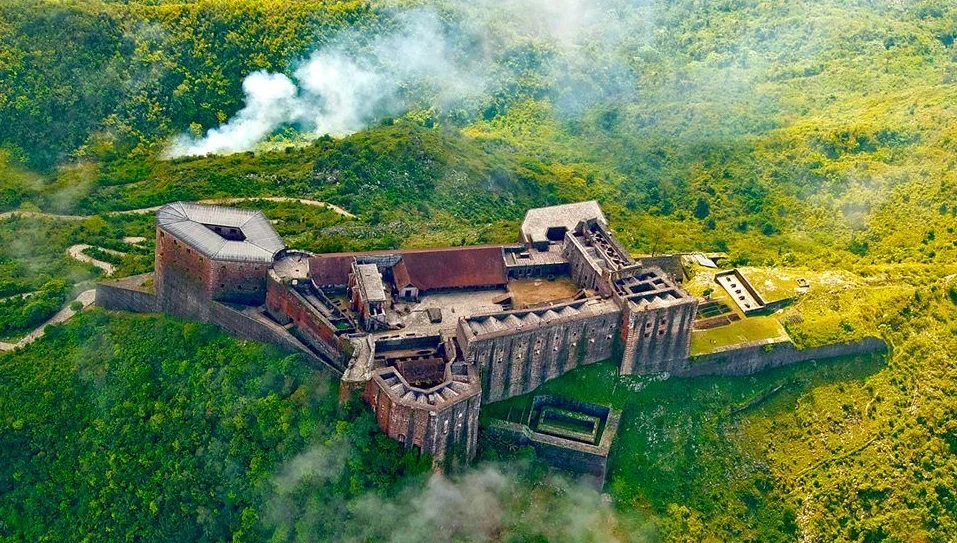
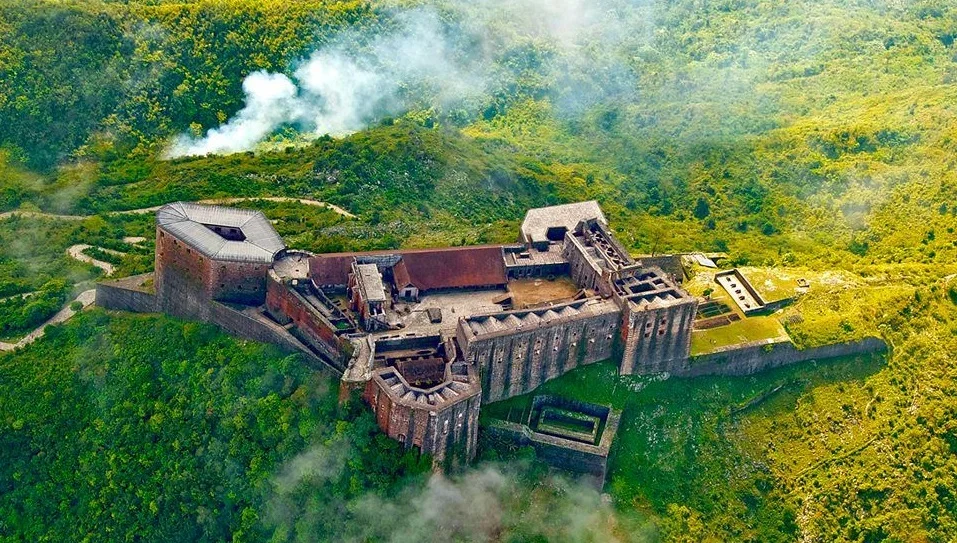
Before the arrival of the Europeans, the island was inhabited by the Taino, an indigenous people who called it Ayiti, meaning "land of high mountains" or "mountainous country".
- A tribute to nature: This name highlighted the imposing mountains and green landscapes of the island.
- A cultural symbol: For the Taino, Ayiti embodied their harmonious way of life with nature and their deep attachment to the land.
This name is the historical root of the word “Haiti,” which would later be re-adopted as a tribute to indigenous heritage.
Hispaniola: The Spanish Colonial Period
In 1492, Christopher Columbus landed on the island and renamed it Hispaniola or La Española, meaning “Little Spain.”
- A reflection of Spanish ambitions: The Spanish saw Hispaniola as a symbol of their dominance in the New World.
- A historical turning point: The island became one of the first points of contact between Europe and the Americas, marking the beginning of the colonial era.
This name referred to the entire island, now shared between Haïti and the Dominican Republic.
Saint-Domingue: French Heritage
In the 17th century, the western part of the island came under French control and was renamed Saint-Domingue.
- A center of wealth: Saint-Domingue became one of the most prosperous colonies thanks to the export of sugar, coffee and indigo.
- A place of struggle: It was also under this name that the island was the scene of the Haitian Revolution, which led to independence in 1804.
The name Saint-Domingue remains associated with the economic apogee of the colony, but also with its brutal slave system.
Haiti: Back to the Origins
On January 1, 1804, after the victory of the rebellious slaves against the French army, the island reclaimed its indigenous name, Haiti, to mark a historical turning point.
- A symbolic choice: This return to “Ayiti” was a way to reject colonial names and pay homage to the island’s first inhabitants.
- A sign of independence: The choice of Haïti affirmed the freedom and unique identity of the world’s first independent black republic.
Since then, Haïti has embodied both its tumultuous past and its legacy of resilience.
The importance of names in Haiti’s history
Haiti’s various names Ayiti, Hispaniola, Santo Domingo tell the story of its inhabitants and the transformations the island has undergone.
- Ayiti: A land of mountains and indigenous peoples.
- Hispaniola: A territory at the heart of European expansion.
- Santo Domingo: A prosperous colony marked by struggles for freedom.
Today, the name Haïti symbolizes the continuity of a rich and complex history, while carrying the hope for a better future.
A strong identity through the ages
A look back at Haiti’s ancient names reveals a fascinating tale of courage, survival, and transformation. Each appellation is a window into a different era, but all converge on the pride and unity of a people determined to preserve their identity.
What does the name Haïti mean to you? Share your thoughts and let’s celebrate this nation with an exceptional past.





























Why would you start an article which speaks about our people’s relentless fight against colonialism with not calling our land by its indigenous name? Quisqueya, Ayti not Hispañola Why would you start an article with the spirit of defeat? Although I do give much love to Ayti for naming our land after our Ancestors did. Thank you for that.
April 24, 2025 - 07:37:50 AM8493152186
December 09, 2025 - 03:31:11 PM