contact@haitiwonderland.com+509 36184317

Discover

Shopping Cart

Haiti: Why do people confuse "Unity is Strength" and "Liberty - Equality - Fraternity"?
Haiti: Why do people confuse  Unity is Strength  and  Liberty - Equality - Fraternity ?
Haiti: Why do people confuse Unity is Strength and Liberty - Equality - Fraternity ?

Haiti: Why do people confuse "Unity is Strength" and "Liberty - Equality - Fraternity"?

What is Haiti's real motto? Understanding the confusion between "Unity is Strength" and "Liberty-Equality-Fraternity."

If you’ve ever debated Haiti’s motto with friends or family, you’re not alone. This confusion between "Unity is Strength" and "Liberty - Equality - Fraternity" is more common than you might think, and it hides a fascinating story worth telling.

Two phrases, two distinct functions

The official answer is clear, according to the 1987 Constitution: Haiti’s national motto is "Liberty - Equality - Fraternity." Yet, "Unity is Strength" holds an equally important place in the hearts of Haitians. Why this ambiguity?

"Unity is Strength": The Legend of the Arms of the Republic

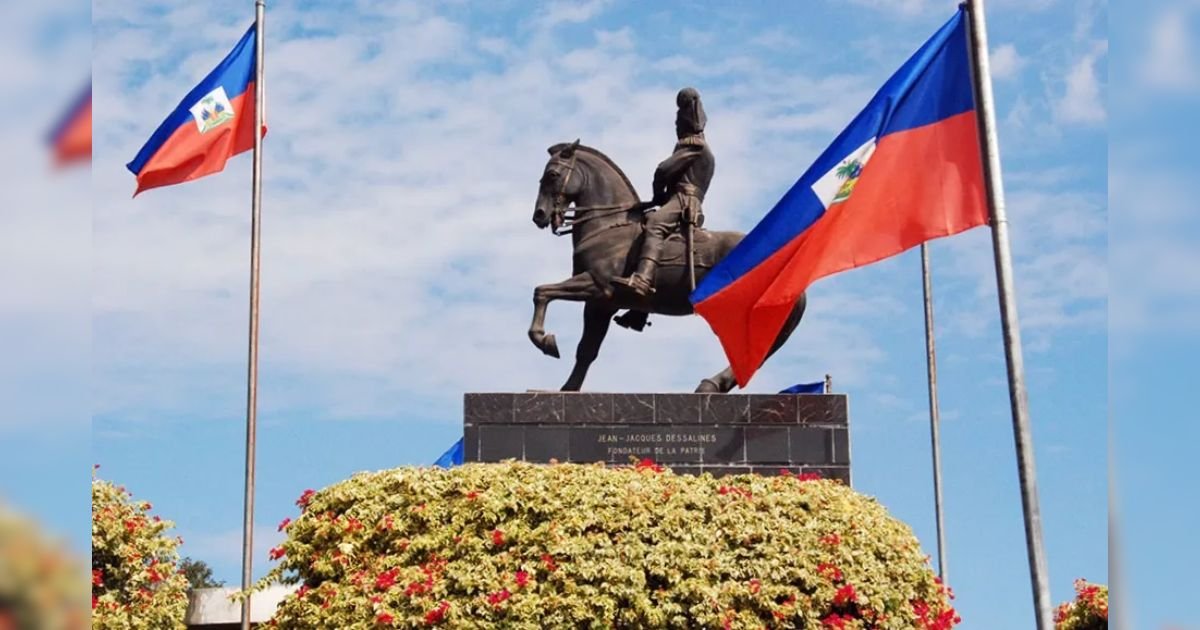
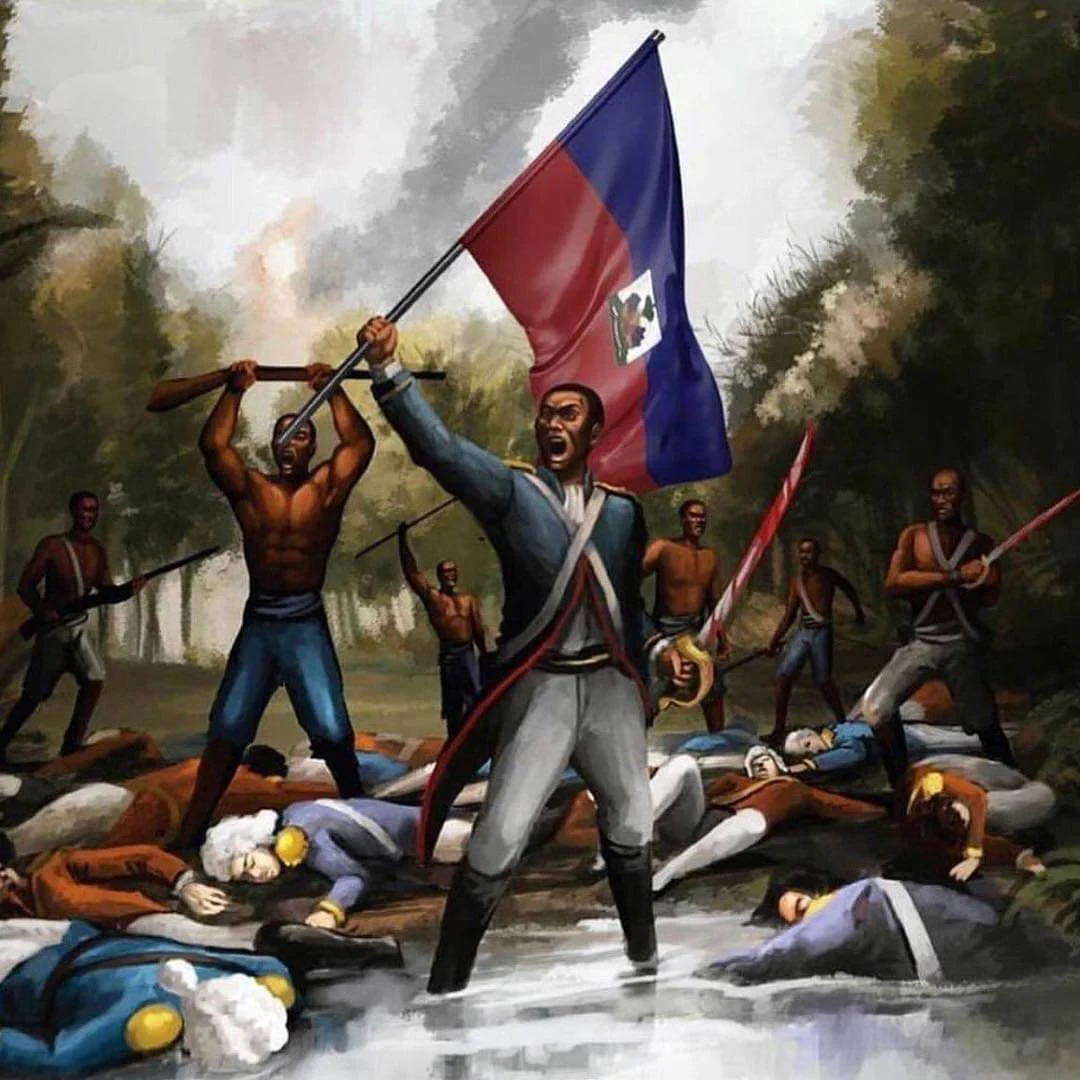
This powerful phrase is not the national motto, but rather the legend inscribed on the Arms of the Republic, which appears at the center of the Haitian flag. It accompanies the palm tree topped with the cap of liberty and the trophy of arms, symbols of the struggle for independence.

This legend resonates deeply in the Haitian soul because it evokes:

- The unity necessary to overcome slavery and colonialism
- The solidarity that enabled the victory of 1804
- A practical and mobilizing message for the nation

"Liberty - Equality - Fraternity": The Constitutional Motto

Enshrined in Article 4 of the 1987 Constitution, this motto places Haïti in the lineage of great democratic revolutions. It reflects:

- The legacy of the Enlightenment and the French Revolution
- The universal values ​​that inspired the Haitian Revolution
- Haiti’s aspiration to embody these principles for the Black world

The roots of a legitimate confusion

1. An overwhelming visual presence

"Unity is Strength" appears on the national flag, an official document ubiquitous in daily life. Every Haitian sees this phrase far more often than the constitutional motto, which is rarely highlighted.

2. A message more rooted in national history

This legend directly recalls the ancestors’ struggle for independence. It speaks to a specifically Haitian collective experience, while "Liberty - Equality - Fraternity" is a universal motto shared with other nations.

3. Variable civic education

Not all Haitians receive the same level of civic education. The subtle distinction between "national motto" and "arms legend" is not always clearly taught in schools.

4. A Dual National Identity

This confusion perhaps reveals a deeper reality: Haïti possesses two complementary souls. One, oriented toward the universal with "Liberty - Equality - Fraternity," the other, rooted in its unique history with "Unity is Strength."

What the law says: a necessary clarification

The 1987 Constitution is clear:

- Article 3: Describes the flag with its two horizontal bands (blue at the top, red at the bottom) and the Arms of the Republic in the center.
- Article 4: Unequivocally establishes that "The national motto is: Liberty - Equality - Fraternity."

The Arms of the Republic, for their part, feature "the Palm Kernel topped with the Cap of Liberty" shading "a Trophy of Arms with the Legend: Unity is Strength."

A Wealth Rather Than a Weakness

This confusion, far from being problematic, testifies to Haiti’s symbolic richness. The two phrases are not opposed; they complement each other:

"Liberty - Equality - Fraternity" expresses Haiti’s universal aspiration and its historical role as the first free Black republic.

"Unity is Strength" recalls the concrete method that made this freedom possible: the unity of the Haitian people in the face of oppression.

What’s the takeaway?

The next time you hear someone say that Haiti’s motto is "Unity is Strength," you can politely correct them while acknowledging the importance of this legend. Because, at heart, the two phrases tell the same story: that of a people who, through their unity and their thirst for freedom, changed the course of world history.

Knowing this distinction means better understanding the symbols that make Haïti a unique nation, proud of its past and looking to the future.

Share
About the Author
Appolon Guy Alain
Appolon Guy Alain
Appolon Guy Alain

Full Stack Developer, Créatif, expérimenté, passionné des nouvelles technologies et de l’art.

See other articles from Appolon Guy Alain
Leave a comment

Recently Posted

Newsletter

Subscribe to our newsletter to stay informed of all our activities and news on Haiti.

Holidays in Haiti

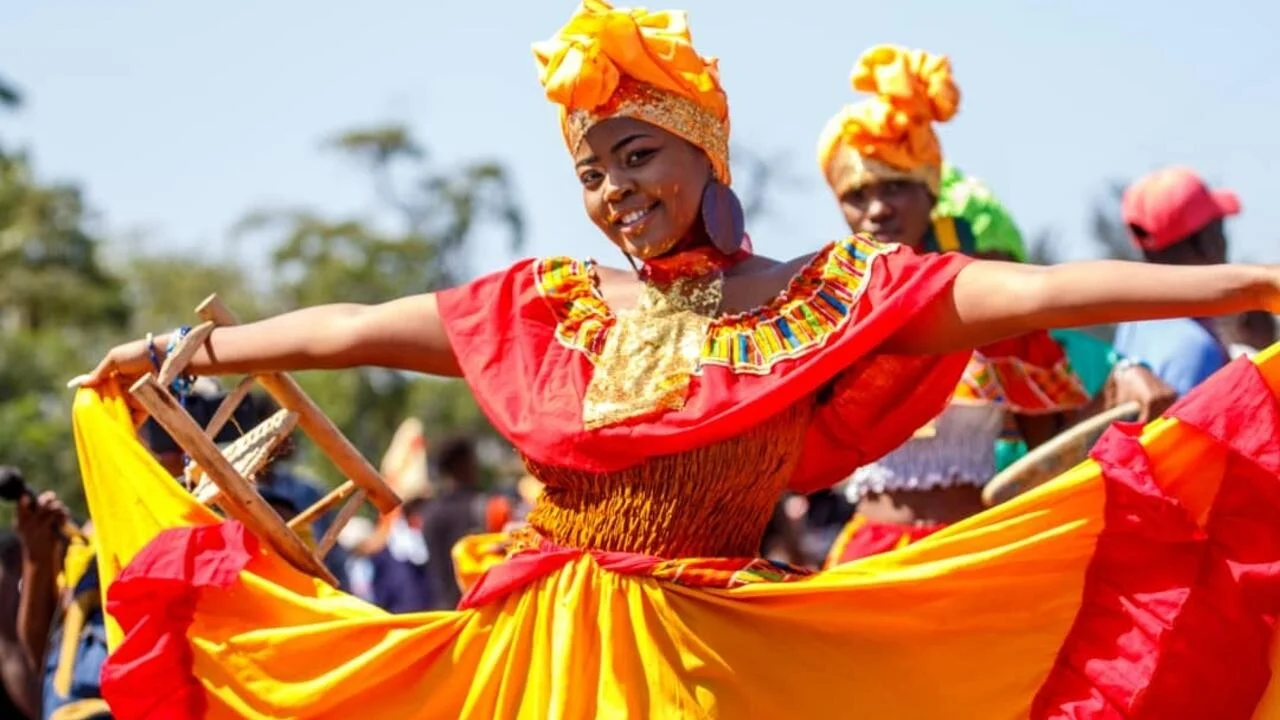
Haiti, the pearl of the Antilles, is a country rich in history and culture. Its public holidays are moments of celebration, commemoration and reflection on its glorious past. Each date has a special meaning, plunging Haitians into a festive and memorable atmosphere. b~January 1: National Independence Day and New Year~b January 1st is a doubly special day in Haiti. On the one hand, it is National Independence Day, commemorating the victory of Haitian slaves over French colonial forces in 1804. On the other hand, it is New Year’s Eve, marking the start of a new year full of promises and hopes. b~January 2: Feast of the Forefathers~b January 2 is dedicated to the memory of ancestors. It is an opportunity for Haitians to remember their roots, to celebrate the cultural heritage passed down from generation to generation. b~February: Carnival, Shrove Monday, Fat Tuesday, Ash Wednesday~b The month of February is marked by Carnival, one of the most colorful and dynamic festivities in Haiti. The streets fill with parades, lively music and wild dancing. Mardi Gras is the culmination of Carnival, followed by Ash Wednesday, marking the start of Lent. b~April: Easter, Maundy Thursday, Good Friday~b Easter celebrations in Haïti include the religious traditions of Maundy Thursday and Good Friday. It is a time of prayer and reflection for many Haitians. b~May 1: Agriculture and Labor Day~b May 1 is dedicated to celebrating the work and importance of agriculture in the life of the country. It is an opportunity to recognize the efforts of workers and to highlight the agricultural sector. b~May 18: Flag Festival~b Flag Day celebrates the Haitian flag, a symbol of independence and national pride. Haitians honor their colors and remember the courage of their ancestors in the fight for freedom. b~May 23: National Sovereignty Day~b This day commemorates the recognition of Haitian sovereignty by France in 1805. It is a moment of national pride and reaffirmation of independence. b~May - August: Ascension~b The Ascension is celebrated between May and August, a religious festival marking the ascension of Jesus Christ into heaven. b~June: Fête-Dieu~b Fête-Dieu, also known as the Feast of the Body and Blood of Christ, is an important religious celebration in June. b~August 15: Assumption of Mary~b The Assumption of Mary is a Christian holiday marking the ascension of the Virgin Mary into heaven. It is celebrated with fervor in Haiti. b~September 20: Birth Anniversary of Jean-Jacques Dessalines~b This date commemorates the birth of Jean-Jacques Dessalines, one of the founding fathers of Haïti and a key leader in the struggle for independence. b~October 17: Death of Dessalines~b October 17 is a day of commemoration of the death of Jean-Jacques Dessalines, recalling his impact on Haitian history. b~November 1: All Saints’ Day~b All Saints’ Day is a religious holiday honoring all saints, celebrated with prayers and visits to cemeteries. b~November 2: Day of the Dead~b All Souls’ Day is an opportunity to pay homage to the deceased by decorating graves and participating in religious ceremonies. b~November 18: Commemoration of the Battle of Vertières~b This day honors the decisive Haitian victory at the Battle of Vertières in 1803, marking the end of the French occupation. b~December 5: Discovery Day~b December 5 celebrates the discovery of the island by Christopher Columbus in 1492. b~December 25: Christmas~b Christmas celebrations in Haïti are marked by family reunions, festive meals and religious traditions. Public holidays in Haïti are much more than breaks from everyday life; these are moments that embody the soul and resilience of a people. Each celebration provides an opportunity to come together, remember the past and look to the future with hope and determination.

Recently Posted

History

History

First black nation to free itself from slavery and gain independence from France in 1804 and influenced other liberation movements around the world, inspiring struggles for freedom and equality.

Natural beauty

Natural beauty

Haïti is blessed with spectacular natural landscapes, including white sand beaches, mountains and rich biodiversity.

Heritage

Heritage

Haïti has a rich historical heritage, including sites like the Citadelle Laferrière and the Sans-Souci Palace, listed as UNESCO World Heritage Sites.

Culture

Culture

Haïti has a rich and diverse culture, influenced by African, European and indigenous elements. Haitian music, dance, art and cuisine are celebrated around the world.

  • +
    • Post