contact@haitiwonderland.com+509 36184317

Discover

Shopping Cart

Blood and gold: The history of Haïti and France

Blood and gold: The history of Haïti and France

The history of Haïti and France is a complex and tumultuous saga, marked by conflict, struggles for freedom, and lasting impacts on both nations. This story begins in the 17th century and continues to resonate in contemporary relations between the two countries. This article explores the key moments of this historic relationship, highlighting the sacrifices, struggles, and economic issues that defined it.

Haïti
Haïti
Haïti

French colonization of Saint-Domingue

In 1697, France gained control of the western part of the island of Hispaniola, which it renamed Santo Domingo (today Haiti). The colony quickly became one of the richest in the world, thanks to an economy based on the exploitation of African slaves. Sugar, coffee, and cotton are the main crops, producing immense wealth for France, but at a terrible human cost. The living conditions of slaves were inhumane, marked by violence, disease, and high mortality.

Haïti
Haïti
Haïti

The Haitian Revolution: the quest for freedom

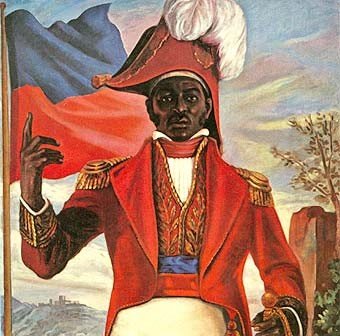
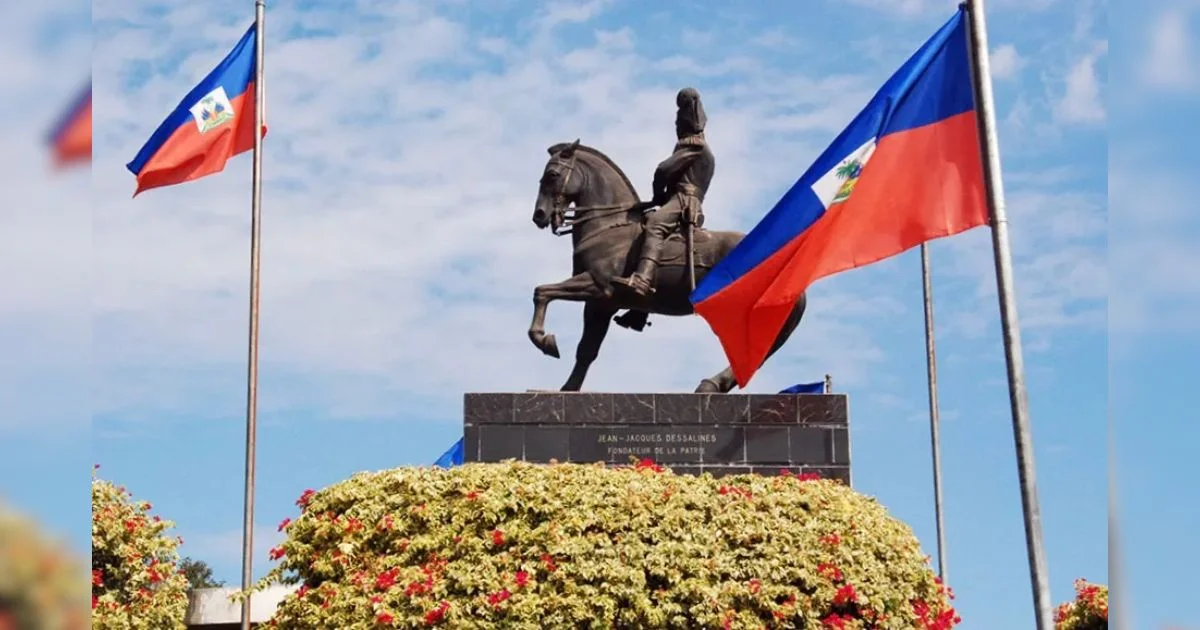
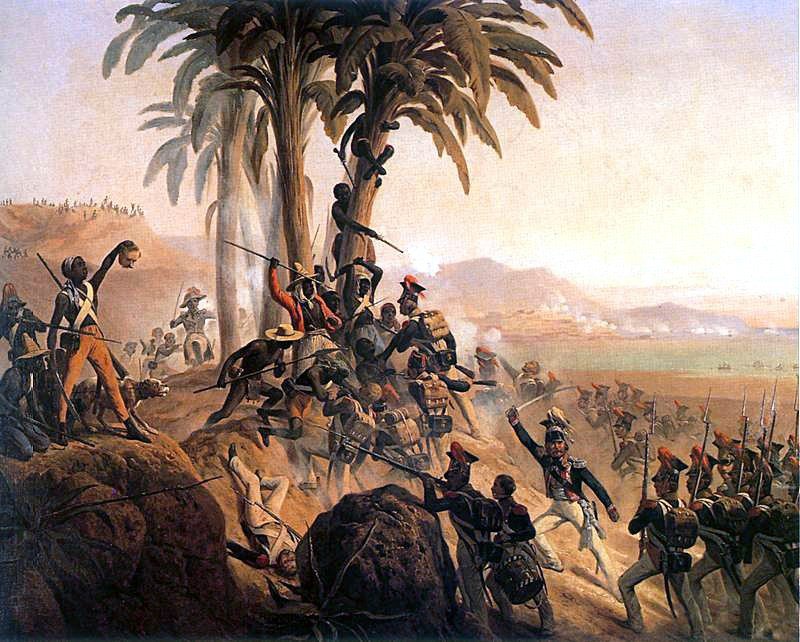
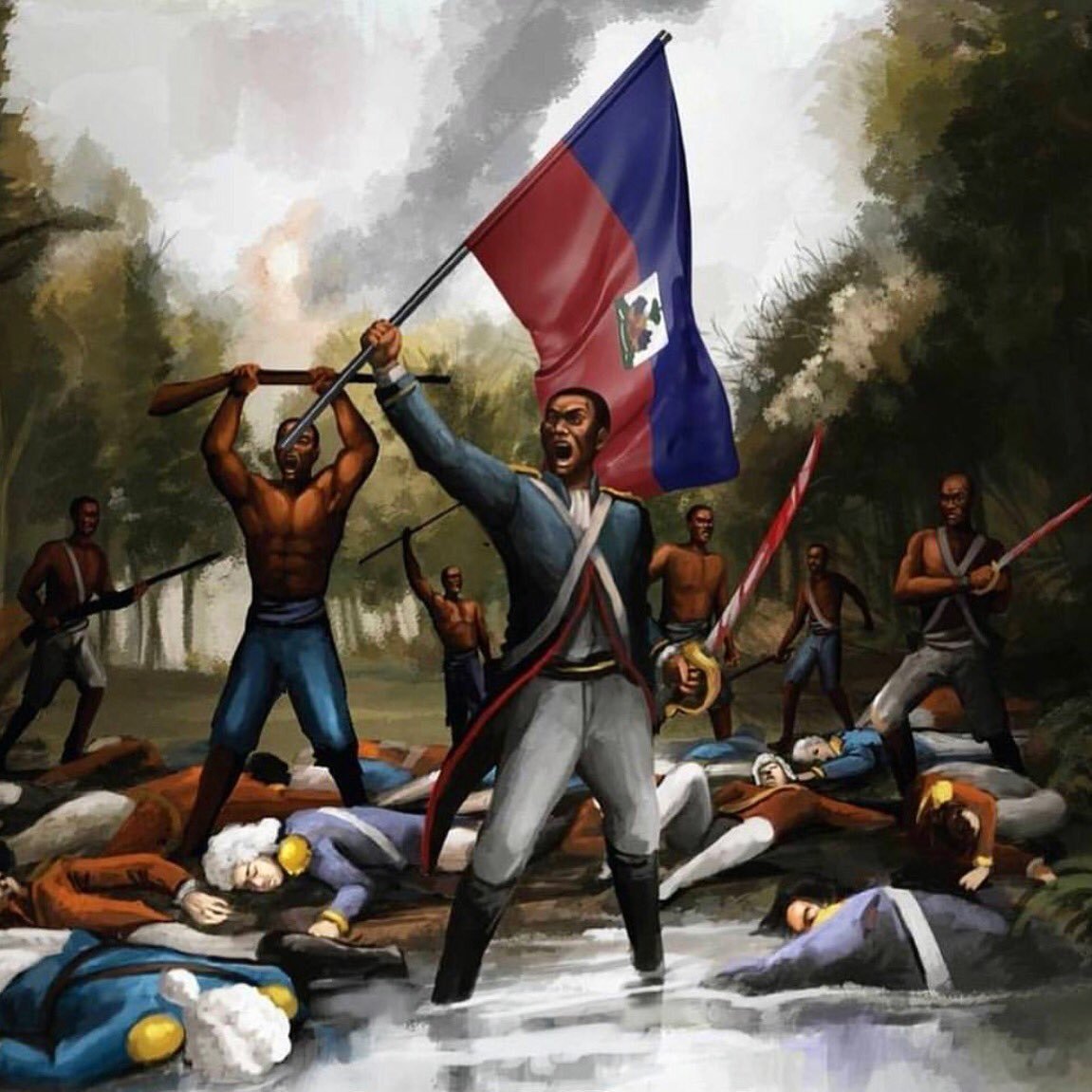
One of the largest and most successful slave revolts in history took place in Santo Domingo in the late 18th century. Inspired by the French Revolution’s ideals of liberty, equality, and fraternity, the Haitian Revolution began in 1791. Under the leadership of iconic figures like Toussaint Louverture, Jean-Jacques Dessalines, and Henri Christophe, slaves and freedmen fought for their freedom.

After a series of bloody battles against French colonial forces, Haitian insurgents declared independence on January 1, 1804, making Haïti the world’s first free black republic and the first state to abolish slavery.

Discover the history of Haiti: A fascinating story to explore! : https://haitiwonderland.com/haiti/histoire/decouvrez-l-histoire-d-haiti--un-recit-fascinant-a-explorer/81

Haïti
Haïti
Haïti

The price of independence

Haiti’s independence had profound and lasting repercussions. In 1825, under military and economic pressure from France, Haïti agreed to pay an indemnity of 150 million gold francs (later reduced to 90 million) in exchange for official recognition of its independence. This debt, often described as the "ransom of independence", plunges Haïti into a chronic economic crisis which still affects the country today. The colossal sums paid to France slowed down the economic development of the young republic.

Haïti
Haïti
Haïti

Contemporary relationships

Relations between Haïti and France in the 21st century are complex and marked by attempts at reconciliation and aid. France provided humanitarian aid after the devastating 2010 earthquake. However, demands for reparations and restitution of the ransom of independence continue to be debated.

Cultural exchanges between the two countries remain strong, with significant French influence on Haitian language, culture and education. Many Haitians live and work in France, contributing to the close but sometimes strained ties between the two nations.

The history between Haïti and France is one of blood and gold, of struggle and resilience. The sacrifices of Haitians for their freedom and independence have left an indelible mark on world history. While the scars of colonial exploitation persist, the two nations continue to navigate a complex relationship, seeking to build a future based on mutual respect and cooperation.

Share
About the Author
Appolon Guy Alain
Appolon Guy Alain
Appolon Guy Alain

Full Stack Developer, Créatif, expérimenté, passionné des nouvelles technologies et de l’art.

See other articles from Appolon Guy Alain
Ernst Simon

I believe Haiti deserves more than moral support and reparations note limite to return the money and gold we stole from them.
We definitely need to work together and make France and USA understand this nation deserve it .

October 16, 2024 - 12:25:37 PM
Kayiira

Why us? Black Man was created First .

October 20, 2024 - 07:06:58 AM
Leave a comment

Recently Posted

Official launch of “Ewo” Beer: Haitian Pride across the World

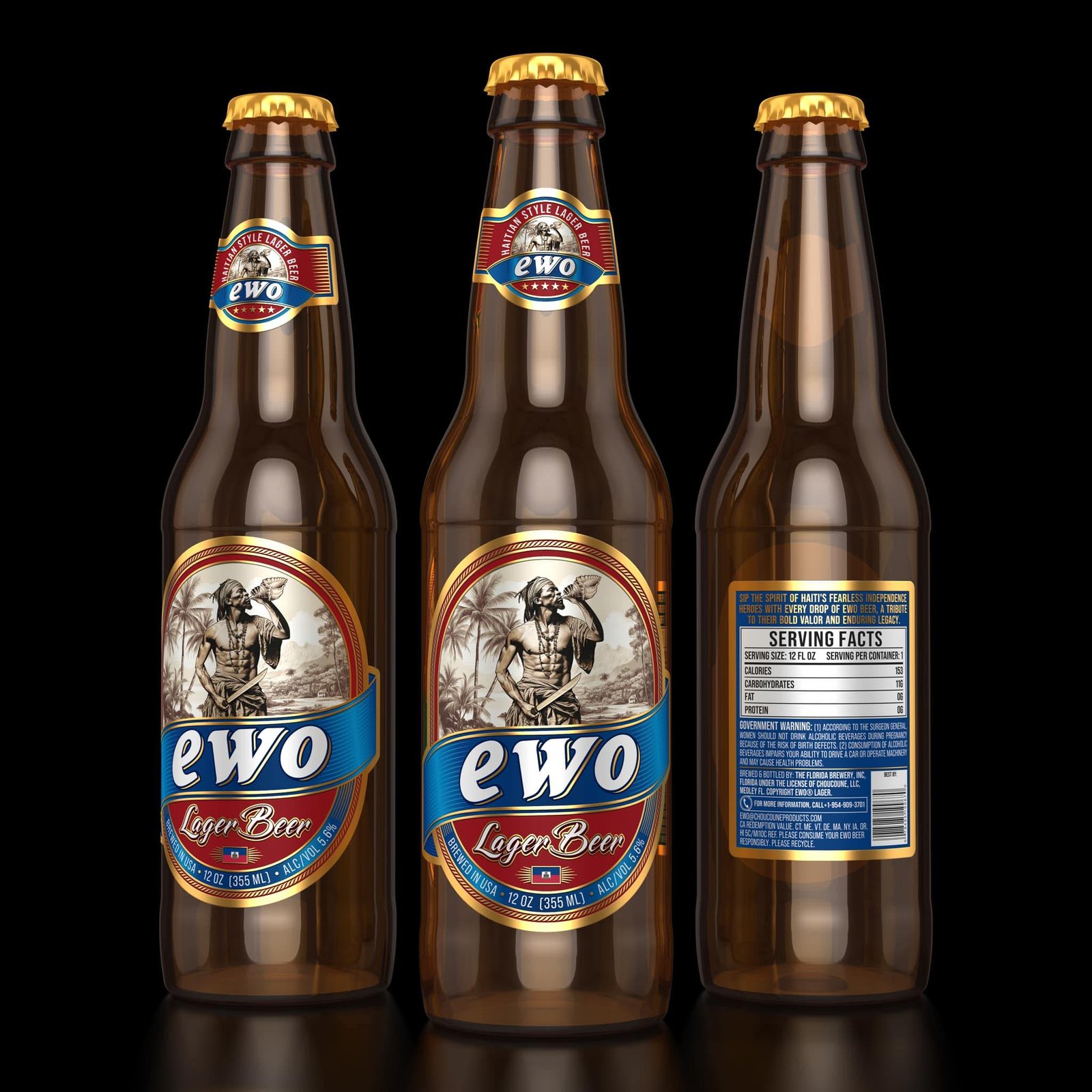
December 1 marked an exceptional moment for the Haitian community and beer lovers around the world, with the official launch of “Ewo” beer by Haitian entrepreneur Jhonson Napoléon. After the success of “Kola Choucoune”, already present in several countries, including the United States and Canada, it is the turn of “Ewo” beer to take the American market by storm. Available in several cities in the United States, this beer embodies the perfect marriage between tradition and innovation, offering consumers a unique taste experience. “Ewo” beer is much more than just an alcoholic beverage. It is a delight that skillfully blends the authentic flavors of Haitian culture with a touch of innovation. In a country where Prestige beer and Barbancourt rum have already conquered palates around the world, “Ewo” beer is proudly added to the list of Haitian taste treasures. Jhonson Napoléon, the man behind this new creation, continues to fly the colors of Haïti across the globe. His commitment to promoting quality Haitian products continues to strengthen the reputation of his country of origin. “Ewo” beer is not just a drink, it is a symbol of Haitian creativity and perseverance that transcends borders. This new step demonstrates the country’s ability to be part of the global trend for quality craft beers. “Ewo” beer is not only a leading local product, but it also stands out on the international scene as the representative of a rich and dynamic culture. The pride that Haitians feel for the success of Jhonson Napoléon and the growing fame of “Ewo” beer is palpable. It is a success story that transcends geographic boundaries and embodies the strength of the Haitian entrepreneurial spirit.

Newsletter

Subscribe to our newsletter to stay informed of all our activities and news on Haiti.

Vertières, Fort Mazi: Beyond historical truth;

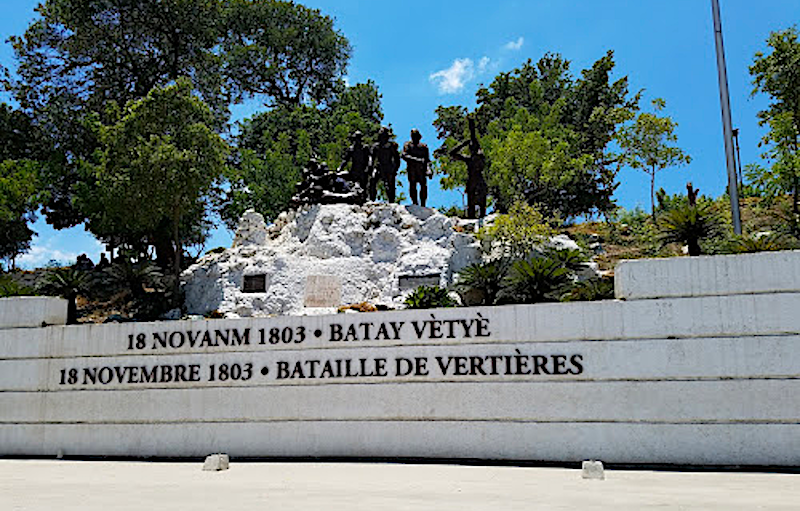
If you look up the word vertière in a French dictionary, you will not find it for fear that the world does not know this place represents the Achilles heels of the most powerful European army. What’s more, this one had just successfully won the eastern campaign. French historians of the time erased this geographical location from the radar of history because they did not want to tell the story as it is in the sense of explaining the first great humiliation of the expeditionary army French by bands of slaves who were totally ignorant in the art of waging war, much less in the handling of weapons. However, these illiterate wars routed the Napoleonic army, the most powerful at that time, using the means at hand. This expeditionary army, after having brought Europe to its knees, would experience its first rout by slaves in this geographical location, located in the Northern department of Haiti. Funny story, this city is not on the list of French words even though given its historical importance, it should be at the heart of universal history, far from putting an end to the invincibility of the undefeated army army. So as not to offend the white masters, no political leader has ever asked why vertière does not appear in any French dictionary? However, they celebrate this battle with great fanfare every November 18. What historic hypocrisy among our leaders! After Vertière many other historical places are strangled by historians in order to hide the extremes of atrocities of the French colonists on the slaves. It is in this context of historical strangulation that “Fort Mazi” is not mentioned in school history textbooks. This is located in Petit-Goave, 2nd municipal section, Arnoux locality. We came across this mega fort, during a mobile clinic entirely financed by the Ernest Junior foundation, a charitable foundation which works in the social sector, particularly in the field of art and music. According to residents , the oldest in this locality, this fort was built on at least 20 squares of earth by the settlers. It was a huge military complex divided into compartments, outposts, turtle rooms, rooms for treating colonists, a large Catholic church, and a cemetery. However, we never talk about this fort so much so that it is ignored by history teachers in the town of Petit-Goave. Certainly, the desired disappearance of this fort under the radar of history buries the atrocities, the barbarities, the most inhumane punishments of the colonists on the slaves. Looking closely at reality, everything seems true that it is the largest fort ever built during the period of colonization. Moreover, it probably seems the most fortified in relation to its importance. Remember that Vertière only exists in Haitian school history textbooks while Fort Mazi does not appear, much less in French dictionaries or history books. This explains why this fort was a secret place in which the settlers practiced crimes and atrocities that went beyond human understanding. Is it not a clear desire of historians to hide what this immense fort built on at least 20 tiles of earth really was? Discover the history of Haiti: A fascinating story to explore! : https://haitiwonderland.com/haiti/histoire/decouvrez-l-histoire-d-haiti--un-recit-fascinant-a-explorer/81

Recently Posted

History

History

First black nation to free itself from slavery and gain independence from France in 1804 and influenced other liberation movements around the world, inspiring struggles for freedom and equality.

Natural beauty

Natural beauty

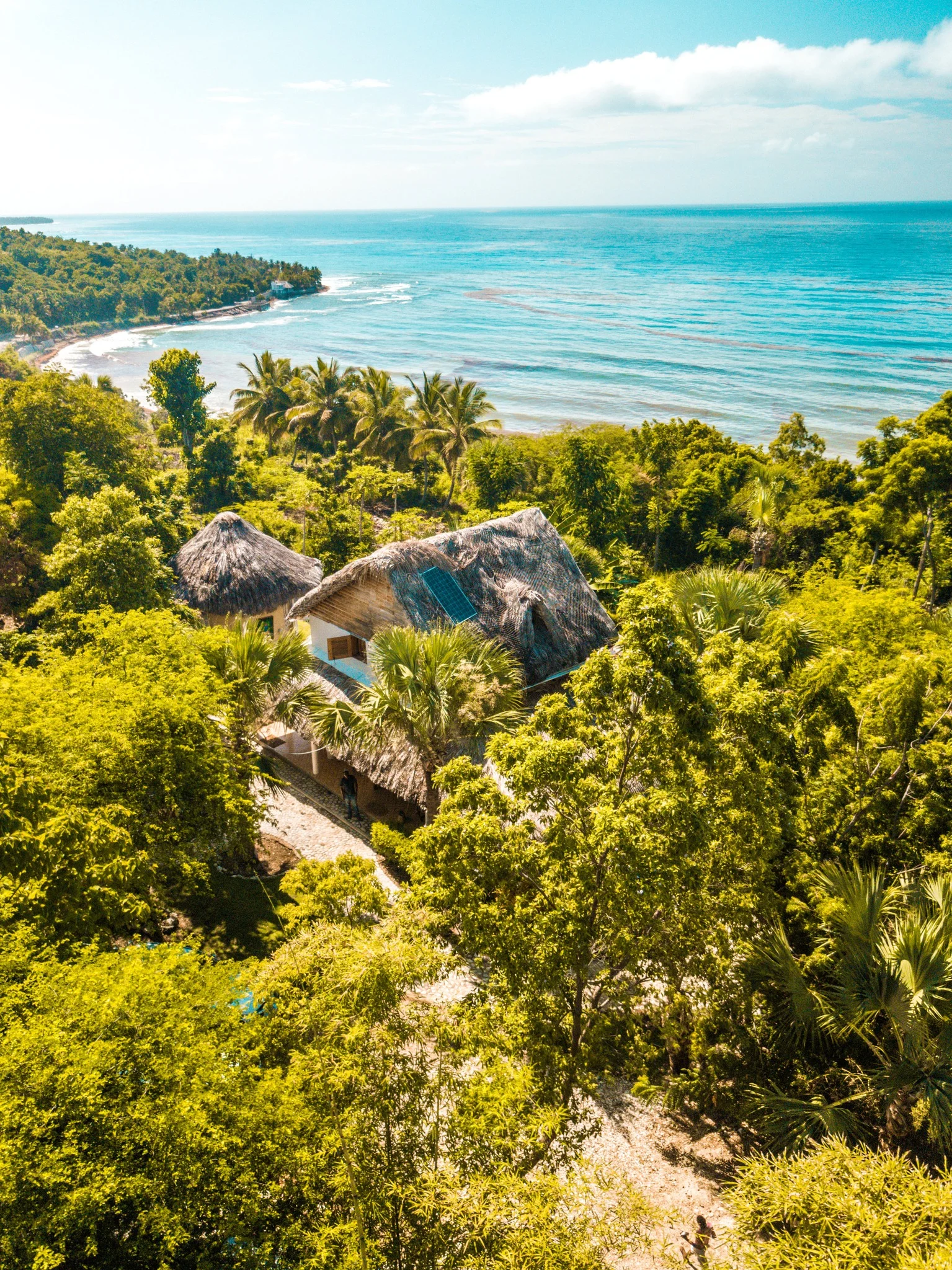
Haïti is blessed with spectacular natural landscapes, including white sand beaches, mountains and rich biodiversity.

Heritage

Heritage

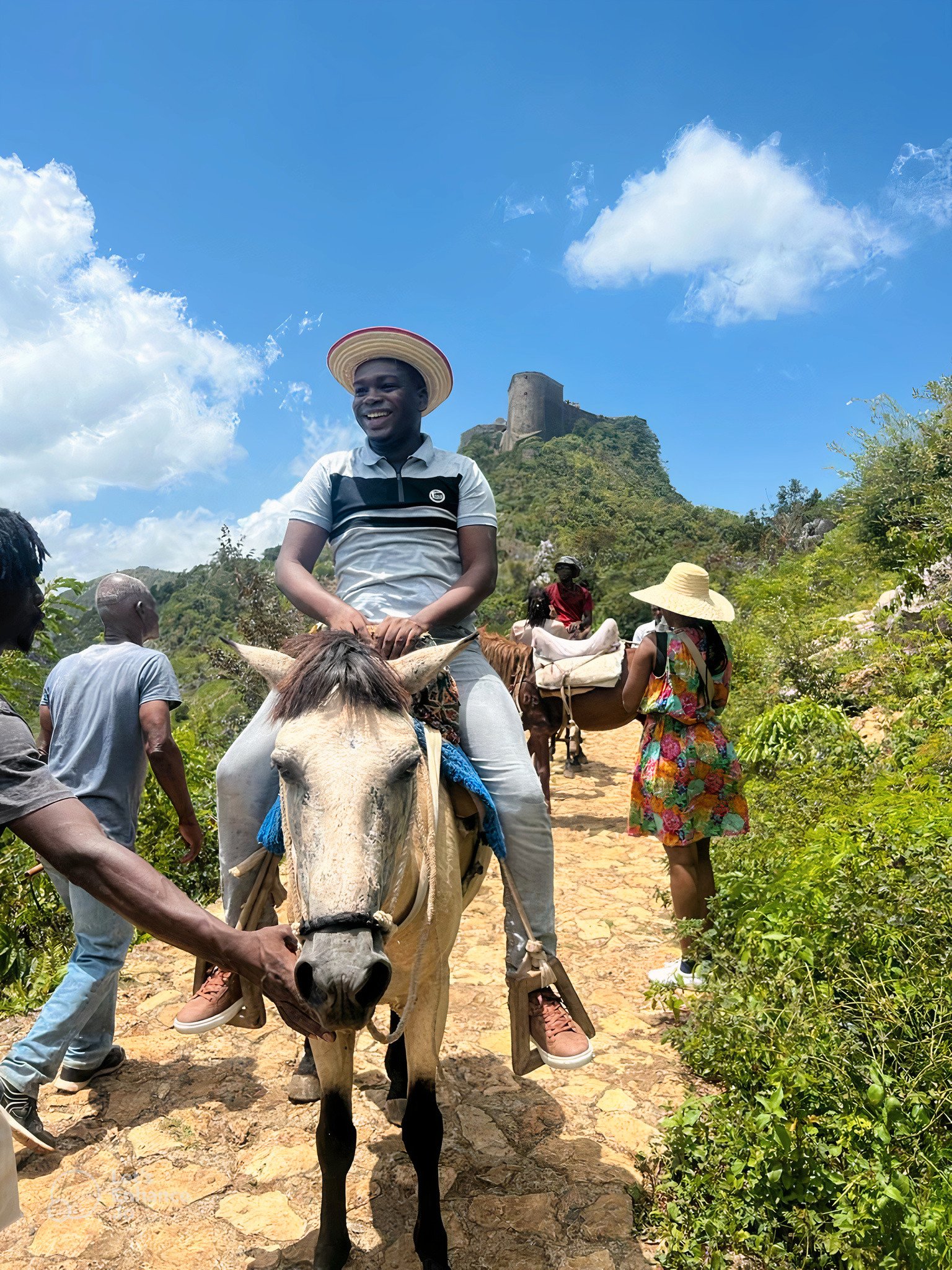
Haïti has a rich historical heritage, including sites like the Citadelle Laferrière and the Sans-Souci Palace, listed as UNESCO World Heritage Sites.

Culture

Culture

Haïti has a rich and diverse culture, influenced by African, European and indigenous elements. Haitian music, dance, art and cuisine are celebrated around the world.

  • +
    • Post