contact@haitiwonderland.com+509 36184317

Discover

Shopping Cart

What Does December 25th Mean to Haitians?

What Does December 25th Mean to Haitians?

In Haiti, December 25th, Christmas Day, is much more than just a religious holiday. It is a date filled with traditions, cultural meanings, and moments of sharing. This article explores what this day means to Haitians and how it is celebrated throughout the country.

A Deep and Spiritual Religious Holiday

For most Haitians, December 25th is first and foremost a religious holiday, marking the birth of Jesus Christ. As a country where the Christian faith, particularly Catholicism and Protestantism, is central, Christmas is a sacred day.

Haitians gather in churches for special masses, often accompanied by Christmas carols, prayers, and Bible readings. These celebrations provide an opportunity to connect with their faith while sharing a spiritual moment with the community. Christmas mass is a tradition deeply rooted in the hearts of Haitians and is the highlight of the festivities.

Haïti
Haïti
Haïti

A Moment of Sharing with the Family

Beyond the religious dimension, December 25 is a day dedicated to family. Haitians take advantage of this holiday to gather with their loved ones around a festive meal. This moment is marked by warm exchanges, lively discussions and a deep feeling of gratitude.

The Christmas meal is a central element of this day. It often includes emblematic dishes such as griot, rice with peas, bananas weighed, potato bread and of course, the traditional soup joumou for some. Families take the time to cook together, strengthening family ties and perpetuating recipes and culinary traditions.

Haïti
Haïti
Haïti

A Day of Generosity and Solidarity

December 25 is also an opportunity to show generosity towards the most disadvantaged. In Haiti, Christmas celebrations are often marked by community initiatives: food distributions, gifts for underprivileged children, or the organization of collective meals.

Churches, associations and even families get involved to help those in need, thus illustrating the Christmas spirit which emphasizes sharing and solidarity. This generosity reinforces the sense of community which is at the heart of Haitian culture.

Haïti
Haïti
Haïti

A Day of Cultural and Festive Expressions

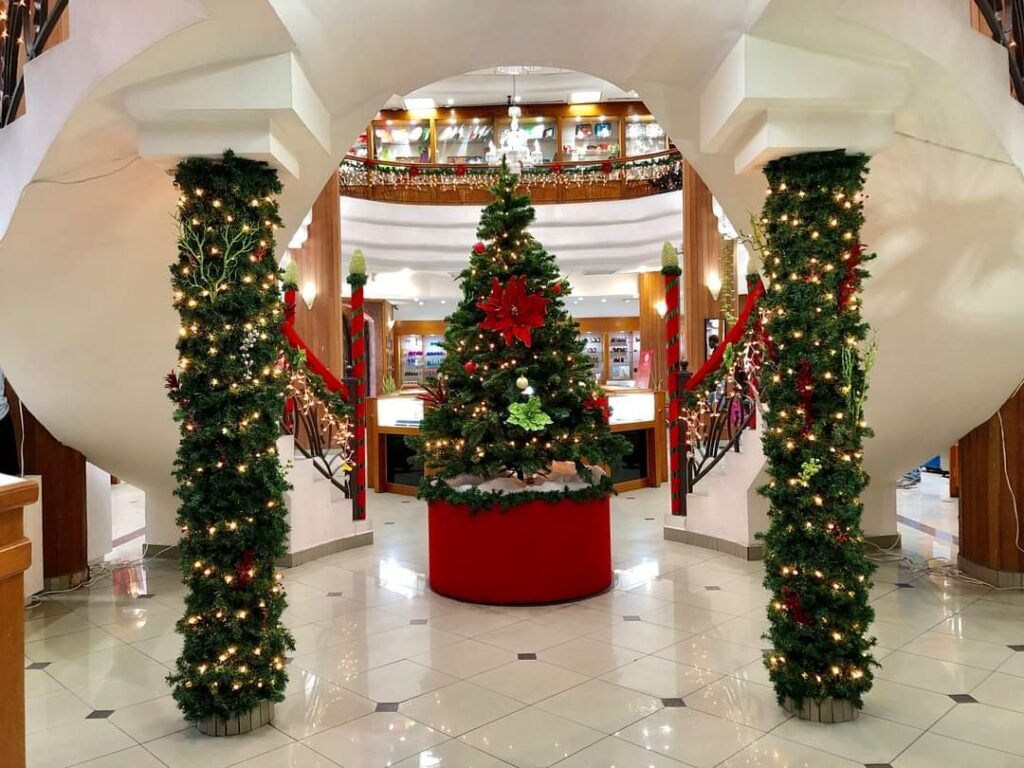
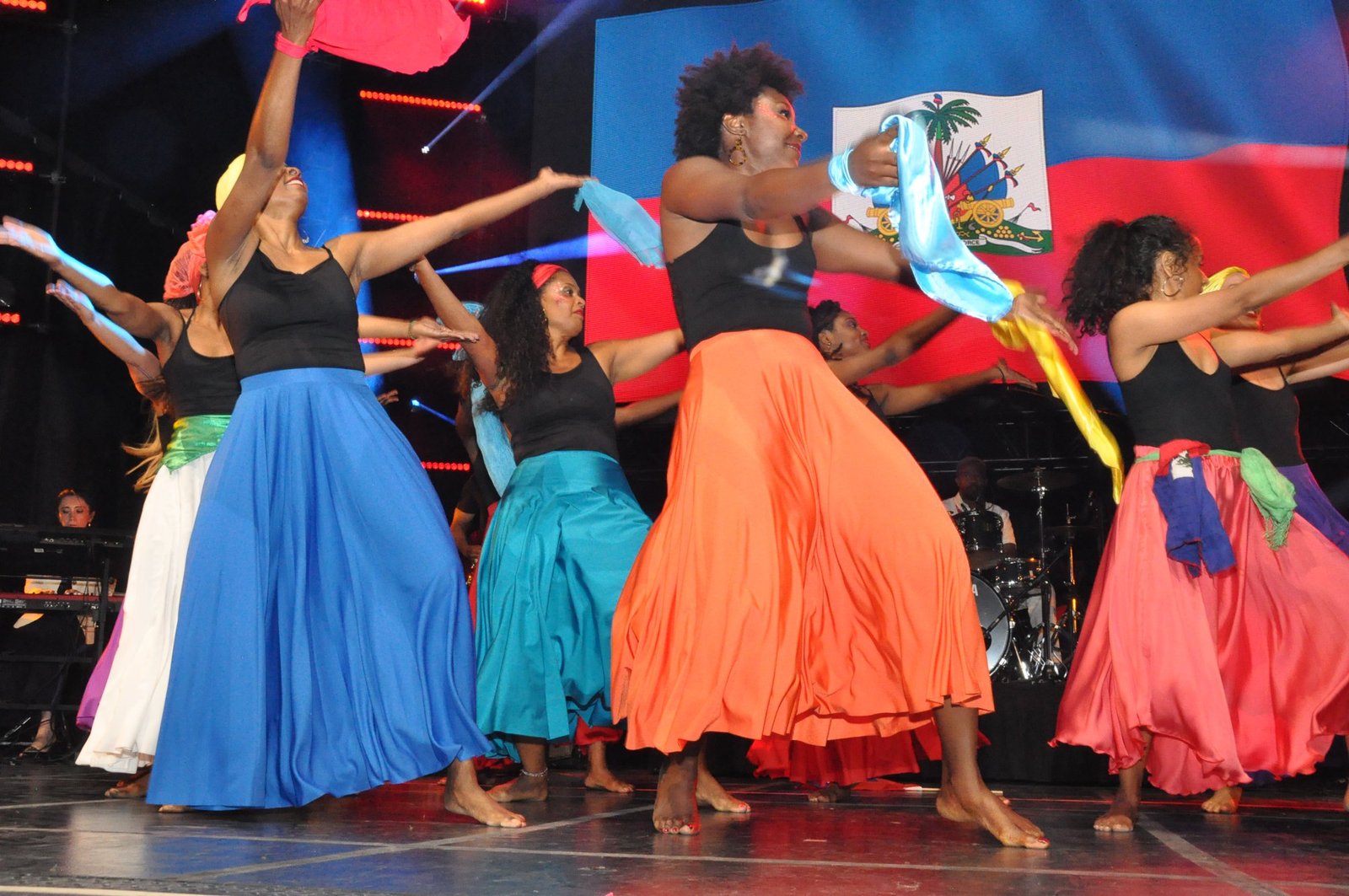
December 25 is also an opportunity for Haitians to express their creativity through music, dance and decorations. Christmas carols, whether traditional or modern, resonate in homes and neighborhoods. Families decorate their homes with lights, garlands, and sometimes even handmade nativity scenes, demonstrating their commitment to tradition.

Children play a central role in these celebrations, receiving gifts or surprises prepared by their parents. These moments of joy and laughter make December 25 a particularly magical day for the youngest.

Haïti
Haïti
Haïti

December 25: A Blend of Faith, Family, and Culture

For Haitians, December 25 is a day when faith, family, and culture intertwine to create a unique moment of celebration. It is an opportunity to reconnect with loved ones, share the values ​​of solidarity and generosity, and celebrate their cultural heritage.

Whether through masses, festive meals, Christmas carols, or charitable initiatives, Christmas in Haïti is a celebration rich in meaning and emotion. For Haitians, December 25 is not just a day, it is a celebration of life, love and hope.

Share
About the Author
Appolon Guy Alain
Appolon Guy Alain
Appolon Guy Alain

Full Stack Developer, Créatif, expérimenté, passionné des nouvelles technologies et de l’art.

See other articles from Appolon Guy Alain
Leave a comment

Recently Posted

Living in Prose and Poetry: an unmissable summer event in Port-au-Prince.

Living in Prose and Poetry is an artistic and cultural event organized by the cultural organization Salon de Livre de Port-au-Prince (OCSLPAP) with the aim of bringing together young artists from the Haitian capital to exhibit them to a large audience . This edition will take place on Saturday July 27, 2024, at the pyépoudré cultural center, located at number 332 on the Route de Bourne. This year the organizers announce their mission is to bring together talents from various categories of arts, always with the aim of helping them to become familiar with each other, and to help create a solid link between them and the Haitian public. . The categories targeted by the organizers for this second edition are young poets, slammers, comedians, rappers, dancers, singers, painters, and writers who have already published at least one work. Living in prose and poetry will also be an opportunity to encourage Haitian youth to think. The first part of the event will be devoted to a discussion around a text by the famous Haitian writer Louis Philippe Dalembert, entitled The Other Face of the Sea. It is a novel which carefully addresses the subject of immigration and detachment that goes with it in the immigrant’s skin. It is a book that speaks openly to the reality of the Haitian people today. It has already been announced that this first part will be moderated by the journalist and literary critic Carl Pierrecq who works for the short story writer, and moderation will be provided by Pierre Marie, a young sociology student at the Faculty of Human Sciences (FASCH). After a largely successful first edition which took place in May 2023 in the premises of the municipal library of Delmas, the organizers of living in prose and poetry say they are determined and have made the promise for this year to deliver to the public port-au -princien, a cultural event of exceptional scale for the second outing. Once again, this will be the perfect opportunity to celebrate the great richness of Haitian culture through the organs of our young talents. Given the difficult context, manifested by the almost daily situation of insecurity which has prevailed for some time, in a good part of Port-au-Prince, the announcement of this event comes as a fresh breath of oxygen, scattered throughout the within the lungs of the city. It is yet another opportunity to remind through this artistic festivity that even in times of deep unrest, art will remain an indispensable light, because even in times of crisis, the latter and the artist (its channel of diffusion) will become refuges, sources of comfort and appeasement for all human souls.

Newsletter

Subscribe to our newsletter to stay informed of all our activities and news on Haiti.

Haïti, a rich and impoverished country

Located in the western part of the island of Hispaniola, Haïti is a land imbued with natural, cultural and historical wealth. Unfortunately, behind the beauty of its landscapes, the richness of its culture and the delicacy of its cuisine lies a complex reality marked by the debt of its independence and the persistent interference of third countries, casting a shadow over its stability. b~The Natural Beauty of Haïti~b Haïti, nicknamed the "Pearl of the Antilles", dazzles with the diversity of its landscapes. From majestic mountains and lush valleys to meandering rivers and sandy beaches, the country offers natural beauty worth celebrating. The famous Citadelle Laferrière mountains and the refreshing waterfalls of Bassin-Bleu are just a few examples of the splendor that characterizes this nation. b~A Rich and Diverse Culture~b Haïti stands out for its vibrant and diverse culture. A heritage of African, French and indigenous influence, Haïtian music, dance and art reflect a unique fusion. Colorful festivals, like Carnival, are celebrations of this cultural richness, attracting visitors from all over the world. b~Delicious Cuisine~b Haïtian cuisine, tasty and spicy, is another aspect worth celebrating. Dishes like griot, sticky rice, and the legendary joumou soup, traditionally prepared to commemorate independence, are all culinary delights that demonstrate the country’s gastronomic ingenuity. b~Heritage Treasures and Paradise Beaches~b Haïti’s heritage treasures, such as the remains of the Sans-Souci Palace and the Citadelle Laferrière, listed as UNESCO World Heritage Sites, are testimonies to the architectural grandeur of Haïti’s past. At the same time, beaches like Labadee and Jacmel offer havens of peace with crystal clear waters, attracting travelers in search of a tropical paradise. b~A Fascinating Story~b The history of Haïti is both fascinating and tragic. It was the first country in the Americas to gain its independence, in 1804, after a courageous slave revolt. However, this independence came with a heavy financial price. France demanded exorbitant compensation, thus laying the foundations for Haïti’s foreign debt. b~The Debt of Independence and Foreign Interference~b Despite these treasures, Haïti struggles with the reality of its independence debt. After gaining its freedom, the country was forced to pay France a considerable sum in compensation for losses associated with the abolition of slavery. This debt has been a major economic burden for Haïti, hindering its development. Additionally, foreign interference continues to create significant challenges. External political and economic interventions have often contributed to the country’s instability, hindering its ability to build a sustainable future for its citizens. b~In conclusion~b Haïti remains a country of multiple riches, but its challenges persist. Despite its natural beauty, rich culture and fascinating history, the nation needs enlightened international support and lasting solutions to overcome the obstacles that stand in its way. Haïti’s wealth lies not only in its enchanting landscapes, but also in the potential of its people to be resilient and prosper despite persistent challenges.

Recently Posted

History

History

First black nation to free itself from slavery and gain independence from France in 1804 and influenced other liberation movements around the world, inspiring struggles for freedom and equality.

Natural beauty

Natural beauty

Haïti is blessed with spectacular natural landscapes, including white sand beaches, mountains and rich biodiversity.

Heritage

Heritage

Haïti has a rich historical heritage, including sites like the Citadelle Laferrière and the Sans-Souci Palace, listed as UNESCO World Heritage Sites.

Culture

Culture

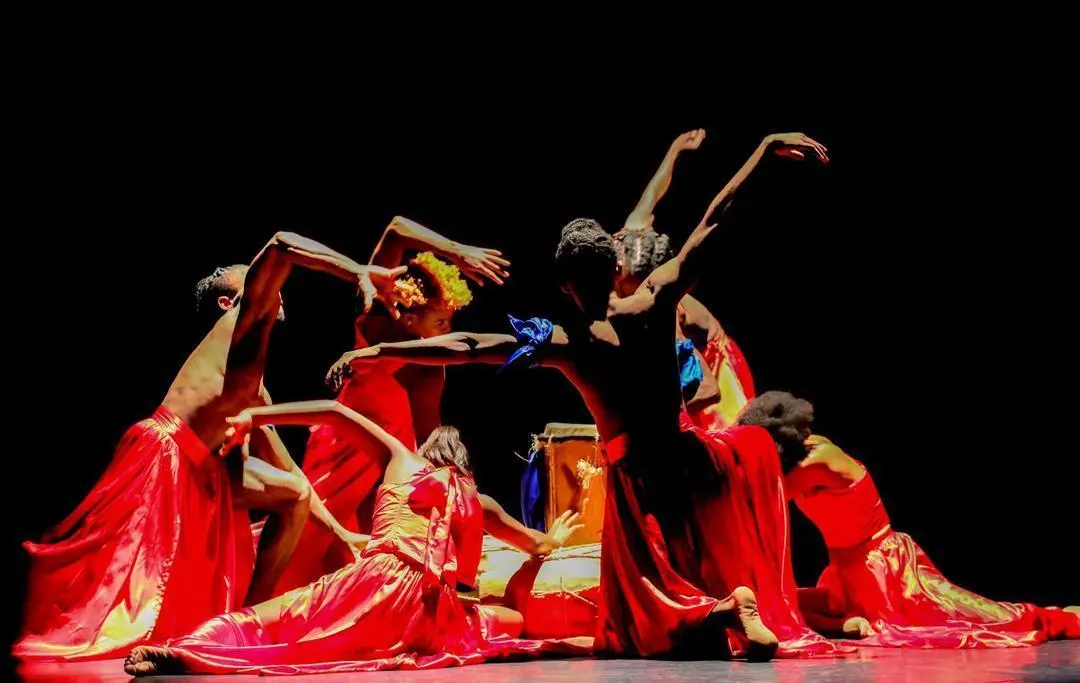
Haïti has a rich and diverse culture, influenced by African, European and indigenous elements. Haitian music, dance, art and cuisine are celebrated around the world.

  • +
    • Post