contact@haitiwonderland.com+509 36184317

Discover

Shopping Cart

Discover the Origins of the Haitian Creole Language

Discover the Origins of the Haitian Creole Language

The Haitian Creole language, spoken by nearly 12 million people, is much more than just a means of communication. It embodies the history, culture, and identity of Haiti. But where does this unique language come from? This article explores its origins, evolution, and central role in Haitian society.

Haïti
Haïti
Haïti

A Language Born of Resistance and Resilience

Haitian Creole was born during the 17th and 18th centuries, during the French colonial period in Saint-Domingue (now Haiti). At that time, millions of Africans were uprooted from their lands and enslaved to work on sugarcane, coffee, and indigo plantations.

These slaves came from different regions of Africa and spoke different languages, making communication between them difficult. They had to find a way to communicate not only with each other, but also with the French colonists. Haitian Creole thus developed as a mixture of African languages, regional French dialects, and to a lesser extent, terms borrowed from other European and indigenous languages.

The Creole language was thus born out of a need for survival and resistance, becoming a symbol of unity for the slaves in their fight against oppression.

See as well

The Influence of French and African Languages ​​

Haitian Creole finds its main roots in French, which was the language of the colonists. However, it incorporates many elements of African languages, particularly in terms of grammatical structure, pronunciation, and vocabulary.

- French: The majority of words in Haitian Creole come from French, but their pronunciation and spelling have been adapted to reflect the sounds and needs of the speakers. For example, mwen (I, me) comes from the French moi, and li (he/she) from lui.
- African languages: African influence can be found in syntax, tones, and some specific terms, such as vèvè (a symbol used in voodoo) or zantray (entrails).
- Other influences: Some words come from Spanish, English, and Native American languages, due to cultural and commercial exchanges in the Caribbean region.

This unique fusion gave birth to an original language, with its own grammar and phonetic system.

Haïti
Haïti
Haïti

The Role of Creole in Haitian History and Culture

After Haïti gained independence in 1804, Creole remained the majority language spoken by the population. However, French continued to dominate as the official language and language of the elite, creating a linguistic and social divide that persists to this day.

Despite this, Haitian Creole has always been at the heart of Haitian culture. It is the language of songs, stories, proverbs and voodoo rituals. It reflects the spirit and creativity of the Haitian people, preserving and transmitting the oral traditions and history of the country.

In 1987, the Constitution of Haïti officially recognized Creole as a national and co-official language alongside French, marking a turning point in its promotion.

Haïti
Haïti
Haïti

Creole Today: A Living and Dynamic Language

Today, Haitian Creole is spoken by the entire population of Haïti and by the Haitian diaspora around the world. It continues to evolve, enriched with new expressions and adapting to modern realities.

Many initiatives aim to promote and develop Creole, including through:
- Education: School programs and textbooks in Creole are increasingly used to facilitate children’s learning.
- Media: Radio, television, and social networks in Creole play a crucial role in its dissemination.
- Literature: Haitian writers publish works in Creole, contributing to its cultural influence.

Creole is also taught in universities abroad and studied as an example of a Creole language in its own right, which reinforces its international recognition.

A Symbol of Haitian Identity

Haitian Creole is not only a language; it is a pillar of national identity. It testifies to the resilience and creativity of Haitians in the face of the trials of their history.

Through Creole, Haitians affirm their cultural pride and their attachment to their roots. It is a language that unites, that tells a story of struggle and triumph, and that continues to carry the soul of a people.

Why is Creole so Important to Haitians?

Haitian Creole is much more than a tool of communication: it is a reflection of the history, culture and spirit of the Haitian people. Its birth in the most difficult conditions, its evolution into a symbol of national pride and its central role in daily life make it an exceptional and precious language.

In Haïti and abroad, Creole remains a bridge between the past and the future, uniting generations and reminding everyone of the very essence of what it means to be Haitian.

Share
About the Author
Appolon Guy Alain
Appolon Guy Alain
Appolon Guy Alain

Full Stack Developer, Créatif, expérimenté, passionné des nouvelles technologies et de l’art.

See other articles from Appolon Guy Alain
Kervensky

Premye ak dezyèm rezolisyon sou alfabèt kreyòl la

August 10, 2025 - 08:47:26 PM
Jeanbertho Tilus

Mwwen se yon ayisen tout bon vle map mouriii pou hayti kpk bwa kale net a les.

August 23, 2025 - 05:46:54 AM
Leave a comment

Recently Posted

Newsletter

Subscribe to our newsletter to stay informed of all our activities and news on Haiti.

Conference / Festival Quatre Chemins / 21st edition

The impact of collective and individual trauma on the personal development of young people in Port-au-Prince While writers, actors, dancers, poets, among others, have gratified us with their performances, the master’s degree student in psychology at the Faculty of Human Sciences (FASCH), Lourdya Blaise, spoke with the audience about trauma. Structured around the theme "Youth and Trauma, analysis of the impact of collective and individual trauma on the personal development of young people living in Port-au-Prince between 2010-2024", this conference gave rise to enriching discussions. During this meeting, moderated by Michaël Formilus, Ms. Blaise showed how the events that have taken place in the country have caused cases of trauma among Haitians. According to the student, citing the American Psychological Association, we speak of trauma as a consequence of trauma. The latter is explained by the fact that we feel threatened, whether it is the person in question or their loved ones. However, she specifies that a collective trauma remains depending on the impact that the event has on the individual. To illustrate her remarks, she mentioned the earthquake of January 12, 2010, considered a collective trauma, insofar as it still occupies our minds. This tragedy reminds us of the disappearance of our loved ones and enormous losses. This is the case of a trauma that becomes a collective trauma. For the student, it should be emphasized that when an event occurs, some people are traumatized and others are not. According to him, the violence of armed gangs is not perceived in the same way, says Ms. Blaise. There are people who have fled their homes but are not traumatized. In fact, some people see traumatic situations as a passing event, she says. The speaker also spoke about collective trauma, which, according to him, preoccupies the mind, even if we no longer experience it. It manifests itself in several forms: lack of sleep, fear psychosis, intrusive thoughts, intense heartbeat, etc. Generally, symptoms related to trauma are hard to die. When it persists, it becomes acute stress. To deal with it, we must talk to other people. If the situation persists, acute stress turns into a phase of post-traumatic stress; in this case, we must confide in a trusted person or go see a mental health specialist, she advises. In her presentation, Lourdya Bazile also drew attention to the psychological state of children in these times. According to the presenter, children are also facing this crisis situation, even if they do not talk about it to their parents. As much as adults, children also plan their future. Faced with flouted school years, they become pensive and worried, she stressed. They withdraw. The child who used to be brilliant can become violent and perform less well at school. Parents are called upon to listen to them and understand them. A good moment of exchange, rich in practical advice. The audience participated fully. In turn, the presenter invites them to breathe better and meditate. "We live in a country where worries mix, we must take time for ourselves, do sports, eat well, make sure that the sleeping space is clean and take time for ourselves. There is more than one way to find calm," recalls the psychologist. Gertrude Jean-Louis

Recently Posted

History

History

First black nation to free itself from slavery and gain independence from France in 1804 and influenced other liberation movements around the world, inspiring struggles for freedom and equality.

Natural beauty

Natural beauty

Haïti is blessed with spectacular natural landscapes, including white sand beaches, mountains and rich biodiversity.

Heritage

Heritage

Haïti has a rich historical heritage, including sites like the Citadelle Laferrière and the Sans-Souci Palace, listed as UNESCO World Heritage Sites.

Culture

Culture

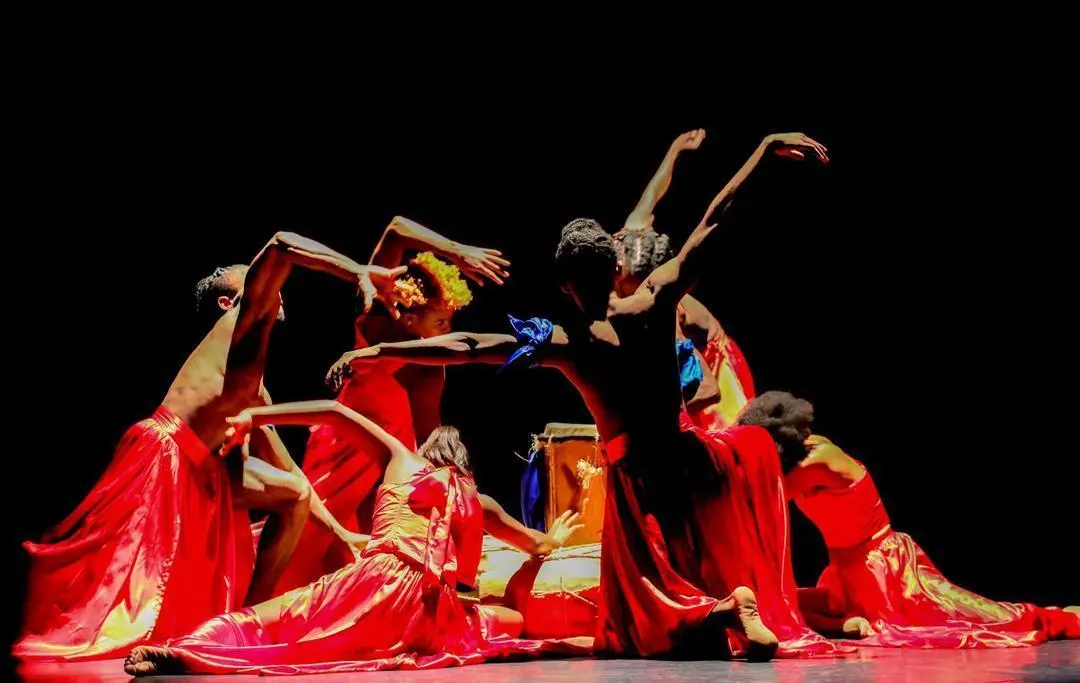
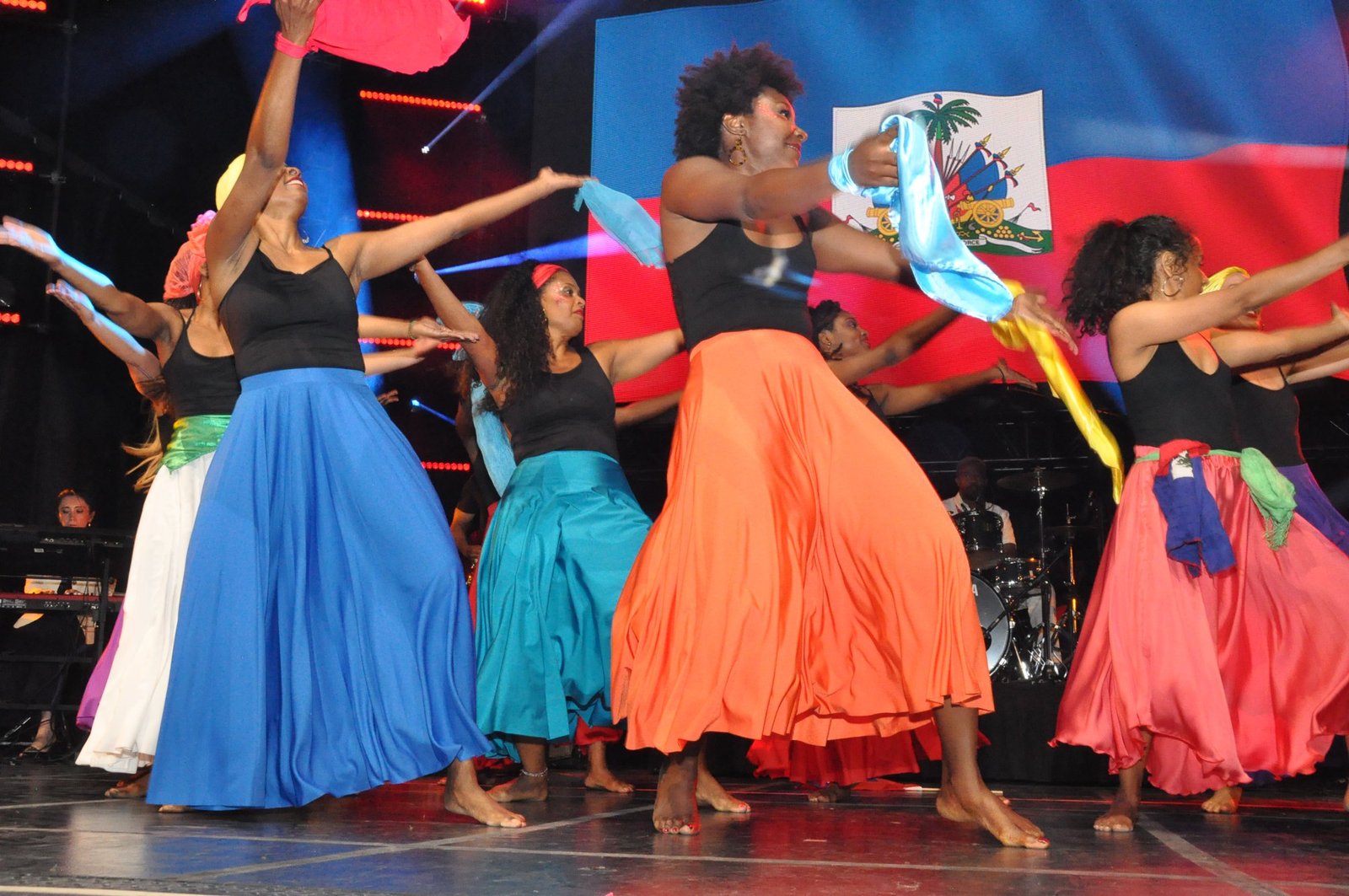
Haïti has a rich and diverse culture, influenced by African, European and indigenous elements. Haitian music, dance, art and cuisine are celebrated around the world.

  • +
    • Post