contact@haitiwonderland.com+509 36184317

Discover

Shopping Cart

A Pre-Parade to Kick Off the Festivities

A Pre-Parade to Kick Off the Festivities

Jacmel Opens Carnival 2026 with Splendor and Creativity

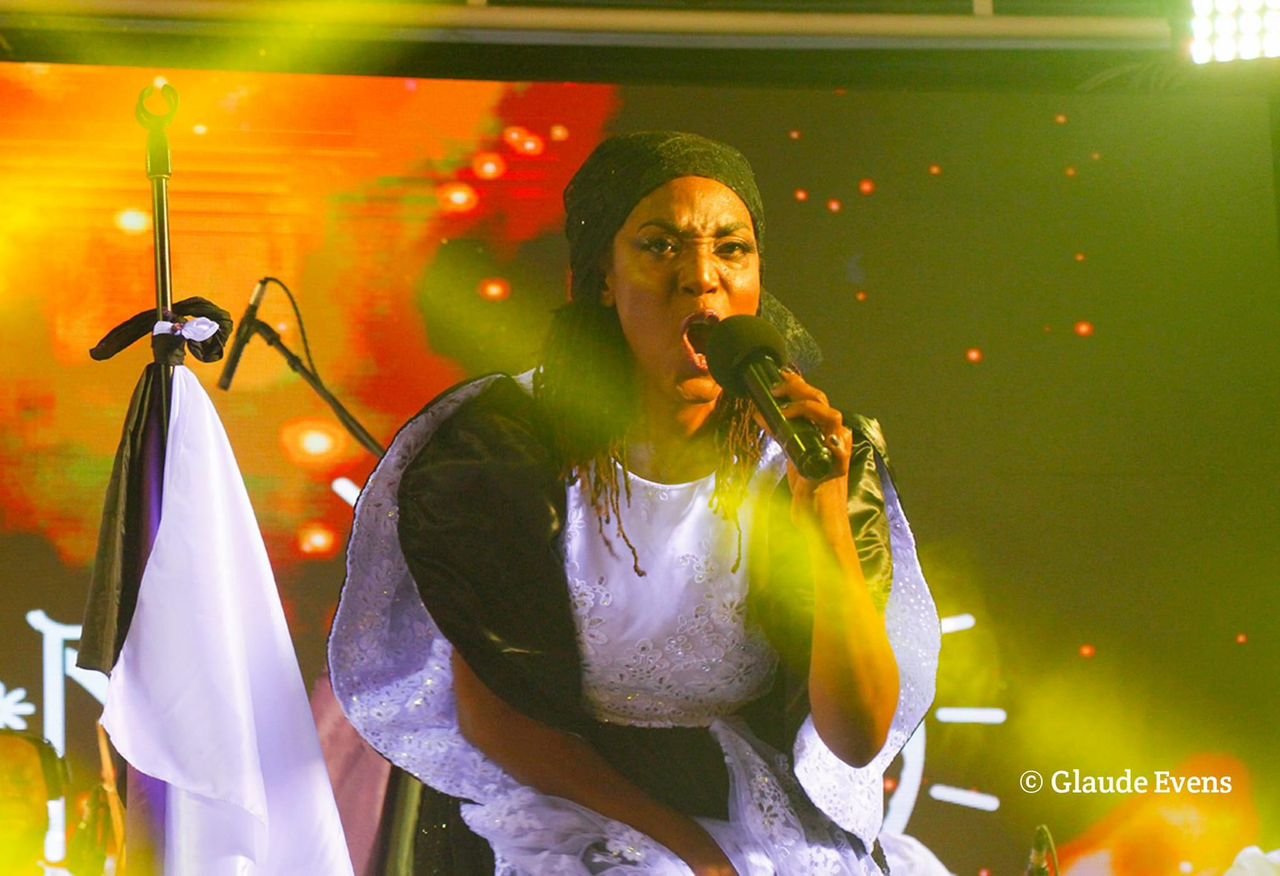
The city of Jacmel launched the festivities of the 2026 National Carnival with a spectacular pre-parade, organized by the city hall in partnership with the carnival committee. This first major event marks the official entry of the southeastern city into a festive season eagerly awaited by residents and visitors alike.

Streets Transformed into an Open-Air Stage

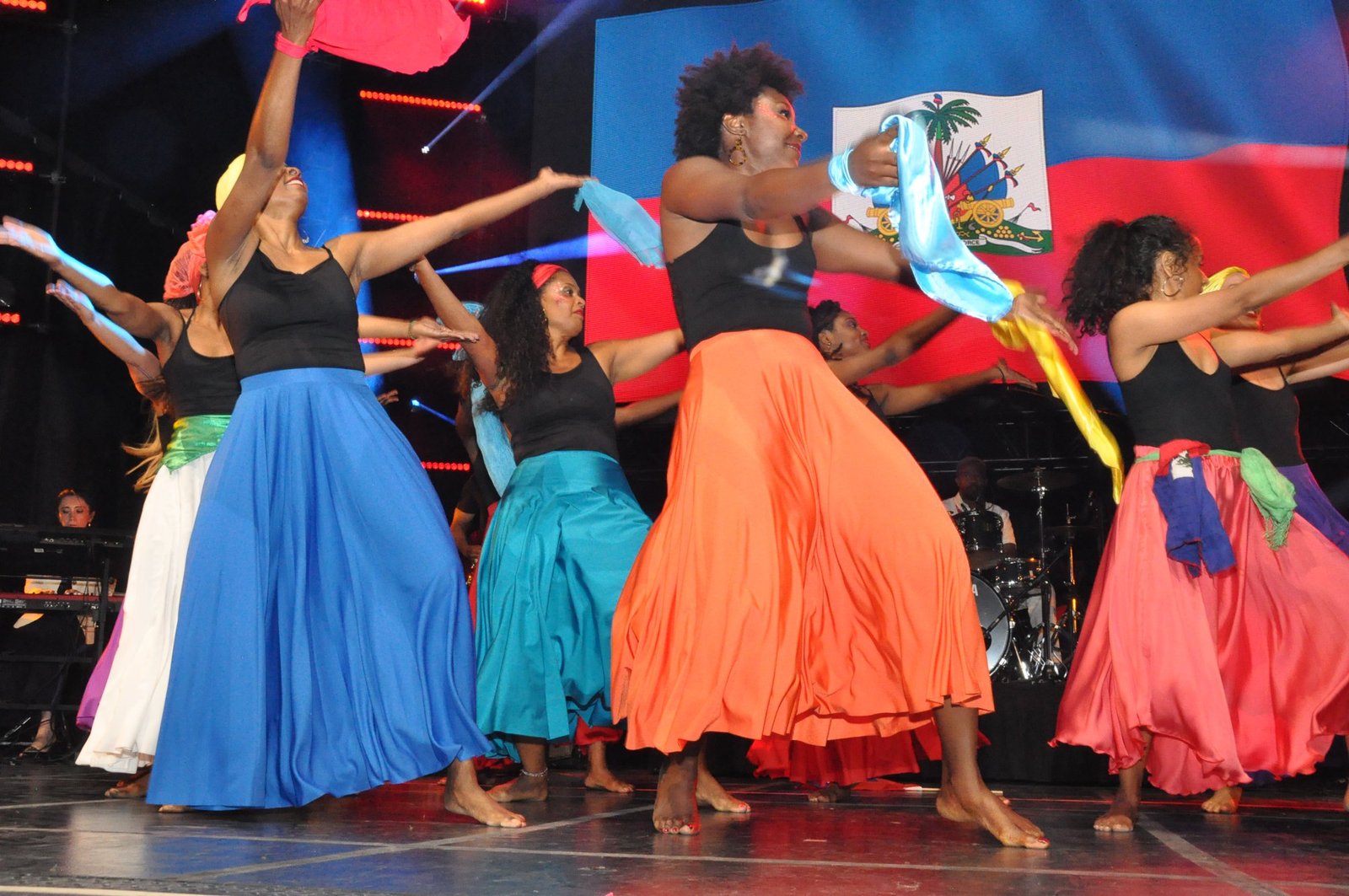
Early on, the city streets were transformed into a vast open-air theater. Dance troupes, traditional masquerades, and marching bands filled the main thoroughfares, offering a vibrant spectacle where movement, imagination, and cultural heritage intertwined. Musical entertainment, provided by several DJs, amplified the excitement, immersing the public in a rhythmic, colorful, and creative atmosphere.

A Celebration of Jacmel’s Cultural Identity

Under the theme "Jacmel in Our Dreams," this edition brought together an impressive crowd of carnival-goers, citizens, and visitors who came together to celebrate the city’s cultural identity. The originality of the performances, the exquisite costumes, and the quality of the organization were widely praised, confirming the artistic expertise for which Jacmel is renowned.

Jacmel, an Essential Showcase of Haitian Carnival

Through this successful pre-parade, the city reaffirms its status as a cultural benchmark for Haitian carnival. Tradition and innovation meet here, giving rise to a unique popular expression. Local authorities hope that this festive energy will continue throughout the scheduled activities, contributing to strengthening the tourist and cultural appeal of this southeastern metropolis.

The Jacmel Carnival, a Living and Historic Tradition

The Jacmel Carnival occupies a unique place in Haiti’s cultural history. Renowned for its papier-mâché masks, satirical characters, and keen sense of staging, it has established itself over the decades as one of the most authentic and creative carnivals in the country.

An artistic and symbolic heritage
Stemming from a long history of cultural resistance and popular expression, the Jacmel carnival draws its roots from African, European, and local traditions. It constitutes a space for freedom, social critique, and collective memory, where art becomes language and commitment.

A carnival that tells a story and questions society

Unlike carnivals dominated by musical floats, Jacmel distinguishes itself through a narrative and artistic approach. Each edition tells a story, questions the present, and summons the collective conscience. More than just a celebration, the Jacmel carnival remains a major cultural event, bringing renown to the city far beyond its borders.

Le Makaya, histoire et pratiques vaudouesques en haïti

Le Makaya, histoire et pratiques vaudouesques en haïti

Le Makaya est bien plus qu’une simple fête ; il est un pilier spirituel du vaudou haïtien, une tradition vivante qui lie les croyances ancestrales aux rituels de purification, de guérison et de renouveau. Célébré principalement à la fin du mois de décembre, le Makaya tire ses racines de l’Afrique, en particulier des civilisations bantoues, et se déroule dans un contexte profondément spirituel où les liens avec les ancêtres et les forces naturelles sont essentiels. Le terme "Makaya", qui signifie "feuilles" en Kikongo, est intrinsèquement lié à la nature et aux plantes, éléments essentiels du vaudou. Ce lien direct avec la nature fait du Makaya un moment de purification, où les croyants se connectent à la terre et aux esprits par l’intermédiaire des végétaux. La tradition du Makaya vient des peuples Bantous, principalement du Congo, et de leurs pratiques spirituelles qui ont été transposées, adaptées et enrichies par la diaspora haïtienne pendant la période de l’esclavage. La période du Makaya commence le 21 décembre, lors du solstice d’hiver, une date symbolique marquant la victoire de la lumière sur les ténèbres, le commencement du renouveau solaire. Dans le vaudou, cette époque est perçue comme un moment d’introspection où la nuit la plus longue de l’année se transforme lentement en jour, apportant avec elle des forces purificatrices et régénératrices.

Share
About the Author
Moise Francois
Moise Francois
Moise Francois

Journalist editor, poet and apprentice lawyer.

See other articles from Moise Francois
Leave a comment

Recently Posted

Newsletter

Subscribe to our newsletter to stay informed of all our activities and news on Haiti.

Here are five compelling reasons why you should definitely visit Haiti’s beaches

1- Abaka Bay (Île-à-Vache): Start your Haitian adventure with the magnificent Abaka Bay, recently named one of the most beautiful beaches in the world by CNN. Located on the enchanting island of Île à Vache, this bay offers a pristine white sand beach and calm Caribbean waters, framed by lush green hills. Abaka Bay Resort offers a truly exclusive and secluded experience, with bungalows located directly on the beach, offering panoramic views and direct access to the fine sand and crystal clear sea. The dining options are equally impressive, with one restaurant offering breathtaking ocean views and epic sunsets. To get to Île à Vache, simply take a 15-20 minute boat ride from Les Cayes, located off the southern coast of Haiti. 2- Île à Rat (Amiga Island): As soon as you set foot on Île à Rat (also known as Amiga Island), this little slice of paradise will steal your heart. Its smooth white sand beach immediately catches the eye, while gentle waves create a dreamy oasis against the pearly shore. Located in the turquoise waters off the coast of Plaine du Nord in northern Haiti, Île à Rat is a 1.8 hectare piece of white coral covered in a small wild forest. The island is a peaceful retreat, especially for couples looking for a serene getaway. To get to Île à Rat, you can take one of the many water taxis waiting in Labadee, a 30-minute drive from Cap-Haïtien. Keep in mind that the island is uninhabited, so it is important to bring everything you need for a comfortable stay, including drinking water. 3- Côtes des Arcadins: Nestled north of the bay of Port-au-Prince, Côtes des Arcadins stretches over 19 kilometers of white sand beaches lined with palm trees, making it one of the most popular seaside destinations from Haiti. The combination of the deep blue sea, mountains, mangrove forests and the coral reef formed by the Arcadins islets creates a breathtaking spectacle. It is also a great place for divers. To get there, follow the road north of the bay of Port-au-Prince. You will be amazed by the natural beauty of this region. 4- Plage de Gelée: This beach is one of the most popular thanks to its crystal clear waters and soft sand, all with a pastoral landscape in the background. If you are looking for a place to relax and soak up the sun, Gelée Beach is a great choice. 5- Jacmel Beach: Although swimming is not recommended here, Jacmel Beach is famous for its picturesque charm and artistic atmosphere. It is located in the historic town of Jacmel, known for its lively carnival and colorful houses. Explore the beach, admire the architecture and soak up Haitian culture. Don’t forget your swimsuit and sunscreen, and enjoy these hidden treasures of Haiti! 🏖️☀️



Recently Posted

History

History

First black nation to free itself from slavery and gain independence from France in 1804 and influenced other liberation movements around the world, inspiring struggles for freedom and equality.

Natural beauty

Natural beauty

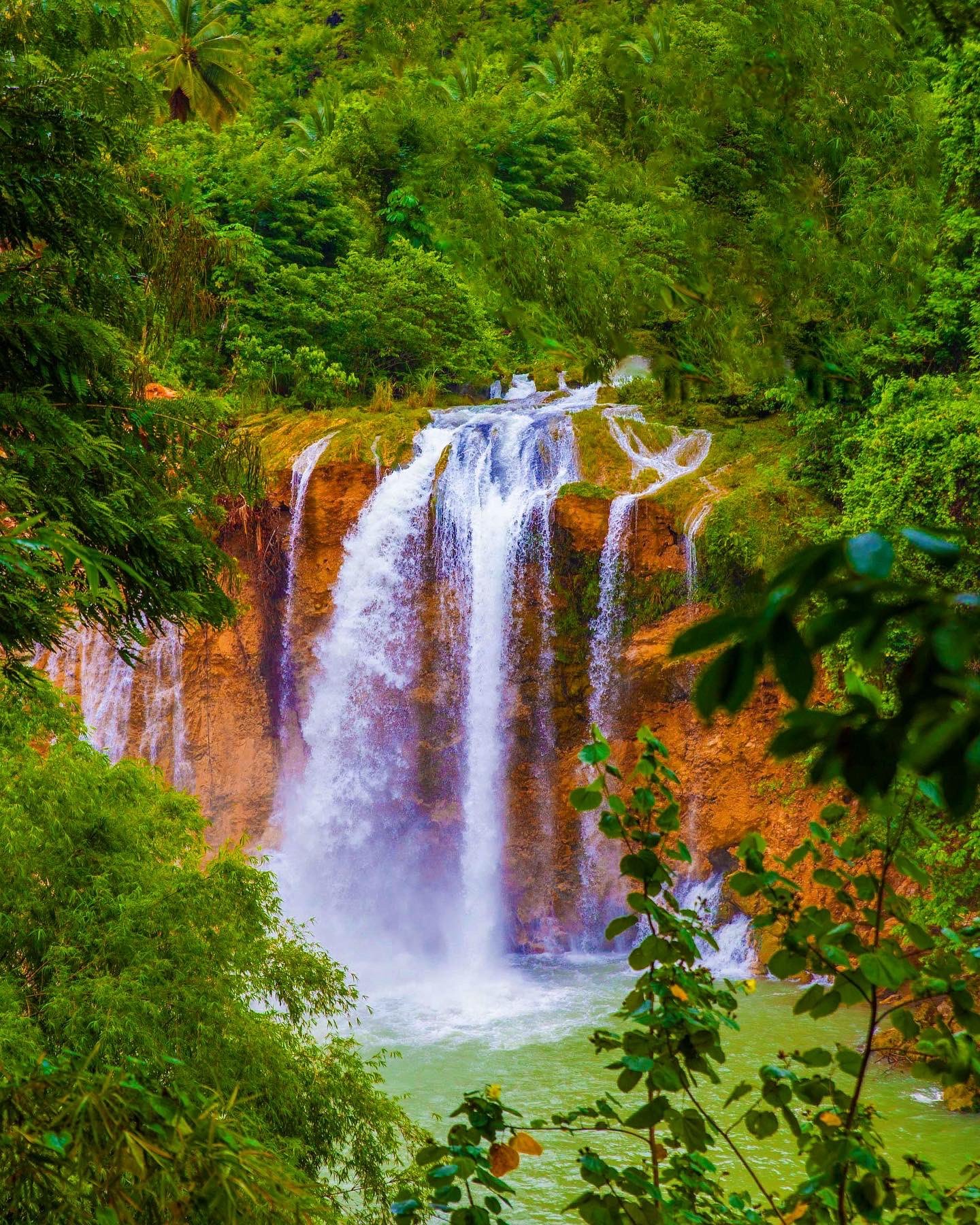
Haïti is blessed with spectacular natural landscapes, including white sand beaches, mountains and rich biodiversity.

Heritage

Heritage

Haïti has a rich historical heritage, including sites like the Citadelle Laferrière and the Sans-Souci Palace, listed as UNESCO World Heritage Sites.

Culture

Culture

Haïti has a rich and diverse culture, influenced by African, European and indigenous elements. Haitian music, dance, art and cuisine are celebrated around the world.

  • +
    • Post