contact@haitiwonderland.com+509 36184317

Discover

Shopping Cart

December 24 and 31: Two Important Dates for Children During Christmas in Haiti

December 24 and 31: Two Important Dates for Children During Christmas in Haiti

In Haiti, Christmas is a magical time for children, where traditions and festivities blend to create unforgettable memories. Two dates, in particular, mark this season: December 24, Christmas Eve, and December 31, which heralds the New Year. These moments are rich in activities and emotions, putting the youngest at the heart of the celebrations. This article explores why these two days are so special for children in Haiti.

Haïti
Haïti
Haïti

December 24: The Magic of Christmas Eve

December 24 is a day of excitement for Haitian children. From the morning, the atmosphere is filled with excitement. Families prepare for Christmas Eve, and youngsters actively participate in the preparations, whether by helping to decorate the house or getting involved in the kitchen.

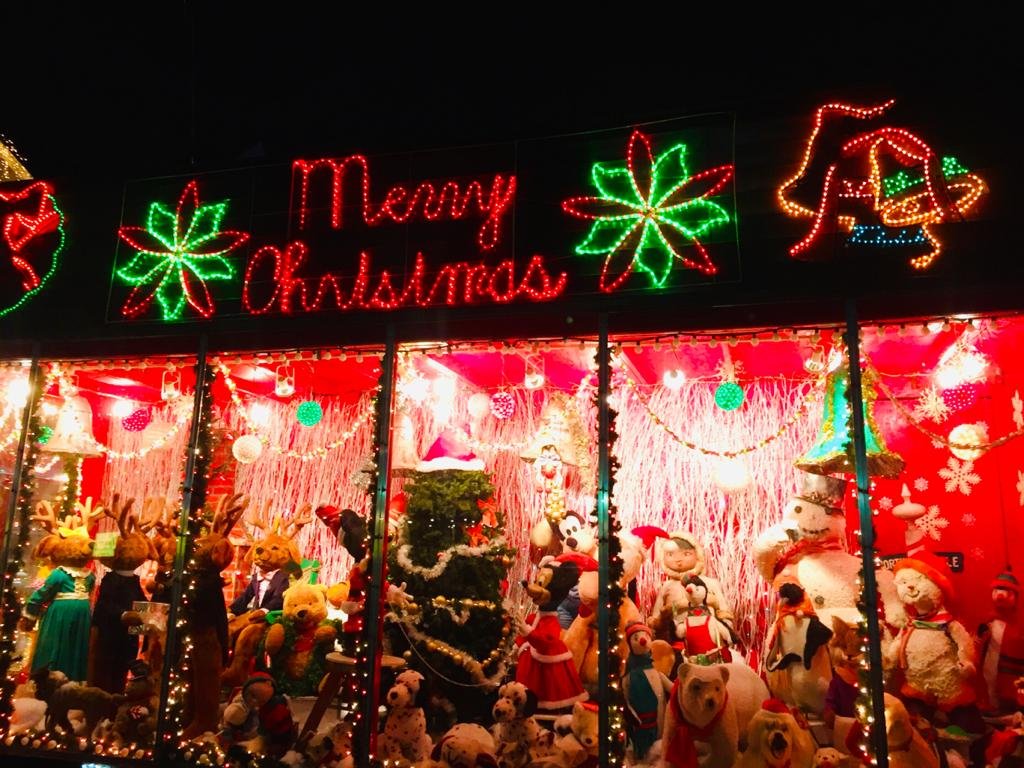
A popular tradition is to decorate a Christmas tree. Although artificial trees are common, some families improvise with local branches, decorated with garlands, lights, and small homemade objects. Children love to contribute to this activity, which symbolizes the beginning of the festivities.

The evening is marked by family gatherings. Children, dressed in their finest clothes, often attend midnight mass with their parents. This religious ceremony, filled with Christmas carols in Creole and biblical stories, is a solemn moment when families come together to celebrate the birth of Jesus Christ.

After mass, families return home to share a festive meal. Although children are often tired, they stay awake to taste traditional dishes and hope to receive their gifts. These, although modest, are often toys, clothes or sweets, bringing immense joy to the youngest.

December 31: A Vigil of Hope for Children

December 31, the last night of the year, is another key date for Haitian children. Unlike December 24, this day is focused on hope and the celebration of what is to come.

Preparations for New Year’s Eve begin early in the day. Children often help clean the house, as it is important to start the new year in a clean and orderly environment. This task, although sometimes seen as a chore, is also an opportunity for families to work together and transmit values ​​of order and discipline.

In the evening, the festivities begin with a large family dinner. Children particularly enjoy this evening, as it is synonymous with laughter, songs and sometimes games. At midnight, families gather to exchange greetings and wish each other a happy new year. Children participate in this moment of collective joy, often with fireworks or firecrackers, which light up the sky and add a festive touch.

In some regions, it is also common for children to receive New Year’s gifts from their loved ones, in the form of small sums of money or symbolic gifts. These gestures reinforce the spirit of generosity and sharing specific to this period.

A Period Rich in Learning and Values ​​

December 24 and 31 are not only festive dates for Haitian children; they are also moments of learning. Through traditions, prayers and family reunions, children discover the values ​​of sharing, gratitude and solidarity.

These days also allow them to better understand the importance of family and religious rituals, while creating precious memories that will accompany them throughout their lives. Whether decorating a tree, attending mass, or watching the fireworks, each moment is filled with magic and meaning.

Haïti
Haïti
Haïti

A Unique Season for All Children

In Haiti, Christmas and New Year are times when children experience moments of pure happiness. Between the magic of December 24 and the excitement of December 31, they discover the spirit of the holidays through traditions that strengthen family ties and give them an optimistic vision of the future.

These two important dates remind us that Christmas in Haïti is much more than just a holiday: it is a celebration of love, faith, and hope, experienced through the eyes of children who are filled with wonder.

Share
About the Author
Appolon Guy Alain
Appolon Guy Alain
Appolon Guy Alain

Full Stack Developer, Créatif, expérimenté, passionné des nouvelles technologies et de l’art.

See other articles from Appolon Guy Alain
Leave a comment

Recently Posted

Newsletter

Subscribe to our newsletter to stay informed of all our activities and news on Haiti.

Haïti et son Rôle Pionnier dans l’Abolition de l’Esclavage Mondial

For centuries, the institution of slavery has darkened human history, leaving behind a legacy of pain, oppression and the struggle for freedom. However, in this dark tale, one nation stands out for its courage and determination to break the chains of oppression: Haiti. Located in the Caribbean, Haïti played a pioneering role in the abolition of slavery, laying the foundation for the fight for freedom and equality around the world. The history of slavery in Haïti dates back to the arrival of Europeans on the island, which was then called Santo Domingo, in the 15th century. French colonists quickly established an economy based on sugar and coffee production, cruelly exploiting millions of African slaves deported to work on plantations. However, this brutal system engendered fierce resistance from slaves, whose fight for freedom ultimately led to one of the most significant revolutions in history. In 1791, under the leadership of iconic figures such as Toussaint Louverture, Jean-Jacques Dessalines and Henri Christophe, Haitian slaves rose up against their oppressors in an unprecedented rebellion. This revolt resulted in a war of independence that lasted more than a decade, but ultimately resulted in the proclamation of Haiti’s independence in 1804, making that country the first post-colonial nation ruled by people from slavery. The impact of the Haitian Revolution on the abolition of slavery worldwide cannot be overstated. By breaking the chains of oppression and proclaiming their independence, Haitians have sent a powerful message to all oppressed peoples around the world: freedom is possible, and it is worth the struggle. The example of Haïti inspired other movements for the abolition of slavery in the Americas and beyond, thus helping to shake the very foundations of the institution of slavery. Haiti’s participation in the fight against slavery was not limited to its territory; it also extended to external actions where Haitian men were sent or actively participated in movements for the abolition of slavery in other regions of the world. For example, Haitian President Alexandre Pétion supported Simón Bolívar, the leader of the South American revolution, by providing him with weapons, money and even men, which contributed to the liberation of several countries in America Latin of colonial domination. Haïti also provided support for independence movements in Central America. Haitian fighters, led by General Jean-Pierre Boyer, helped Venezuelan patriots fight against Spanish rule, contributing to the liberation of that region. The Haitian government financially and diplomatically supported movements for the abolition of slavery in countries such as Venezuela, Colombia and Mexico, contributing to the gradual eradication of this institution throughout the region. Although Haïti did not directly participate in the American Civil War, many Haitians and descendants of Haitians played crucial roles in the abolitionist movement in the United States. Figures who were of Haitian origin or of Haitian ancestry, were important voices in the fight against slavery and for equal rights in the United States. The legacy of the Haitian Revolution remains a symbol of resistance and courage for future generations. Today, as the world continues to struggle against injustice and oppression in various forms, Haiti’s history reminds us that the fight for freedom is a universal fight, one that transcends borders and times. Haiti’s participation in the abolition of slavery throughout the world remains a crucial chapter in the history of humanity. Through their courage and determination, Haitians have paved the way for a future where freedom and equality are inalienable rights for all.

Haïti: The Pearl of the Antilles

Located in the Caribbean Sea, Haïti is often nicknamed "The Pearl of the Antilles". This laudatory title not only reflects the beauty of its idyllic beaches, but also the history, culture and natural wealth of this island nation. Throughout the centuries, Haïti has acquired this prestigious reputation for various reasons, which go beyond its picturesque landscapes. b~Natural Beauty:~b Haïti is blessed with an abundance of natural beauty. Its sandy beaches, crystal clear waters, majestic mountains and lush valleys make it a dream destination for travelers from all over the world. Generous nature has endowed Haïti with impressive ecological diversity, which has helped shape its image as the pearl of the Antilles. b~Cultural Wealth:~b Beyond its landscapes, it is the richness of Haïtian culture which contributes to its reputation as a pearl. Haïti has a fascinating history, blending influences from indigenous Taino people, European settlers and African slaves. This cultural fusion gave rise to a unique artistic and musical tradition, embodied in expressions such as voodoo, naive painting and compass music. b~Historical Heritage:~b Haïti has played a central role in the history of the struggle for freedom and equality. In 1804, it became the first independent republic in Latin America and the Caribbean, after a revolution led by freed slaves. This courageous act of independence established Haïti as a symbol of resistance and determination, adding a historic dimension to its status as the pearl of the Antilles. b~Natural Resources~b Haïti is abundant in valuable natural resources, which has contributed to its nickname as the Pearl. Mineral-rich mountains, fertile soils and abundant water reserves have made Haïti a land of opportunity. Haïti, the pearl of the Antilles, is much more than just a tourist destination. It is a country whose natural beauty, cultural richness, historical heritage and natural resources contribute to a unique identity. It remains a jewel in the crown of the Caribbean, reminding the world of the strength and resilience of the Haïtian people.

Recently Posted

History

History

First black nation to free itself from slavery and gain independence from France in 1804 and influenced other liberation movements around the world, inspiring struggles for freedom and equality.

Natural beauty

Natural beauty

Haïti is blessed with spectacular natural landscapes, including white sand beaches, mountains and rich biodiversity.

Heritage

Heritage

Haïti has a rich historical heritage, including sites like the Citadelle Laferrière and the Sans-Souci Palace, listed as UNESCO World Heritage Sites.

Culture

Culture

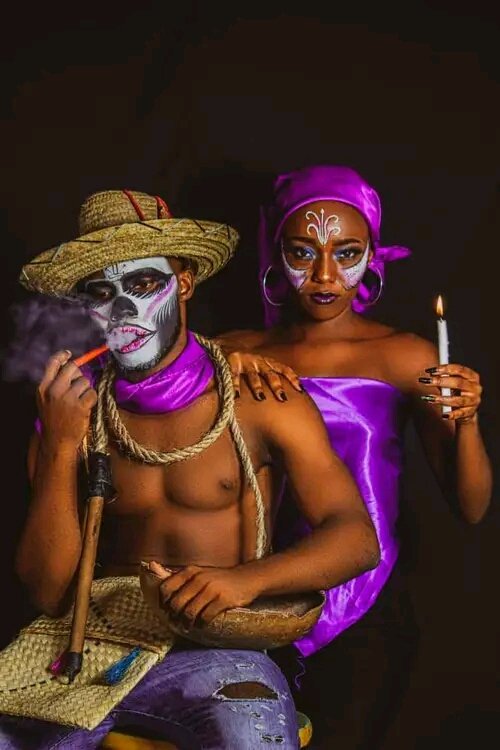
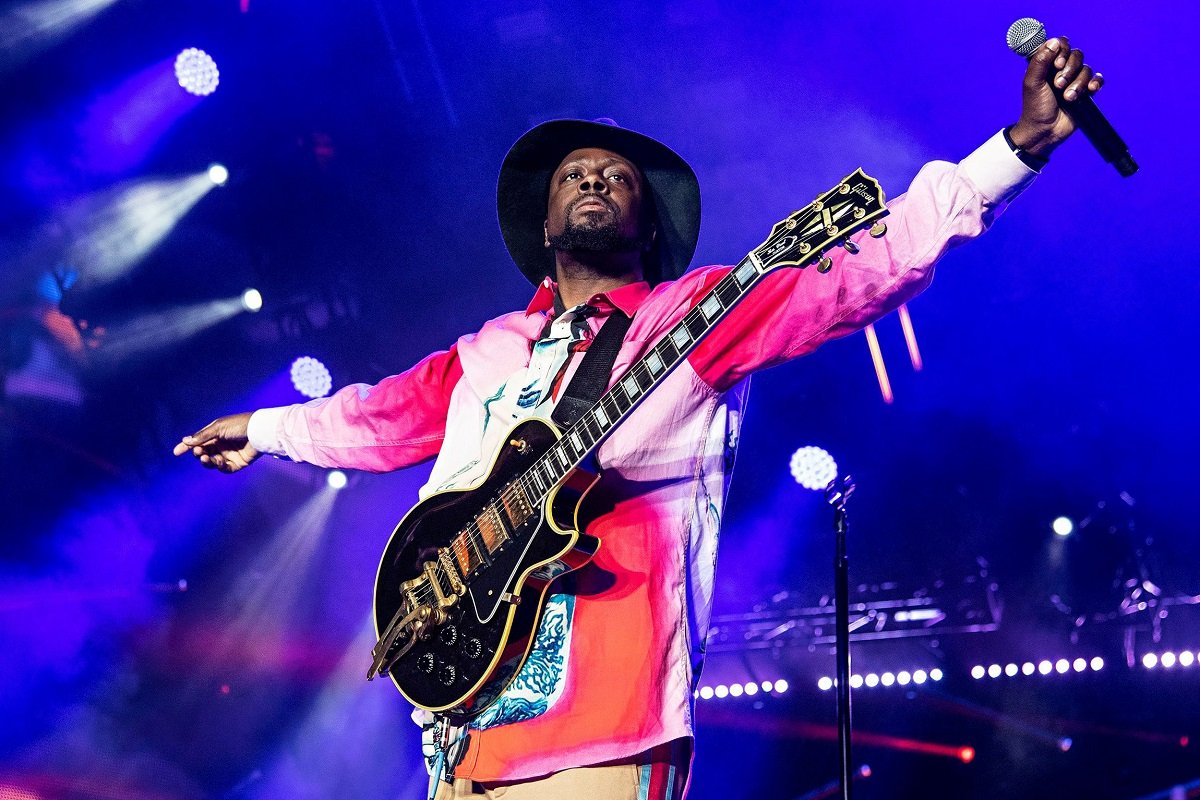
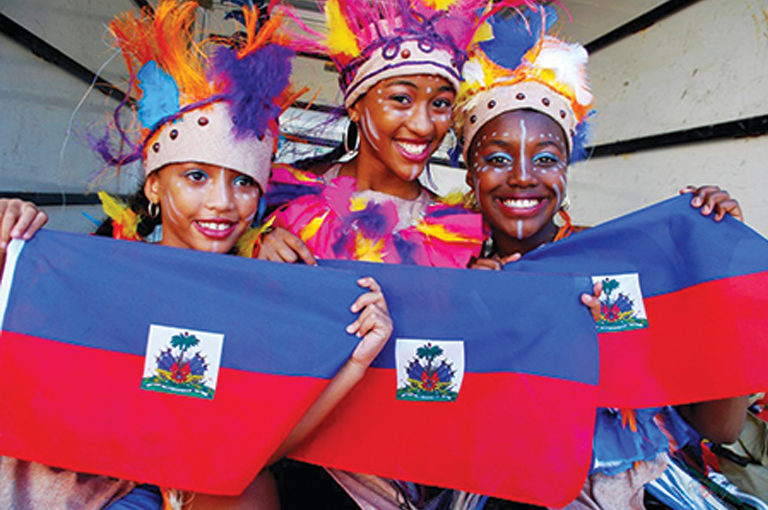
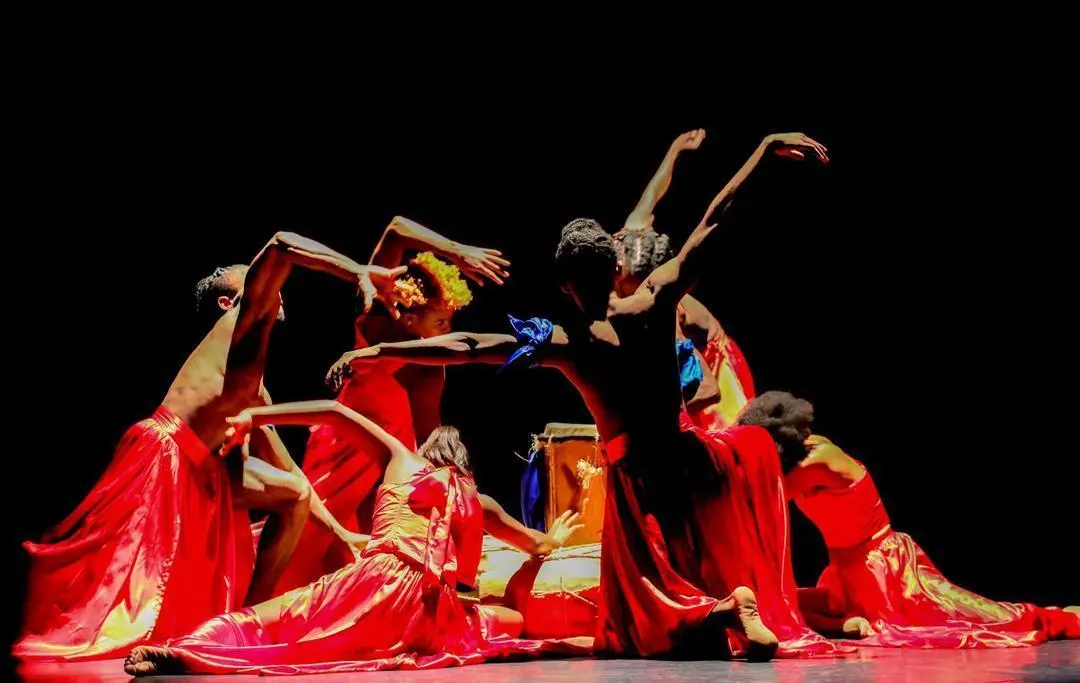
Haïti has a rich and diverse culture, influenced by African, European and indigenous elements. Haitian music, dance, art and cuisine are celebrated around the world.

  • +
    • Post