contact@haitiwonderland.com+509 36184317

Discover

Shopping Cart

Top 5 Must-See Christmas Events in Haiti

Top 5 Must-See Christmas Events in Haiti

In Haiti, Christmas is a time of joy, festivities, and community gatherings. Between cultural traditions, religious celebrations, and festive entertainment, there is so much to experience and discover. This article presents the five must-see events that make Christmas so special in Haiti, and that are definitely worth your attention.

1. Christmas Concerts: Music and Spirituality

During the Christmas season, many music concerts are organized throughout the country. These events often mix traditional songs, gospel music, and Haitian rhythms to celebrate the spirit of Christmas. Local choirs, religious groups, and popular artists perform in churches, concert halls, and sometimes even outdoors.

These concerts are an opportunity to connect with spirituality and vibrate to the sound of enchanting voices that celebrate the birth of Christ in a unique blend of culture and faith.

2. Christmas Markets: A Whirlwind of Colors and Flavors

Haitian Christmas markets are must-see places to immerse yourself in the festive atmosphere and discover local crafts. In cities like Jacmel and Cap-Haïtien, these markets are full of artisanal products, decorative items, handmade clothing and local culinary delights.

You will find unique decorations, original gifts and of course, traditional foods like *pain patate* and coconut sweets. These markets are not only a place to buy, but also a place of conviviality, with shows, entertainment and tastings that delight young and old.

3. Christmas Eve: A Timeless Tradition

On Christmas Eve, Haitians gather in churches for religious services filled with fervor and gratitude. These vigils, called "midnight masses," are a sacred moment when the community celebrates the birth of Jesus Christ through prayers, songs, and Bible readings.

After mass, it is common for families to gather to share a festive meal. Soup joumou, rice stuck to peas, griot, and other typical dishes are on the menu. This evening then becomes a special time to exchange stories, memories, and wishes.

Guédés: When Haïti celebrates its ancestors with color and fervor

Guédés: When Haïti celebrates its ancestors with color and fervor

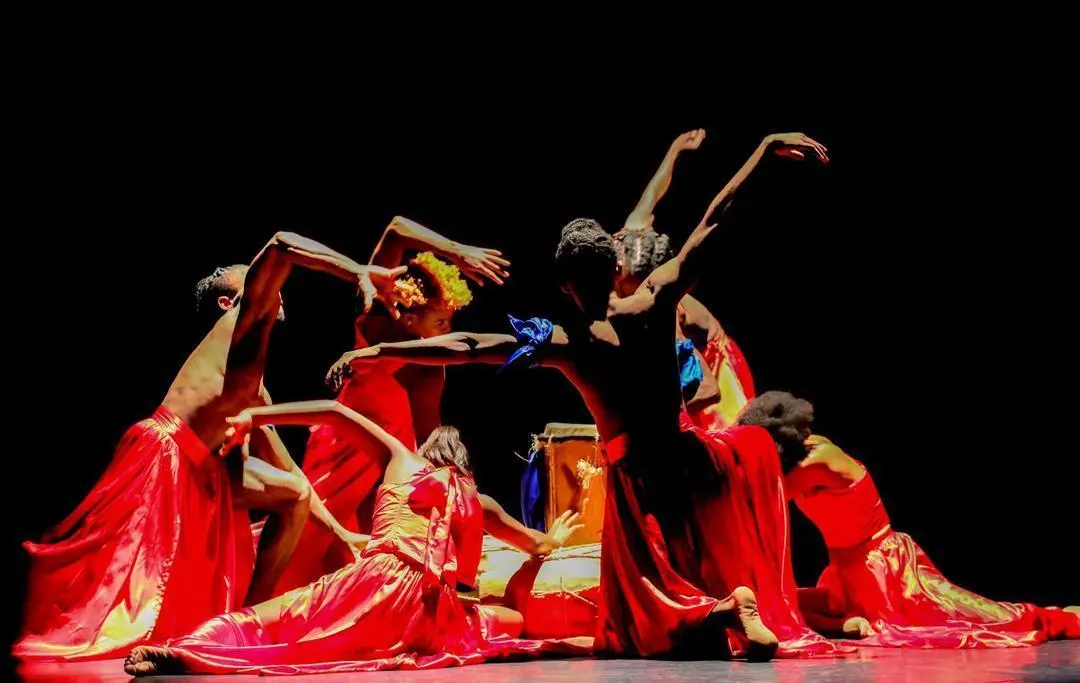
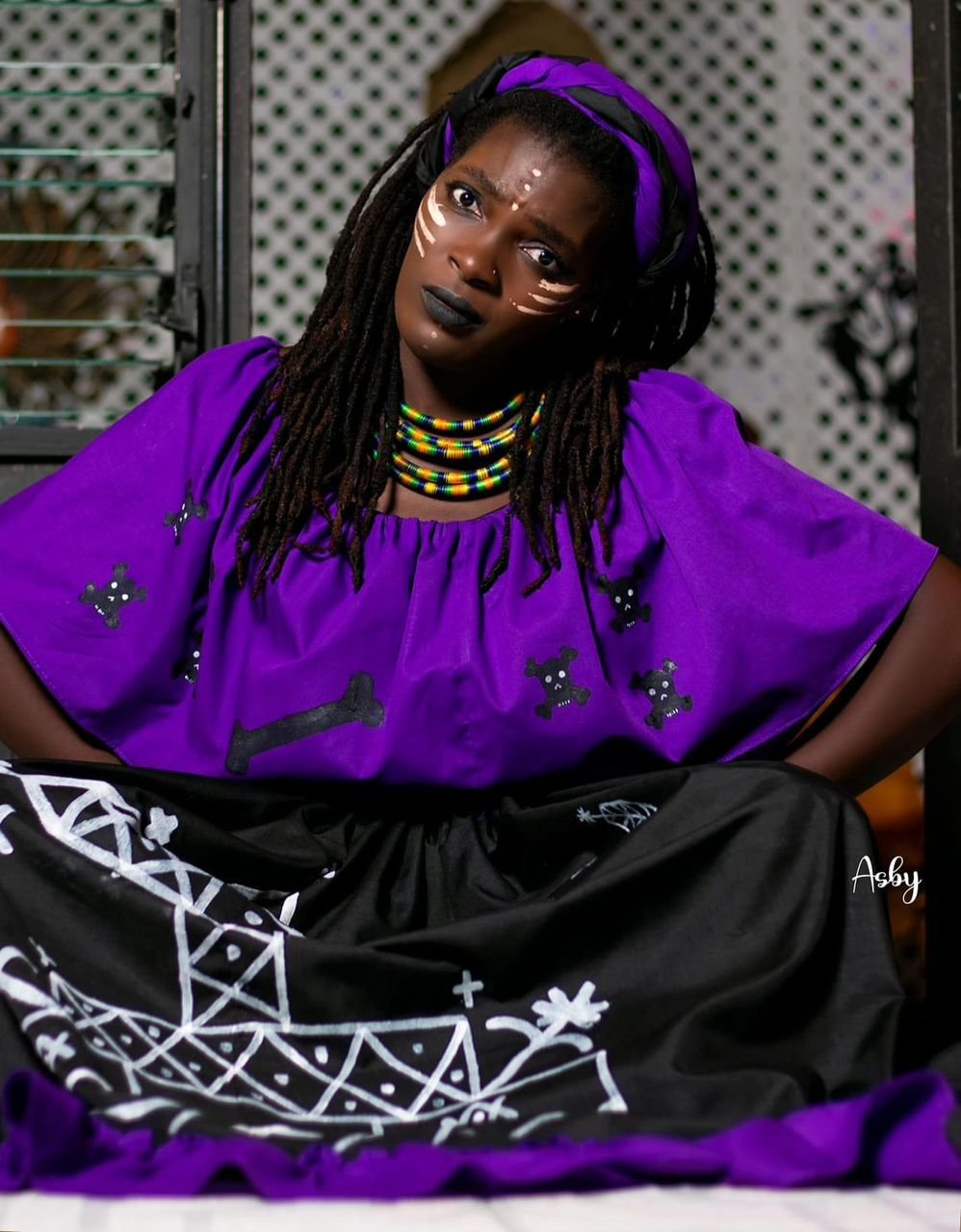
Every November 1st and 2nd, Haïti comes alive with the colors black and purple to celebrate the Guédés, spirits venerated in the voodoo religion, symbols of a powerful bond between the living and the dead. Fascinating, indomitable and provocative, the Guédés form a true family in the pantheon of Haitian voodoo, where they are respected for their role as spiritual guides of the deceased to the afterlife. Led by iconic figures such as the legendary Baron Samedi and his companion Grann Brigitte, the Guédés embody the paradoxes of life and death. Each Baron has a unique personality: Baron Cimetière, Baron Kriminel, and Baron La Croix are the guardians of the souls that wander on the borders of the world of the dead. Together, they form a powerful and somewhat frightening presence, but one that is deeply rooted in Haitian culture. The Guédés are not like other voodoo spirits; they demonstrate their fearlessness in a spectacular way. Accustomed to death, they are fearless and are provocative: they eat glass, raw peppers, and coat their sensitive parts with rum and pepper. These gestures mark their indifference to danger and remind us that they have already known earthly life. They are thus psychopomps – these beings who lead the souls of the dead – and act as bridges between the world of the living and that of the dead. Some Guédés, like Guédé Nibo, wear black, purple, and white clothing, each with unique characteristics. They are many and varied: Guédé Fouillé, Guédé Loraj, Papa Guédé, and many others. These are the spirits who, each year, remind Haitians of the importance of remembering and honoring the deceased. The cult of the Guédés is not only religious; it is also cultural and historical. According to tradition, their spiritual territory, or “Fètomè” – nicknamed the “Country without Hats” – is a place where the souls of ancestors reside. According to stories, the origins of this cult go back to the Abomey plateau, the ancient capital of the kingdom of Dahomey, in Africa, where death and life coexist in a form of symbiosis. This celebration in Haïti even finds echoes in ancient history. The Romans also honored their dead with the “Fête des Lémuria”, which took place in February, to ward off spirits and restore peace between the world of the living and that of the deceased. For Haitians, honoring the Guédés is about accepting death as a part of life and celebrating the invisible bonds that unite us with those who have left us. It is also a way of resisting, because life, despite its challenges, must be celebrated in all its complexity and depth.

Haïti
Haïti
Haïti

4. Parades and Illuminations: An Explosion of Lights

In several cities in Haiti, the streets light up and come alive with parades and shows. Colorful parades feature traditional costumes, dances, and Christmas carols. In Port-au-Prince, working-class neighborhoods often host events for children, with gifts, puppet shows, and games.

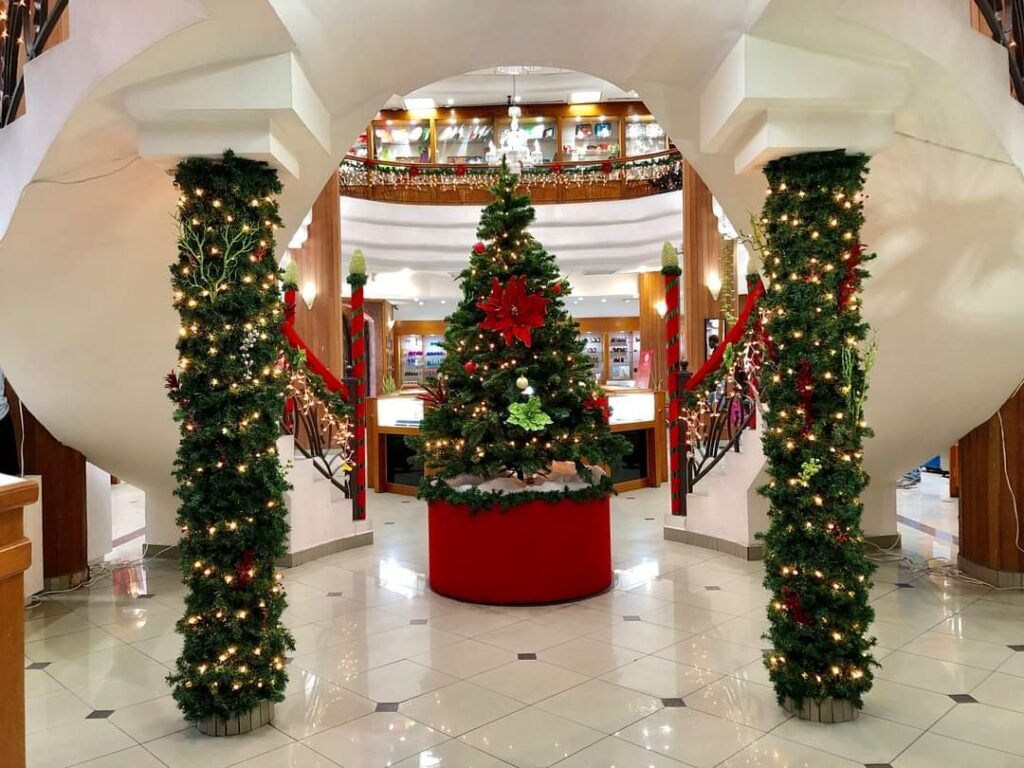
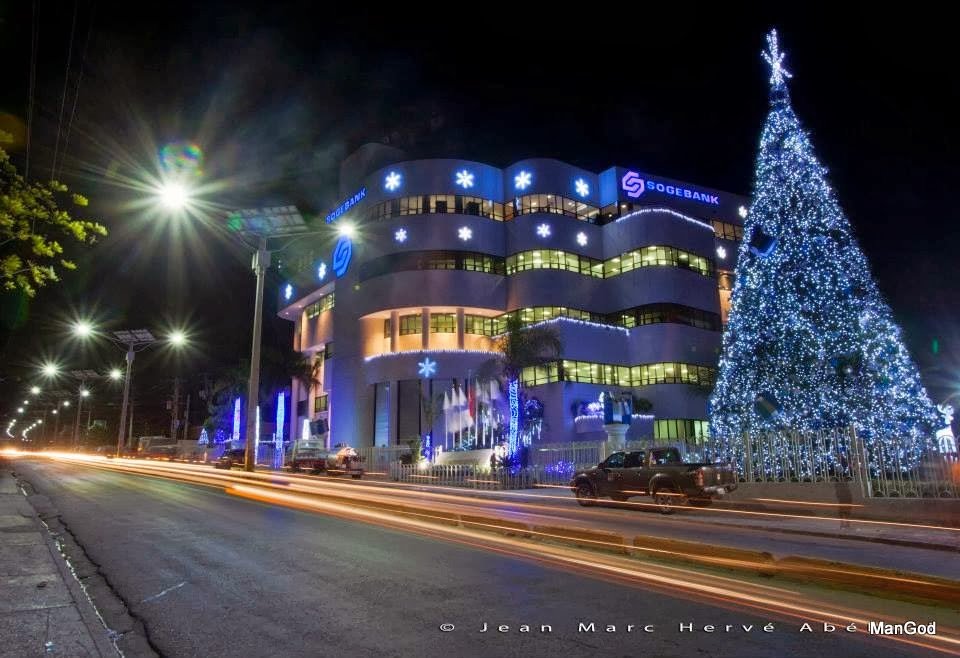
The illuminations of homes and public squares add a magical touch to the atmosphere. Some families compete in imagination to decorate their homes, thus offering a true visual spectacle to their neighbors and visitors.

Haïti
Haïti
Haïti

5. Christmas Festivals: Celebrating Haitian Culture

In Haiti, Christmas festivals combine music, dance, gastronomy, and art to celebrate the holidays. Events like the Jacmel Christmas Festival or the one organized in the Les Cayes region attract locals and tourists. These festivals feature local artists, craft exhibits, and cultural activities for the whole family.

It is also an opportunity for members of the diaspora to return home and reconnect with their native culture. Festivals are a time of communion where the beauty and richness of Haitian culture are celebrated.

Haïti
Haïti
Haïti

A Unique Christmas in Haiti

Christmas events in Haïti are a perfect blend of spirituality, culture and festivity. Whether you are passionate about music, crafts or religious traditions, there is something for everyone at this time of year.

Christmas in Haïti is much more than a celebration: it is a time when family and community ties are strengthened, generosity is celebrated, and Haitian culture shines brightly. If you have the opportunity to spend Christmas in Haiti, immerse yourself in this magical atmosphere by participating in these unique and memorable events.

Share
About the Author
Appolon Guy Alain
Appolon Guy Alain
Appolon Guy Alain

Full Stack Developer, Créatif, expérimenté, passionné des nouvelles technologies et de l’art.

See other articles from Appolon Guy Alain
Leave a comment

Recently Posted

Carrefour: Kay Jèn Yo s’ouvre aux enfants

Dans le cadre du programme de promotion des droits et de l’épanouissement de l’enfant "Timoun se moun" piloté par l’organisation Action Communautaire de Transformation et d’Intégration Formelle (ACTIF), Kay Jèn Yo organise, du 18 au 24 août 2025 (9h am - 1h pm), "Espas Lajwa", un camp d’été qui cible trente (30) enfants de 7 à 15 ans. Une grande panoplie d’activités éducatives, créatives et ludiques sont programmées pour le plus grand bien des enfants. Ils auront droit à des ateliers de : peinture, crochet, macramé, langue des signes, théãtre, lecture, échec, etc. Dans un contexte aussi traumatogène où la violence est monnaie courante, de telles initiaves sont d’une importance capitale. " Les enfants ne sont pas imperméables au stress et autres pathologies que peut provoquer la situation morbide qui sévit dans le pays actuellement", souligne Blondy Wolf Leblanc (Gabynho) DG a.i de ACTIF. "Espace Lajwa se veut donc, un refuge, un lieu où les enfants peuvent s’exprimer en toute sécurité, un espace sécurisant où ils peuvent exprimer leurs émotions à travers plusieurs médiums", précise-t-il. Plus loin, l’animateur socioculturel encourage d’autres structures à travers le pays à prendre des initiatives de ce genre au bénéfice de la santé mentale des enfants. Espas Lajwa est quasiment gratuit. Un frais de participation de 150 gourdes est requis pour la semaine. Quid Kay Jèn Yo Issu du projet "Pran Swen Tèt ou", Kay Jèn Yo est un projet de l’organisation ACTIF supporté par La Perfection École de Haute Couture visant à combattre la violence par l’engagement communautaire à travers des programmes de formation professionnelle et artistique. Situé au numéro 18, imp. Thoby, rue Desdunes, Mahotière 79, Kay Jèn Yo est ouvert du lundi au dimanche (9h am - 6h pm). Sebastien Jean Michel

Newsletter

Subscribe to our newsletter to stay informed of all our activities and news on Haiti.

Recently Posted

History

History

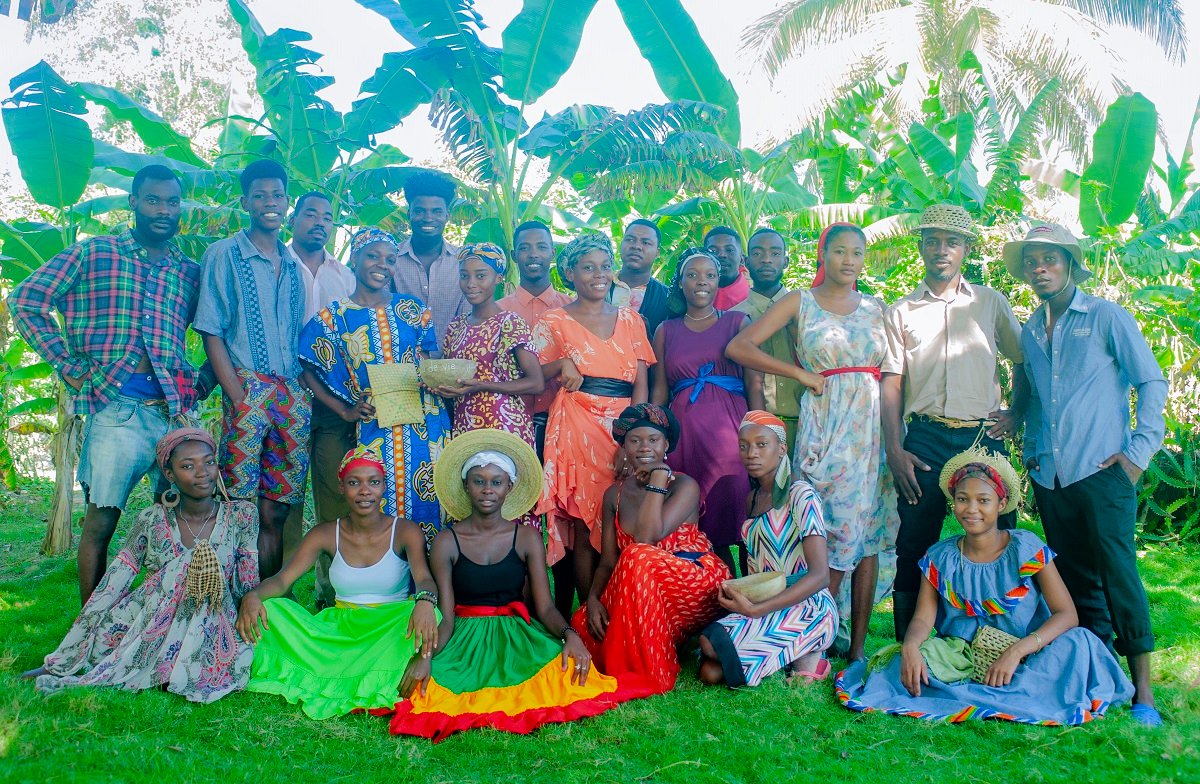
First black nation to free itself from slavery and gain independence from France in 1804 and influenced other liberation movements around the world, inspiring struggles for freedom and equality.

Natural beauty

Natural beauty

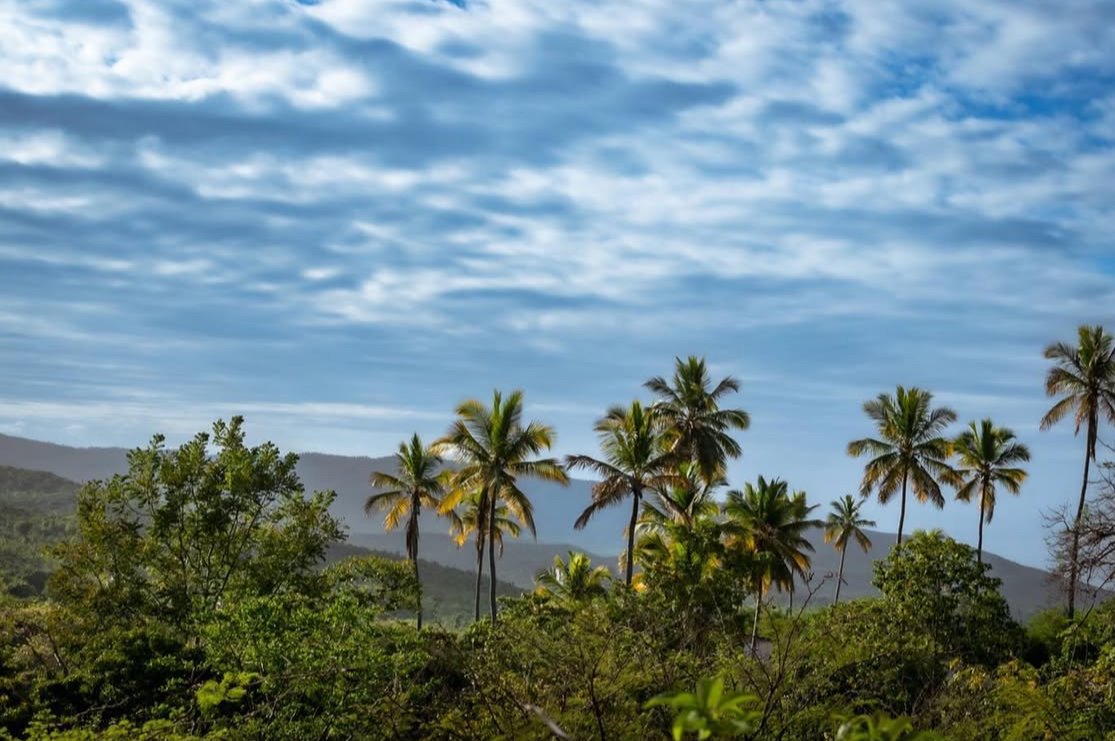
Haïti is blessed with spectacular natural landscapes, including white sand beaches, mountains and rich biodiversity.

Heritage

Heritage

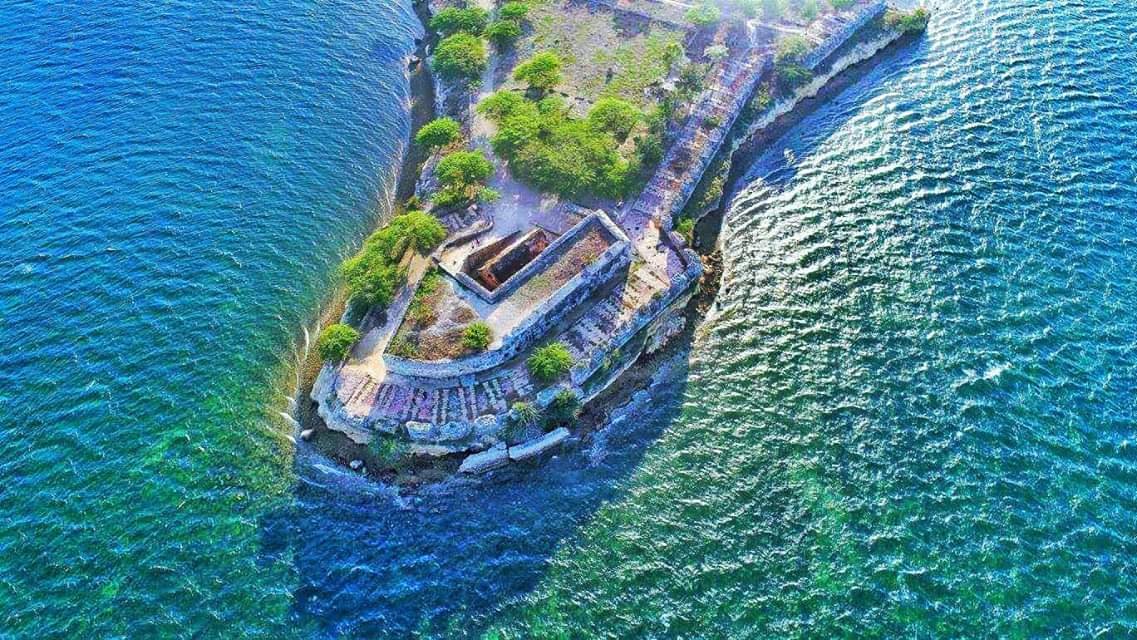
Haïti has a rich historical heritage, including sites like the Citadelle Laferrière and the Sans-Souci Palace, listed as UNESCO World Heritage Sites.

Culture

Culture

Haïti has a rich and diverse culture, influenced by African, European and indigenous elements. Haitian music, dance, art and cuisine are celebrated around the world.

  • +
    • Post