contact@haitiwonderland.com+509 36184317

Discover

Shopping Cart

Traditional Haitian dance, an ode to the culture and roots of Haiti

Traditional Haitian dance, an ode to the culture and roots of Haiti

Traditional Haitian dance is rich in history and meaning. It constitutes an essential part of Haitian culture. Practiced during various celebrations such as festivals and religious ceremonies, it is in its essence, a vibrant testimony to the resilience and creativity of a people whose roots are deeply immersed in a fascinating past. Through its rhythms, movements and costumes, this dance tells stories, celebrates traditions and unites entire generations of Haitians.

Haïti
Haïti
Haïti

A Living Cultural Heritage

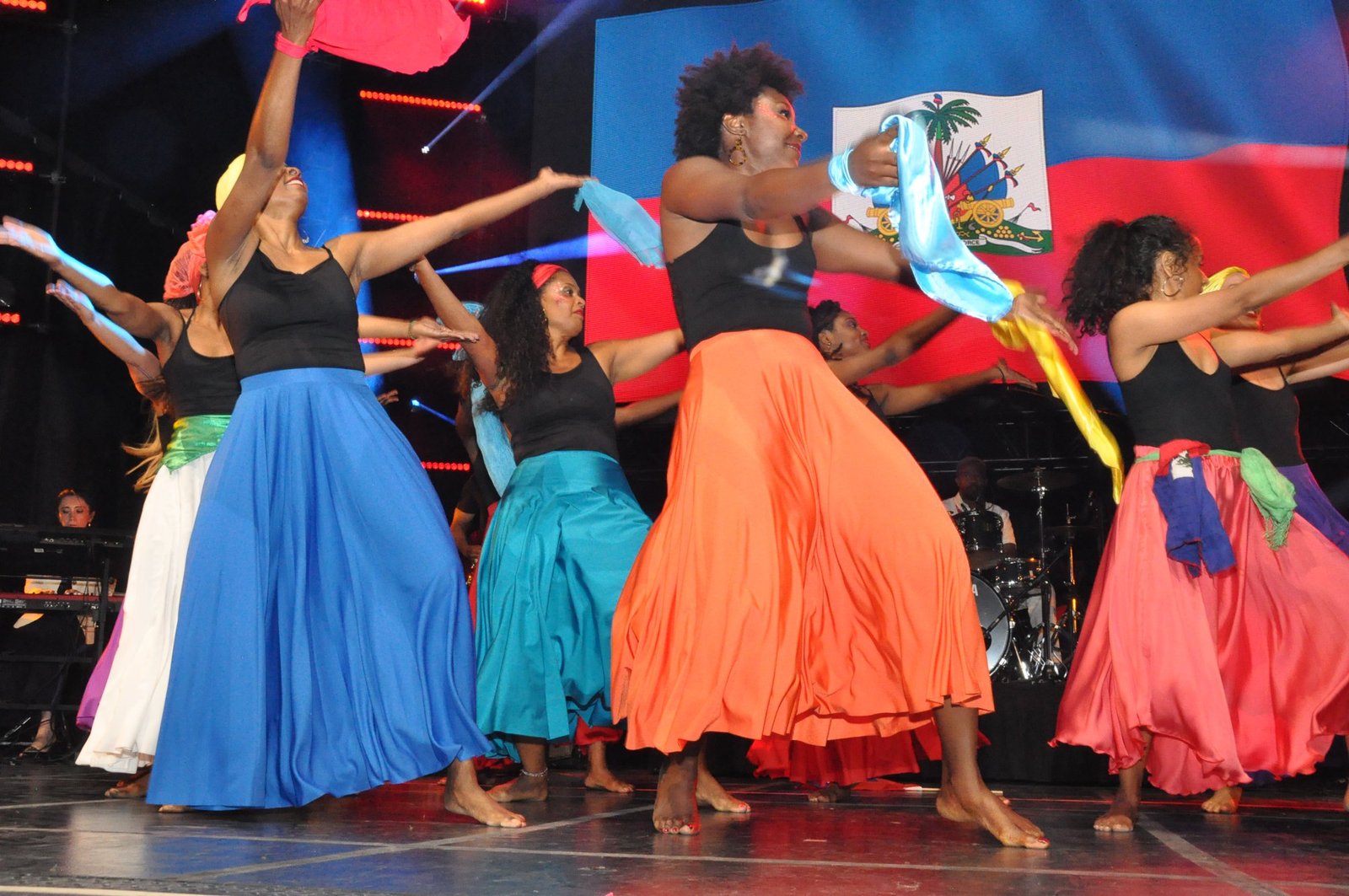
Like Haiti’s history, traditional Haitian dance is a complex blend of African, Taino and European influences that have merged to create a unique art form. Each dance has a special meaning. Some of the most iconic traditional dances in Haïti include the "Yanvalou", the "Petro", the "Kreyol" and the "Rara".

The "Yanvalou", for example, is a sacred dance that has its origins in voodoo rituals. Its fluid and undulating movements symbolize the serpent, an important spirit in the voodoo tradition. This dance is often accompanied by chants and drums that add a ritual and spiritual dimension, connecting the dancers to their ancestors and to nature.

The "Kreyol", on the other hand, is more focused on joy and celebration. Danced during popular festivals, this dynamic style highlights rapid movements and interactions between partners. It embodies the festive spirit that resides among Haitians, and its ability to transform challenges into moments of shared happiness.

Haïti
Haïti
Haïti

Dance as a social and identity expression

In Haiti, traditional dance is not limited to a simple artistic performance; it is also a powerful means of social and identity expression. The festivals and celebrations that feature these dances become opportunities to gather and express in broad daylight the hidden riches of Haitian culture, while contributing to the strengthening of the social fabric. Traditional dances are often accompanied by live music, usually played by percussion groups that create lively and captivating rhythms.

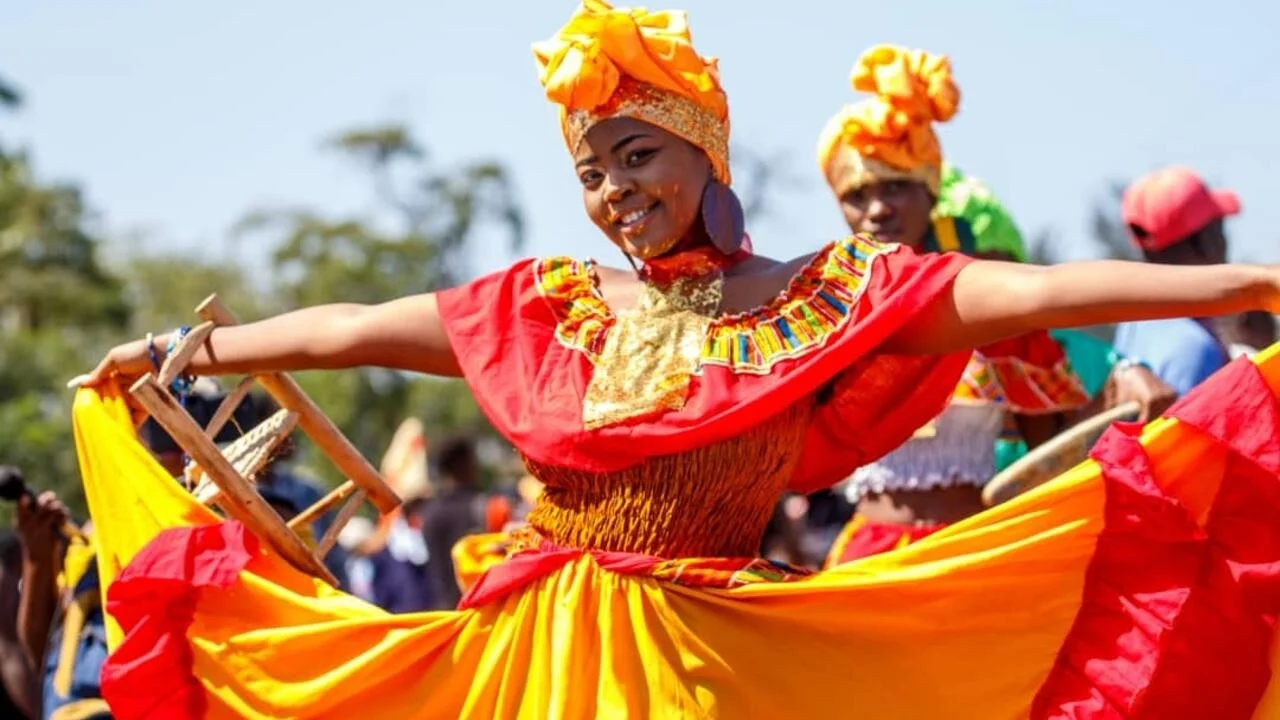
The costumes worn during these dances are also loaded with symbolism. The colorful clothing, adorned with traditional patterns, reflects not only the cultural heritage but also the creativity of Haitian artisans. Every detail, from the fabric to the accessories, contributes to the visual richness of the dance and the narration of its history.

Haïti
Haïti
Haïti

Challenges and Future Prospects

Despite its cultural importance, traditional Haitian dance faces significant challenges. Rapid modernization and external influences can sometimes threaten the transmission of traditions. In addition, the difficult socio-economic conditions in Haïti complicate the preservation and promotion of these art forms. However, efforts are underway to ensure the sustainability of this precious tradition. Cultural centers such as Pyepoudré, the Brazil-Haïti Cultural Center, and the French Institute in Haïti regularly host traditional dance performances and collaborate with dance schools such as Poltro vanyan to this end. These institutions work tirelessly to preserve and revitalize traditional dances in the Haitian capital and in provincial cities, traditional festivals are important occasions for the diffusion of traditional Haitian dance. Thus, all of these efforts allow younger generations to discover and appreciate this form of artistic expression that carries within it a part of our national history.

Traditional Haitian dance is a living testimony to the culture and resilience of an entire people who have been able to cross history with great blows of pain taken in every part of their body. Through its movements, rhythms and costumes, not only does it tell the story of Haiti, but it celebrates the full extent of its cultural wealth. This dance is a means that allows Haitians to evolve while remaining faithful to their roots. It also gives any spectator who observes it the opportunity to honor, not only a unique art form but also to appreciate the indomitable spirit of a nation that was born on January 1, 1804, following a rebellion against centuries of slavery and inhuman injustice.

Haiti: The Rara season in Petit-Goâve: A celebration of life, unity and resilience

Haiti: The Rara season in Petit-Goâve: A celebration of life, unity and resilience

As the new season of Rara looms on the horizon, certain groups such as Saint Jacques Majeur, Ratyèfè, Florida Band, Lambi Grand, and Grap Kenèp are already preparing to light up the streets of Petit-Goâve with their flamboyant costumes and their captivating melodies. For these groups, the future looks bright, promising a season full of passion and success. However, other rara bands are still hesitant about which direction to take. Despite these uncertainties, optimism reigns regarding the success of this new season for all rara groups in the commune of Petit-Goâve. Rara, anchored in the Vodou tradition, is much more than a simple artistic manifestation. It embodies the very essence of Haitian culture, highlighting questions of memory, tradition and identity. This increasingly popular form of artistic expression attracts a large audience and arouses unprecedented enthusiasm. Groups like Ratyèfè, Grap Kenèp, Florida Band and Chenn Tamaren, recognized for their ability to delight their fans, play a crucial role in the continued growth of rara in the town. The rara season traditionally begins on Dead Thursday and ends on the night of Easter Sunday or quasimodo Monday. To mark the beginning of this sacred period, groups organize opening ceremonies, honoring the spirits of the deceased in rituals steeped in spirituality. These ceremonies, often held in cemeteries or in the "Bitasyons" of groups, symbolize the deep link between the rara and Vodou traditions.

Share
About the Author
Moise Francois
Moise Francois
Moise Francois

Journalist editor, poet and apprentice lawyer.

See other articles from Moise Francois
Leave a comment

Recently Posted

Newsletter

Subscribe to our newsletter to stay informed of all our activities and news on Haiti.

Here are five compelling reasons why you should definitely visit Haiti’s beaches

1- Abaka Bay (Île-à-Vache): Start your Haitian adventure with the magnificent Abaka Bay, recently named one of the most beautiful beaches in the world by CNN. Located on the enchanting island of Île à Vache, this bay offers a pristine white sand beach and calm Caribbean waters, framed by lush green hills. Abaka Bay Resort offers a truly exclusive and secluded experience, with bungalows located directly on the beach, offering panoramic views and direct access to the fine sand and crystal clear sea. The dining options are equally impressive, with one restaurant offering breathtaking ocean views and epic sunsets. To get to Île à Vache, simply take a 15-20 minute boat ride from Les Cayes, located off the southern coast of Haiti. 2- Île à Rat (Amiga Island): As soon as you set foot on Île à Rat (also known as Amiga Island), this little slice of paradise will steal your heart. Its smooth white sand beach immediately catches the eye, while gentle waves create a dreamy oasis against the pearly shore. Located in the turquoise waters off the coast of Plaine du Nord in northern Haiti, Île à Rat is a 1.8 hectare piece of white coral covered in a small wild forest. The island is a peaceful retreat, especially for couples looking for a serene getaway. To get to Île à Rat, you can take one of the many water taxis waiting in Labadee, a 30-minute drive from Cap-Haïtien. Keep in mind that the island is uninhabited, so it is important to bring everything you need for a comfortable stay, including drinking water. 3- Côtes des Arcadins: Nestled north of the bay of Port-au-Prince, Côtes des Arcadins stretches over 19 kilometers of white sand beaches lined with palm trees, making it one of the most popular seaside destinations from Haiti. The combination of the deep blue sea, mountains, mangrove forests and the coral reef formed by the Arcadins islets creates a breathtaking spectacle. It is also a great place for divers. To get there, follow the road north of the bay of Port-au-Prince. You will be amazed by the natural beauty of this region. 4- Plage de Gelée: This beach is one of the most popular thanks to its crystal clear waters and soft sand, all with a pastoral landscape in the background. If you are looking for a place to relax and soak up the sun, Gelée Beach is a great choice. 5- Jacmel Beach: Although swimming is not recommended here, Jacmel Beach is famous for its picturesque charm and artistic atmosphere. It is located in the historic town of Jacmel, known for its lively carnival and colorful houses. Explore the beach, admire the architecture and soak up Haitian culture. Don’t forget your swimsuit and sunscreen, and enjoy these hidden treasures of Haiti! 🏖️☀️

Recently Posted

History

History

First black nation to free itself from slavery and gain independence from France in 1804 and influenced other liberation movements around the world, inspiring struggles for freedom and equality.

Natural beauty

Natural beauty

Haïti is blessed with spectacular natural landscapes, including white sand beaches, mountains and rich biodiversity.

Heritage

Heritage

Haïti has a rich historical heritage, including sites like the Citadelle Laferrière and the Sans-Souci Palace, listed as UNESCO World Heritage Sites.

Culture

Culture

Haïti has a rich and diverse culture, influenced by African, European and indigenous elements. Haitian music, dance, art and cuisine are celebrated around the world.

  • +
    • Post