contact@haitiwonderland.com+509 36184317

Discover

Shopping Cart

Difference Between Haitian Tonmtonm and African Foutou (Fufu)

Difference Between Haitian Tonmtonm and African Foutou (Fufu)

Haitian and African cuisine are gastronomic treasures that highlight local ingredients and preparation techniques passed down through generations. Among the most popular dishes of both cuisines, Haitian Tonmtonm and African Foutou (or Fufu) are distinguished by their rich flavors and unique textures. These two dishes, although they share a similar foundation - the use of local products such as cassava or plantain - have interesting differences, especially in their preparation, taste and accompaniment.

Tonmtonm Haïti
Tonmtonm Haïti
Tonmtonm Haïti

Haitian Tonmtonm: A Pounded Breadfruit Delight

Tonmtonm is a simple but delicious Haitian dish. Breadfruit, a staple food in Haiti, is first boiled to release its flavor, then pounded by hand in a mortar and pestle, a step that requires strength and patience. This preparation process, often performed by several family members, represents a moment of sharing and passing on culinary traditions. Sometimes seasoned with pepper, garlic, or other light spices, Tonmtonm takes on a mild, subtle, and slightly spicy flavor.

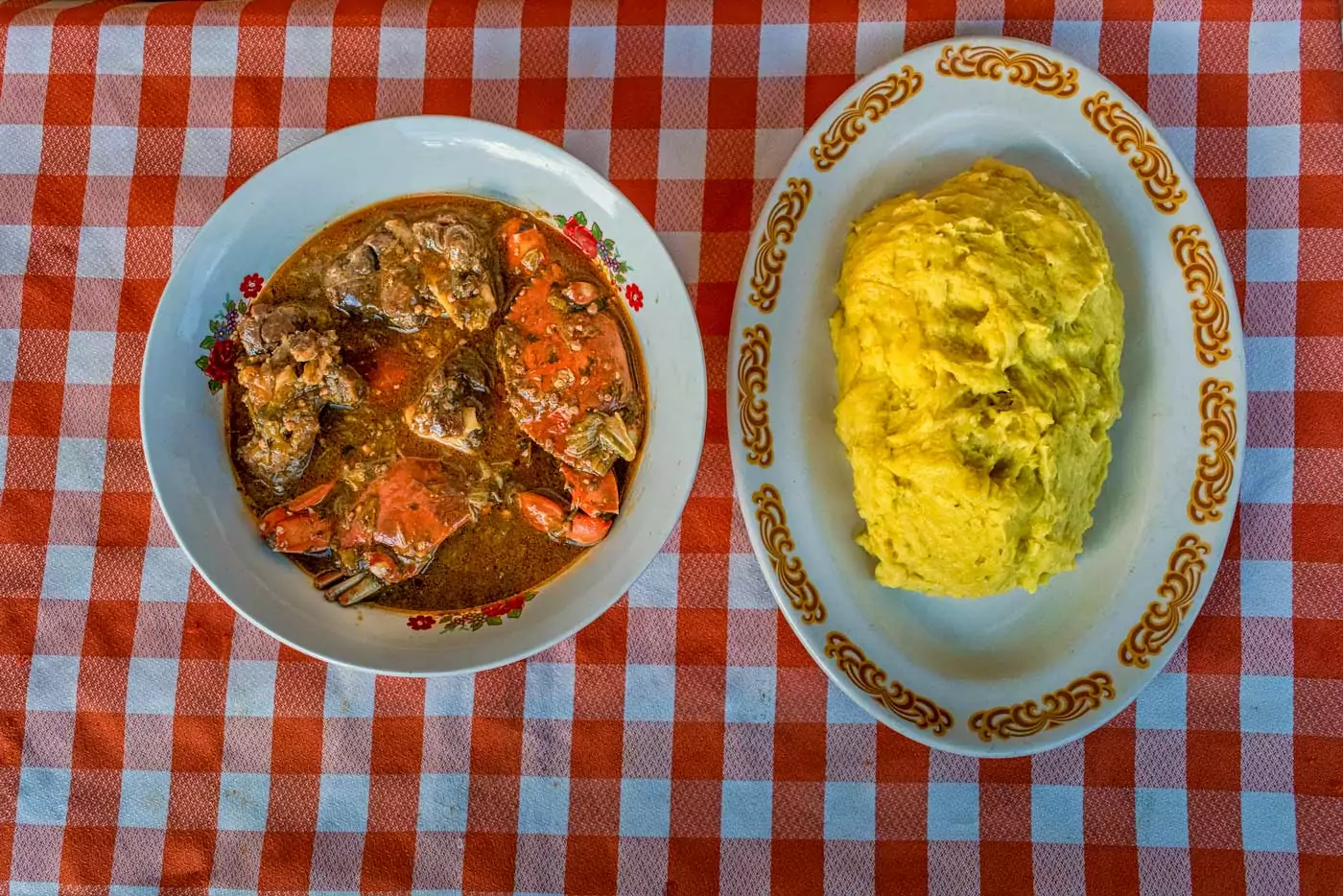
Its texture is firm but soft, creating a dense purée that pairs perfectly with a variety of dishes. Tonmtonm is often served with okra sauce (or Sòs kalalou), a slightly acidic and spicy sauce, which brings a richness of flavors and pairs harmoniously with the pounded breadfruit.

It is often accompanied by savory meats, such as beef or pork. Crabs can also be a traditional accompaniment, bringing a maritime touch and a delicious contrast to the dense texture of Tonmtonm.

Foutou Africain
Foutou Africain
Foutou Africain

African Foutou: A Pounded Plantain Tradition

Foutou, or Fufu, is an iconic dish in African cuisine, particularly popular in Côte d’IVoire. It is prepared from plantain, which can be used ripe or unripe, and cassava boiled together and then pounded to a smooth, elastic consistency. The pounding process gives Foutou a chewy texture that pairs perfectly with the rich sauces of African cuisine.

Foutou is often served with spicy sauces such as sauce graine (a palm nut-based sauce), or other meat and vegetable sauces, and is commonly eaten in the central and eastern regions of Côte d’IVoire. This dish is an essential accompaniment to many meals, providing a neutral but nourishing base for the sauces and meats that accompany it.

Tonmtonm Haïti
Tonmtonm Haïti
Tonmtonm Haïti

Differences Between Haitian Tonmtonm and African Foutou

Although Haitian Tonmtonm and African Foutou have similarities, such as using local products and adding a creamy or elastic texture, they have some marked differences:

1. Main Ingredients:

- Haitian Tonmtonm: It is mainly made from boiled breadfruit, a staple food in Haiti, which gives it a firmer texture and a mild, slightly sweet flavor.
- African Foutou: It is mainly made from plantain and cassava, which gives it a chewier texture and a slightly sweet but also denser flavor, especially when made with ripe plantains.

2. Preparation method:

- Tonmtonm is boiled and pounded in a mortar and pestle, which gives it a more consistent and slightly grainy texture.
- Foutou, on the other hand, requires mixing boiled plantain and cassava, before pounding them until a smooth and elastic paste is obtained.

Official launch of  Ewo  Beer: Haitian Pride across the World
Official launch of Ewo Beer: Haitian Pride across the World

Official launch of “Ewo” Beer: Haitian Pride across the World

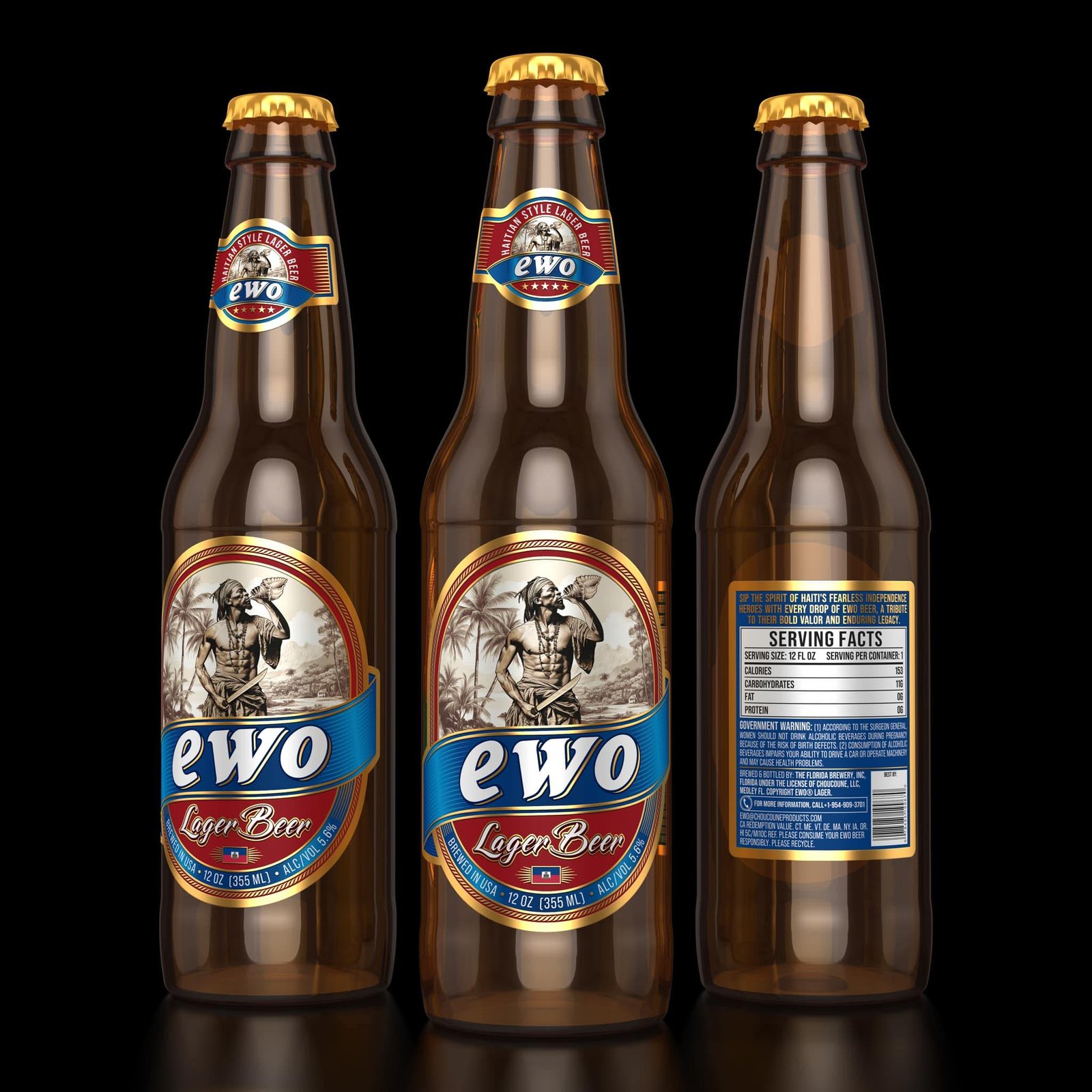
December 1 marked an exceptional moment for the Haitian community and beer lovers around the world, with the official launch of “Ewo” beer by Haitian entrepreneur Jhonson Napoléon. After the success of “Kola Choucoune”, already present in several countries, including the United States and Canada, it is the turn of “Ewo” beer to take the American market by storm. Available in several cities in the United States, this beer embodies the perfect marriage between tradition and innovation, offering consumers a unique taste experience. “Ewo” beer is much more than just an alcoholic beverage. It is a delight that skillfully blends the authentic flavors of Haitian culture with a touch of innovation. In a country where Prestige beer and Barbancourt rum have already conquered palates around the world, “Ewo” beer is proudly added to the list of Haitian taste treasures. Jhonson Napoléon, the man behind this new creation, continues to fly the colors of Haïti across the globe. His commitment to promoting quality Haitian products continues to strengthen the reputation of his country of origin. “Ewo” beer is not just a drink, it is a symbol of Haitian creativity and perseverance that transcends borders. This new step demonstrates the country’s ability to be part of the global trend for quality craft beers. “Ewo” beer is not only a leading local product, but it also stands out on the international scene as the representative of a rich and dynamic culture. The pride that Haitians feel for the success of Jhonson Napoléon and the growing fame of “Ewo” beer is palpable. It is a success story that transcends geographic boundaries and embodies the strength of the Haitian entrepreneurial spirit.

3. Accompaniments:

- Tonmtonm is often served with okra sauce (sòs kalalou), a spicy sauce that gives it depth and a slightly acidic taste.
- Foutou is usually accompanied by palm nut-based sauces such as seed sauce, or other sauces rich in meat or vegetables, thus bringing a different depth of flavor.

4. Regions of consumption:

- Haitian Tonmtonm is a dish rooted in Haitian culture, enjoyed throughout the island, especially during celebrations and family gatherings.
- Foutou is widely consumed in West Africa, particularly in Côte d’IVoire, and is also a dish of choice in other African countries, where it is often associated with festive meals.

Foutou Africain
Foutou Africain
Foutou Africain

Haitian and African Cuisine: A Fusion of Flavors

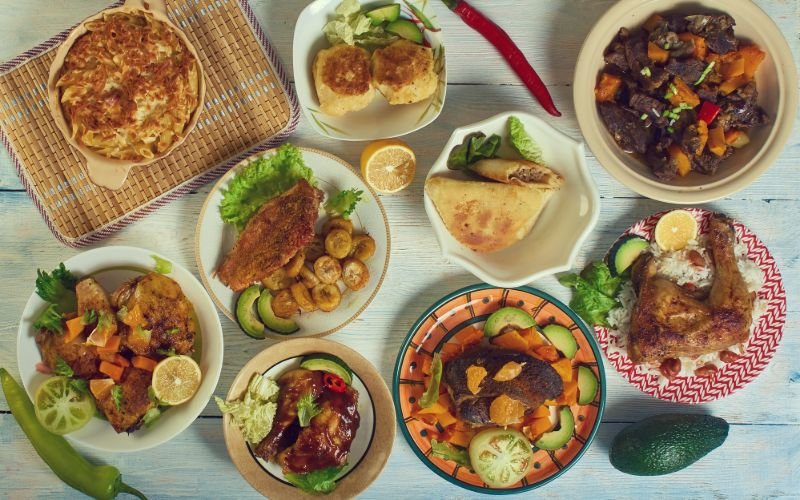
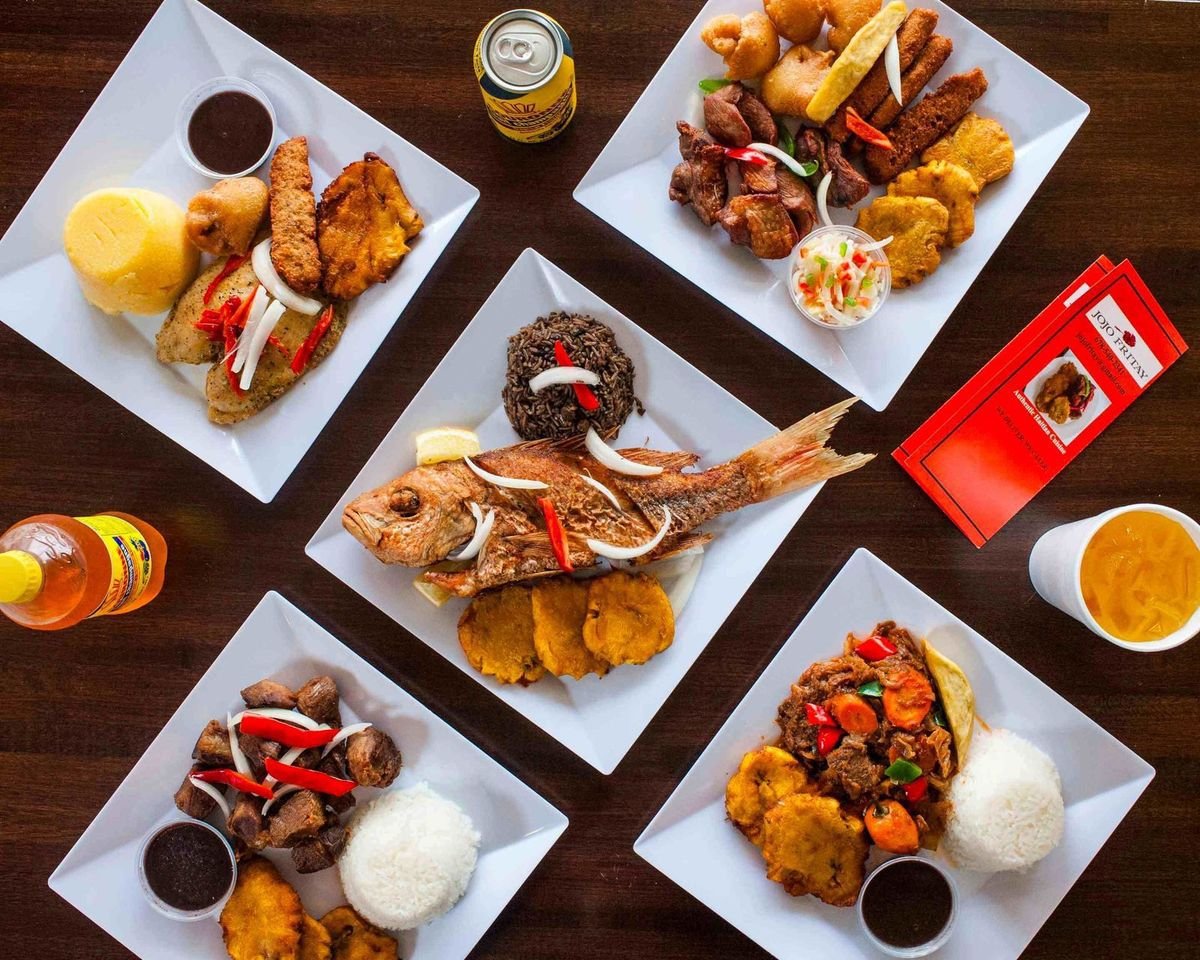
Haitian and African cuisine have deep roots that connect them through the history of the African diaspora. Dishes like Tonmtonm and Foutou are a testament to the ingenuity of African and Haitian peoples in using local produce and creating dishes that are both nourishing and flavorful.

Both cuisines share a rich palette of spices and flavors, with African, European, and indigenous influences. Spicy sauces, grilled meats, and breadfruit or plantains are recurring elements that give these cuisines an authenticity and richness that is unmatched.

Haitian Tonmtonm and African Foutou are two delicious dishes that exemplify the diversity of Haitian and African cuisines. While they differ in ingredients, preparation, and accompaniments, these dishes offer an exceptional culinary experience that celebrates the history, culture, and generosity of the people who created them. Whether you are a fan of Haitian or African cuisine, these dishes deserve to be savored for their richness and unique character.

Share
About the Author
Appolon Guy Alain
Appolon Guy Alain
Appolon Guy Alain

Full Stack Developer, Créatif, expérimenté, passionné des nouvelles technologies et de l’art.

See other articles from Appolon Guy Alain
Leave a comment

Recently Posted

Haiti: the Island of Lovers

The ideal place for vacations, honeymoons, excursions, sightseeing tours and much more. This paradise island, located in the south of Haiti, near Île-à-Vache, offers a picturesque setting which makes it a destination of choice. A stone’s throw from Île à Vache, a 128 km² island bathed by the crystal clear waters of the Caribbean Sea, Île des Amoureux is a true gem to explore in Haiti. Just 5.50 nautical miles from the coastal town of Les Cayes, this island is easily accessible. Travelers can reach the town of Les Cayes by car or opt for charter flights arriving at the regional airport. From the port of Les Cayes, a short 20-minute boat trip will take you to this enchanting destination. The fascinating history of Île à Vache adds an extra dimension to your experience. Once a refuge for pirates and buccaneers, this island was nicknamed "Treasure Island". Today, it continues to charm visitors with its authentic ambiance, pristine beaches and crystal clear waters. Whether you’re looking for beach relaxation, underwater adventures, a romantic getaway, an exotic adventure or cultural discoveries, Lovers’ Island has it all. Dive into the clear waters to explore colorful coral reefs, hike through lush vegetation, or soak up the bustling atmosphere of local markets. For couples looking for romance, there’s nothing like a sunset stroll on the beach, followed by a candlelit dinner under the stars. Lovers’ Island is much more than just a vacation destination, it is a true haven of peace where adventure and relaxation meet. Whether you are a lover of relaxation or an adventurer at heart, this island will seduce you with its authentic charm and breathtaking landscapes. Embark on an unforgettable getaway and discover all that Haïti has to offer on this island paradise.

Newsletter

Subscribe to our newsletter to stay informed of all our activities and news on Haiti.

The Monferrier Dorval Chair of Constitutional Law, a gesture from the State University of Haiti, for the preservation of the memory of Professor Dorval

The Monferrier Dorval Chair of Constitutional Law is a high-intellectual-intensity initiative, taken by the State University of Haïti (UEH), through the leadership of its rectorate, in agreement with the leaders of the Faculty of Law and Economics (FDSE). The initiative’s primary goal is to honor and perpetuate the memory of the valiant and brilliant Professor Monferrier Dorval, assassinated in unclear circumstances, about three years ago. And in order to make a scientific contribution to the great debate that has been going on in Haitian society for about ten years about the need to change or not, the constitution of March 29, 1987, amended on May 11, 2011. Shouldn’t we try to apply it preferably? If it needs to be changed, should this change be radical, otherwise what should it have in terms of change within a new mother law for a better institutional organization of Haiti. The chair is scientifically chaired by Professor Henri Marge. Dorléans, (current head of AFPEC), and is vice-chaired by the dean of the faculty of law and economics, Me Eugène Pierre Louis. The Chair is materialized by a set of conferences and debates (15 in total), which take place in the premises of the Office of the Protection of the Citizen OPC, under the name of Wednesday of the Monferrier Dorval Chair. It is in this sense that for the fifth edition of the Wednesday of the chair (which took place this Wednesday, October 9, 2024 at the OPC, in the presence of the protector of the citizen, Me Renan Hédouville), attention was placed on education within the debate surrounding the possible development of a new constitution for Haiti. This 5th meeting took place under the theme of: "Education, Teaching, Research, Science and Technologies". The conference was hosted by three greats of the Haitian intellectual community, including two eminent professors of the UEH, namely, Professor Odonel Pierre Louis, academic director of the École normale supérieure (ENS); the vice rector of the UEH, Professor Jacques Blaise. Their interventions were followed by that of the director of the national institute of vocational training (INFP) Mr. Dikel Delvariste.

Haiti: Discover the Magic of the Pichon Waterfall in Belle-Anse: A Natural Treasure to Explore

Located in the heart of southeastern Haiti, the Pichon Waterfall emerges as a natural gem, providing a breathtaking experience for visitors seeking adventure and natural beauty. Nestled in the lush greenery of the Belle-Anse region, this majestic waterfall amazes with its imposing height and its crystal clear waters which cascade down the rocks with grace. The Pichon waterfall is much more than just a natural wonder; it is a place steeped in history and legends, captivating visitors with its mystical ambiance. According to local tradition, it would have been a gathering place for indigenous communities, testifying to the cultural richness of the region. For outdoor enthusiasts and adventure-seeking travelers, Pichon Waterfall offers a myriad of exciting activities. Scenic hikes through the surrounding jungle lead to spectacular viewpoints of the waterfall, offering unforgettable opportunities to take stunning photos. Additionally, travelers can refresh themselves in the crystal clear waters of the waterfall, letting themselves be enveloped by the revitalizing freshness of nature. The more adventurous can even venture to swim in the natural pools formed by the waterfall, creating lasting memories of their visit to Belle-Anse. As an emerging tourist destination, Pichon Waterfall also offers a unique opportunity to experience local culture and support surrounding communities. Visitors can explore the nearby picturesque villages, discover local crafts and taste delicious traditional Haitian cuisine. Whether you are a nature enthusiast, an adventure lover or simply in search of tranquility and beauty, the Pichon waterfall in Belle-Anse invites you to immerse yourself in a world of natural wonders and unforgettable discoveries. Come discover this hidden treasure and let yourself be seduced by the magic of the Pichon waterfall, an unforgettable experience in the heart of Haiti.

Recently Posted

History

History

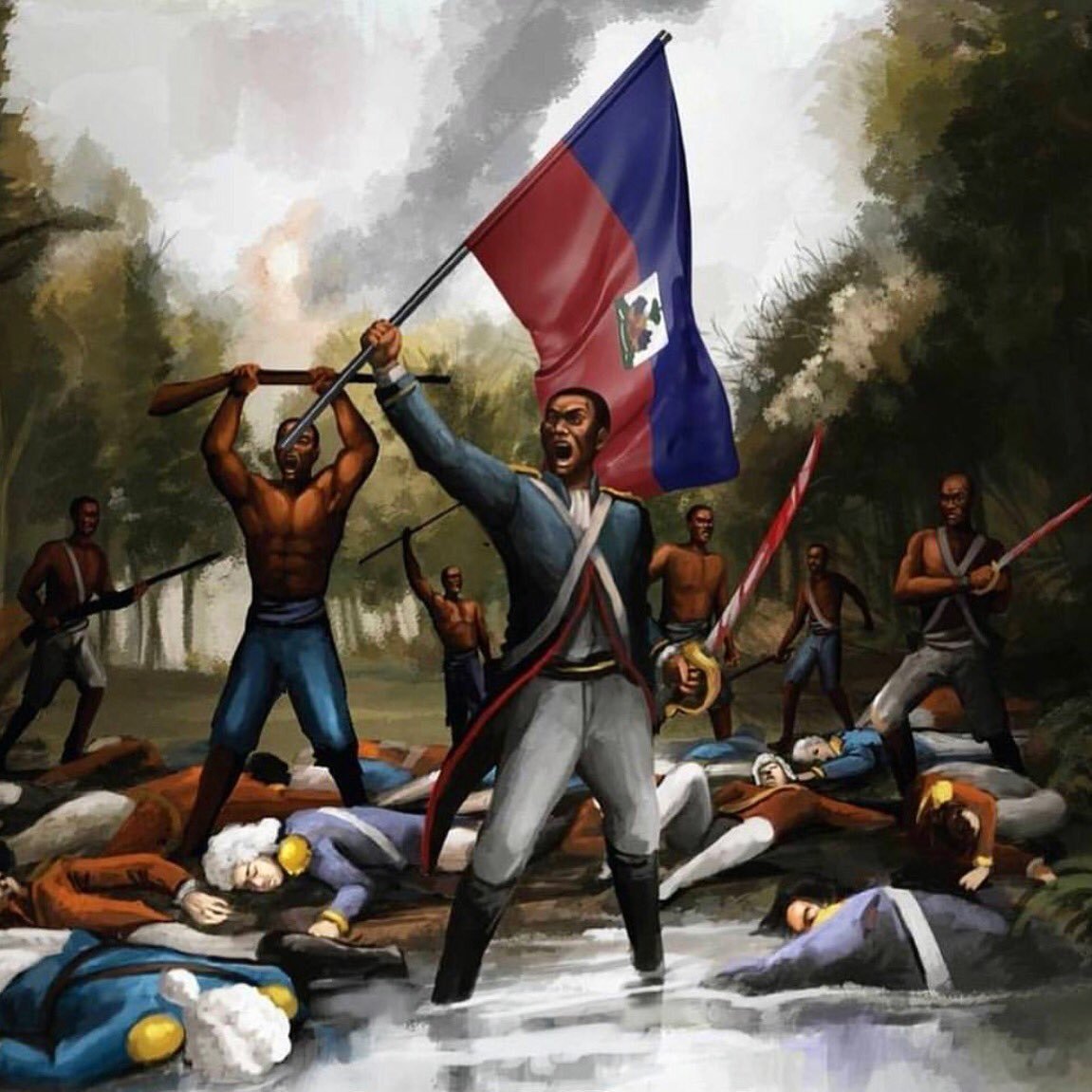
First black nation to free itself from slavery and gain independence from France in 1804 and influenced other liberation movements around the world, inspiring struggles for freedom and equality.

Natural beauty

Natural beauty

Haïti is blessed with spectacular natural landscapes, including white sand beaches, mountains and rich biodiversity.

Heritage

Heritage

Haïti has a rich historical heritage, including sites like the Citadelle Laferrière and the Sans-Souci Palace, listed as UNESCO World Heritage Sites.

Culture

Culture

Haïti has a rich and diverse culture, influenced by African, European and indigenous elements. Haitian music, dance, art and cuisine are celebrated around the world.

  • +
    • Post