Belle-Anse, a village between tradition, nature and tourist potential
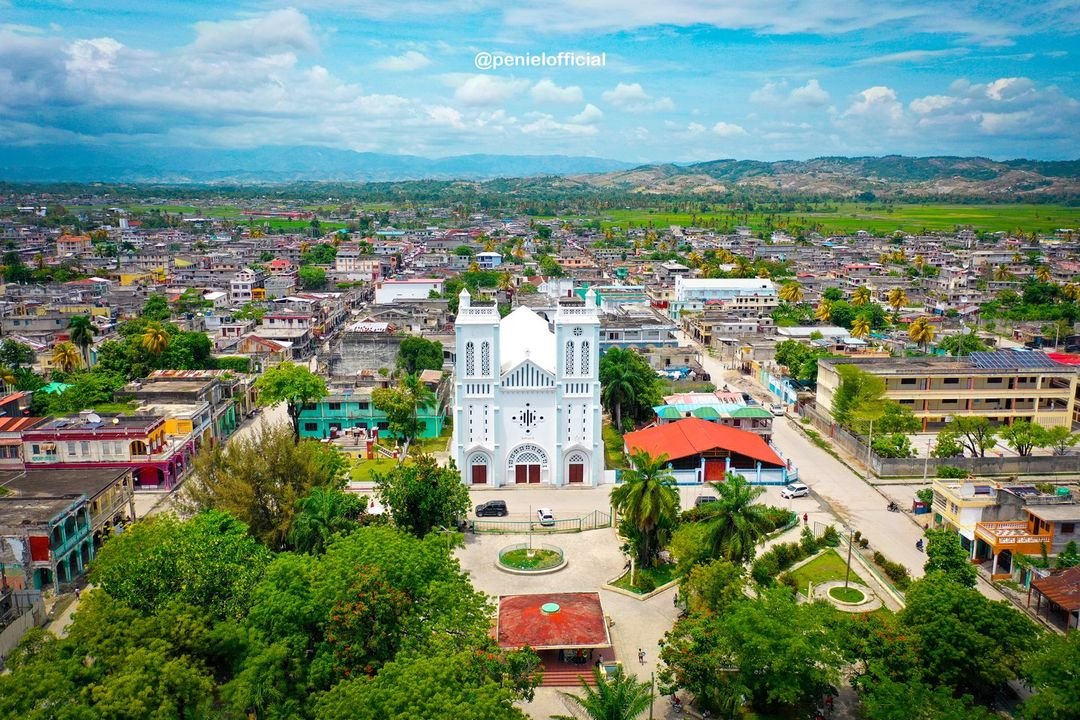
Nestled in the southeast of Haiti, Belle-Anse is a destination that fascinates with its natural beauty and rich history. This small town, still often ignored by major tourist routes, is full of treasures that deserve to be discovered. Its wild beaches, its imposing mountains and its unique historical heritage make Belle-Anse a hidden pearl, ready to seduce travelers in search of authenticity and tranquility.
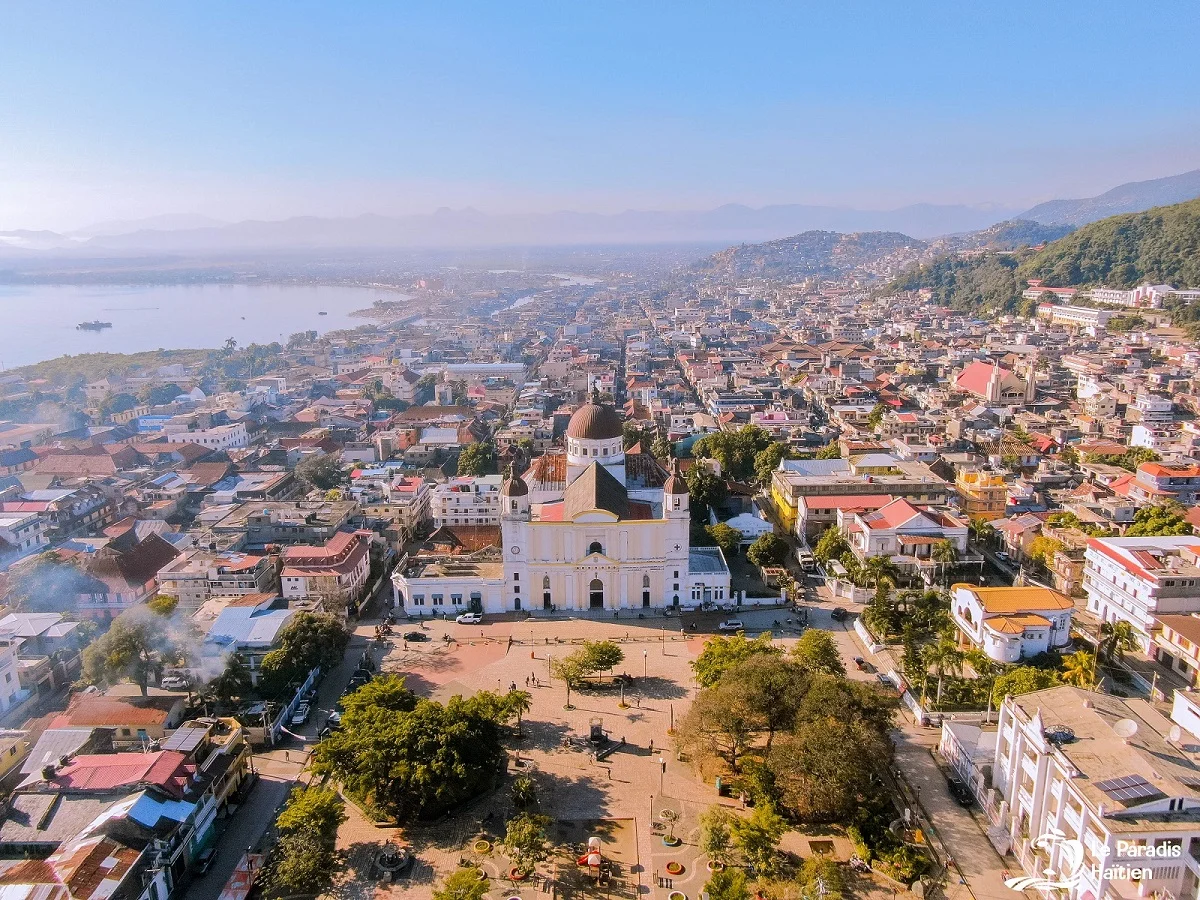
Belle-Anse, founded in the 18th century, still bears the traces of its past. Its history, marked by changes of names and identity, bears witness to the political and social upheavals that have given the region. From the colonial era to the birth of the Republic, each corner of the city tells a part of the history of Haiti. This rich past is combined with a vibrant cultural life, where local festivals, such as the celebration of the Patron Saint every December 10, offer an authentic glimpse into the lives of the inhabitants.
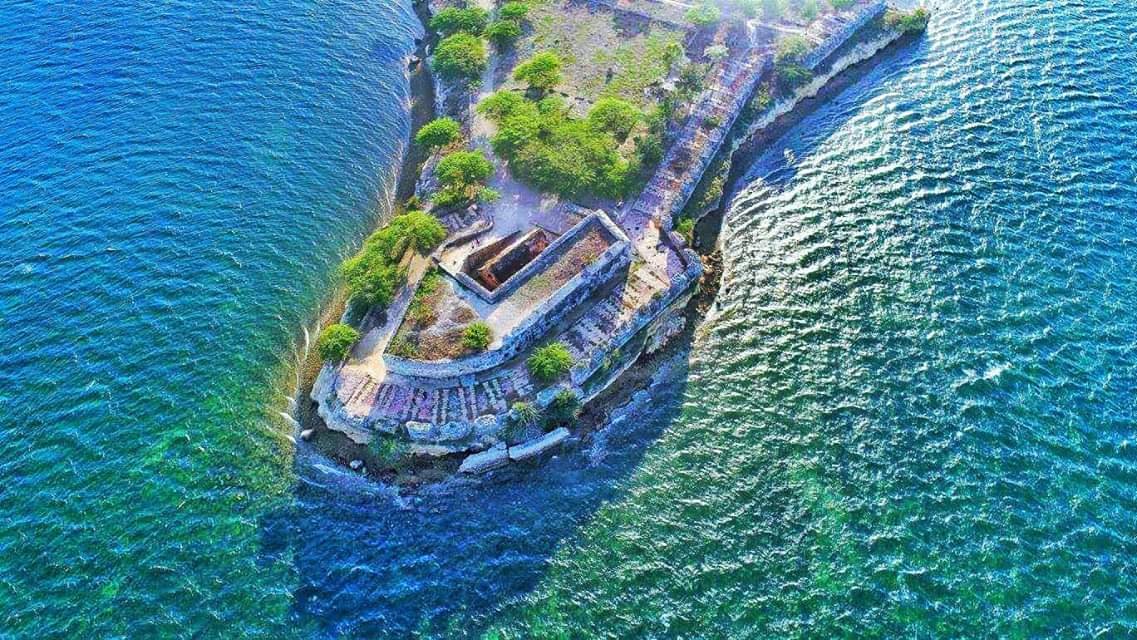
The historical remains scattered throughout the city are not only a reminder of the era of colonization, but also of the struggles for independence. These witnesses of the past, combined with a calm and preserved atmosphere, make Belle-Anse a place where history and nature intertwine harmoniously.
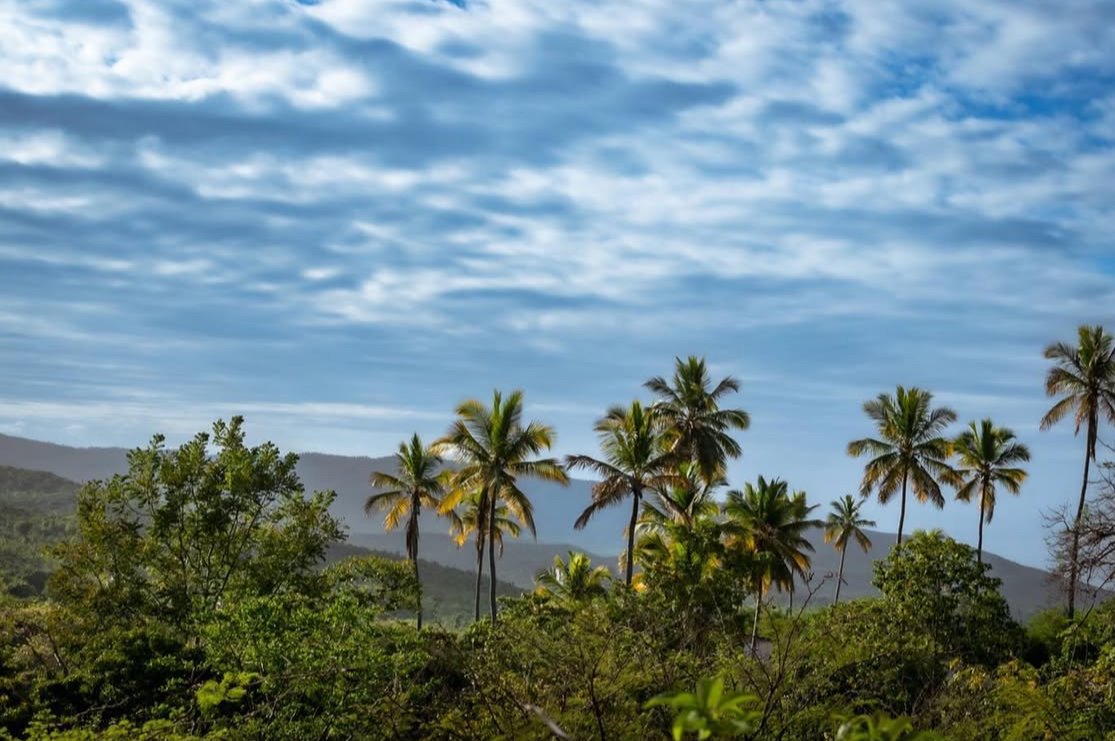
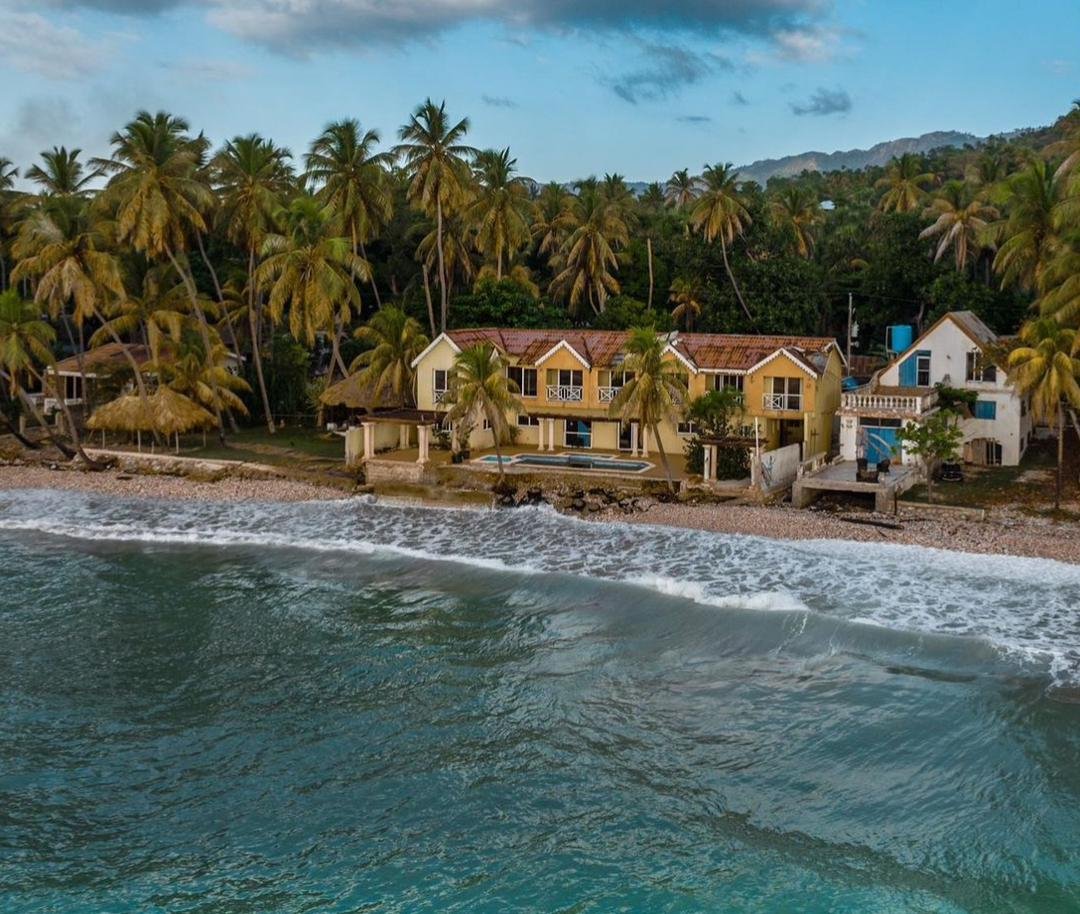
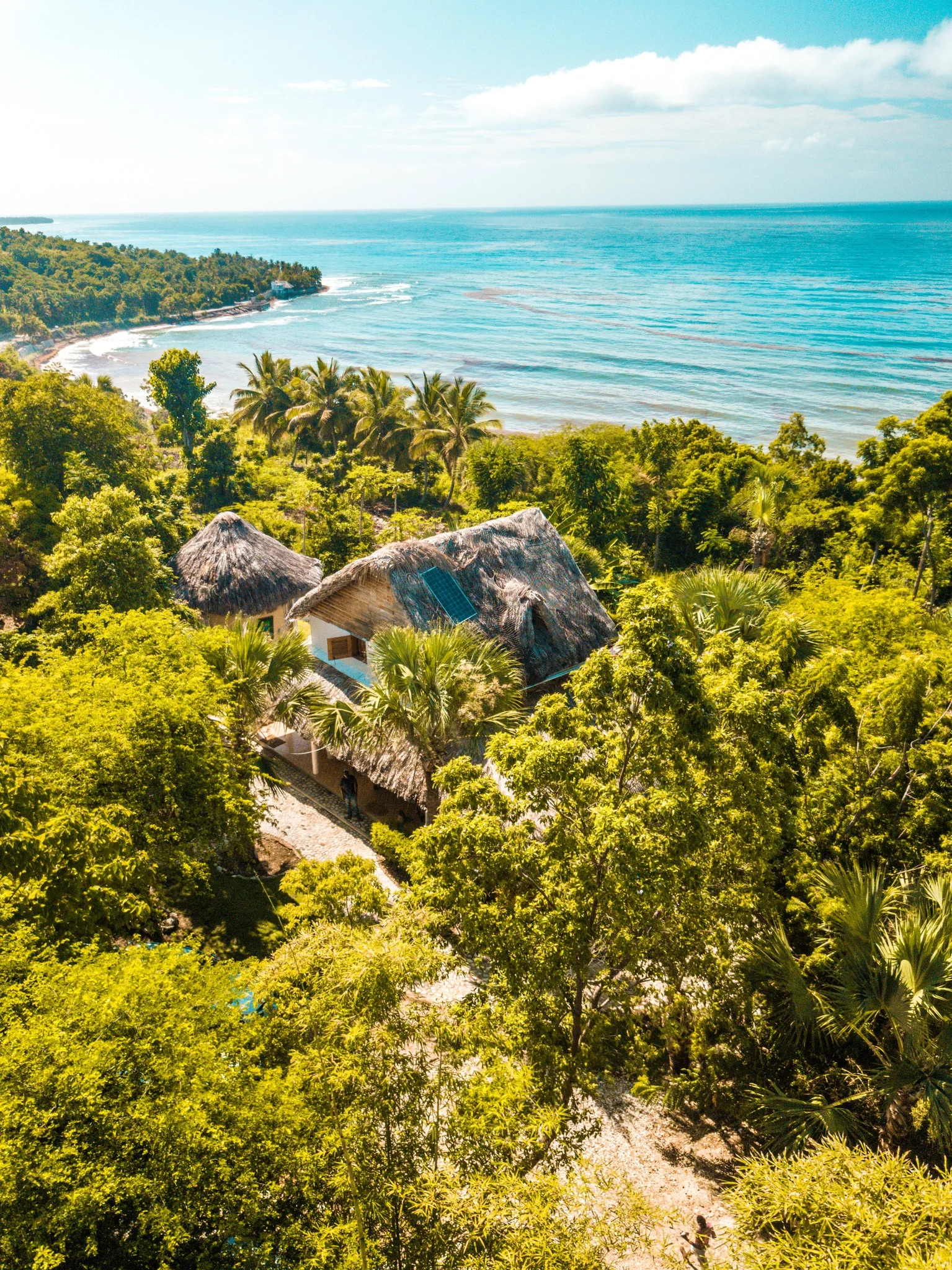
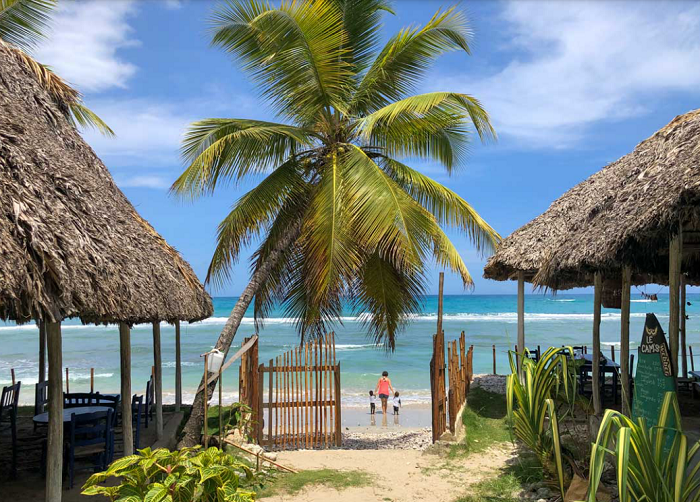
What distinguishes Belle-Anse is undoubtedly its spectacular natural environment. Ultimately, these beaches before the deserts invite you to relax. Lagan Beach, lined with palm trees and crystal clear waters, offers an idyllic setting for lovers of wild nature, far from the crowds of more frequent tourist destinations. The nearby Bay of Jacmel is a true natural bliss, promising moments of calm and escape.
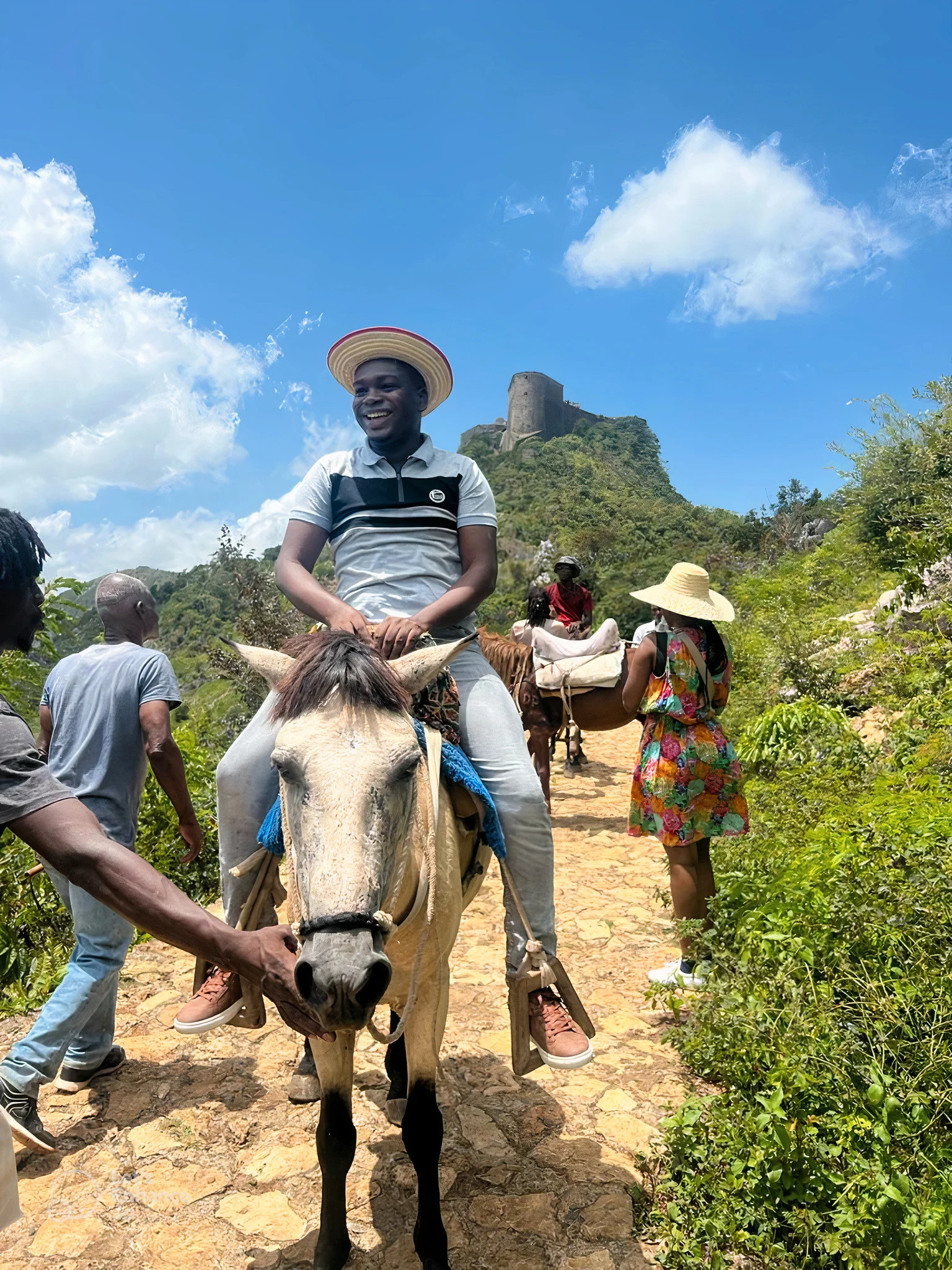
The city is also surrounded by majestic mountains, ideal for those who wish to explore the Haitian landscapes on foot, while discovering a unique biodiversity. While Belle-Anse’s natural resources are rich, they are also fragile, and preserving these areas remains an important issue for the future of the region.
Read the article in :
French : Belle-Anse, une ville entre tradition, nature et potentiel touristique
Spanish : Belle-Anse, un pueblo entre tradición, naturaleza y potencial turístico
Creole : Belle-Anse, yon vilaj ant tradisyon, lanati ak potansyèl touris
Reference page : Belle-Anse, a village between tradition, nature and tourist potential
Other version : Belle-Anse, a village between tradition, nature and tourist potential
-
Agriculture, A Pillar of the Local Economy
Agriculture occupies a central place in the economy of Belle-Anse. Thanks to these fertile lands, the community produces a wide variety of products, from sugar cane to coffee, including two quality tropical fruits. This agriculture, traditionally the heart of local activity, is gradually opening up to more sustainable practices, particularly with the development of agrotourism, which allows visitors to discover agricultural riches while supporting an environmentally friendly economy. .
With the rise of tourism, agriculture could well become a key sector for diversifying sources of income and offering travelers an immersive experience, while contributing to the preservation of local ecosystems.
Like many regions in Haiti, Belle-Anse faces major challenges: limited access to modern infrastructure, natural resource management, and the need to adapt tourism in a sustainable manner. However, the city has enormous potential, not only thanks to its natural resources, but also thanks to the active involvement of its residents. Community dynamics, coupled with a growing interest in ecological tourism, are opening new perspectives for the economic development of the region.
Initiatives to improve local infrastructure and promote environmentally friendly tourism are already underway. The future of Belle-Anse therefore looks promising, with the possibility of becoming an essential destination for travelers in search of nature, culture, and tranquility.
-
Belle-Anse: A Future at the Crossroads of History and Modernity
Belle-Anse is a place where history meets nature, and where residents, proud of their heritage, look to the future with optimism. The city has all the necessary qualifications to develop a sustainable tourism model in Haiti. For those looking to discover a lesser-known side of the island, Belle-Anse offers a perfect setting for an authentic and enriching adventure, while contributing to the development of an environmentally friendly local economy.




























Un très bon travail.Merci compatriote
December 17, 2024 - 06:51:13 PM