contact@haitiwonderland.com+509 36184317

Discover

Shopping Cart

Haiti: Why do people confuse "Unity is Strength" and "Liberty - Equality - Fraternity"?
Haiti: Why do people confuse  Unity is Strength  and  Liberty - Equality - Fraternity ?
Haiti: Why do people confuse Unity is Strength and Liberty - Equality - Fraternity ?

Haiti: Why do people confuse "Unity is Strength" and "Liberty - Equality - Fraternity"?

What is Haiti's real motto? Understanding the confusion between "Unity is Strength" and "Liberty-Equality-Fraternity."

If you’ve ever debated Haiti’s motto with friends or family, you’re not alone. This confusion between "Unity is Strength" and "Liberty - Equality - Fraternity" is more common than you might think, and it hides a fascinating story worth telling.

Two phrases, two distinct functions

The official answer is clear, according to the 1987 Constitution: Haiti’s national motto is "Liberty - Equality - Fraternity." Yet, "Unity is Strength" holds an equally important place in the hearts of Haitians. Why this ambiguity?

"Unity is Strength": The Legend of the Arms of the Republic

This powerful phrase is not the national motto, but rather the legend inscribed on the Arms of the Republic, which appears at the center of the Haitian flag. It accompanies the palm tree topped with the cap of liberty and the trophy of arms, symbols of the struggle for independence.

This legend resonates deeply in the Haitian soul because it evokes:

- The unity necessary to overcome slavery and colonialism
- The solidarity that enabled the victory of 1804
- A practical and mobilizing message for the nation

"Liberty - Equality - Fraternity": The Constitutional Motto

Enshrined in Article 4 of the 1987 Constitution, this motto places Haïti in the lineage of great democratic revolutions. It reflects:

- The legacy of the Enlightenment and the French Revolution
- The universal values ​​that inspired the Haitian Revolution
- Haiti’s aspiration to embody these principles for the Black world

The roots of a legitimate confusion

1. An overwhelming visual presence

"Unity is Strength" appears on the national flag, an official document ubiquitous in daily life. Every Haitian sees this phrase far more often than the constitutional motto, which is rarely highlighted.

2. A message more rooted in national history

This legend directly recalls the ancestors’ struggle for independence. It speaks to a specifically Haitian collective experience, while "Liberty - Equality - Fraternity" is a universal motto shared with other nations.

3. Variable civic education

Not all Haitians receive the same level of civic education. The subtle distinction between "national motto" and "arms legend" is not always clearly taught in schools.

4. A Dual National Identity

This confusion perhaps reveals a deeper reality: Haïti possesses two complementary souls. One, oriented toward the universal with "Liberty - Equality - Fraternity," the other, rooted in its unique history with "Unity is Strength."

What the law says: a necessary clarification

The 1987 Constitution is clear:

- Article 3: Describes the flag with its two horizontal bands (blue at the top, red at the bottom) and the Arms of the Republic in the center.
- Article 4: Unequivocally establishes that "The national motto is: Liberty - Equality - Fraternity."

The Arms of the Republic, for their part, feature "the Palm Kernel topped with the Cap of Liberty" shading "a Trophy of Arms with the Legend: Unity is Strength."

A Wealth Rather Than a Weakness

This confusion, far from being problematic, testifies to Haiti’s symbolic richness. The two phrases are not opposed; they complement each other:

"Liberty - Equality - Fraternity" expresses Haiti’s universal aspiration and its historical role as the first free Black republic.

"Unity is Strength" recalls the concrete method that made this freedom possible: the unity of the Haitian people in the face of oppression.

What’s the takeaway?

The next time you hear someone say that Haiti’s motto is "Unity is Strength," you can politely correct them while acknowledging the importance of this legend. Because, at heart, the two phrases tell the same story: that of a people who, through their unity and their thirst for freedom, changed the course of world history.

Knowing this distinction means better understanding the symbols that make Haïti a unique nation, proud of its past and looking to the future.

Share
About the Author
Appolon Guy Alain
Appolon Guy Alain
Appolon Guy Alain

Full Stack Developer, Créatif, expérimenté, passionné des nouvelles technologies et de l’art.

See other articles from Appolon Guy Alain
Leave a comment

Recently Posted

Newsletter

Subscribe to our newsletter to stay informed of all our activities and news on Haiti.

The Republic of the Stateless?

Haïti is making headlines all over the world. And it’s not good news. The exploits of Haitians rarely generate so much interest, but we always tend to point out the excesses, spill ink to stir up thorns in the side, broadcast on loop to relay the chaos that is raging. There is hardly any media to make amends for the resilience of this cornered people. No one to highlight the fierce resistance that serves as fuel for this people hanging in the gorges of death. And what if it was to a certain extent the only way to talk about this country to finally attract attention? It is July 26, 2024. The Olympic Games have just started in France. The 33rd Olympiad of modern times. Without realizing it, according to Forbes Magazine, Haïti ranks among the ten nations with the best costume, proudly pointing to third place. At the same time, miles away from France, on “The Island of Skillfully Orchestrated Chaos,” Haitians do not even realize how much this recognition borders on irony. A paradox whose unpopular evocation is likely to greatly displease. An aerial image shows the city of Paris in all its splendor, illuminated like the gates of paradise, reflecting all the grandeur of France, all the magnificence it has acquired over the centuries, without forgetting the contribution of the blood shed by the horrible machine of colonization. I close my eyes, I go back in time, I see again this boy left to his own devices, lost without even knowing it, doomed to failure without even understanding it. And then there are the others. Boys in the same situation, or worse. Banished from society, they do not know what life has in store for them. They form the elegant class of the marginalized, in their quality of scoundrels, good-for-nothings, and thugs who spoil the splendor of society. This contrast challenges me, and I wonder for a moment if those who live the chaos from the outside grasp the stakes and the reality of the situation. Moreover, it seems to me that even the majority of Haitians living in the territory have no notion of the fundamental and essential aspects of the situation.

Why Choose Haïti as a Tourist Destination?

Haiti, the pearl of the Antilles, is attracting more and more attention from travelers looking for unique and authentic experiences. This Caribbean jewel is full of cultural, historical and natural riches that make it an unmissable tourist destination. So why choose Haïti among so many other destinations? b~The Fascinating History~b Haïti has a rich history, marked by the Haitian Revolution of 1804, which led to the country’s independence and made Haïti the first independent black republic. Historical sites such as the Citadelle Laferrière, listed as a UNESCO world heritage site, bear witness to this glorious past. History lovers will be delighted by the colonial remains, museums and monuments that dot the country. b~An Exuberant Nature~b The natural landscapes of Haïti are breathtaking. From white sand beaches to lush mountains and picturesque waterfalls, the country offers a diversity of vistas to explore. La Visite National Park and the Bassin Bleu are must-sees for nature lovers and adventurers in search of discoveries. b~Cultural Wealth~b Haïti is the birthplace of Voodoo, an Afro-Caribbean religion that has deeply influenced Haitian culture. Visitors have the opportunity to experience voodoo ceremonies, traditional dances and captivating music. Colorful markets, lively festivals and local artisans offer total immersion into daily Haitian life. b~A Living Art~b The Haitian art scene is vibrant and unique. Painting, sculpture and traditional crafts reflect the boundless creativity of the Haitian people. Local art galleries and markets are full of colorful and expressive works, offering visitors the opportunity to acquire unique pieces as souvenirs of their trip. b~Haitian Hospitality~b Haitians are renowned for their warmth and exceptional hospitality. Visitors are greeted with a genuine smile and remarkable kindness. Hospitality traditions are deeply rooted in Haitian culture, creating a warm and friendly atmosphere that makes each stay memorable. Haïti stands out for its captivating blend of culture, history, nature and hospitality. Choosing Haïti as a tourist destination means opting for an authentic adventure in the heart of the Caribbean, where each corner of the island reveals a new facet of its beauty and wealth. So, let yourself be seduced by the Haitian magic and set off to discover this unique Caribbean treasure.

Recently Posted

History

History

First black nation to free itself from slavery and gain independence from France in 1804 and influenced other liberation movements around the world, inspiring struggles for freedom and equality.

Natural beauty

Natural beauty

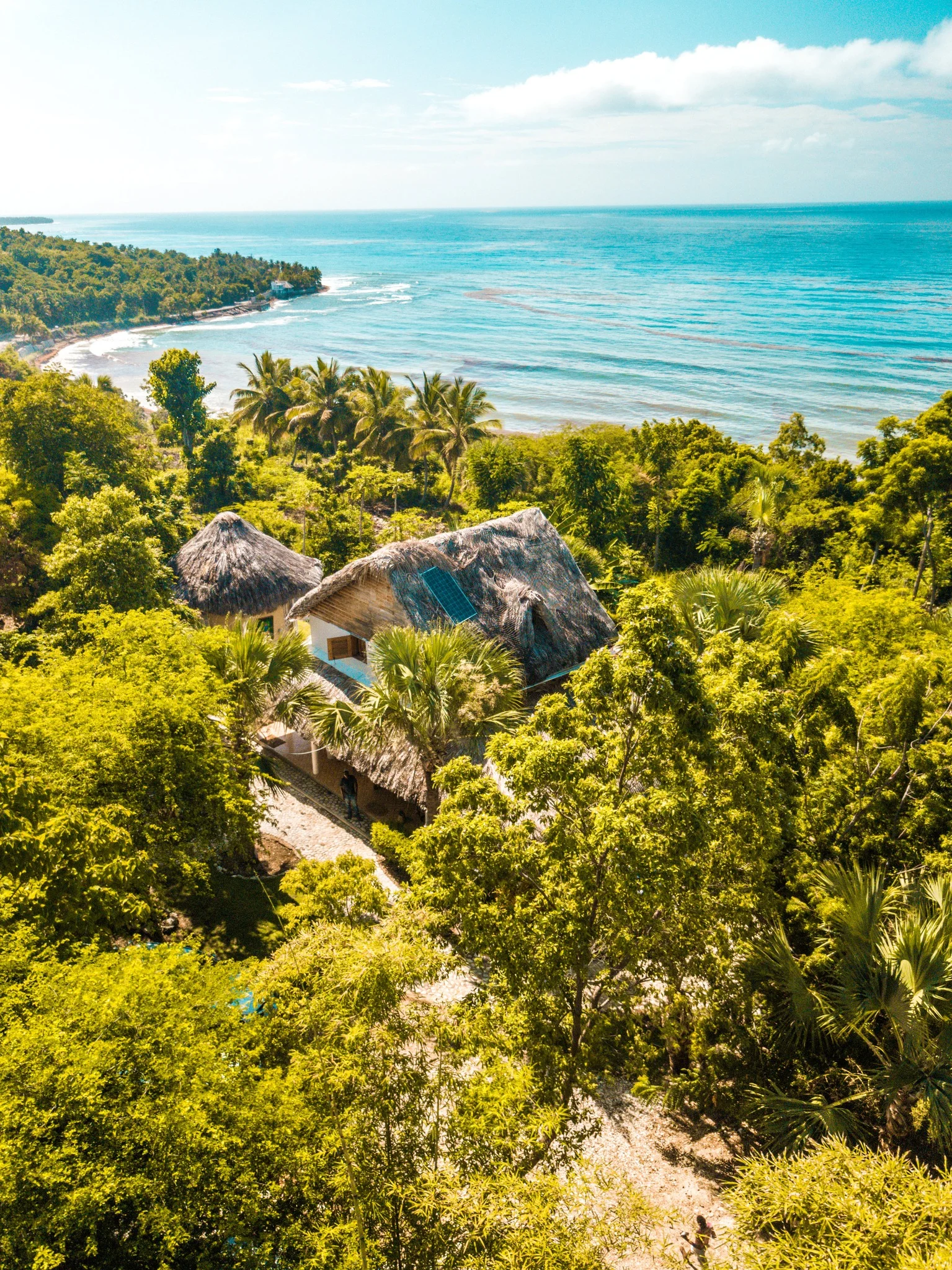
Haïti is blessed with spectacular natural landscapes, including white sand beaches, mountains and rich biodiversity.

Heritage

Heritage

Haïti has a rich historical heritage, including sites like the Citadelle Laferrière and the Sans-Souci Palace, listed as UNESCO World Heritage Sites.

Culture

Culture

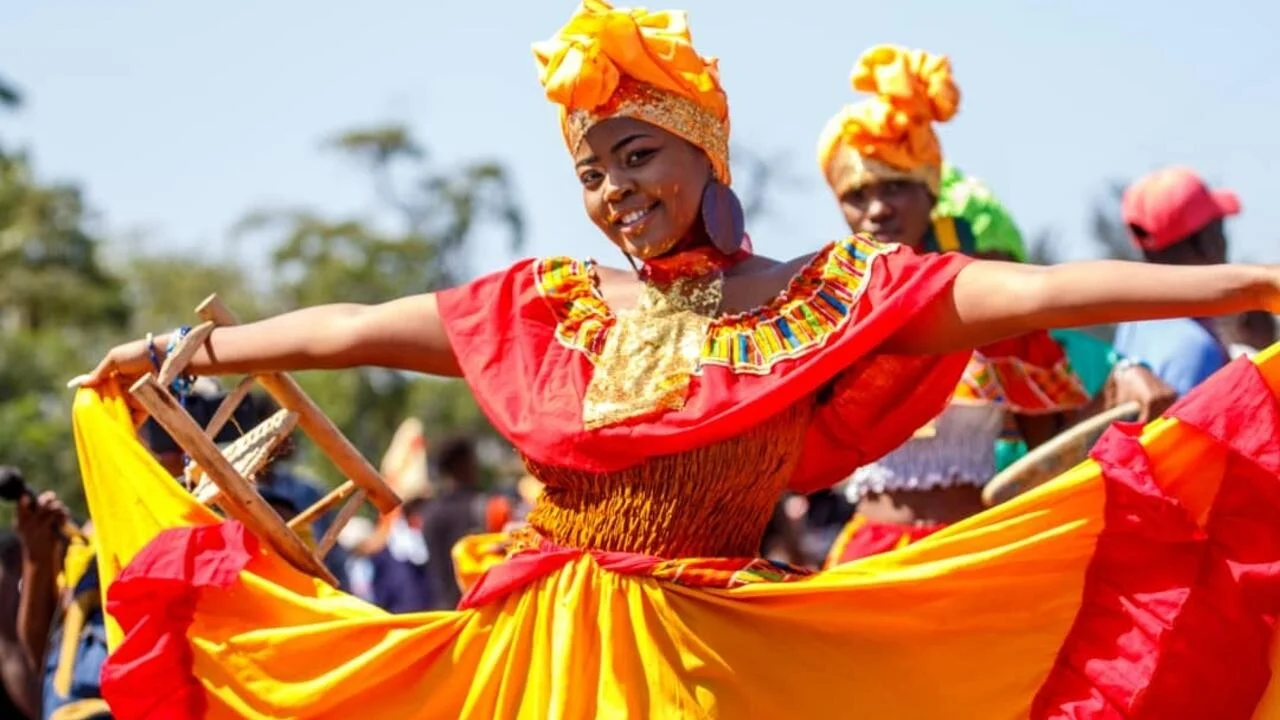
Haïti has a rich and diverse culture, influenced by African, European and indigenous elements. Haitian music, dance, art and cuisine are celebrated around the world.

  • +
    • Post