contact@haitiwonderland.com+509 36184317

Discover

Shopping Cart

Full Definition of the Word Haiti: Origin, History and Meaning

Full Definition of the Word Haiti: Origin, History and Meaning

The name Haïti embodies a rich history, marked by struggles for freedom, an indigenous heritage and an exceptional destiny. This word, today synonymous with the first independent black Republic, carries within it centuries of transformation and resilience. Discover the origin, history and meaning of this emblematic name.

Origin of the Name Haiti: A Land of Mountains

The word Haïti originates from the Taínos, the first inhabitants of the island. Indeed, Haïti is the French version of the word Ayiti, which in their language means "land of high mountains" or "mountainous country".

- A tribute to geography: This name refers to the geographical characteristics of the island, which is dominated by impressive mountain ranges and a steep relief.
- A symbol of resistance: For the Tainos, this name represented not only their territory, but also their deep connection with nature.

Thus, Ayiti reflected a vision of the land as a space of natural beauty and resource, a theme that remains central to Haitian identity.

The arrival of Europeans and the change of name

When Christopher Columbus landed on the island in 1492, he named it Hispaniola or La Española, in homage to the Spanish crown. This name remained in use for several centuries, at a time when the island became the center of colonial trade.

- A colonization marked by exploitation: Under Spanish and then French domination, the island, especially the western part, was one of the world’s leading producers of sugar, coffee and indigo thanks to the work of African slaves.
- The name Hispaniola therefore represents a period of submission and colonization, when Europeans sought to impose their authority on the island.

During this period, the name Ayiti was lost to Hispaniola and Saint-Domingue (the name of the French colony on the western part of the island).

Saint-Domingue: a colonial era marked by slavery

In the 17th century, France took possession of the western part of the island, which it called Saint-Domingue. This name was closely linked to the prosperity of the colony, which became one of the world’s largest producers of sugar and coffee. However, this economic development was based on the brutal system of slavery.

- A prosperity based on exploitation: Saint-Domingue was a model of colonial prosperity, but this wealth was the fruit of the suffering of hundreds of thousands of African slaves. - A breeding ground for revolution: It was in this context of injustice and suffering that the Haitian revolution was born, a massive uprising against slavery, led by emblematic figures such as Toussaint Louverture and Jean-Jacques Dessalines.

This revolution marked the end of the name Saint-Domingue and a return to the original identity of Ayiti.

Haiti: a name of freedom and independence

On January 1, 1804, after more than a decade of struggle, Haïti proclaimed its independence and chose to reclaim the name Ayiti, Frenchified in Haiti, to symbolize the return to indigenous roots and victory over oppression. This choice marked the end of colonial domination and the establishment of the first independent black Republic in the world.

- A symbol of resistance: The name Haïti represents above all an act of liberation, an affirmation of the right of peoples to self-determination. It embodies the fight against slavery and oppression, and the birth of an autonomous nation, proud of its origins.
- The heritage of a people: The name Haïti is now a symbol of the independence, resilience and freedom of a people who refused to submit to colonial forces.

Thus, Haïti is not simply a geographical name, but a word loaded with deep and universal meanings.

Meaning and impact of the name Haiti

The word Haïti is much more than just a geographical name: it embodies the very essence of the history of this country, marked by the struggle for freedom, resistance to oppression, and the resilience of a people. This name carries within it the echoes of past struggles and the hope for a better future.

- A symbol of freedom: Haïti remains a beacon of independence and dignity for black and colonized peoples throughout the world. - A collective memory: The name Haïti recalls the heroism of the slaves and freedmen who fought for their freedom and that of future generations.

Thus, each time the name Haïti is pronounced, it evokes centuries of history, struggle and national pride.

Haiti: a name that carries pride and hope

The word Haïti continues to be a source of pride for Haitians around the world, a constant reminder of the strength, resilience, and heritage of their country. By honoring its name and history, Haïti remains an example to nations around the world, leading the way toward freedom and human dignity.

And what does Haïti mean to you? Share your thoughts and let’s celebrate the beauty and resilience of this unique country.

Share
About the Author
Appolon Guy Alain
Appolon Guy Alain
Appolon Guy Alain

Full Stack Developer, Créatif, expérimenté, passionné des nouvelles technologies et de l’art.

See other articles from Appolon Guy Alain
Leave a comment

Recently Posted

Caractéristique d’un lapin

Les lapins sont des mammifères appartenant à la famille des Leporidae. Voici quelques-unes de leurs caractéristiques principales : 1. **Physique** : Les lapins ont un corps couvert de fourrure douce, des oreilles longues et droites, de grands yeux sur les côtés de leur tête, et une queue courte et duveteuse. Ils possèdent de puissantes pattes arrière adaptées au saut. 2. **Taille et poids** : La taille et le poids peuvent varier considérablement selon la race, allant d’environ 500 grammes pour les plus petits à plus de 5 kilogrammes pour les plus grands. 3. **Comportement** : Les lapins sont connus pour être sociaux et peuvent vivre en groupes dans la nature. Ils communiquent entre eux par différents moyens, y compris par des sons et des mouvements corporels. Les lapins creusent des terriers pour y vivre et se protéger des prédateurs. 4. **Alimentation** : Ils sont herbivores, se nourrissant principalement de foin, d’herbes, de feuilles, de fleurs, et de certains légumes. Leur système digestif est adapté pour traiter une grande quantité de fibres. 5. **Reproduction** : Les lapins sont réputés pour leur capacité à se reproduire rapidement, avec des gestations courtes d’environ 28 à 31 jours. Une portée peut compter de un à douze lapereaux, selon la race. 6. **Sens** : Ils ont une excellente vision périphérique pour détecter les mouvements tout autour d’eux, mais ont une zone aveugle juste devant leur nez. Leur ouïe est également très développée, leur permettant de capter des sons à de grandes distances. 7. **Espérance de vie** : En captivité, les lapins peuvent vivre de 7 à 10 ans, selon la race et les soins prodigués, tandis que dans la nature, leur espérance de vie est généralement plus courte en raison des prédateurs et des maladies. Ces animaux nécessitent des soins appropriés, notamment un régime alimentaire équilibré, de l’exercice, et une attention particulière à leur bien-être émotionnel et physique pour vivre une vie saine et heureuse en captivité.

Newsletter

Subscribe to our newsletter to stay informed of all our activities and news on Haiti.

Belle-Anse, a village between tradition, nature and tourist potential

Nestled in the southeast of Haiti, Belle-Anse is a destination that fascinates with its natural beauty and rich history. This small town, still often ignored by major tourist routes, is full of treasures that deserve to be discovered. Its wild beaches, its imposing mountains and its unique historical heritage make Belle-Anse a hidden pearl, ready to seduce travelers in search of authenticity and tranquility. Belle-Anse, founded in the 18th century, still bears the traces of its past. Its history, marked by changes of names and identity, bears witness to the political and social upheavals that have given the region. From the colonial era to the birth of the Republic, each corner of the city tells a part of the history of Haiti. This rich past is combined with a vibrant cultural life, where local festivals, such as the celebration of the Patron Saint every December 10, offer an authentic glimpse into the lives of the inhabitants. The historical remains scattered throughout the city are not only a reminder of the era of colonization, but also of the struggles for independence. These witnesses of the past, combined with a calm and preserved atmosphere, make Belle-Anse a place where history and nature intertwine harmoniously. What distinguishes Belle-Anse is undoubtedly its spectacular natural environment. Ultimately, these beaches before the deserts invite you to relax. Lagan Beach, lined with palm trees and crystal clear waters, offers an idyllic setting for lovers of wild nature, far from the crowds of more frequent tourist destinations. The nearby Bay of Jacmel is a true natural bliss, promising moments of calm and escape. The city is also surrounded by majestic mountains, ideal for those who wish to explore the Haitian landscapes on foot, while discovering a unique biodiversity. While Belle-Anse’s natural resources are rich, they are also fragile, and preserving these areas remains an important issue for the future of the region.



Recently Posted

History

History

First black nation to free itself from slavery and gain independence from France in 1804 and influenced other liberation movements around the world, inspiring struggles for freedom and equality.

Natural beauty

Natural beauty

Haïti is blessed with spectacular natural landscapes, including white sand beaches, mountains and rich biodiversity.

Heritage

Heritage

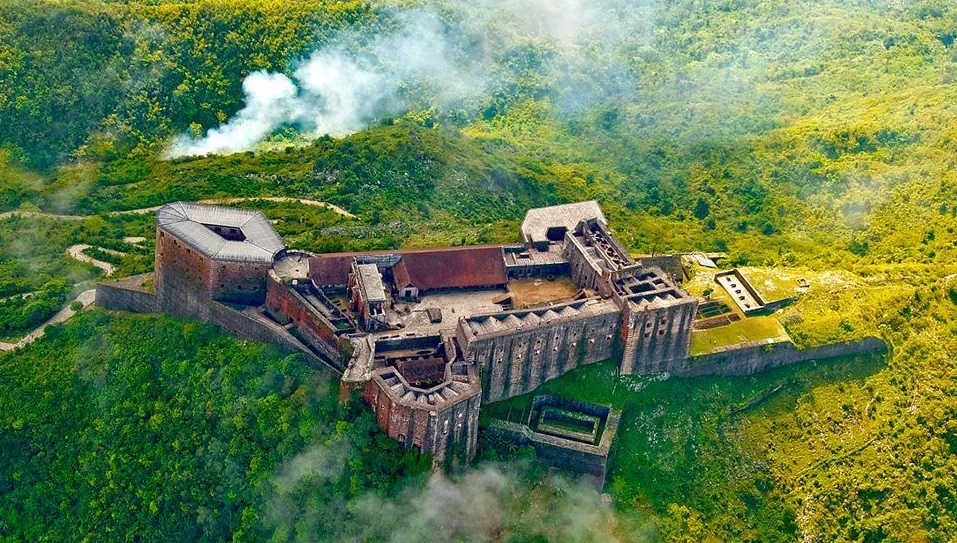
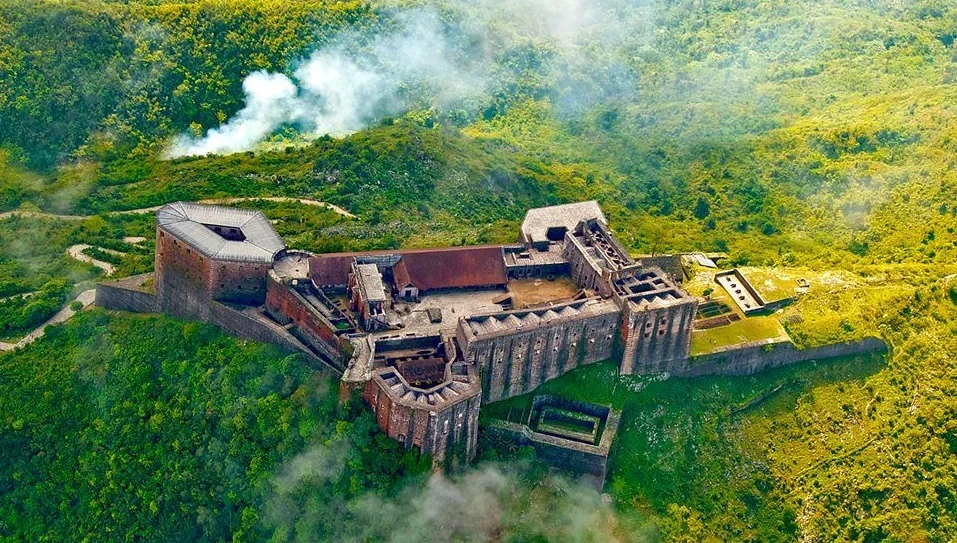
Haïti has a rich historical heritage, including sites like the Citadelle Laferrière and the Sans-Souci Palace, listed as UNESCO World Heritage Sites.

Culture

Culture

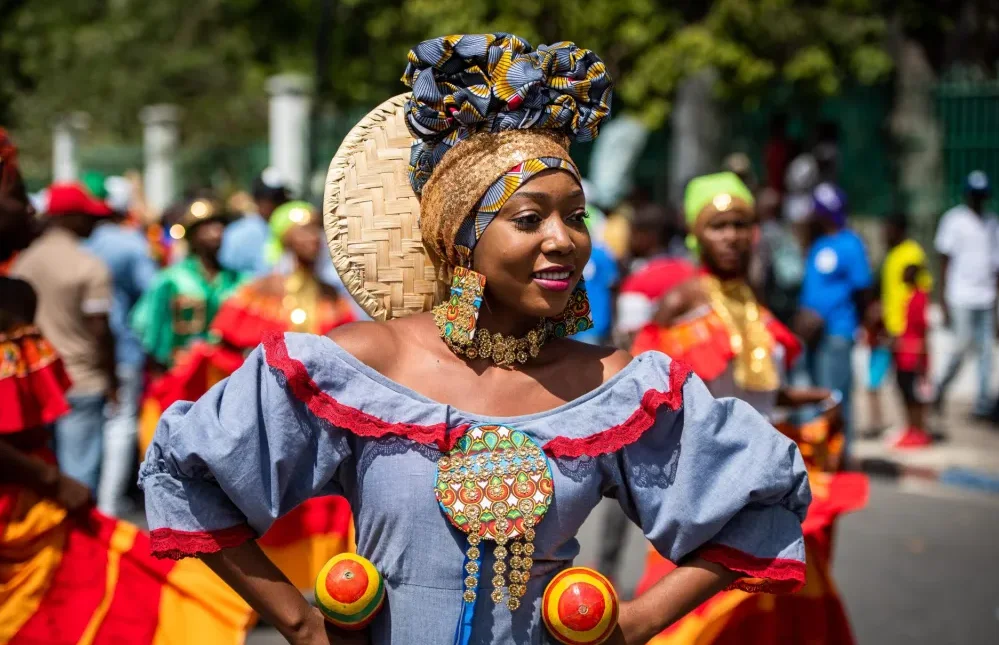
Haïti has a rich and diverse culture, influenced by African, European and indigenous elements. Haitian music, dance, art and cuisine are celebrated around the world.

  • +
    • Post