Explore the Festivals, Gastronomy and Art of Haiti: An Immersive Dive
Haiti, the pearl of the Caribbean, is much more than its white sand beaches and turquoise waters. It is a country rich in culture, traditions and history. Among the many facets of Haitian culture, its festivals, its gastronomy and its art stand out for their diversity and authenticity.
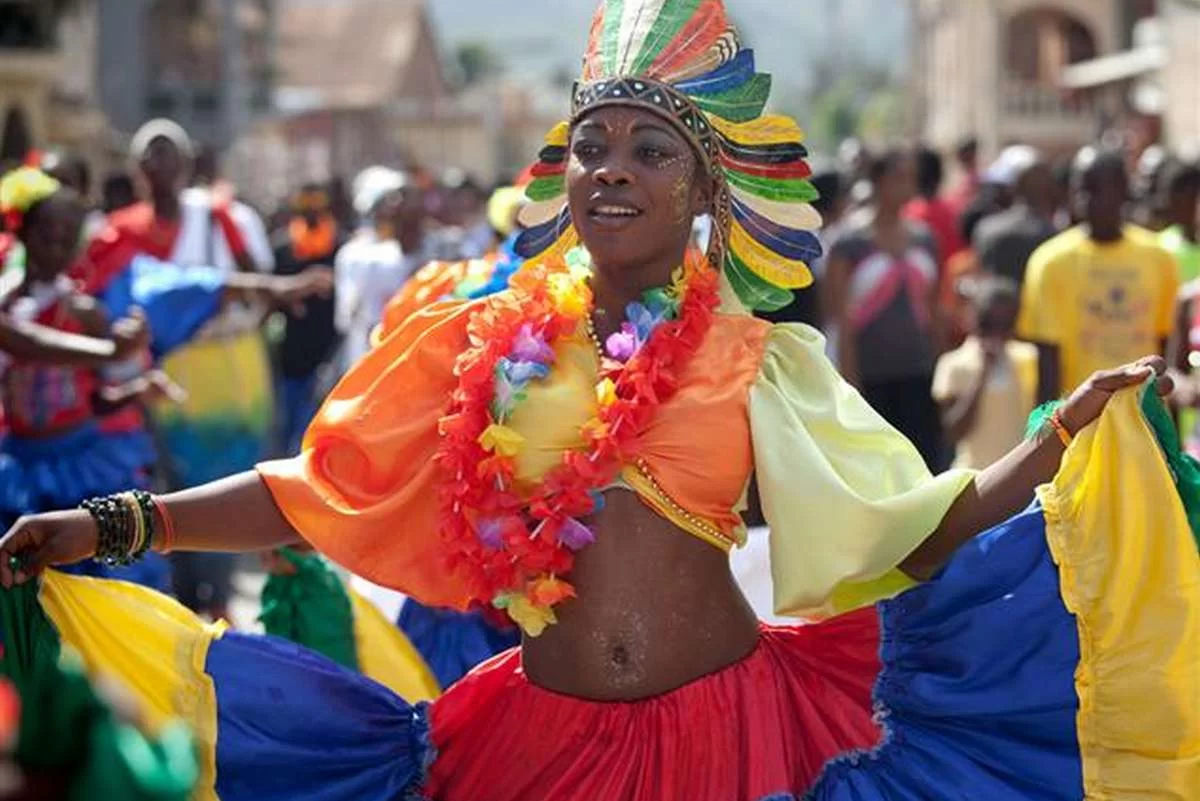
Haitian festivals are vibrant celebrations of life, music, dance and spirituality. One of the most iconic festivals is Carnival, which takes place every year in February. This colorful and exuberant festival is a celebration of Haitian culture, with float parades, folk dances, haunting music and extravagant costumes. The Haitian carnival is an explosion of joy and creativity that attracts visitors from all over the world.
Besides Carnival, Haïti is home to a multitude of other festivals throughout the year. Each festival offers visitors a unique opportunity to immerse themselves in Haitian culture and enjoy unforgettable experiences.
Haitian gastronomy is a delicious blend of African, French, Creole and indigenous flavors. Haitian dishes are often prepared with local ingredients such as rice, beans, plantains, cassava and chili peppers. An iconic dish is "diri djon djon", a fragrant rice cooked with local black mushrooms, which gives the dish a distinctive color and unique taste.
Meat dishes, such as griot (marinated and fried pork) and chicken boucané (grilled chicken), are also very popular. Fresh seafood abounds on Haiti’s shores, offering a variety of culinary delights such as grilled fish and spicy shrimp.
To accompany meals, Haitians often enjoy fresh "sugar cane juice" or "rum", an alcoholic beverage infused with local fruits and spices. Haitian gastronomy is a celebration of bold flavors and culinary traditions passed down from generation to generation.
Haitian art is a form of expression deeply rooted in the history and culture of the country. From painting to sculpture to crafts, Haitian art is diverse and vibrant. Haitian paintings, in particular, are famous for their bright colors, naïve motifs, and depictions of daily life, religion, and mythology.
Haitian sculptures, often made from recycled wood or metal, also reflect the creative spirit and ingenuity of the Haitian people. Traditional crafts, such as basketry and pottery, are another popular art form in Haiti, continuing craft techniques passed down from generation to generation.
Art galleries and craft markets across the country offer visitors the opportunity to discover and acquire unique works created by talented Haitian artists. Haitian art is much more than just decoration; it is a window into the soul and creative spirit of a people.
Haïti is a country rich in festivals, gastronomy and art. These elements constitute the fabric of Haitian culture, offering visitors an authentic immersion in the life and traditions of the country. Whether dancing to the rhythm of the carnival, tasting the local culinary delights or admiring the unique works of art, a visit to Haïti promises an unforgettable and enriching experience.
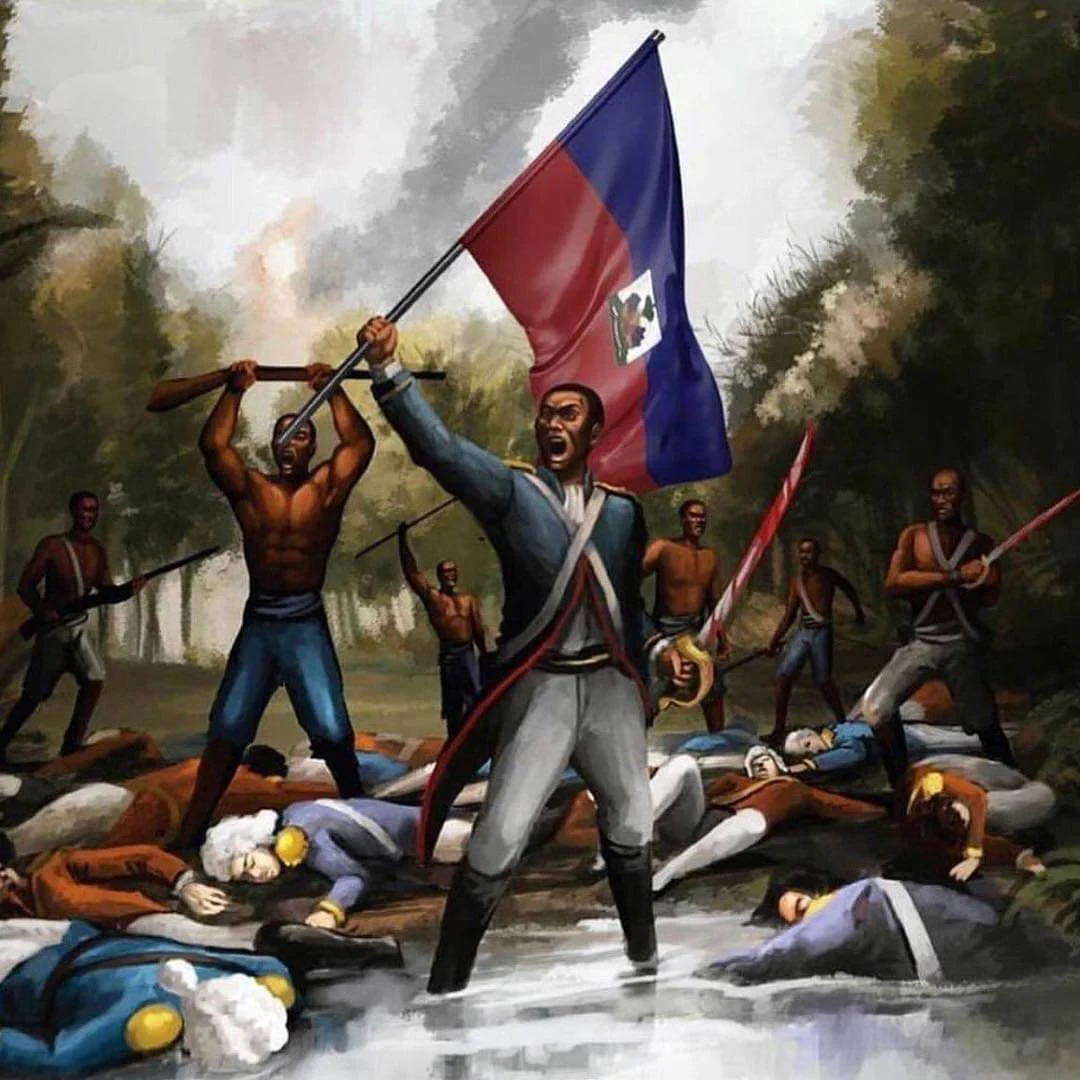
First black nation to free itself from slavery and gain independence from France in 1804 and influenced other liberation movements around the world, inspiring struggles for freedom and equality.
Natural beauty
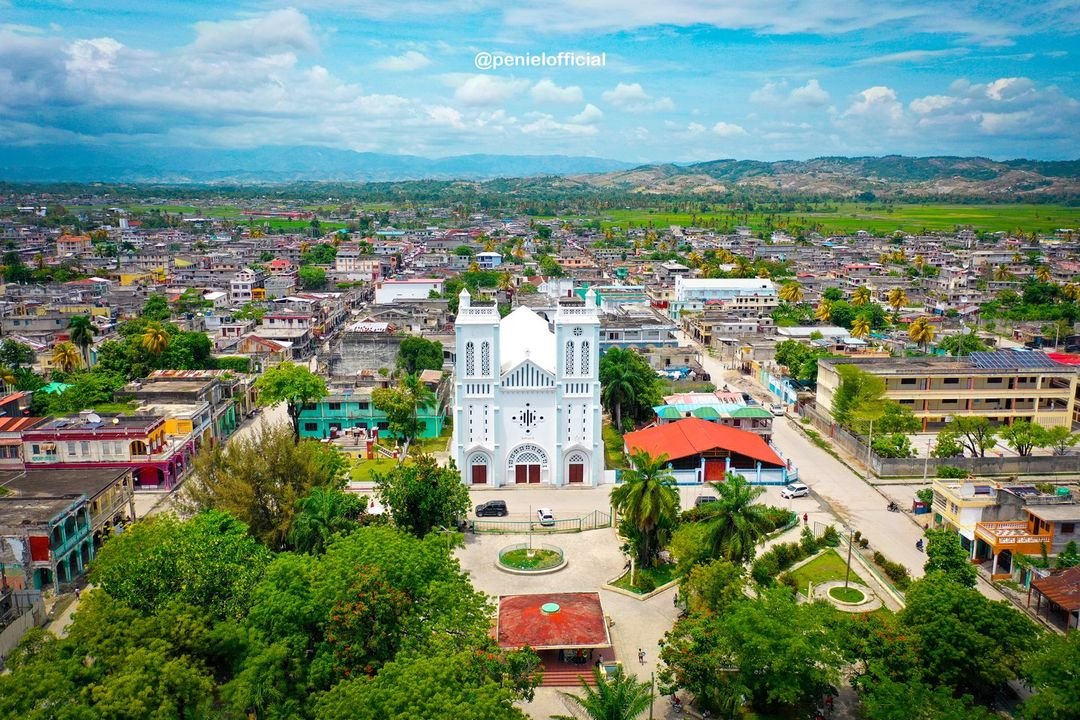
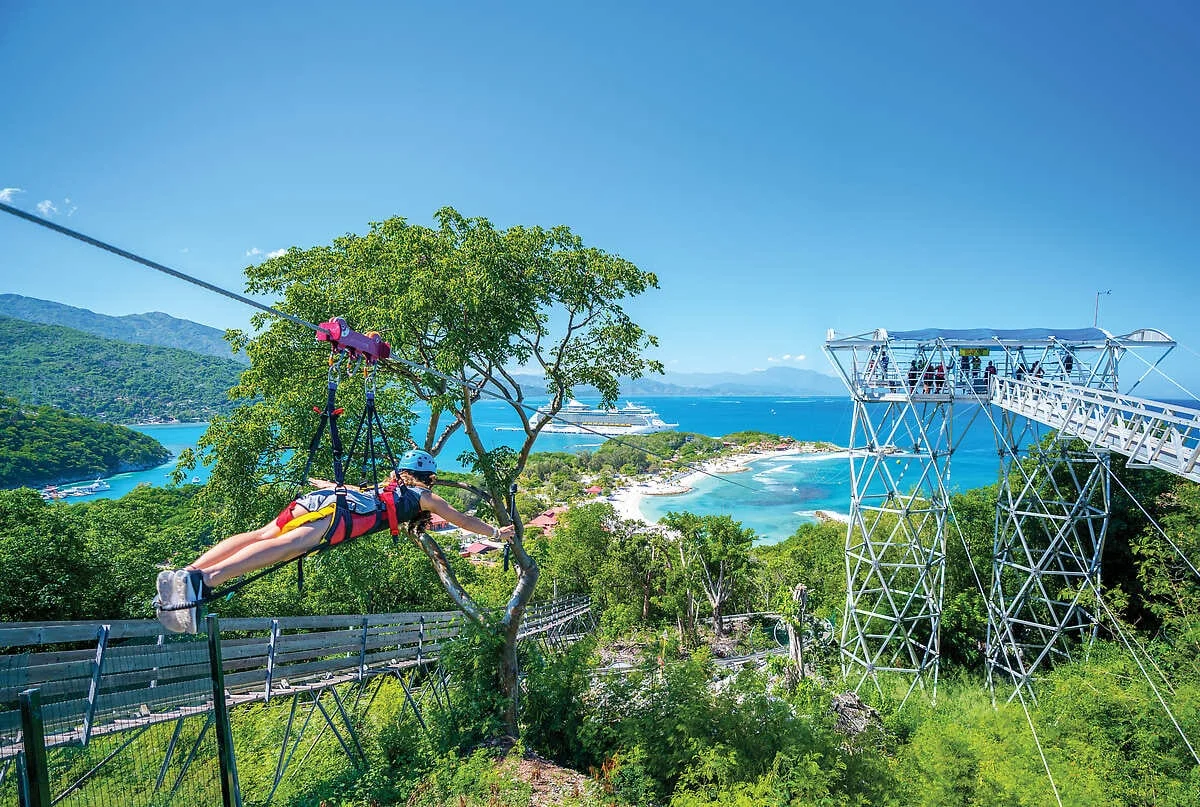
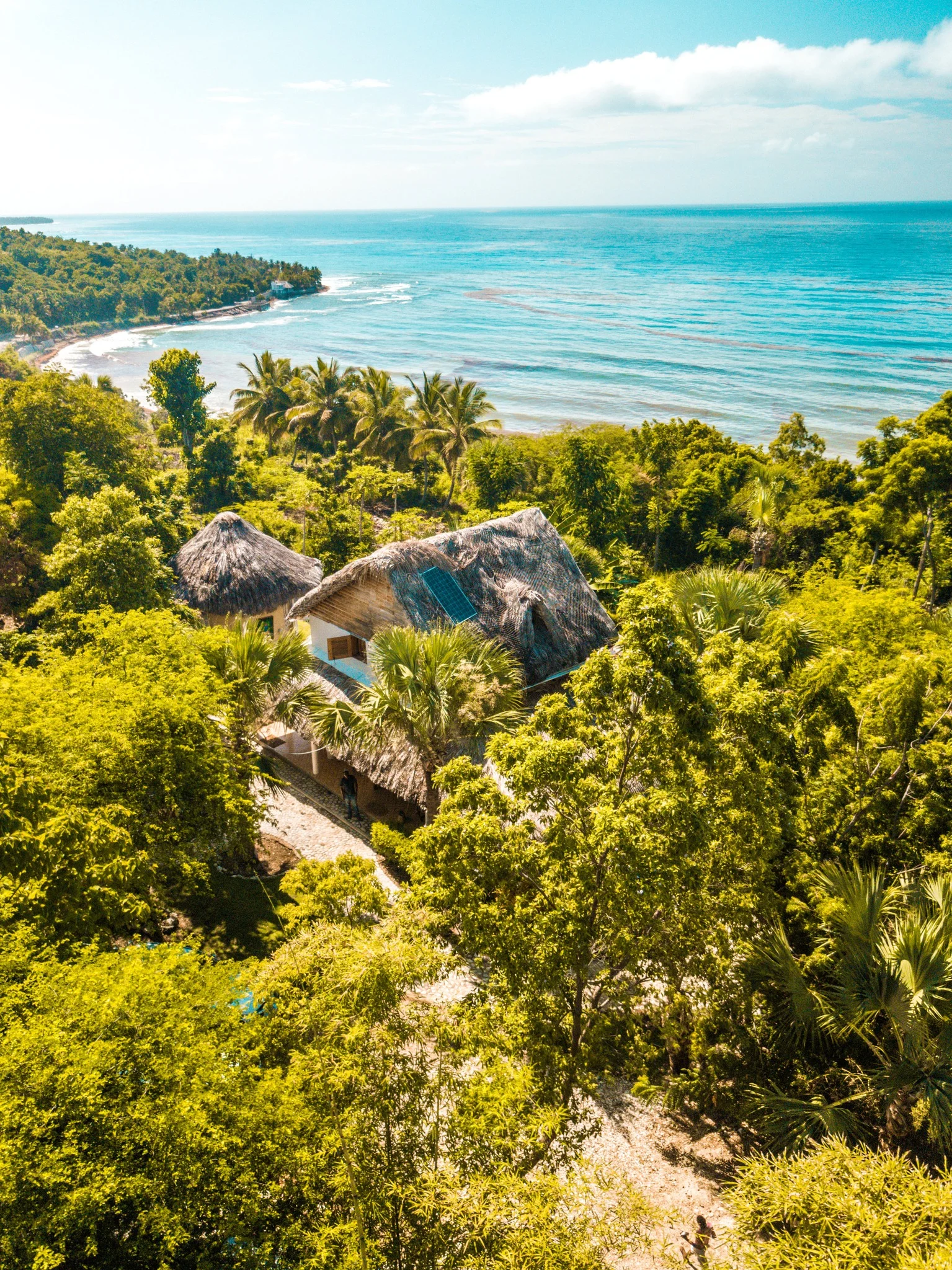
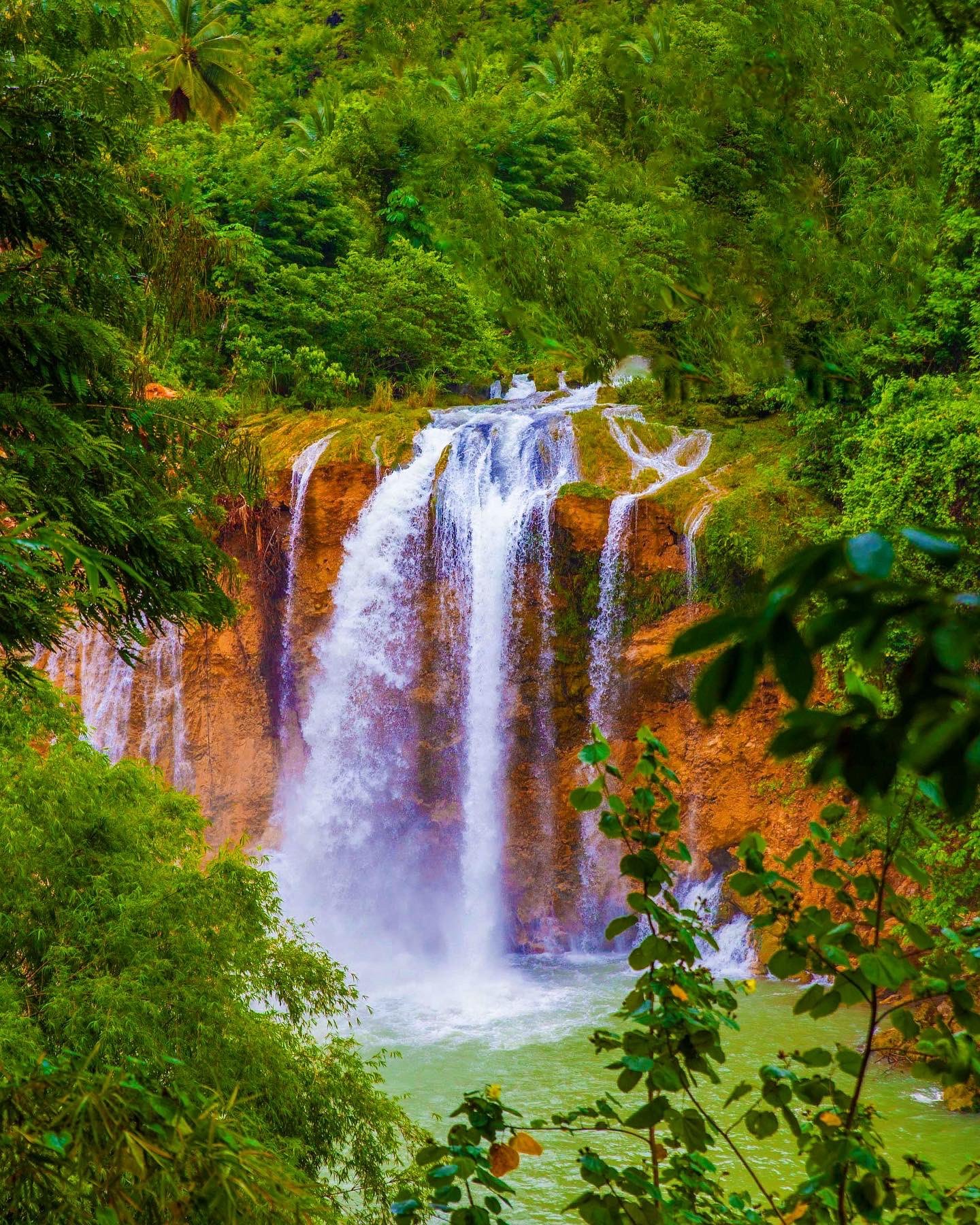
Haïti is blessed with spectacular natural landscapes, including white sand beaches, mountains and rich biodiversity.
Heritage
Haïti has a rich historical heritage, including sites like the Citadelle Laferrière and the Sans-Souci Palace, listed as UNESCO World Heritage Sites.
Culture
Haïti has a rich and diverse culture, influenced by African, European and indigenous elements. Haitian music, dance, art and cuisine are celebrated around the world.