Unity is Strength or Liberty - Equality - Fraternity: What is Haiti’s true national motto?
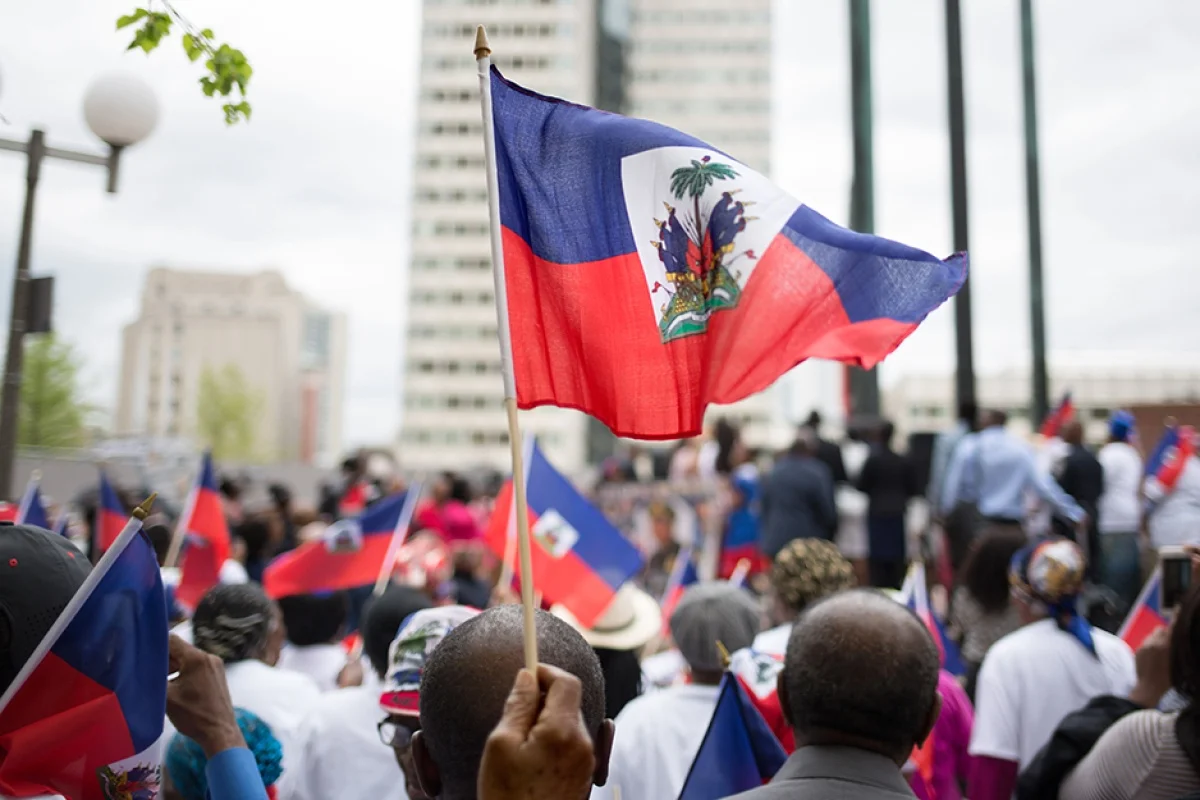
Haiti has two mottos: "Unity is Strength" on its coat of arms and "Liberty-Equality-Fraternity" in its 1987 Constitution. Find out which one is official.

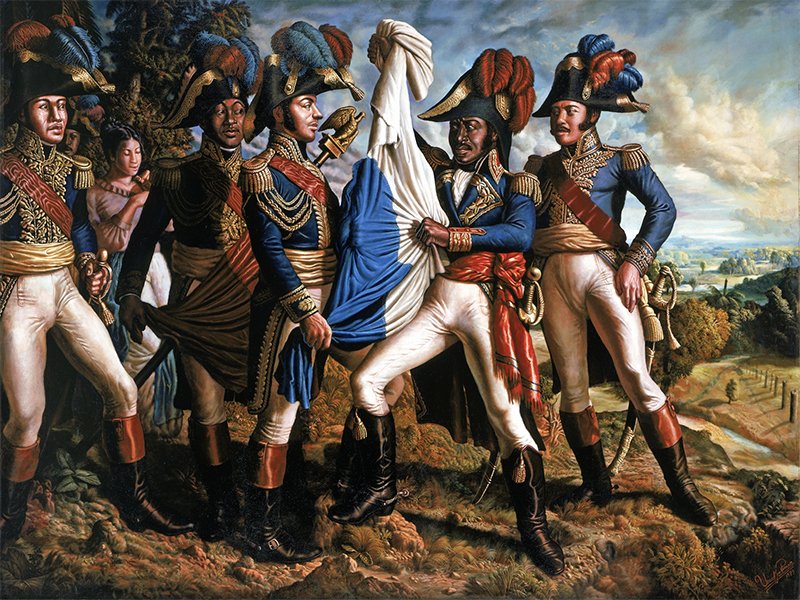
Haiti, the world’s first independent black republic, is a universal symbol of freedom and resistance. But who founded Haïti and how was this nation born? This journey through history leads us to explore the role of heroic figures, significant events, and the context that gave birth to this unique nation.
In Haiti, holidays are of particular importance, as they are a way to celebrate the country’s history, culture, and identity. However, one of the nation’s biggest holidays is January 1st, which marks Haiti’s independence. Find out why this day is so significant to Haitians and how it is celebrated across the country.
Before the arrival of Christopher Columbus in 1492, Haïti was already inhabited by a people who had a deep relationship with the land and nature: the Tainos. These first inhabitants left a cultural and spiritual legacy that continues to influence Haitian identity. Let’s discover who the Tainos were, their way of life, and what they brought to the history of Haiti.
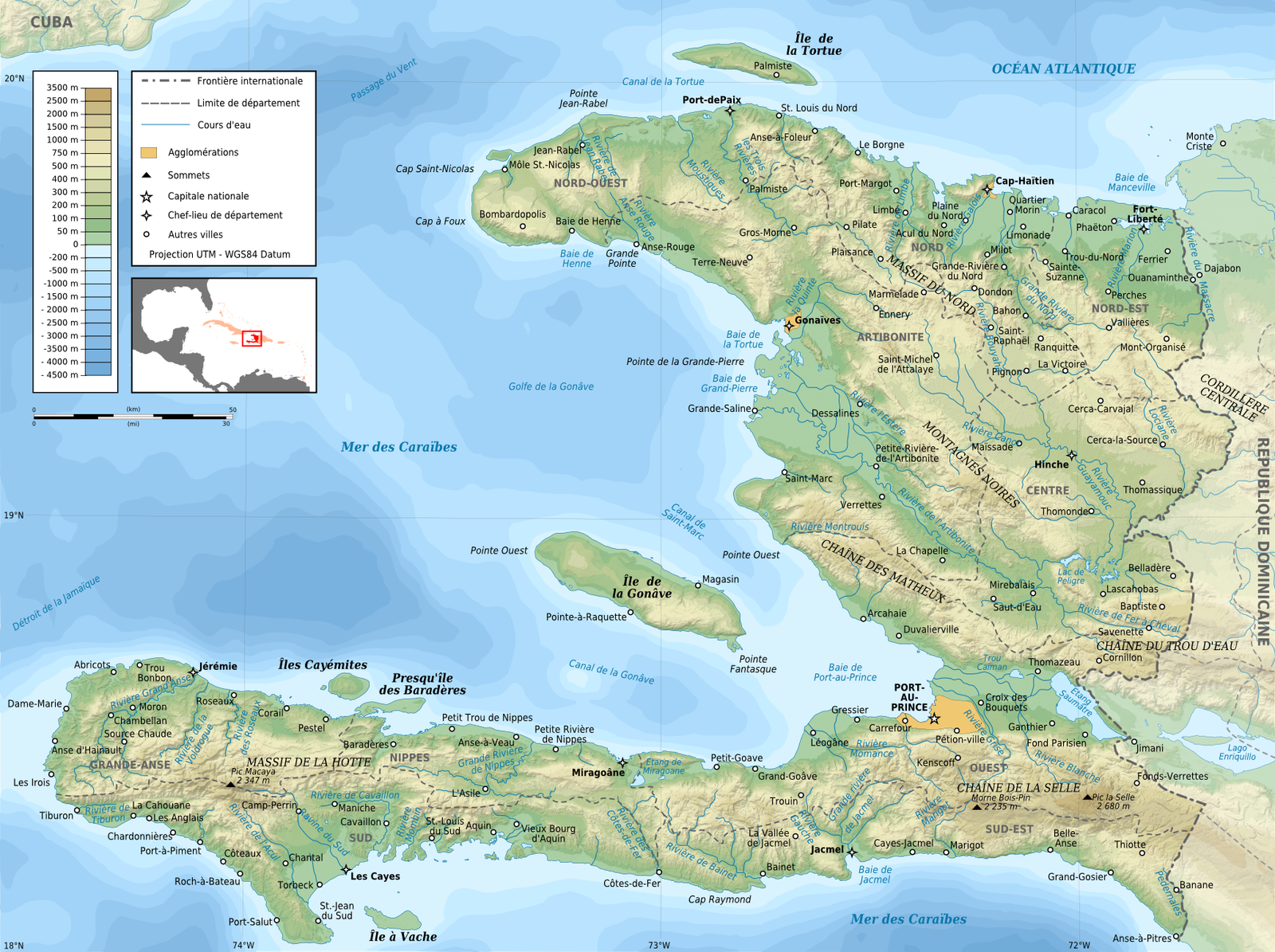
The length of Haiti, measured from west to east, is approximately 650 kilometers. This figure illustrates the extent of this country that shares the island of Hispaniola with the Dominican Republic. In this article, we explore in detail the geographical dimensions of Haiti, as well as their influence on the diversity and organization of the country.
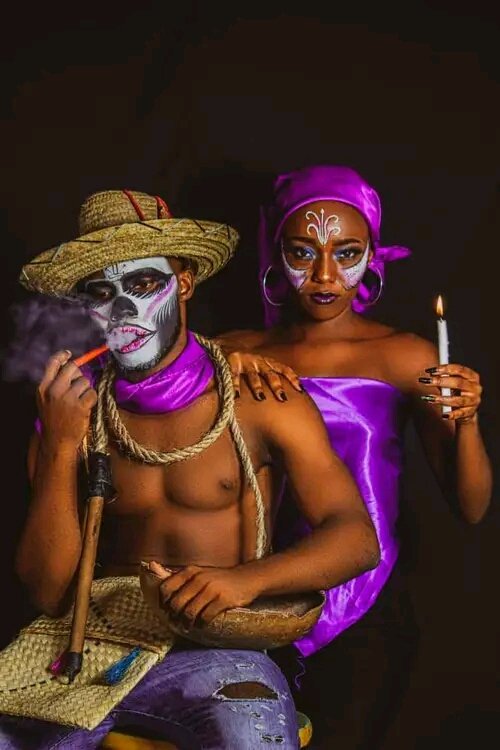
Religious diversity in Haïti is a key aspect of its cultural identity, but Christianity, and more specifically Catholicism, is the most popular religion in the country. With its roots deep in colonial history, Haitian spirituality is also enriched by unique cultural practices, such as Vodou, that coexist with Christian beliefs. In this article, we explore the history, practices, and key figures surrounding religion in Haiti.
Haiti, pearl of the Caribbean, is surrounded by turquoise waters that enrich its landscape and maritime culture. But what sea bathes this island country? Let’s discover together the sea that borders Haiti, its geographical importance and the activities it offers.
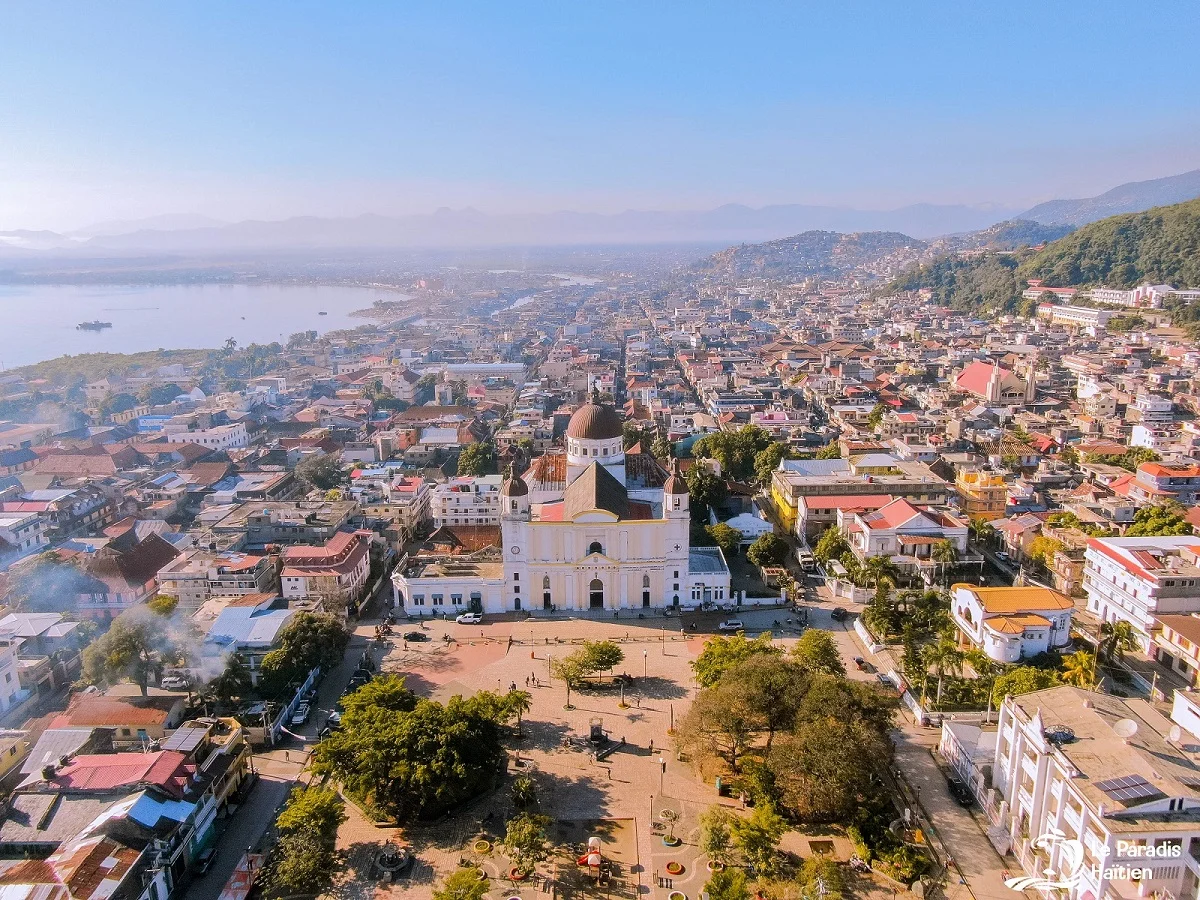
Port-au-Prince is the vibrant and historic capital of Haiti. Located on the bay of the same name, this city is much more than just an administrative center. It embodies the soul of the country through its history, vibrant culture, and resilience in the face of challenges. Let’s discover why Port-au-Prince is the beating heart of Haiti.
Haiti’s largest plateau is the Central Plateau. This vast territory, located in the central region of the country, is an emblematic area of Haiti’s environment, rich in natural resources, history, and agricultural potential. In this article, we will explore the characteristics of this plateau that make it an essential region for understanding Haiti.
Haitiwonderland is a media that specializes in promoting Haïti across the web. Made up of young patriots passionate about writing, this media advocates the hidden side of Haiti, adding a completely different story coming from the country alongside the one told repeatedly and on purpose by the numerous international media.
In the digital panorama of Haiti, Guy Alain Appolon stands out as an essential figure, particularly in the field of web development. Its name resonates as a reference for quality and innovation. What sets Appolon apart is his ability to merge art and code, an ability forged by his multiple talents, notably as a painter, computer graphic designer and musician, giving him extraordinary creativity.
On Sunday, April 6, 2025, the Karibe Convention Center in Juvenat transformed into a true cultural temple to close the 18th edition of the Port-au-Prince International Jazz Festival (PAPJAZZ). This year, the festival took place under the evocative theme "PAP JAZZ it UP", and it was held in three sites primarily located in the Pétion-Ville commune. The festival took place entirely at these wonderful musical venues: a reference was made to the Latin Quarter, the Haiti-Brazil Cultural Center, and the Karibe Hotel. Due to the deteriorating situation in downtown Port-au-Prince in recent times, the French Institute site had to be abandoned by the festival organizers. Nevertheless, we can absolutely call this 18th edition of Pap Jazz a success. Indeed, this festival, now a major event of the Haitian year, was especially marked this year by the great resilience and determination of the organizers who were able to adapt to the country’s rhythm in order to satisfy their loyal festival-goers. Despite the difficult context, these festival-goers did not miss the opportunity to escape their harsh daily lives through music. It’s also important to note that this 18th edition of Pap Jazz took place after two postponements, at the very beginning of this year, with the last one occurring in March due to insecurity. In this regard, it is appropriate to call the monumental achievement of the Haïti Jazz Foundation and their partners an exceptional feat, as they were not discouraged and showed remarkable tenacity, while adapting to offer Port-au-Prince and its surroundings this moment of growth, beyond the city’s great sorrow, through music.
Religious diversity in Haïti is a key aspect of its cultural identity, but Christianity, and more specifically Catholicism, is the most popular religion in the country. With its roots deep in colonial history, Haitian spirituality is also enriched by unique cultural practices, such as Vodou, that coexist with Christian beliefs. In this article, we explore the history, practices, and key figures surrounding religion in Haiti.

First black nation to free itself from slavery and gain independence from France in 1804 and influenced other liberation movements around the world, inspiring struggles for freedom and equality.

Haïti is blessed with spectacular natural landscapes, including white sand beaches, mountains and rich biodiversity.

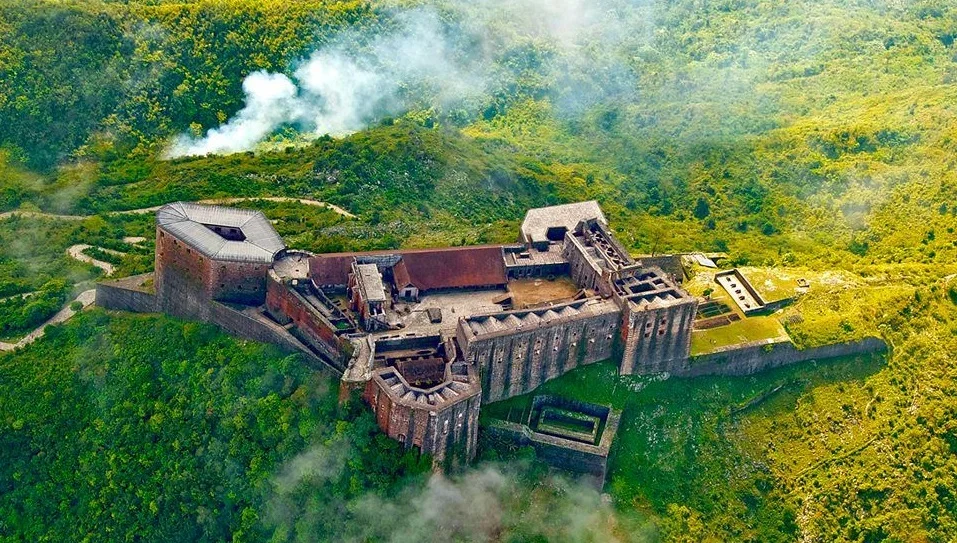
Haïti has a rich historical heritage, including sites like the Citadelle Laferrière and the Sans-Souci Palace, listed as UNESCO World Heritage Sites.

Haïti has a rich and diverse culture, influenced by African, European and indigenous elements. Haitian music, dance, art and cuisine are celebrated around the world.